
How Mindfulness Improves Well-Being
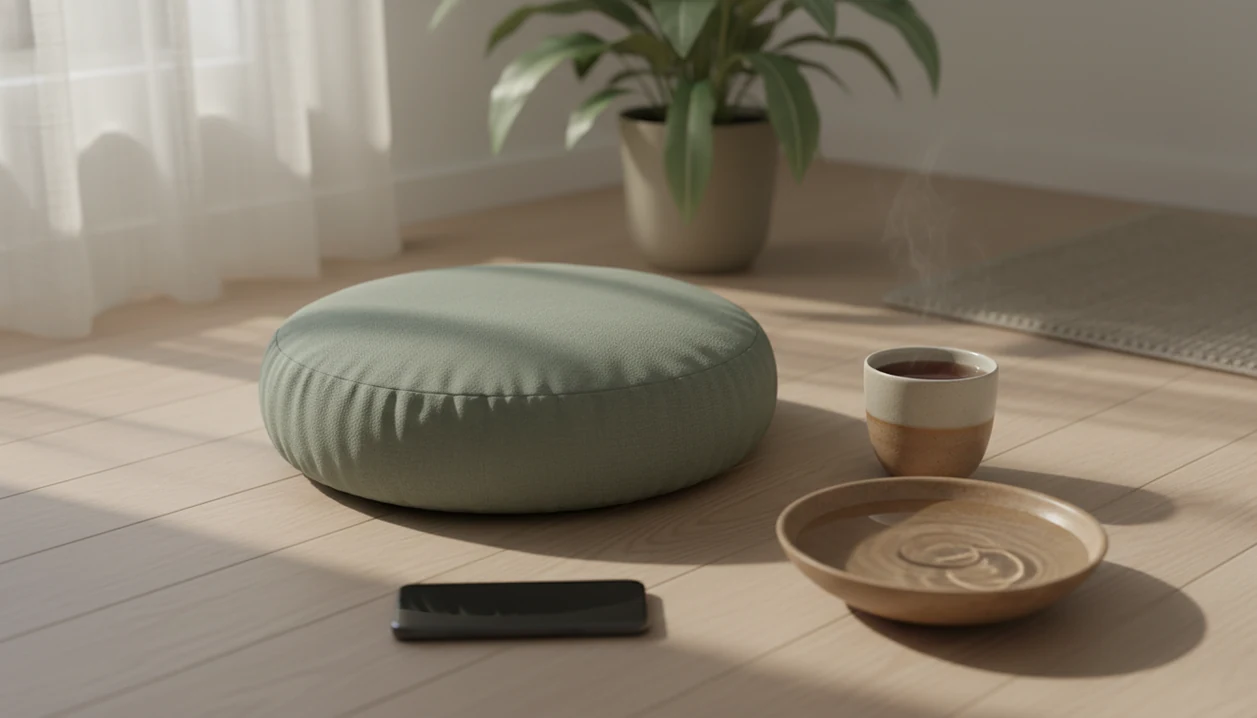


Mindfulness can improve well-being by training attention to return to the present moment, helping reduce stress reactivity and rumination while supporting sleep and steadier emotions over time. It means paying attention to thoughts, feelings, body sensations, and surroundings on purpose, without judging them or immediately trying to fix them. The aim is not to stop thinking, but to notice what is happening before reacting automatically.
A practical starting routine is 5 to 10 minutes of guided breathing, a body scan, or sleep meditation most days. Consistent practice alongside healthy routines is more useful than expecting one session to resolve ongoing stress. Mindfulness is a supportive skill, not a replacement for medical care or mental health treatment, and turning attention inward does not feel helpful for everyone.
What matters most
- Mindfulness improves well-being by reducing autopilot reactions and helping the nervous system settle after stress.
- Research links mindfulness-based programs with improvements in stress, anxiety, depression symptoms, sleep quality, and psychological well-being.
- A practical routine can be as simple as 5 to 10 minutes of guided breathing, body scan, or sleep meditation most days.
What Is Mindfulness and How It Improves Well-Being
Mindfulness is a trainable attention skill that improves well-being by helping you notice what is happening now, respond less automatically, and return attention gently when the mind wanders. It is not a personality type, a spiritual requirement, or a test of whether you can “empty” your mind.
The core move is simple: notice a breath, body sensation, sound, or thought, then come back without scolding yourself. That return is the practice. During a stressful workday, it might be one quiet minute in a conference room chair between meetings.
For beginners, guided sessions can make the skill easier to repeat. If you want a plain starting point, a short how to meditate guide can help you learn the basic posture, anchor, and reset.
Research Evidence for Mindfulness, Stress, Mood, and Well-Being
Research does not show mindfulness as a cure, but it does show meaningful associations with stress reduction, mood support, and better psychological well-being in structured programs. The strongest findings come from mindfulness-based interventions studied over several weeks, not one-off relaxation sessions.
- A 209-study meta-analysis found mindfulness-based therapy produced moderate improvements in anxiety and depression symptoms compared with controls, according to a 2013 review PubMed research: 23796855.
- Mindfulness-based stress reduction was linked with significant stress reduction across 29 randomized controlled trials in a 2014 meta-analysis JAMA Internal Medicine study: 1809754.
- A large randomized trial found that an 8-week mindfulness program reduced psychological distress and improved well-being compared with usual care; keep the 2,815-adult sample-size detail only if the primary trial URL is added inline.
- Sleep research is more cautious, but mindfulness-based interventions have shown small-to-moderate improvements in sleep quality across 18 randomized controlled trials PubMed research: 31686875.
- In chronic insomnia trials, mindfulness-based therapy has improved insomnia severity, though cognitive behavioral therapy for insomnia remains a standard clinical option.
Not magic. Still useful.
Compassion may improve, but social benefits are not guaranteed
Well-being includes responses to other people, not just feeling calmer alone. A 2022 meta-analysis of 13 studies in healthy populations found small-to-moderate improvements in empathy after mindfulness-based interventions compared with control conditions. The review included randomized and quasi-experimental studies, so its findings support a possible benefit rather than a promise that every practice will improve relationships. Understanding why relationships matter for well-being can put mindfulness's possible social benefits into a broader context.
The comparison group matters. A 2018 review of meditation's social effects found improvements in compassion and empathy, but not reliable improvements in aggression, connectedness, or prejudice. Compassion benefits appeared against waiting-list controls but not active controls, and were stronger when the teacher was also a study author. Feeling more compassionate after meditation should not be treated as proof of changed behavior. Try mindfulness practices for relationships to bring attention and patience into everyday conversations, without assuming meditation alone changes behavior.
Brain and Body Mechanisms Behind Mindfulness Benefits
Mindfulness works by training attention, stress reactivity, emotional regulation, and habit loops. In plain language, you practice noticing where your mind went, then returning to a chosen anchor before the next worry takes over.
Attention training is the visible part. You focus on breathing, sounds, or body sensations. Then tomorrow’s meeting starts looping at midnight, and you notice it as “planning” instead of following it for twenty minutes. That small label creates space.
The body piece matters too. Mindfulness can help you observe tight shoulders, fast breathing, or a clenched jaw before reacting. Over time, that pause may help the nervous system downshift after stress. Emotional regulation grows when thoughts are seen as mental events, not commands. Learning how to stop passive aggression can help you express frustration more directly instead of reacting through indirect remarks.
For anxious overthinking, short repeated practices often work better than rare long sessions because habit formation needs repetition. Five minutes you actually do beats thirty minutes you keep postponing.
5 Daily Mindfulness Steps for Better Well-Being
Use mindfulness as a small daily routine, not a performance. For most beginners, 5 to 10 minutes is enough to build familiarity without turning practice into another chore.
- Choose one anchor, such as breath, body contact, sound, or a guided voice.
- Set a 5 to 10 minute window, ideally at the same time most days.
- Breathe slowly for a few rounds, noticing the inhale, exhale, and any body tension.
- Scan the body from head to feet, softening obvious areas without forcing relaxation.
- Notice thoughts as thoughts, then return to the anchor when attention drifts.
- End with one small intention, such as “pause before answering” or “put the phone down at bedtime.” Applying these pauses can support efforts to stop drama in relationships and respond more thoughtfully during disagreements.
Tools like MindTastik, Calm, and Headspace can supply guided meditation, sleep audio, breathing exercises, and self-hypnosis sessions when silence feels too open.
Mindfulness Techniques for Sleep, Anxiety, Overthinking, and Focus
Mindfulness is more useful when the technique matches the moment. A body scan before bed is different from a focus practice on a train seat during the evening commute.
| Goal | Best practice | When to use it | Why it helps |
|---|---|---|---|
| Sleep support | Body scan | Bedtime or after waking at 2:13 a.m. | Shifts attention from worry loops to body sensations |
| Anxiety spike | Slow breathing | Before a call, flight, or crowded errand | Gives the body a steady rhythm to follow |
| Overthinking | Open awareness | When thoughts keep replaying | Teaches noticing without chasing every thought |
| Work focus | Focus meditation | Before deep work or between meetings | Trains attention to return after distraction |
Mindfulness-based sleep programs have shown small-to-moderate sleep quality improvements in trials, and chronic insomnia studies are promising but not a substitute for clinical care. If bedtime is the main issue, pair practice with sleep hygiene, such as dimming the phone screen before starting audio.
An outdoor attention practice without focusing on the breath
Mindful attention can also rest on surroundings rather than internal sensations. The Mental Health Foundation's guidance on connecting with nature recommends deliberately noticing sensory details such as trees, plants, birds, or water. A simple practice is to choose one visible detail, notice its color or movement, then attend to nearby sounds. When thoughts take over, return to that external detail without demanding a particular mood.
This is an alternative attention practice, not a guaranteed stress treatment. A 2022 review of awe and mental restoration linked awe, especially in nature, with less rumination, lower stress, and greater well-being. However, the evidence included observational studies and specialized outdoor programs. It does not establish that every brief walk or moment looking at a tree will produce the same effects.
Who Mindfulness Helps Most and When to Get Support
Mindfulness tends to help adults who want everyday calm, beginner meditation support, sleep wind-downs, stress resets, and less rumination. It is especially practical for people who prefer short guided practices over long silent sits.
- The bedtime worrier: A body scan or sleep meditation can give attention somewhere steadier to land.
- The anxious beginner: Breathing practices can feel more manageable than sitting in silence.
- The busy worker: A three-minute reset can fit between tasks without changing clothes or location.
- The overthinker: Open awareness helps label mental loops without treating every thought as true.
- The app-guided learner: Apps such as MindTastik can help people choose a starting point when an open-ended practice feels confusing.
Mindfulness is not ideal as a stand-alone response for severe depression, PTSD, suicidal thoughts, mania, or severe insomnia. Clinicians typically recommend professional support when symptoms are intense, unsafe, or worsening.
5 Common Myths About Mindfulness and Well-Being
Beginners often quit because mindfulness feels different from what they expected. Wandering attention is not failure; it is the exact moment the practice begins.
- Myth 1: Mindfulness clears the mind instantly. Mindfulness teaches you to notice thoughts and return attention, not erase thinking.
- Myth 2: Mindfulness is only relaxation. It can be calming, but it also trains attention, self-awareness, and emotional regulation.
- Myth 3: Long retreats are required. Many people start with 5-minute breathing or a 10-minute body scan.
- Myth 4: Distraction means you are bad at it. Noticing distraction is the repetition that builds the skill.
- Myth 5: Mindfulness can cure serious mental health conditions by itself. Research supports it as a helpful practice, not a replacement for care.
For hands-on options, mindfulness exercises and techniques can make the practice less abstract.
Guided sessions for daytime pauses and bedtime worry
MindTastik's guided meditation library suits adults who prefer spoken instructions to an unstructured silent practice. Breathing exercises offer a clear focus for a daytime pause, while guided meditations can support a bedtime wind-down. Sleep stories are another option when following a narrative feels more manageable than observing thoughts. For shared practice, relationship meditation for deeper connection can offer a structured way to pause and pay attention together.
Someone who prefers silence may need only a timer. Anyone seeking treatment for persistent anxiety, insomnia, or trauma-related distress should choose professional support rather than treating an app as the main intervention. MindTastik is not a medical treatment.
What mindfulness cannot treat or change on its own
Mindfulness has real benefits, but it has boundaries. It should be treated as a supportive practice, not a complete answer to medical, emotional, or life problems.
- Mindfulness is not a replacement for medical care, psychotherapy, crisis support, or prescribed treatment.
- Benefits usually build over weeks or months, not during one session.
- Some people with trauma histories may feel more distress when turning inward.
- App-based mindfulness evidence is limited for complex trauma, severe OCD, bipolar disorder, and other complex conditions.
- Mindfulness does not remove external stressors such as workload, finances, housing pressure, caregiving strain, or conflict.
- Severe insomnia may need clinical assessment, especially when it affects safety, work, or mood.
- Practice works better alongside sleep hygiene, movement, social support, therapy when needed, and practical problem-solving.
If you are comparing app support, the best meditation app for sleep anxiety guide can help you weigh session type, privacy, downloads, and bedtime use. The right tool is the one you can use consistently, especially if you need a sleep meditation app that feels calm rather than crowded.
Mindfulness and well-being questions
How does mindfulness improve emotional well-being?
Mindfulness trains the habit of noticing thoughts, feelings, and physical tension before responding automatically. That pause can make worry loops easier to recognize and reactions less immediate. It does not remove difficult emotions. The practical aim is a steadier response to them, supported by repeated practice rather than forced positive thinking.
How long does mindfulness take to help?
One session may feel calming, restless, or ordinary. Research on structured mindfulness programs generally examines practice over several weeks, so an immediate mood change is not a reliable measure of benefit. Look for gradual changes in everyday reactions, such as noticing rumination sooner, rather than expecting a fixed deadline for improvement.
Can mindfulness help with overthinking at night?
A body scan can give attention a concrete focus when thoughts keep replaying at bedtime. The practice is to notice sensations and return after distraction, not to force sleep or solve every worry. Mindfulness may support sleep, but persistent insomnia needs appropriate care rather than increasingly long meditation sessions.
Why do I feel more anxious during mindfulness?
Turning inward can make thoughts and sensations more noticeable, and some people with trauma histories experience greater distress. Calm is not something to force. A shorter practice focused on sounds or surroundings may feel more manageable. If distress is intense, persistent, or worsening, stop the session and seek professional guidance.
Does mindfulness improve empathy and relationships?
Research suggests mindfulness-based interventions can improve empathy, but that does not guarantee better relationships. Reviews of meditation's social effects have found inconsistent results for connectedness, aggression, and prejudice. Mindfulness may support awareness of reactions, while relationship difficulties still require communication and concrete changes in behavior.
Can mindfulness improve physical health?
Mindfulness may support physical health by helping you manage stress and become more aware of your body's needs. Some research suggests benefits for blood pressure and coping with chronic pain, although results vary. It works best alongside healthy habits and appropriate medical care, not as a replacement for treatment.
Does mindfulness help with focus and concentration?
Mindfulness trains you to notice when your attention wanders and gently bring it back. With regular practice, this may make it easier to stay engaged with tasks and respond less automatically to distractions. Try focusing on your breathing for a few minutes, returning to it whenever you notice your mind drifting.