
How to Increase Resilience: A Practical Guide for Everyday Calm
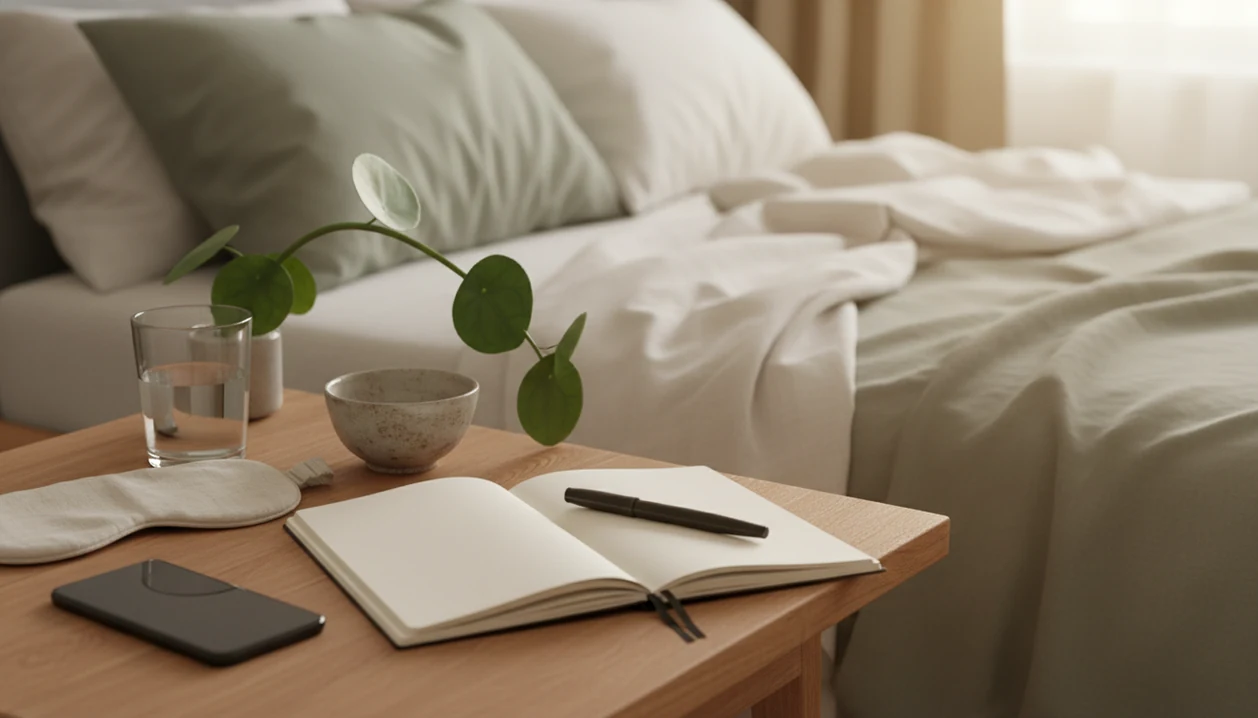


To increase resilience, build small daily habits that support recovery from stress: consistent sleep, brief mindfulness, realistic thinking, movement, boundaries, and contact with supportive people. Resilience is the learnable ability to adapt, recover, and keep functioning during stress, uncertainty, or setbacks. It does not mean ignoring emotions or staying calm through every difficult moment. The aim is to make useful coping skills easier to reach when pressure rises.
A practical routine starts with the first sign of strain, such as disrupted sleep, scattered attention, or irritability. Choose one repeatable response rather than changing everything at once. Guided meditation, breathing exercises, and sleep audio can support that practice, but they are not medical treatments or substitutes for practical help.
What helps most
- Resilience improves through repeatable habits, not personality alone.
- Sleep, mindfulness, movement, realistic thinking, boundaries, and social support are the core building blocks.
- A guided meditation app can support resilience with sleep audio, breathing exercises, and short mindfulness practices, but it should be treated as practice support rather than a medical solution.
What resilience skills mean in daily life
Resilience skills are practical behaviors that help you steady yourself, think clearly, and recover after stress. They include emotional regulation, realistic thinking, problem-solving, and support-seeking.
That matters because resilience is often mistaken for being tough, quiet, or untouched by pressure. It isn’t. Resilient people recover and adapt; they do not avoid all stress. They still feel disappointment, grief, anger, and worry. The skill is noticing those reactions without letting them run the whole day.
A useful resilience plan should work on a normal Tuesday, not only during a crisis. Maybe that means taking three slow breaths before answering a hard message, or naming the feeling before opening your laptop again.
Small counts.
For beginners, learning how to meditate can give the first simple structure for pausing instead of reacting.
How resilience works in the brain, body, and habits
Resilience works by lowering how strongly stress takes over and improving how quickly you return to steadier functioning. Stress activates body systems that affect sleep, attention, mood, digestion, muscle tension, and decision-making.
The mechanism is partly about nervous system regulation and habit loops. In plain language, your body learns what to do next when pressure rises. Mindfulness and breathing create a pause between trigger and response, which can stop one tense moment from becoming the whole evening. Understanding mind body healing can clarify how thoughts, stress, and physical responses interact without replacing appropriate medical care.
Sleep is not optional here. It supports emotional balance and makes coping skills easier to reach the next day. In a dim, quiet room before dawn, when rest still has not arrived, “think positive” can feel like a thin tool.
Routines and social support also reduce the load on willpower. If your plan is already set, you do not have to invent calm while stressed.
Five evidence-backed facts about resilience training
- Resilience is trainable, not fixed. Skills like reframing, emotional regulation, and asking for support can improve with repetition.
- Short sleep is linked with poorer mental health. Per the CDC, adults sleeping under 7 hours are more likely to report frequent mental distress than those sleeping 7 to 9 hours CDC guidance: adults sleep facts and stats.html.
- Mindfulness programs can help stress-related symptoms. A meta-analysis of 341 trials with more than 65,000 participants found small to moderate improvements in depression, anxiety, and stress JAMA Internal Medicine study: 1809754.
- Digital resilience tools show modest benefits. A 2023 review found small favorable effects for app-based and online interventions on distress, positive mental health, and resilience factors NIH research: PMC10853230.
- Social support predicts resilience after major stress. Reviews of trauma and disaster recovery research consistently find that perceived social support is associated with better psychological resilience and lower distress NIH research: PMC2921311.
Less stress does not always mean greater resilience
Research separates feeling less stressed from becoming more resilient. A 2020 review of 30 studies involving healthcare professionals found that mindfulness-based stress reduction generally reduced stress, anxiety, and depression and increased mindfulness and self-compassion. It did not consistently improve resilience or reduce burnout. A practice can therefore help with immediate distress without resolving the wider pressures that make recovery difficult.
A 2023 meta-analysis of randomized controlled trials did find a statistically significant improvement in resilience with mindfulness-based interventions, but effects varied by population and program design. These findings support mindfulness as one possible component of a resilience plan, not a guaranteed result from any brief session. They also leave room for sleep, social support, boundaries, and changes to daily demands.
Before you start: choose your resilience baseline
Before you build a routine, choose the one place where stress shows up first. A clear baseline keeps the plan small enough to repeat instead of turning resilience into another overwhelming project.
- Notice your first stress signal by asking where things break down earliest: sleep, focus, mood, or relationships. The answer gives your routine a direction.
- Rate your current stress from 1 to 10 before choosing the practice. A 3 may call for maintenance; an 8 may need a gentler routine and more support.
- Pick one measurable habit such as five minutes of breathing, a consistent bedtime cue, one walk, or one honest check-in. Do not rebuild your whole life on Monday.
- Attach it to a daily time anchor you already repeat, like brushing your teeth, making coffee, closing your laptop, or getting into bed.
- Pause for professional help if symptoms are severe, persistent, or unsafe. Panic attacks, trauma symptoms, depression, major sleep disruption, or thoughts of self-harm deserve care beyond self-guided practice.
How to use a resilience routine in 5 daily steps
A resilience routine works best when it is short enough to repeat on tired days. For most people, five steady steps beat a dramatic plan that lasts three mornings.
If you are dealing with severe anxiety, depression, trauma symptoms, panic attacks, or thoughts of self-harm, use these steps only as support while seeking professional care. Resilience practice should lower the load, not become another standard you punish yourself for missing.
- Set one small daily anchor such as morning, lunch, or bedtime, then attach your practice to that moment.
- Practice 5 to 15 minutes of breathing, guided meditation, or quiet reflection. Choose the 5-minute breathing exercise if the 20-minute body scan feels like too much.
- Name the stressor and the emotion instead of pushing it away. Try, “The deadline is the stressor, and the feeling is fear.” Practicing meditation for empathy can also help you notice another person's feelings before responding during a tense exchange.
- Reframe one thought into a more realistic statement. “I can’t handle this” might become “I can take the next useful step.”
- Reach out, move your body, or reset your sleep routine when stress builds. A short walk, one honest text, or better sleep hygiene can change the next hour.
Best resilience tips for sleep, anxiety, focus, and support
Different stress patterns need different starting points. Choose the tip that matches where your resilience tends to break down first.
- Best for sleep: Use a guided sleep meditation or calming audio before bed. Dimming the phone screen before starting bedtime audio helps keep the routine quiet.
- Best for anxiety support: Use breathwork or short grounding sessions during the day, especially before stress peaks.
- Best for focus: Use brief meditation before demanding work or study, such as ten quiet minutes before opening a difficult project.
- Best for emotional recovery: Combine self-compassion with realistic next steps. Kindness without action can stall; action without kindness can become pressure. Practicing mindfulness and body acceptance offers another way to respond kindly to yourself when stress brings physical discomfort.
- Best for long-term resilience: Combine inner practice with outer support and boundaries.
Tools like MindTastik, Calm, and Headspace can support guided meditation, sleep audio, breathing exercises, and self-hypnosis sessions.
How to increase resilience at work, school, and home
How to increase resilience in everyday life depends on where stress shows up most. Workplace pressure, student overload, and home stress each need slightly different habits, but none of them disappear through mindset alone.
Workplace resilience habits
Use boundaries, short breaks, realistic planning, and decompression after work. A breathing exercise before a presentation can help your body settle before your brain starts negotiating with panic.
Student resilience habits
Prioritize sleep, focus blocks, test anxiety support, and asking for help early. For study stress, a simple library of meditation techniques can help you choose one practice instead of scrolling through twenty.
Everyday life resilience habits
Keep routines, movement, social connection, and grief-aware pacing in the plan. Some weeks require less ambition and more steadiness. That is still resilience. When family distance adds stress, learning how to reconnect with an estranged child can support patient, respectful efforts to rebuild contact.
Common mistakes that weaken resilience habits
The most common resilience mistake is trying to toughen up by ignoring emotions. Suppressed feelings often return as irritability, shutdown, poor sleep, or a sudden snap at someone who did not cause the stress.
Another mistake is expecting one meditation session to fix chronic overload. A guided session can help create space, but consistency matters more than intensity. The person who practices for 7 minutes most nights usually builds more traction than the person who forces an hour once, then quits.
Do not use an app instead of getting professional help when symptoms are severe. Also, do not skip sleep and rely only on mindset. That plan usually collapses fast.
Too many habits can weaken the whole routine. Pick one repeatable practice first, then add support when it feels manageable. Exploring the gap between wanting and living can help you turn good intentions into one realistic daily action.
Short guided sessions for everyday stress recovery
MindTastik’s guided meditation library suits a resilience routine built around a brief pause before work, after a difficult exchange, or at bedtime. Breathing exercises, gratitude sessions, and sleep stories offer different starting points depending on where stress shows up first. The useful role is practice support, not a promise of lasting calm. People who find inward attention uncomfortable may prefer outside support or a non-meditation habit, such as a walk or a check-in with someone trusted.
When resilience habits are not enough
Resilience strategies can support daily coping, but they have real limits.
- Meditation apps can support resilience, but they do not replace therapy, medication, crisis support, or professional assessment.
- Digital tools show small but meaningful effects, not instant transformation.
- Breath focus, body scans, or silence may feel uncomfortable or activating for some people.
- Ongoing stressors such as unsafe housing, discrimination, financial insecurity, or caregiving strain may require practical and social support beyond personal habits.
- Severe anxiety, depression, PTSD symptoms, panic attacks, or thoughts of self-harm should prompt professional help.
- Sleep, meditation, and self-care are supportive habits, not guarantees.
- A wind-down routine may help you settle, but it cannot remove a harmful workload or unsafe relationship by itself.
If you want app-based support, compare options with a realistic lens. Our best meditation app for sleep anxiety guide explains where tools like MindTastik may fit.
Three short practices for tension, body awareness, and setbacks
| Technique | Best for | Minutes |
|---|---|---|
| Box breathing | Regaining steadiness before responding | 3-5 min |
| Guided body scan | Noticing tension without chasing every thought | 7-12 min |
| Self-compassion pause | Recovering after a mistake or difficult exchange | 3-8 min |
Building resilience: common questions
What is the first step to building resilience?
Start by identifying where stress causes trouble first: sleep, concentration, mood, or relationships. Then choose one small response linked to a regular part of the day. Examples include a brief breathing practice after lunch, a consistent bedtime cue, or an honest check-in. A manageable routine is more useful than an ambitious plan that is rarely repeated.
How can I build emotional resilience after a setback?
Begin by acknowledging the reaction rather than trying to suppress it. A short grounding or self-compassion practice can create space before deciding what to do next. Then identify one realistic action, such as clarifying a misunderstanding or asking for help. Emotional resilience includes disappointment and grief, not just a quick return to productivity.
How long does it take to become more resilient?
There is no single timetable supported by the research summarized here. Effects vary with the person, the practice, and the pressures involved. Focus on repeating a manageable habit rather than meeting a deadline. A useful check is whether coping skills are becoming easier to use when stress rises, not whether difficult emotions have disappeared.
How do I build resilience at work without accepting too much pressure?
Pair coping practices with boundaries, realistic planning, short breaks, and support-seeking. A breathing exercise before a difficult meeting may help with the immediate response, but it does not change an excessive workload. Workplace resilience should include addressing demands where possible, rather than treating every problem as a failure of personal mindset.
When should I seek help instead of relying on resilience exercises?
Severe anxiety, depression, trauma symptoms, panic attacks, or thoughts of self-harm call for professional support rather than self-help alone. Meditation and breathing can be supporting practices, but they do not replace assessment, therapy, medication, or crisis care. Practical problems such as unsafe housing or financial insecurity also require support beyond personal habits.
How does sleep affect resilience to stress?
Sleep supports attention, emotional regulation, and decision-making, which help you respond to challenges more flexibly. When you are short on sleep, everyday problems may feel harder to manage. Keep a consistent sleep schedule and create a calming bedtime routine. Brief meditation can help you unwind, but it does not replace adequate sleep.
Can self-compassion help you become more resilient?
Self-compassion means responding to difficulties with kindness rather than harsh self-criticism. It can help you acknowledge mistakes without treating them as proof that you are incapable. Try naming what feels difficult, reminding yourself that struggle is common, and choosing one helpful next action. Being kind to yourself does not mean avoiding responsibility.
What role do supportive relationships play in building resilience?
Supportive relationships can provide perspective, practical help, and a sense of belonging during stressful periods. Building resilience does not mean handling everything alone. Stay connected through regular conversations, shared activities, or community groups. When you need support, make a specific request, such as asking someone to listen or help with a task.