
Meditation for Tinnitus: A Practical Guide to Calmer Ringing
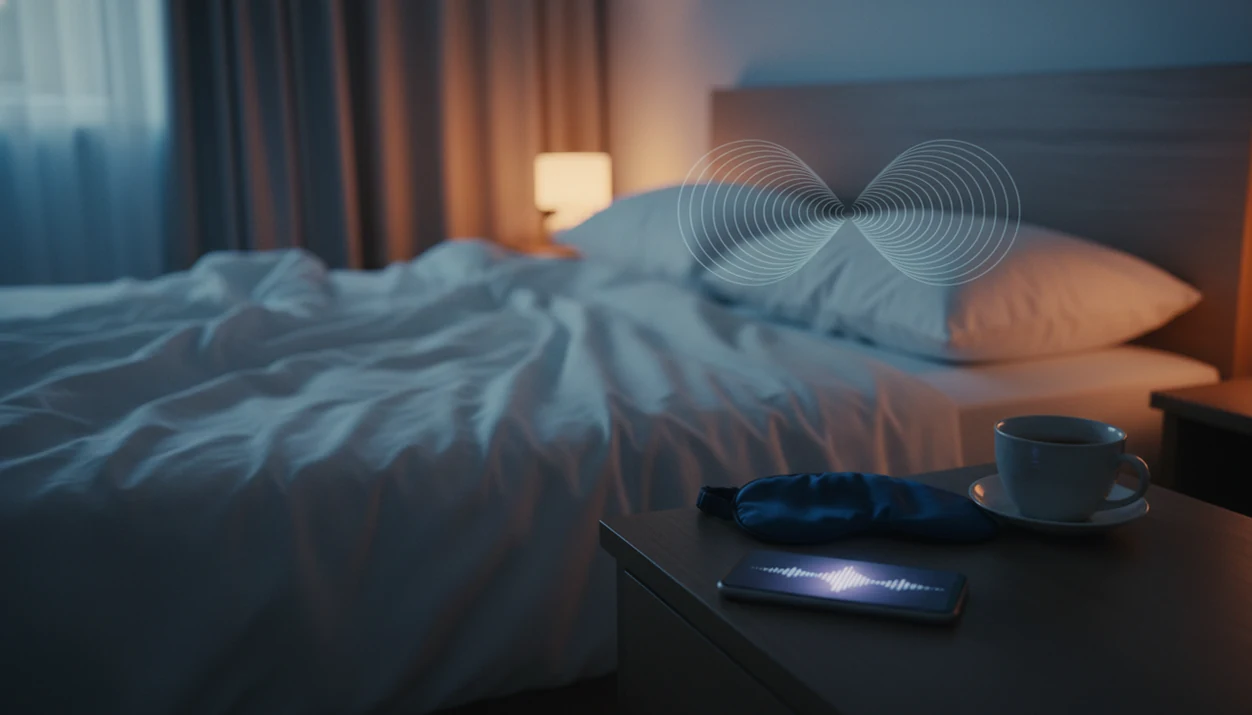


Meditation for tinnitus is a structured mindfulness practice that helps adults respond to ringing, buzzing, or hissing with less stress and emotional reactivity. It trains attention and encourages the body to settle, rather than removing the sound. Regular guided practice may make tinnitus feel less dominant and support a calmer sleep routine, but it does not cure tinnitus or guarantee silence.
The practical goal is to notice the sound without repeatedly checking it or fighting it, then return attention to breathing, body contact, or a guide’s voice. Short breath-awareness sessions, body scans, acceptance practice, and sound-supported meditation offer different starting points. Progress is better judged by reduced distress and easier daily functioning than by whether the ringing stops.
What matters most
- Meditation is best used to reduce tinnitus distress, anxiety, and sleep disruption, not to erase the sound.
- The most useful practices are short, repeatable sessions such as breath awareness, body scans, acceptance practice, and sound-supported meditation.
- MindTastik can fit as a gentle support tool for guided meditation, sleep audio, breathing exercises, and everyday calm routines.
Meditation for Tinnitus Benefits and Realistic Expectations
Meditation can reduce tinnitus-related distress, but it is not a cure and should not be framed as one. Tinnitus is the perception of ringing, buzzing, hissing, pulsing, or similar sound when no outside sound is causing it.
About 10% to 15% of adults experience tinnitus, and about 1% to 2% report severe tinnitus that affects quality of life, according to a Lancet clinical review: doi reference: S0140 6736(13)60142-7. For many people, the ringing or buzzing can feel more noticeable during stress, poor sleep, or stillness. In a quiet room with a dim light, one steady breath may offer a softer place to rest attention.
Meditation helps by changing the reaction around the sound.
What tinnitus mindfulness studies actually measured
A 2019 systematic review of mindfulness-based interventions for tinnitus included seven studies. Six reported significant reductions in tinnitus distress after therapy. Among the three randomized controlled trials, two found significantly lower distress scores immediately after treatment compared with controls. That is encouraging evidence for coping with tinnitus, but the small evidence base limits how confidently the findings can be generalized. For broader background on mindful attention, the best mindfulness books can provide reading options beyond tinnitus-focused research.
The distinction between distress and sound matters. A 2023 review of tinnitus clinical guidelines also described reduced distress immediately after mindfulness therapy. These findings support mindfulness as an additional way to manage the emotional burden of tinnitus, not as proof that it eliminates the sound or its underlying cause. They also do not establish that a general meditation app delivers the same benefits as the studied interventions.
How Meditation for Tinnitus Works in the Brain and Body
Meditation for tinnitus works by training attention, reducing threat arousal, and supporting habituation rather than by repairing hearing damage or removing the sound.
Attention training means noticing the tinnitus without repeatedly checking it, arguing with it, or scanning for whether it got louder. Slower breathing and muscle relaxation can help calm the autonomic nervous system, which is the body’s alert-and-settle system. In plain language, the body gets fewer “danger” signals. Learning how to detach without shutting down offers another way to relate to difficult feelings without suppressing them.
Habituation is the process where the brain may learn to treat a repeated signal as less important. For tinnitus, that can mean less emotional pull over time. Evidence is stronger for improving tinnitus distress, anxiety, sleep habits, and quality of life than for reducing tinnitus loudness itself; for example, a randomized trial of mindfulness-based cognitive therapy for chronic tinnitus reported improvements in tinnitus severity and psychological distress: doi reference: 000478267. For adults comparing broader options, our meditation techniques library explains the main practice styles in simple terms.
How to Use a Meditation for Tinnitus Guide Daily
A daily meditation for tinnitus guide works best when it is short, repeatable, and measured by distress reduction rather than instant silence. Start small, especially if silence makes the sound feel bigger.
- Set one practice time each day, such as after brushing your teeth or before bed.
- Choose a 5 to 10 minute guided session before trying a 20 minute body scan. Autistic adults who want more adaptable practice options can explore mindfulness for autism when choosing a comfortable starting point.
- Play gentle sound-supported meditation if a silent room makes the tinnitus feel too exposed.
- Notice the ringing, buzzing, or hissing briefly, then name it as “sound” or “hearing.”
- Return attention to breathing, body contact, or the guide’s voice without judging the detour.
- Track sleep, anxiety, focus, or distress for several weeks instead of chasing immediate quiet.
A reminder helps. So does dimming the phone screen before starting bedtime audio.
Best Meditation for Tinnitus Practices to Try First
The most practical tinnitus meditation practices are simple, guided, and easy to repeat when the sound feels intrusive. Many users begin with general sleep or anxiety meditations before choosing tinnitus-specific sessions.
- Breath awareness: Useful during panic or sudden frustration. Count a slow inhale and longer exhale, then return when the breath count disappears after four.
- Body scan: Good for muscle tension, clenched jaws, and bedtime. It moves attention through the body instead of leaving the mind alone with the sound.
- Acceptance mindfulness: Helpful when fighting the sound keeps restarting the stress loop. The goal is “I hear it, and I can still soften.” If stress around tinnitus strains a relationship, learning how to apologize effectively can support a more thoughtful conversation.
- Loving-kindness: Best for irritation and self-blame. It uses repeated phrases to lower emotional heat. For adults exploring mindfulness in intimate relationships, meditation and sex offers a separate perspective on attention and connection.
- Sleep meditation: Fits nighttime rumination, especially with earbuds on a nightstand, one side tangled around a charging cable.
Guided audio makes practice easier because the next step is spoken for you.
Meditation for Tinnitus Tips for Sleep, Anxiety, and Focus
These meditation for tinnitus tips target the moments when ringing feels hardest to ignore: bed, stress spikes, and concentration blocks.
- Tinnitus often feels more intrusive at night because the room is quieter and there are fewer competing sounds.
- Before bed, lower stimulation, use soft sleep audio, and avoid repeatedly checking whether the sound changed.
- During anxiety spikes, use shorter breathing exercises and keep your eyes open if closing them feels too intense.
- For focus, briefly label the sound as “tinnitus” or “background sound,” then return to the sentence, email, or task.
- Guided audio tools can support meditation, sleep audio, breathing exercises, and self-hypnosis sessions for adults who want sleep, anxiety, and everyday calm support.
For people comparing sleep and anxiety routines more broadly, the best meditation app for sleep anxiety guide can help separate features from hype.
Meditation for Tinnitus Apps and Digital Support
Meditation apps can support tinnitus coping by making practice easier to begin, revisit, and keep track of over time. They are not medical tinnitus treatments, but they can lower the effort of starting when someone simply wants a calm guide to help attention settle.
| App support type | What it can help with | Practical note |
|---|---|---|
| Guided sessions | Attention training and acceptance practice | Useful for beginners who do not know what to do next |
| Reminders | Daily consistency | Same-time practice builds the habit loop |
| Sleep audio | Bedtime distress and quiet-room discomfort | Keep volume comfortable and low |
| Breathing tools | Anxiety spikes | Short sessions often work better than forcing long ones |
| Progress tracking | Distress, sleep, and focus patterns | Track trends, not one bad night |
A 2019 review of tinnitus apps found that app content commonly included education, sound therapy, relaxation, and mindfulness-style components, but quality and evidence support varied widely: NIH research: PMC6380473. If a verified source URL is added, a digital tinnitus-therapy app trial may report clinically significant improvement in tinnitus-related distress after 16 weeks. Apps such as MindTastik, Calm, and Headspace may help with routines, while tinnitus-specific tools may add CBT-style education and sound therapy.
Best For and Not For Meditation for Tinnitus
Meditation for tinnitus is best for adults who want to reduce distress, sleep disruption, and rumination. It is not for people expecting instant silence or a one-time cure.
| Best for | Not ideal for |
|---|---|
| ✓ Adults whose tinnitus feels worse with stress, anxiety, poor sleep, or rumination | ✕ People expecting meditation to erase tinnitus immediately |
| ✓ Beginners who prefer guided audio and short daily practices | ✕ Anyone using meditation instead of hearing evaluation or medical assessment |
| ✓ People who want a calm evening routine with breathing and sleep audio | ✕ Sudden, one-sided, or severe tinnitus without clinical review |
| ✓ Users who can practice for several weeks and track distress | ✕ People needing CBT, audiology care, urgent care, or mental health support |
For a simple starting point, some adults prefer to download meditation app options and test one 5 minute session nightly.
Image caption suggestion: Adult using headphones for a short guided meditation while practicing calm breathing for tinnitus distress.
When to See a Doctor for Tinnitus
See a doctor for tinnitus when it starts suddenly, affects one ear, comes with new hearing loss, or feels linked to other symptoms. Meditation can support the distress around tinnitus, but it should not replace diagnosis or a hearing check.
Use the sound as information, not something to panic about. Pulsing in time with your heartbeat, dizziness, ear pain, drainage, facial weakness, numbness, severe headache, or other neurologic symptoms deserve prompt clinical review.
- Contact primary care, an audiologist, or an ENT clinician if tinnitus is new, one-sided, sudden, or paired with hearing changes.
- Seek faster medical advice if you notice dizziness, balance trouble, ear drainage, ear pain, pulsatile sounds, or neurologic symptoms.
- Use meditation as a calming support while you arrange care, not as proof that the cause is harmless.
- Get urgent help now if tinnitus triggers severe panic, overwhelming distress, or thoughts of self-harm.
- Ask about mental health support, CBT, sleep care, or anxiety treatment if the sound is taking over daily life.
A calm breathing session can help you get through the next ten minutes; the right clinician helps you understand what needs checking.
Guided sessions for tinnitus-related stress
MindTastik’s guided meditation library can provide a voice to return to when ringing keeps pulling attention away. Breathing exercises suit brief stress spikes, while body scans and sleep audio can support an evening routine. These are general coping sessions, not medical tinnitus treatments. Adults seeking tinnitus-specific therapy or help with new hearing symptoms should choose clinical assessment rather than rely on an app. A short, repeatable session is a more realistic starting point than searching for audio that promises silence.
What meditation cannot promise for tinnitus
Meditation is a supportive practice for tinnitus distress, not a treatment that reliably removes the sound. The tradeoffs matter.
- Meditation does not cure tinnitus or guarantee reduced loudness.
- Long-term evidence for lowering tinnitus loudness is limited and mixed.
- Benefits usually require steady practice over weeks or months.
- Some people feel worse in silence and may need sound-aided practice.
- Sudden tinnitus, one-sided tinnitus, hearing loss, dizziness, neurologic symptoms, or severe distress should prompt medical evaluation.
- Not all apps are evidence-informed; prefer structured education, guided practice, and clear boundaries over generic relaxation sounds alone.
- Headphones can help some people, but high volume can be unsafe or irritating.
- Meditation may sit alongside CBT, audiology care, sleep support, or medical guidance, not replace them.
Clinicians typically recommend checking tinnitus red flags before relying on self-guided coping tools.
Tinnitus meditation questions
Can meditation stop tinnitus ringing?
Meditation does not reliably stop tinnitus or cure its underlying cause. Its more realistic role is reducing the distress, tension, and repeated checking that can make the sound dominate attention. Feeling less upset by ringing can be meaningful progress even when the sound remains audible.
What type of meditation is best for tinnitus?
There is no single best practice for everyone. Breath awareness offers a simple attention anchor, a body scan shifts attention toward physical sensations, and acceptance practice addresses the struggle with the sound. Guided or sound-supported sessions are practical starting points when silence makes tinnitus feel too exposed.
How long should I meditate for tinnitus each day?
Start with a guided session of 5 to 10 minutes rather than a long silent sit. If that feels frustrating, reduce it to a few repeatable minutes. Benefits may require steady practice over weeks or months, so judge progress by distress and daily functioning rather than immediate silence.
Why does tinnitus seem louder during meditation?
A quiet room removes competing sounds, which can make tinnitus more noticeable. That does not necessarily mean the sound itself has changed. A guide’s voice or gentle background audio can provide another place to rest attention. There is no need to force a silent practice that increases distress.
Should I focus on tinnitus or try to ignore it?
Neither prolonged monitoring nor forcing the sound away is the aim. Briefly acknowledge it as sound or hearing, then return to breathing, body contact, or the guide’s voice. The practice is noticing without repeatedly checking for changes, arguing with the sound, or treating each distraction as failure.
Can meditation help with tinnitus at bedtime?
Meditation may support a calmer bedtime routine, but it cannot guarantee sleep or silence. A short body scan, relaxed breathing, or soft sleep audio can give attention something other than ringing to follow. Keep audio comfortable and low, and avoid repeatedly checking whether tinnitus has changed.
Does anxiety make tinnitus more noticeable?
Stress and anxiety can make tinnitus feel more intrusive, especially when attention keeps returning to it. Meditation targets that reaction rather than hearing damage. During an anxiety spike, a brief guided breathing practice may be easier than a long sit, and keeping the eyes open is an option.
When should tinnitus be checked by a doctor?
New, sudden, or one-sided tinnitus, especially with hearing changes, needs clinical assessment rather than meditation alone. Pulsing in time with the heartbeat, dizziness, ear pain, drainage, or neurologic symptoms also deserve prompt review. Meditation can support coping, but it should not delay a hearing check or medical evaluation.