
Mindfulness For Back Pain: A Practical Guide
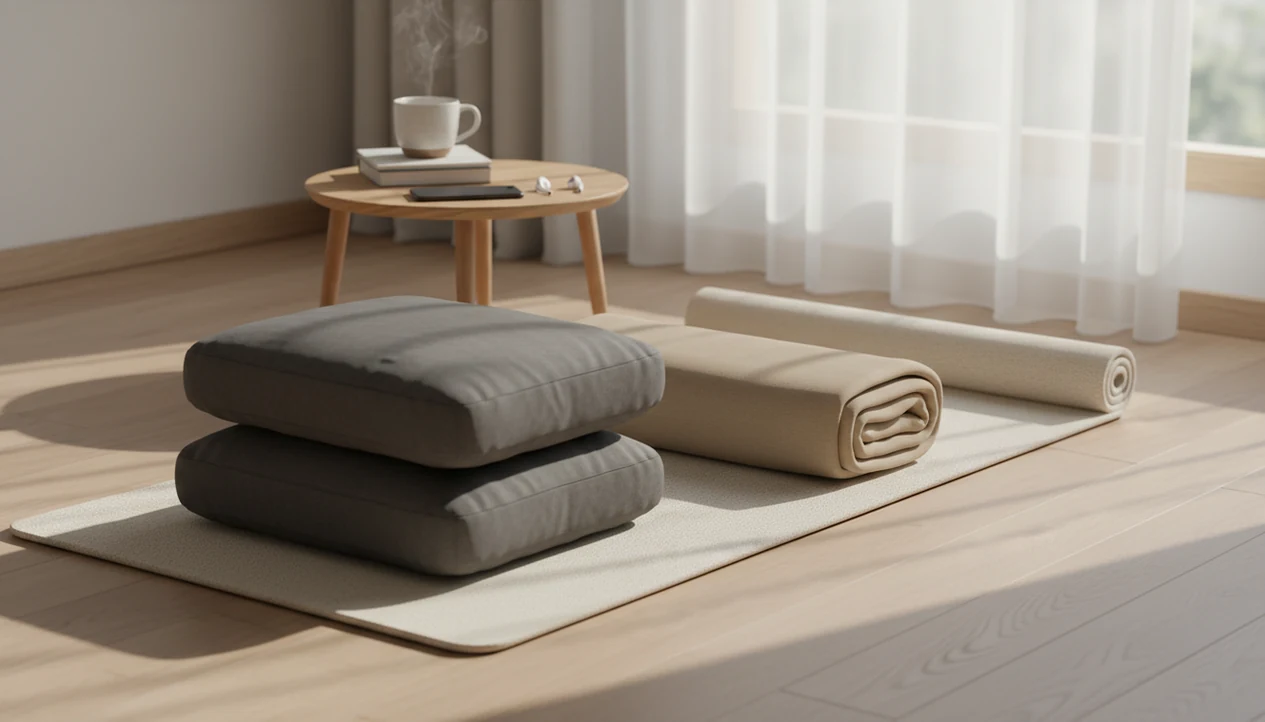


Mindfulness for back pain is the practice of noticing pain, body sensations, thoughts, and emotions with steady attention to reduce reactivity to discomfort. It may help with pain-related tension, stress, and sleep disruption, but it is not a cure or a substitute for medical care. The aim is to make pain less bothersome and daily activity more manageable, not to force sensations to disappear.
A practical starting point is a short, consistent routine using breath-focused meditation, a supported body scan, mindful walking, or gentle movement. The position and length should fit what the back tolerates that day. Mindfulness belongs alongside medical evaluation, physical therapy, exercise, ergonomic changes, or medication when those are needed.
What matters most
- Mindfulness may reduce how bothersome back pain feels and how much it interferes with daily life.
- The best practices are breath-focused meditation, body scans, mindful walking, and gentle movement done consistently.
- Use mindfulness alongside medical evaluation, physical therapy, exercise, ergonomics, or medication when those are needed.
Mindfulness for back pain guide: what it can and cannot do
Mindfulness for back pain is most useful when the goal is not “make all pain vanish,” but “change how my body and mind react to pain.” That shift matters. Less bracing, less panic, and less rumination can make daily movement feel more manageable. If pain-related irritability affects a conversation, learning how to apologize effectively can help you acknowledge hurt and repair trust.
The benefits are usually gradual. Most people need repeated practice over several weeks, not one heroic 40-minute session when pain is already loud. A 5-minute breathing practice after lunch may do more than a long session you avoid all week.
Mindfulness belongs beside appropriate care, not in place of it. Clinicians typically recommend medical evaluation for new, severe, worsening, or neurologic back pain before relying on self-guided approaches.
Tools like MindTastik, Calm, and Headspace can support guided breathing, sleep audio, and everyday calm routines, especially when it’s hard to practice alone.
How mindfulness for back pain works in the nervous system
Mindfulness for back pain works by training attention and reducing pain reactivity within the body-brain-nervous-system loop. Pain is not only a tissue signal; it is also shaped by threat detection, stress chemistry, memory, fear, and muscle guarding.
When the nervous system reads pain as danger, the body often tightens. Shoulders lift. Breathing gets shallow. Movement starts to feel risky, even when gentle movement may be safe. That loop can keep pain feeling bigger than the original signal.
Breath awareness and body scanning give the brain a steadier input. You notice “tight,” “warm,” “sharp,” or “dull” without immediately clenching against it. The aim is not to approve of pain. It is to reduce the alarm around it.
For people waking before dawn and bracing for the day ahead, calming the body can also support rest and ease anxiety around tomorrow’s back pain.
Evidence for mindfulness for back pain and chronic pain relief
Research supports mindfulness as a helpful option for some people with chronic back pain, but the effect is not guaranteed and should not be oversold.
- A 2016 randomized clinical trial studied 342 adults with chronic low back pain and compared mindfulness-based stress reduction, cognitive behavioral therapy, and usual care JAMA Internal Medicine study: 2518219.
- At 26 weeks, 60.5% of people in the mindfulness group had clinically meaningful functional improvement, compared with 44.1% receiving usual care.
- In the same trial, 43.6% of the mindfulness group had meaningful improvement in pain bothersomeness, compared with 26.6% receiving usual care.
- A 2016 systematic review and meta-analysis of 38 randomized controlled trials found moderate evidence that mindfulness meditation programs improved pain symptoms across chronic pain conditions NIH research: PMC4940234.
- Evidence supports meaningful but not certain improvement, especially when practice is structured and repeated.
For chronic back pain, mindfulness usually works best as a supportive skill combined with movement, sleep care, stress management, and medical guidance when needed.
What larger reviews say about back pain relief
Results from a single trial need context. A 2022 review of 12 randomized trials involving 1,153 participants found small average improvements in chronic low-back-pain intensity, pain bothersomeness, and quality of life with meditation-based therapies compared with nonmeditation therapies. That supports mindfulness as an additional coping option, but not a promise of substantial pain relief. An average benefit also does not predict how much any one person will improve.
Confidence in lasting benefit remains limited. A 2024 review of mindfulness-based interventions for low back pain reported apparent improvements in pain intensity, while highlighting small studies, differences between interventions, and risk of bias. Many studies relied on before-and-after comparisons without establishing that benefits persisted. The practical conclusion is modest: mindfulness may help, but expectations should remain realistic, and necessary back-pain care should continue.
Before you start mindfulness for back pain
Before you start mindfulness for back pain, make sure the practice is safe, supported, and short. Mindfulness should lower the alarm around pain, not persuade you to ignore symptoms that need care.
- Check for warning signs first. If pain is new, severe, worsening, linked to trauma, or paired with fever, weakness, numbness, unexplained weight loss, or bowel or bladder changes, get medical advice before relying on self-guided practice.
- Choose a supported position. Sit with your back supported and feet grounded, or lie down with pillows under the knees. Skip any posture that increases pain before you even begin.
- Set a short timer. Start with 2 to 5 minutes, especially during a flare. The goal is awareness and settling, not proving how long you can stay still.
- Keep your current care unchanged. Continue prescribed medication, mobility aids, physical therapy instructions, braces, or clinician advice unless your clinician tells you otherwise.
- Stop or adjust if symptoms intensify. Change position, open your eyes, shorten the session, or stop completely if pain spreads, sharpens, or brings new neurologic symptoms.
Best mindfulness for back pain practices to start with
The most useful mindfulness for back pain practices are simple, repeatable, and easy to modify when pain changes. Start with one method, then rotate based on what your back allows that day.
Breath-focused meditation
Breath-focused meditation helps calm pain-related tension without asking you to analyze every sensation. Try slow breathing for 3 to 5 minutes, with one hand resting lightly on the belly or ribs.
Body scan meditation
A body scan helps you notice sensations without instantly bracing. Move attention from feet to head, naming what is present. Tight. Warm. Pulling. Neutral counts too.
Mindful walking and movement
Mindful walking can reduce fear of movement by making each step slow, observed, and adjustable. Gentle mindful movement should be paced, never forced into a stretch that feels threatening.
Short guided audio sessions can also make consistency easier. If you’re new, a basic how to meditate guide can help you choose a starting point.
How to use mindfulness for back pain during a flare
Use mindfulness during a flare as a short reset, not a test of endurance. The aim is to lower the alarm enough to choose the next safe action.
- Set up support. Lie on your back with knees supported by pillows, or sit with lumbar support and both feet grounded.
- Choose a short window. Start with 2 to 5 minutes instead of forcing a long meditation.
- Breathe slowly. Let the exhale soften, but don’t try to make the pain disappear.
- Name sensations neutrally. Use plain labels such as tight, warm, sharp, dull, pulsing, spreading, or heavy.
- Widen attention. Notice the mattress, chair, room temperature, or sounds around you so pain is not the only signal. If persistent ringing also draws your attention, meditation for tinnitus offers practices for responding more calmly to the sound.
- Return to one next action. Stand, walk, rest, stretch gently, take prescribed medication, or contact a clinician if symptoms are concerning.
Even a small drop in alarm can help you make a safer next choice instead of freezing, over-stretching, or doom-scrolling through the flare.
If you want a broader menu of short practices, our mindfulness exercises and techniques guide gives options beyond sitting still.
Mindfulness for back pain tips for sleep and anxiety
Can mindfulness help back pain when sleep and anxiety make everything feel worse? It may help by reducing rumination, easing muscle guarding, and giving the mind something steady to follow when discomfort spikes at night.
Poor sleep can increase pain sensitivity the next day. A 2022 review in the Journal of Clinical Sleep Medicine describes a bidirectional relationship between sleep disturbance and chronic pain, with poor sleep linked to greater next-day pain sensitivity jcsm reference: jcsm.9788. Anxiety can do the same by keeping the nervous system on alert. That is why bedtime practice should be short and low-effort. Try a 5-minute body scan, a slow breathing track, or a gentle awareness practice before reaching for another scroll.
Audio guidance helps when you’re tired. A phone with a short session in a quiet room can feel more doable than trying to meditate in silence.
Meditation apps for sleep, anxiety, and everyday calm can deliver guided sessions, breathing exercises, and wind-down routines, not diagnosis, cure claims, or replacement medical care. MindTastik includes sleep audio, breathing exercises, and self-hypnosis sessions that may support a calmer routine around pain.
For bedtime structure, pair practice with basic sleep hygiene.
Mindfulness for back pain users: chronic pain fit, sleep loss, and red flags
Mindfulness fits best when back pain is chronic or recurring, especially if stress, sleep loss, anxiety, or fear of movement make symptoms feel harder to manage. It is not the right first step for red-flag symptoms that need medical assessment. The American Academy of Family Physicians lists red flags such as trauma, fever, progressive neurologic deficit, and bowel or bladder dysfunction as reasons for urgent evaluation in low back pain aafp reference: p343.html.
| Situation | Best for | Not ideal for |
|---|---|---|
| Chronic or recurring back pain | People who want less reactivity and better function | People expecting instant pain elimination |
| Sleep disruption | Short bedtime breathing or body scans | Severe sleep loss without broader support |
| Movement fear | Mindful walking and paced movement | Avoiding all movement without clinical advice |
| New or severe symptoms | Medical evaluation first | Sudden severe pain, trauma, fever, weakness, numbness, bowel or bladder changes |
| Trauma or severe mental health symptoms | Adapted, clinician-guided mindfulness | Forcing inward attention without support |
For people with pain-related anxiety, a meditation app for anxiety support may help with short resets. Still, red flags come first. No app should talk you out of getting checked.
Common mindfulness for back pain mistakes that make practice harder
Common mindfulness mistakes can make back pain practice feel harder than it needs to be. The biggest one is forcing a posture that your body already dislikes.
You do not need to sit cross-legged on the floor. A chair, bed, couch, or supported lying position is allowed. If your back is yelling before the meditation begins, the setup is wrong.
Another mistake is treating mindfulness like a pain tolerance contest. That often leads to more bracing, not less. The practice is noticing and softening around what is safe to soften around. When pain fuels rumination, learning how to detach without shutting down can help you step back while acknowledging discomfort.
Many people also stop after one or two sessions. Fair enough, it can feel boring at first. But research programs usually involve repeated practice over weeks.
Choose short guided sessions when motivation is low. Tools such as MindTastik or a simple timer can reduce the planning burden, especially on flare days.
Guided breathing for pain-related tension
MindTastik’s guided breathing exercises can provide a simple focus when back discomfort brings tension or worry. Its guided meditation library is another option for adults who prefer spoken instructions to silent practice. These sessions support a coping routine, not diagnosis or treatment. People needing an assessed movement plan, help with worsening symptoms, or a structured clinical pain program should choose appropriate professional care instead.
What mindfulness cannot treat in back pain
Mindfulness for back pain has real limits, and those limits matter for safety. It can support pain coping, but it does not replace diagnosis, emergency care, physical therapy, medication, or clinician guidance when those are needed.
If pain is new, severe, spreading down the leg, linked to trauma, or paired with numbness, weakness, fever, unexplained weight loss, or bowel or bladder changes, treat mindfulness as a pause button only. Get medical advice before using self-guided practice as your main plan.
- Mindfulness is not a stand-alone medical treatment for back pain.
- Benefits are usually modest, gradual, and not guaranteed for every person.
- It does not correct structural problems that may need specific medical intervention.
- New, severe, worsening, or neurologic back pain needs medical assessment.
- Weakness, numbness, fever, trauma, unexplained weight loss, or bowel and bladder changes should be taken seriously.
- Some people with trauma history, severe depression, panic symptoms, or certain mental health conditions may need adapted or clinician-guided mindfulness.
- Poor posture, forced stretching, long stillness, or ignoring pain signals can aggravate symptoms.
- Mindfulness can reduce distress around pain, but it may not reduce pain intensity enough on its own.
The most common medically supported way to manage persistent back pain is a combined plan that may include movement, education, sleep support, stress reduction, and appropriate clinical care.
Mindfulness and back pain questions
Can mindfulness actually reduce chronic lower back pain?
It can help some people, but average improvements in research reviews are small. Benefits may include less bothersome pain and better daily function, rather than pain disappearing. Results vary, and the evidence has limitations. Mindfulness is best treated as an addition to an appropriate back-pain plan, not a replacement.
How long should I meditate for back pain?
Start with 2 to 5 minutes in a supported position. Short, repeatable sessions are more practical than a long session that increases discomfort or gets avoided. Benefits usually require repeated practice over several weeks. There is no need to extend a session simply to tolerate more pain.
What is the best meditation position for lower back pain?
A chair with back support and feet on the floor, or lying down with pillows under the knees, can be a useful starting point. Sitting cross-legged is not required. Choose a position that does not increase pain before practice begins, and change position or stop if discomfort grows.
What if a body scan makes me focus too much on back pain?
A body scan does not need to stay on the painful area. Briefly notice the sensation, then broaden attention to the feet, hands, contact with the chair, or sounds in the room. Breath awareness is another option. The purpose is steadier attention, not prolonged concentration on the most uncomfortable spot.
Should I meditate during a back pain flare?
A short practice may help during a familiar flare without warning signs. Use support, keep the session brief, and notice breathing or surrounding sounds rather than trying to endure pain. New, severe, worsening, or unusual symptoms need medical advice. Mindfulness should help with the next safe action, not delay assessment.
Can meditation make back pain worse?
An uncomfortable posture or an overly long session can increase discomfort and bracing. Treating meditation as a pain-tolerance exercise can also make practice harder. Adjust the support, shorten the session, or stop. Worsening pain should not be dismissed as part of learning mindfulness, especially when other symptoms appear.
Can mindfulness help when back pain keeps me awake?
It may help reduce bedtime rumination and pain-related tension, but it cannot guarantee sleep or remove the cause of pain. A brief, low-effort breathing practice or supported body scan is a reasonable option. Avoid turning bedtime meditation into another task that requires perfect concentration or complete relaxation.
When does back pain need medical care instead of meditation?
Seek medical advice for new, severe, worsening, or trauma-related pain, particularly with fever, unexplained weight loss, numbness, or weakness. Bowel or bladder changes and progressive neurological symptoms require urgent evaluation. A calming practice may provide a brief pause, but it must not replace or postpone assessment of these warning signs.