
Is Mindfulness Good for Health? Benefits, Limits, and Simple Steps
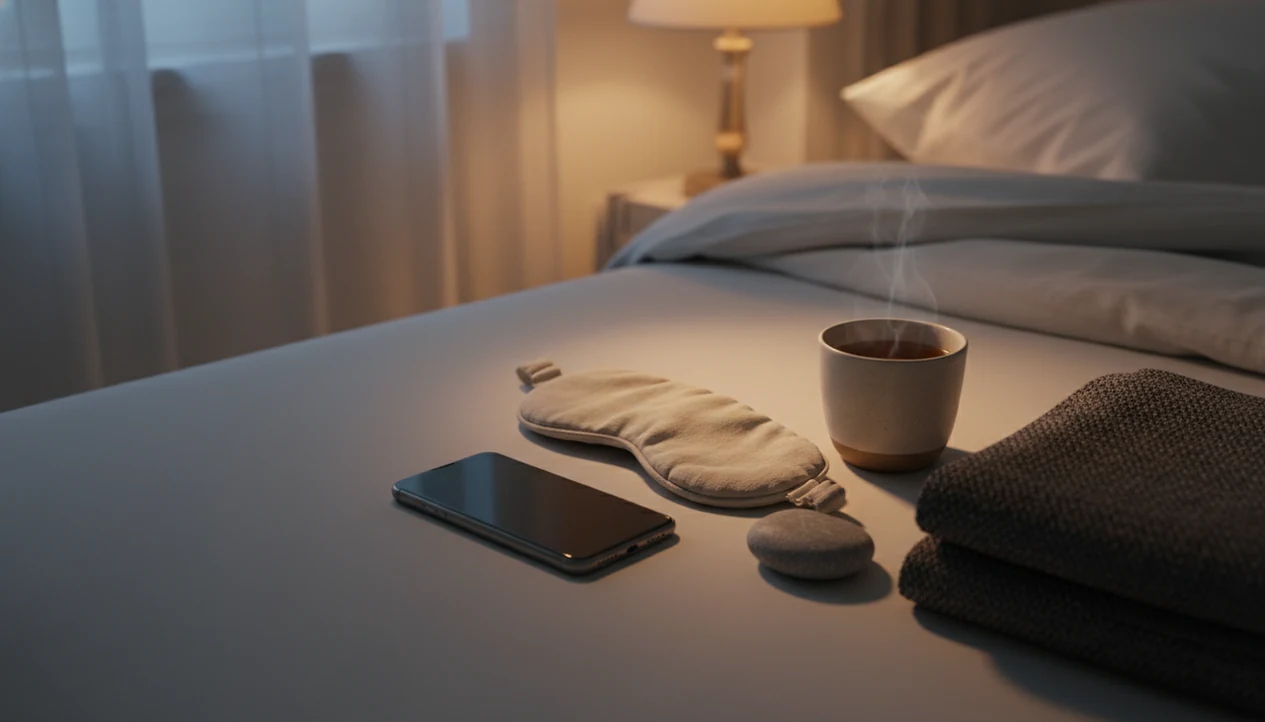


Mindfulness can be good for health, particularly as support for stress, anxiety, sleep, mood, and pain-related coping, but it is not a cure-all or a replacement for medical care. Mindfulness means paying attention to the present moment with openness and less judgment. The anchor can be breathing, body sensations, sounds, or thoughts; the aim is to notice what is happening, not force the mind to go blank.
For beginners, short daily sessions of 1 to 10 minutes are often easier to maintain than long, irregular practice. Breathing exercises, body scans, and guided audio offer concrete ways to begin. The useful distinction is between helping someone cope with symptoms and treating the condition itself. Significant or worsening symptoms still need clinical care.
Health benefits at a glance
- Mindfulness has the strongest support for stress, anxiety, sleep, mood, and some pain-related coping.
- Short daily sessions of 1-10 minutes often work better for beginners than long, irregular practice.
- Guided audio can support the habit with meditation, sleep audio, breathing exercises, and self-hypnosis sessions, but it should not replace clinical care when symptoms are significant.
Is Mindfulness Good for Health? The Evidence-Based Answer
Yes, mindfulness can be good for health, especially as support for stress, anxiety, sleep, mood, and everyday calm. The evidence is strongest for symptom support and coping, not for curing disease or replacing treatment.
A 2014 JAMA Internal Medicine meta-analysis found mindfulness meditation programs produced small to moderate reductions in anxiety and depression symptoms versus usual care, based on 47 trials and 3,515 participants JAMA Internal Medicine study: 1809754. The National Center for Complementary and Integrative Health also reports that mindfulness meditation may help anxiety, depression, and pain, with less clear effects for many other outcomes NCCIH mindfulness overview: mind and body approaches for anxiety and anxiety disorders science.
That can matter when the room is quiet and your attention keeps circling the same concern. Mindfulness does not ask you to erase those thoughts. It teaches you to notice them, soften your reaction, and return to a steady anchor.
Physical health benefits: small improvements in chronic pain
Pain research supports a narrower claim than general promises of better health. A 2016 review of 30 randomized trials found a small average improvement in pain symptoms with mindfulness meditation, but rated the evidence as low quality. A 2022 review of 12 trials involving 1,153 participants also found small improvements in chronic low-back-pain intensity, pain bothersomeness, and quality of life compared with nonmeditation therapies.
Those findings do not establish that mindfulness cures the cause of pain or works equally well for every condition. A 2024 review of mindfulness for chronic low-back pain cautioned that studies varied considerably, were often small, and sometimes had a high risk of bias. Lasting effects were not consistently demonstrated. The practical role is additional symptom and coping support within a care plan, not a reason to stop treatment or ignore worsening pain.
Scope and Safety Disclaimer
Mindfulness is a supportive wellness practice, not a way to diagnose, treat, or cure a medical or mental health condition. Its clearest role is helping some people manage symptoms, build coping skills, and relate differently to stress, worry, discomfort, or sleeplessness.
Use it as one part of a broader care plan, especially if you already have an active condition, take medication, see a therapist, or are following medical instructions. A guided breathing session can be useful before bed or during a hard afternoon, but it should not overrule a clinician who knows your history. If someone close to you provides ongoing care, learning how to support a caregiver can turn awareness into practical help.
- Follow your clinician’s guidance for diagnosed conditions, medication changes, therapy plans, sleep disorders, pain, pregnancy concerns, or any symptom that is new or worsening.
- Use mindfulness as support for coping, calming, self-awareness, and routine-building rather than as a stand-alone treatment.
- Pause the practice if it makes you feel more distressed, panicked, detached, unsafe, or unable to function.
- Seek immediate professional support for crisis symptoms, suicidal thoughts, self-harm urges, chest pain, severe confusion, danger to yourself or others, or any situation that feels unsafe.
Five Mindfulness for Health Facts Beginners Should Know
- Mindfulness is trainable. It is an attention skill, not a religion, personality trait, or sign that you are naturally calm.
- The most consistent benefits are practical. Research support is strongest for stress, anxiety symptoms, sleep wind-down, mood support, and focus.
- Wandering thoughts are normal. If your mind keeps planning tomorrow’s errands, the session has not failed.
- Small practice usually beats heroic practice. For beginners, one to ten minutes daily is often easier to repeat than one long session on Sunday.
- Mindfulness supports care, but it is not medical care. It should not replace therapy, prescribed medication, crisis support, or advice from a qualified clinician.
Per the CDC, 14.2% of U.S. adults reported practicing meditation in the past 12 months in 2017 CDC guidance: db325.htm. That does not mean every person benefits the same way. It does show that meditation and mindfulness are now common health-support habits, not fringe routines.
The pocket timer will still feel strange at first.
How Mindfulness Works for Stress, Sleep, and Anxiety Support
Mindfulness works by training attention, reducing reactivity, and improving body awareness. In plain language, you notice where your mind went, return to an anchor, and create a small pause before reacting.
The attention loop is simple: notice, return, repeat. Your anchor might be breath, sound, body sensation, or a guided voice. That repetition can help you spot early stress cues, such as a tight jaw, shallow breathing, or a clenched stomach before a meeting.
For anxiety, mindfulness can help you observe worry thoughts without immediately arguing with them or following every “what if.” For sleep, it can lower mental arousal by giving the mind one quiet task before bed. Cool sheets against restless legs may still be there, but the practice gives your attention somewhere steadier to rest.
For many beginners, guided mindfulness is easier than silent practice because the next instruction arrives before frustration takes over.
How to Use Mindfulness for Health in 6 Simple Steps
To use mindfulness for health, start tiny, repeat it daily, and judge success by returning to practice, not by feeling calm every time. For beginners, a short guided session is often easier than silent meditation because it removes guesswork.
- Set a tiny daily target. Start with 1-5 minutes, not a full half-hour.
- Choose one trigger. Use waking up, lunch break, bedtime, or an anxious moment as your cue. When your routine changes, practicing mindfulness on vacation can help you keep a simple daily pause away from home.
- Pick one anchor. Try breath, body sensation, sound, or a guided meditation.
- Notice thoughts without judging them. Let “I’m bad at this” be just another thought.
- Return gently each time. Coming back is the practice, even if you do it twenty times.
- Review after one week. Keep the same length, shorten it, or increase only if it feels manageable.
Guided tools can help by offering meditation, sleep audio, breathing exercises, and self-hypnosis sessions in one place. If you want a fuller beginner walkthrough, the how to meditate guide covers posture, anchors, and session length.
Mindfulness Health Use Cases: 6 Best Fits and 5 Boundaries
Mindfulness fits best as a supportive daily practice, especially when stress, sleep, mild anxiety, or focus are the main goals. It is not appropriate as a stand-alone response to severe symptoms, emergencies, or medical decisions.
| Best for | Not for |
|---|---|
| Stress resets | Emergency mental health care |
| Mild anxiety support | Replacing therapy |
| Sleep wind-down | Treating severe insomnia alone |
| Focus breaks | Curing chronic disease |
| Emotional awareness | Stopping prescribed medication |
| Everyday calm habits | Ignoring worsening symptoms |
A good meditation app for sleep anxiety and everyday calm delivers repeatable guided practice and structure, not diagnosis, crisis care, or guaranteed symptom relief.
App-based mindfulness support fits best in everyday calm, sleep, anxiety support, and beginner meditation categories. People comparing app-based routines may also want a best meditation app for sleep anxiety guide before choosing where to start.
7 Daily Micro-Habits for Mindfulness Health Practice
Daily mindfulness works better when it is attached to something you already do. One to ten minutes after brushing teeth, during a commute, before tea, at bedtime, or between work blocks is enough to build the habit.
Bedtime mindfulness cue
Dim the phone screen before starting bedtime audio, then choose the same short body scan for a week. If sleep is the goal, pair mindfulness with basic sleep hygiene, such as a consistent wake time and less late-night scrolling.
Anxiety pause cue
Use one breathing exercise before opening messages, entering a meeting, or making a difficult call. Noticing shoulder tension and letting the shoulders relax during an elevator ride is one brief way to practice.
Work focus cue
Take five slow breaths before switching tasks, then name the next action out loud. Consistency matters more than a perfectly calm session, especially after difficult days. Notice what gives and drains energy throughout your day, then adjust small habits to support a steadier routine.
Try anyway. Short counts.
Mindfulness for Health Guide to 5 Common Beginner Mistakes
The most common mindfulness mistake is trying to empty the mind. A better goal is to notice thoughts, let them be present, and return to the anchor without turning the session into a fight.
Another mistake is judging a session as failed because thoughts appeared. Thoughts are part of the material. The skill is the return. If self-doubt keeps interrupting practice, these tips for becoming more confident offer ways to build trust in yourself.
Beginners also tend to practice only when already overwhelmed. That makes mindfulness feel like an emergency tool instead of a everyday calm habit. A two-minute session on an ordinary afternoon builds the pathway before you need it.
Long sessions too soon can backfire. Knees tucked under a throw blanket and one eye peeking at the timer is familiar for a reason.
Finally, mindfulness may not feel relaxing every time. Some sessions feel neutral, emotional, restless, or uncomfortable, especially at first. If you want more options, mindfulness exercises and techniques can help you compare breath, sound, body scan, and grounding practices. Remembering that everything is temporary, good and bad may help you meet changing feelings with less judgment.
MindTastik Support for Mindfulness, Sleep, Anxiety, and Everyday Calm
MindTastik offers wellness-focused guided sessions, calming sleep audio, breathing exercises, and self-hypnosis practices for adults looking for support with rest, anxious moments, and everyday calm. It is practice support, not medical treatment.
An app can help because it gives structure when your brain does not want to plan. You can choose guided meditation for beginners, sleep audio for bedtime, breathing exercises for anxious moments, or self-hypnosis for relaxation routines. The benefit is not magic. It is repetition, reminders, and fewer decisions.
Many people are looking for a calm voice they can start when the mind feels crowded and unsettled. That is where guided audio can be useful. If you prefer app-based support for anxious moments, a meditation app for anxiety support can help you compare calming features without treating it as therapy.
When to Seek Professional Help
Seek professional help when anxiety, panic, depression, trauma symptoms, or thoughts of suicide feel intense, persistent, or unsafe. Mindfulness can support coping, but it should not be the only plan when symptoms are worsening or disrupting daily life.
Call a licensed clinician, therapist, prescriber, or primary care provider if you are missing work or school, avoiding important parts of life, having frequent panic attacks, feeling numb or hopeless, reliving traumatic events, or struggling to sleep and function. If you take medication, do not stop, skip, or change the dose because a mindfulness routine seems helpful; ask the prescriber who knows your history.
- Pause self-directed practice if meditation makes you feel more panicked, detached, overwhelmed, or unsafe.
- Contact a licensed professional when symptoms increase, last longer than expected, or interfere with relationships, work, sleep, or basic care.
- Follow medication guidance from your prescriber before making any change.
- Get emergency help now if you may hurt yourself or someone else, have a plan for self-harm, feel unable to stay safe, or are in immediate danger.
Guided practice for stress and bedtime routines
MindTastik’s guided meditation library suits adults who want a spoken guide for brief mindfulness practice rather than sitting in silence. Breathing exercises can support a pause during anxious moments, while sleep stories and soundscapes offer options for winding down at bedtime. These sessions provide practice support, not medical treatment. People seeking help for severe anxiety, persistent insomnia, or worsening mood should prioritize professional assessment rather than rely on an app.
What mindfulness cannot treat on its own
Mindfulness has real limits, and those limits matter. Clinicians typically recommend professional assessment when symptoms are severe, worsening, unsafe, or interfering with daily life.
- Mindfulness is not proven to cure chronic disease, severe depression, panic disorder, or insomnia on its own.
- Benefits vary by person and may require regular practice over weeks, not one impressive session.
- Some people feel frustrated, restless, emotional, or more aware of discomfort at first.
- More meditation is not automatically better. Shorter sessions may be safer and more sustainable for beginners.
- People with severe trauma, intense anxiety, suicidal thoughts, or worsening symptoms should seek professional support.
- Mindfulness should not replace prescribed medication, therapy, medical advice, or crisis care.
- The JAMA Internal Medicine review found a small improvement in pain symptoms, so pain-related claims should be framed as coping support, not cure.
If practice makes you feel worse, pause and get help. That is not failure. That is information.
Breathing, body scans, and walking: options by time and goal
| Technique | Best for | Minutes |
|---|---|---|
| Box breathing | quick reset before a busy task | 3-5 min |
| Guided body scan | evening tension and body awareness | 10-15 min |
| Mindful walking | restless energy and daytime calm | 5-20 min |
Mindfulness and health questions
What health benefits does mindfulness have?
Mindfulness may support stress management, anxiety symptoms, mood, sleep wind-down, and coping with pain. These are symptom-support benefits, not proof that it prevents or cures disease. Pain reviews have found small average improvements, with limitations in study quality and uncertainty about how long benefits last.
Can mindfulness help with anxiety?
Mindfulness can help some people notice worry without immediately following every thought or reacting to it. A short guided practice gives attention a place to return, such as sound or breathing. Persistent anxiety, frequent panic attacks, or symptoms that disrupt daily life need professional assessment, not mindfulness alone.
Does mindfulness help with sleep?
Mindfulness can support bedtime wind-down by giving attention a simple anchor instead of continuing to plan or worry. A body scan or guided session may fit that purpose. It is not a stand-alone treatment for severe insomnia, and it cannot resolve sleep problems caused by noise, pain, caffeine, or an irregular schedule.
How many minutes of mindfulness should beginners do each day?
A practical starting point is 1 to 5 minutes daily, with sessions of up to 10 minutes if that feels manageable. Consistency matters more than making each session long. Linking practice to an existing routine, such as lunch or bedtime, can make it easier to repeat without treating calm as a pass-or-fail result.
Can mindfulness make someone feel worse?
Some people feel more restless, emotional, frustrated, or aware of discomfort during practice. Longer sessions are not automatically better. A shorter session or a different anchor may be more manageable. If practice feels unsafe or symptoms worsen, professional guidance is more appropriate than pushing through or increasing meditation time.
Can mindfulness reduce chronic pain?
Research suggests small average improvements in chronic pain symptoms, including low-back pain, but the evidence has important limits. Studies differ in their methods and quality, and lasting benefits are uncertain. Mindfulness is best understood as additional support for symptoms and coping, rather than a cure for the underlying cause of pain.
Can mindfulness replace therapy or medication?
No. Mindfulness is a supportive practice, not a substitute for prescribed medication, therapy, or medical assessment. It can be included in a broader care plan when appropriate. Feeling better after meditation is not a reason to stop or change medication; those decisions belong with the prescriber who knows the person’s history.