
Being Alone vs Being Lonely: The Practical Difference
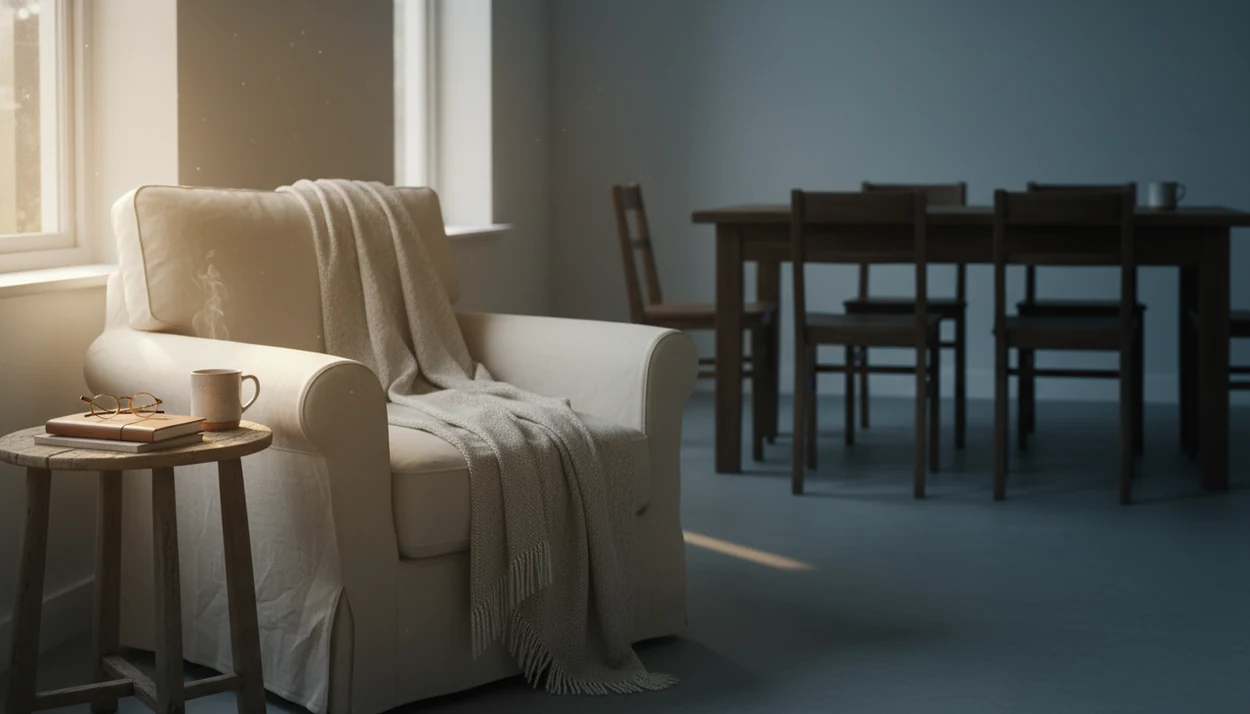


Being alone vs being lonely is the difference between a physical state and an emotional one: being alone means being by yourself, while loneliness means feeling disconnected, unseen, or unsupported. Being alone is neutral. It can offer rest, creativity, meditation, and self-reflection. Loneliness is distressing because the connection available does not match the connection a person needs.
A quiet evening can feel restorative, while a crowded family dinner can feel lonely. As NIH explains about social bonds, frequent contact does not guarantee emotionally satisfying relationships. The useful question is not simply how many people are nearby, but what is missing: quiet, reassurance, belonging, or conversation. Breathing, guided meditation, and journaling can support reflection; unmet connection also calls for contact with other people.
The key distinction
- Being alone is not automatically a problem; it can support rest, creativity, meditation, and self-reflection.
- Loneliness is emotional disconnection and can happen even with friends, family, coworkers, or social media activity around you.
- Short practices like breathing, guided meditation, journaling, and one small connection step can help turn alone time into healthier solitude.
Being Alone vs Being Lonely: The Core Difference
Being alone is a neutral physical state of not being with other people. Loneliness is an emotional state where you feel disconnected, unsupported, or unseen.
You can eat lunch solo and feel completely fine. You can stay in on Friday night, read for an hour, and feel restored. That is being alone without loneliness. The room is quiet, but it does not feel empty.
Loneliness is different. It can show up while you are in a group chat, at a family dinner, or sitting beside coworkers who only know the surface version of you. You may be surrounded by people and still feel like nobody really notices what is happening inside.
For many people, the clearest sign is not the number of people nearby. It is whether connection feels real, safe, and meaningful.
Five Being Alone vs Being Lonely Facts People Miss
These five facts explain why the difference matters without turning loneliness into a personal failure.
- Being alone is physical. It means no one else is with you right now, such as walking home alone or spending an evening by yourself.
- Loneliness is emotional. It means your need for meaningful connection, reassurance, or belonging is not being met.
- Solitude can be healthy. Intentional alone time can support rest, creativity, self-reflection, meditation, and focus.
- Loneliness has health links. Research connects chronic loneliness with anxiety, depression risk, poor sleep, cardiovascular risk, and mortality outcomes.
- Support can be small. A single text, a short breathing practice, or a planned call can be a practical first step.
Per the CDC/NCHS, 27% of adults aged 18-24 reported feeling lonely most or all of the time in 2023, compared with 17% of adults overall (CDC guidance). A 2015 meta-analysis in Perspectives on Psychological Science found that social isolation, perceived loneliness, and living alone were each associated with higher early death risk (doi reference: 1745691614568352).
That sounds heavy. Still, it is information, not a verdict.
Alone, Lonely, and Solitude: A Simple Comparison Table
Being alone, being lonely, and solitude are related, but they are not the same experience. The table below gives you a quick way to name what is happening.
| State | What it means | How it feels | Common signs | Helpful next step |
|---|---|---|---|---|
| Being alone | You are physically by yourself | Neutral, calm, boring, or peaceful | Quiet room, solo meal, no one nearby | Notice whether you want rest or connection |
| Being lonely | You feel emotionally disconnected | Heavy, unseen, left out, or unsupported | Rumination, sadness, scrolling, craving reassurance | Take one connection step or seek support |
| Nourishing solitude | You choose alone time with purpose | Grounding, creative, reflective, restorative | Journaling, walking, meditating, focused work | Protect the time and keep it warm |
Meditation can support solitude by giving alone time a gentle structure. It cannot replace real human connection, though.
How Being Alone vs Being Lonely Works
Being alone vs being lonely works by separating physical distance from emotional disconnection. You can be alone in a room and feel safe, or be surrounded by people and still feel painfully unseen.
The experience changes when choice, safety, and control change. Chosen alone time often feels like solitude because you can decide when it starts, what it is for, and when to reconnect. Unwanted isolation can feel very different, especially if you do not feel emotionally safe or have no clear way to reach support. Loneliness can also happen around friends or coworkers when conversation stays shallow, roles feel performative, or you sense that your real needs would not be welcomed.
Your nervous system may respond to that disconnection with arousal, which simply means the body becomes more alert or unsettled. That does not mean every lonely moment is medically dangerous. It means context matters. The next section looks more closely at how those signals can show up in the brain, body, sleep, and attention.
Being Alone vs Being Lonely Effects in the Brain and Body
Being alone feels different from being lonely because the nervous system reads context, safety, memory, and relationship cues. In plain language, your body asks, “Am I safe here, or am I cut off?”
Chosen solitude can reduce stimulation. Fewer notifications, fewer social demands, and fewer background conversations may help self-regulation, creativity, and focus. Some people finally notice their own thoughts when the room gets quiet.
Unwanted disconnection can do the opposite. It may activate threat responses, rumination, anxiety, and sleep disruption. In the dark, a quick glance at the time can feel especially sharp when you notice you are awake, unsettled, and still caught in the same loop. When thoughts keep circling, practice finding calm without overthinking by returning attention to your breath and immediate surroundings.
Loneliness can also persist in social settings when relationships feel shallow, unsafe, or unsupportive. Breathwork, meditation, and body awareness do not erase that need. They can help you notice the state you are in before you choose the next step.
Five Steps to Use Being Alone vs Being Lonely Awareness
Use this process when you are unsure whether you need quiet, comfort, movement, or connection. For many people, naming the state is easier than trying to fix the whole evening. If the whole day feels scattered, try a one-day life reset to choose a few manageable priorities.
- Pause and name whether you are physically alone, emotionally lonely, or both.
- Scan your body for anxiety, heaviness, restlessness, numbness, or calm.
- Ask what is missing right now: rest, stimulation, reassurance, belonging, sleep, or conversation.
- Choose one support action such as breathing, journaling, messaging someone, taking a walk, or starting a guided session.
- Review after 10 minutes and adjust without self-judgment.
For bedtime or beginner practice, a simple how to meditate guide can make the first step less vague.
For someone who feels emotionally flooded, a short body scan is often easier than silent meditation because it gives attention a place to land.
Turn one message into regular, meaningful contact
One message can start a conversation, but regular contact gives connection a place in everyday life. The National Institute on Aging recommends scheduling time to stay in touch and talking with trusted people about feelings. A practical next step is to agree on a repeatable arrangement: a weekly call, a shared lunch, or a walk with a neighbor. Choose something both people can realistically maintain.
Frequency is only part of the picture. WHO describes social connection through contact, support, and relationship quality, including whether interactions are satisfying or strained. After a conversation, consider whether there was room to speak honestly, listen, and exchange support. If contact repeatedly leaves someone feeling dismissed, filling the calendar with more of the same may not address the loneliness. A more supportive relationship may matter more than a busier social schedule.
Being Alone vs Being Lonely Tips for Sleep, Anxiety, and Focus
Solo time becomes more manageable when it has structure, warmth, and a clear purpose. These being alone vs being lonely tips are small enough to try before you decide the whole night is lost.
Bedtime loneliness support
Try a 3-minute body scan before sleep. Set the phone nearby with guided audio, soften the room light, and choose one calming track instead of scrolling. If the quiet feels too big, send one honest text to a safe person: “No need to fix it. I just wanted to say tonight feels hard.”
For a steadier wind-down routine, pair calming audio with basic sleep hygiene.
Anxiety spikes when alone
Use 4-6 breathing: inhale for 4, exhale for 6, repeat for two minutes. Tools like MindTastik offer guided meditation, sleep audio, breathing exercises, and self-hypnosis sessions that can support adults with sleep, anxiety, and everyday calm.
Focus during solo time
Start with a 5-minute morning check-in. Choose one task, one sound setting, and one stopping point. If social media comparison is pulling you away, put the phone across the room for ten minutes. At year-end, use a year-end reset plan to review your habits and choose realistic changes for the months ahead.
Not forever. Just ten minutes.
Being Alone vs Being Lonely Guide: Best For and Not For
This being alone vs being lonely guide is best for everyday clarity, not crisis care. Use it to compare your options and decide what kind of support fits the moment.
| Best for | Not ideal for |
|---|---|
| ✅ Naming whether you are alone, lonely, or seeking solitude | ❌ Crisis support or immediate safety concerns |
| ✅ Building healthier solitude and reflection | ❌ Severe depression, trauma treatment, or diagnosis |
| ✅ Trying simple mindfulness, breathing, or journaling | ❌ Replacing therapy, medication, or medical care |
| ✅ Gentle sleep or anxiety support when alone | ❌ Situations where you feel unsafe or at risk |
Chronic loneliness deserves attention because it is associated with worse health outcomes. The U.S. Surgeon General’s 2023 advisory compared the premature death risk linked with poor social connection to smoking up to 15 cigarettes a day (hhs reference: surgeon general social connection advisory.pdf).
If loneliness feels persistent, unsafe, or overwhelming, reach out to a trusted person or qualified professional. Clinicians typically recommend getting support when loneliness is tied to depression symptoms, withdrawal, hopelessness, or safety concerns.
Guided reflection for alone time, not a substitute for connection
MindTastik’s guided meditation library suits people who want some structure for quiet reflection rather than sitting alone with no clear focus. Breathing exercises offer another option, while sleep stories may suit an evening wind-down.
These sessions are not a medical treatment and cannot supply friendship or emotional support. Someone who feels unseen may need a conversation more than another solitary activity. Persistent distress, severe depression, or feeling unsafe calls for professional or immediate support rather than an app session.
What meditation cannot resolve about loneliness
Meditation and self-guided routines can help some people relate differently to being alone, but they have real limits.
- Meditation and mindfulness can support sleep, anxiety, and emotional regulation, but they do not replace therapy or medical care.
- A meditation app cannot create real-world relationships for you; connection still needs people, repair, and repeated contact.
- Quiet practices can initially intensify difficult thoughts for some people, especially when the day has been busy.
- App-based evidence is growing but mixed, and individual results vary by person, routine, and situation; reviews of mental-health apps often find uneven study quality, adherence, and outcome reporting (nature reference: s41746 022 00633 8).
- Turning loneliness into nourishing solitude is gradual. Setbacks are normal, especially during grief, transitions, or stress.
- Persistent loneliness linked with depression, trauma, or panic deserves professional attention.
- Crisis or self-harm feelings require immediate local emergency or crisis support.
If you want guided structure, compare MindTastik with options such as Calm, Headspace, and Insight Timer for sleep tracks, breathing tools, therapist involvement, pricing, and evidence claims. A best meditation app for sleep anxiety guide can help, but it should not be your only support plan.
When to choose quiet reflection and when to reach out
| If you... | Try | Why | Note |
|---|---|---|---|
| You feel peaceful by yourself but mentally scattered | A brief guided voice session with simple breathing cues | Structure can keep solitude from turning into rumination. | Avoid making the session so long that it becomes another task. |
| You are surrounded by people but still feel unseen | A connection-first action, then a calming practice | Loneliness often points toward emotional contact, not just more quiet. | Meditation can support steadiness, but it should not replace meaningful support. |
| You keep canceling plans and calling it self-care | A check-in: rest, avoidance, or overwhelm? | The label matters less than whether the habit leaves you clearer or more closed off. | If withdrawal is increasing, consider reaching out to someone you trust. |
| You want alone time but feel guilty taking it | A timed short session before rejoining your day | A clear ending can make solitude feel responsible rather than selfish. | Do not measure the value of rest by how productive you are afterward. |
Questions about solitude and loneliness
How can I tell if I am alone or lonely?
Being alone describes who is physically present. Loneliness describes how connected and supported someone feels. A useful check is to ask what seems missing: rest and privacy, or understanding and contact. Both states can occur together, but a quiet room by itself does not establish loneliness.
Is it unhealthy to enjoy being alone?
Enjoying chosen alone time is not the same as unwanted isolation. Solitude can provide space for rest, reflection, creativity, and meditation. The more useful concern is whether time alone remains satisfying and leaves room for needed relationships, or has become withdrawal that feels difficult to change.
How much alone time is too much?
There is no single number of hours that separates healthy solitude from loneliness. Choice, emotional safety, and access to meaningful support matter more than a fixed limit. Notice whether alone time meets a need for rest or repeatedly leaves a need for connection unmet.
Why do I feel lonely at night?
A quiet evening can make an unmet need for connection more noticeable, especially after daytime distractions end. That does not mean being alone at bedtime is inherently harmful. A calming routine may help with settling, while a planned conversation or honest message addresses the need for contact more directly.
What can I do when I feel lonely but do not want to socialize?
Connection does not have to begin with a group event. A text, phone call, or quiet meeting with a trusted person may be a more manageable option. It can help to name the need plainly, such as wanting someone to listen, rather than committing to a busy social plan.
When should I seek help for loneliness?
Loneliness deserves attention when it persists, withdrawal increases, or distress starts interfering with sleep and everyday life. Talking with a trusted person is a starting point; professional support may be needed for ongoing or severe distress. Immediate safety concerns require urgent help, not a self-guided meditation routine.