
How To Change A Habit For Good
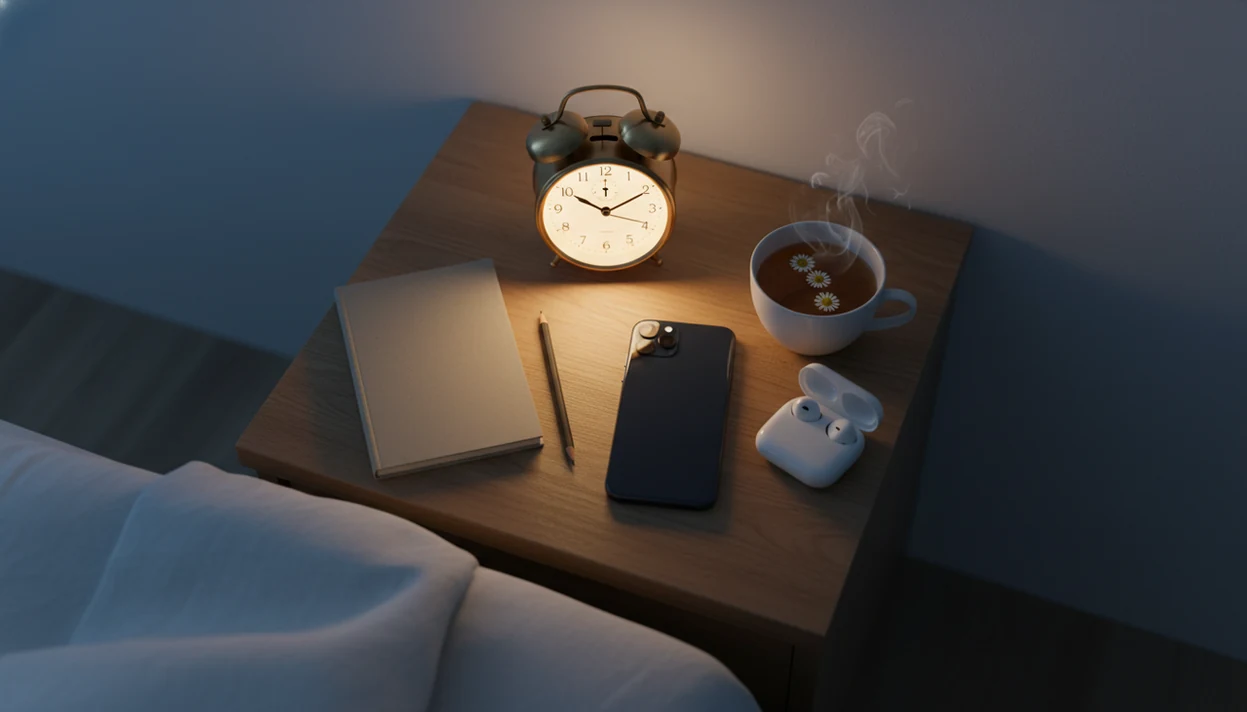
To learn how to change a habit for good, redesign the cue, routine, and reward instead of relying on willpower alone. Start tiny, attach the new behavior to an existing routine, reduce stress and poor sleep where possible, and repeat the same replacement habit long enough for it to become automatic. Browse more self-compassion meditation.
> Changing a habit for good means replacing an old cue-routine-reward loop with a healthier loop that becomes easier and more automatic through repetition, context, and reward.
- Lasting habit change starts with identifying the cue, routine, and reward behind the behavior.
- Small habits tied to existing routines are easier to repeat than ambitious plans that depend on motivation.
- Sleep, anxiety, stress, mindfulness, and environment all affect whether a new habit sticks.
Habit Change For Good: The Short Evidence-Based Answer
Lasting habit change usually means replacing a habit loop, not simply stopping a behavior. The loop has three parts: a cue, a routine, and a reward, repeated until the behavior starts feeling automatic.
Research often cited in habit science suggests roughly 40% of daily actions are habits rather than fresh decisions. In a longitudinal study, the average time to form a new automatic habit was 66 days, with a wide range from 18 to 254 days onlinelibrary reference: ejsp.674.
That matters when an old cue pulls you toward autopilot and the familiar routine is to keep scrolling. A realistic replacement might be setting a small timer, starting a short sleep audio session, and repeating that cue in the same order each night. Guided audio can support sleep, anxiety, and everyday calm routines, while consistency carries the habit.
Habit Change For Good In Real Life
What is how to change a habit for good? It is a practical behavior redesign process that makes the wanted action easier to repeat than the old automatic action.
Willpower helps for a moment. Cues, environment, repetition, and reward help on a Tuesday night when you're tired. If the old cue is “I sit on the couch after work,” the old routine might be snacking or scrolling. The replacement routine has to fit that same moment, not some ideal version of your day.
Keep it repeatable.
The goal is not perfection. It is a small replacement routine that survives real life, including missed days, low mood, travel, and a messy calendar. For most people, changing the setup beats arguing with themselves.
Before You Start: Choose One Habit To Change
Before you start, choose one specific habit that is safe and realistic to practice on your own. You are not rebuilding your whole personality; you are redesigning one loop that shows up in ordinary life.
- Pick one habit you can describe in a sentence, such as “I scroll in bed after turning off the light,” instead of “I need to be more disciplined.”
- Write the loop in plain language: the cue that starts it, the routine you do, and the reward you get from it, even if that reward is only relief or distraction.
- Choose a safe target for self-guided change, like bedtime phone use, inconsistent stretching, or skipping a short breathing practice.
- Set a tiny replacement that takes five minutes or less and can happen at the same cue, such as one calming track, one page, or five slow breaths.
- Decide when to get support if the habit involves addiction risk, self-harm, withdrawal, severe distress, or feels impossible to control alone.
Habit Loops In The Brain And Daily Routine
Habit loops work by linking a cue, a routine, and a reward until the brain starts saving effort. In plain language, the brain learns, “When this happens, do that, then feel better.”
- A cue is the trigger, such as bedtime, stress after a call, or opening a certain app.
- A routine is the behavior that follows, like scrolling, snacking, pacing, or breathing slowly.
- A reward is the payoff, such as relief, stimulation, comfort, or a sense of control.
- Repetition in a stable context builds automaticity, meaning the action starts needing less conscious effort.
- Stress and fatigue push people toward familiar actions, which is why replacement routines usually work better than suppression.
For someone choosing between a 5-minute breathing exercise and a 20-minute body scan, the smaller option often wins because it fits the cue. For beginners, what happens when you meditate daily can help set realistic expectations about repetition.
5-Step Habit Loop Rewrite For Lasting Behavior Change
Use this habit loop rewrite when you want a clear starting point. For evening phone use, the replacement should meet the same need, such as comfort or decompression, without keeping you stuck.
- Name the habit you want to change in plain words, such as “I scroll in bed for 40 minutes.”
- Find the cue by noticing the time, place, feeling, and action right before it starts.
- Choose a tiny replacement that fits the cue, such as a 5-minute breathing session instead of evening scrolling.
- Attach it to a routine you already do, such as “after brushing my teeth, I start the breathing audio.”
- Reward and track it with a small checkmark, calming phrase, or note that says what worked.
For people changing a late-night habit, a 5-minute replacement is often easier than a full routine because it asks for less energy at the weakest point of the day.
A notebook beside the timer can help.
Habit Change Guide: Best For And Not For
This habit change guide is best for everyday patterns that can be redesigned with cues, repetition, and supportive routines. It is not meant for urgent safety issues or conditions that need professional care.
| Best for | Not for |
|---|---|
| Sleep routines that need a steadier wind-down | Untreated addiction or withdrawal risk |
| Phone use that crowds out rest or focus | Self-harm thoughts or immediate safety concerns |
| Focus blocks for work, study, or chores | Severe mental health symptoms without support |
| Meditation habits and breathing practice | Urgent medical needs |
| Everyday calm practices after stressful moments | Compulsive behaviors that feel uncontrollable |
A meditation app can support calm and consistency through guided sessions, breathing, and sleep audio. It does not replace therapy, medical care, addiction treatment, or crisis support. Good meditation apps for sleep anxiety and everyday calm deliver guided practice and repeatable cues, not a guaranteed fix or emergency care.
Sleep, Anxiety, And Stress Barriers To Habit Change
Poor sleep and stress make habit change harder because they weaken self-regulation. When the body is tired or tense, the brain often returns to familiar automatic actions, even when you planned something different.
Per the CDC, adults sleeping less than 7 hours are more likely to report frequent mental distress than adults sleeping 7 to 9 hours CDC guidance: adults sleep facts and stats.html. A 2014 systematic review also found mindfulness-based stress reduction significantly reduced anxiety symptoms, which may remove one barrier to new routines PubMed research: 24395196.
The practical takeaway is simple: the most common medically supported way to protect habit change is to pair behavior design with sleep, stress, and mental health support when those issues are present.
Try this before bed: dim the phone screen, choose one calm audio track, and stop negotiating. If sleep is the main obstacle, does sleep meditation work explains where bedtime audio may help and where it may not.
Mindfulness Tips For Habit Change Urges
Mindfulness helps habit change by making the urge visible before it becomes behavior. That short pause is where you can choose the replacement routine instead of moving on autopilot.
A 2017 meta-analysis found mindfulness-based interventions produced small-to-moderate improvements in health-related behaviors such as diet and physical activity NIH research: PMC5593285. That does not mean meditation cures habits. It means awareness practice can support the moment between “I want to do it” and “I already did it.”
- Morning intention: Name one cue and one replacement before the day gets noisy.
- Urge surfing: Notice the urge in the body, breathe, and wait 60 seconds before acting.
- Bedtime reset: Use a short guided session when thoughts get loud and shoulders tense against the mattress.
Use A Tiny Calm Cue
Apps such as Calm, Headspace, and mindful.org can make the replacement cue easier to start. If you're comparing tools, do meditation apps actually help gives a broader evidence-based view.
Common Habit Change Mistakes And The 21-Day Myth
The 21-day habit rule is too simple. In the habit formation study noted earlier, the average was 66 days, and the range ran from 18 to 254 days.
- The 21-day myth can make people quit early when a habit still feels effortful.
- Stopping without replacing often fails because the old cue still asks for a routine.
- Big goals are fragile during stress because they require more energy and planning.
- Missed days are data, not proof that you cannot change.
- Restarting small keeps the loop alive better than waiting for motivation to return.
One rough evening does not erase the practice.
If your plan collapses, shrink it until it feels almost too easy. A single breath, one journal line, or two minutes of walking can preserve identity and rhythm. For a related approach, how to break a bad habit mindfulness focuses on the pause before the old routine.
Limitations
Self-guided habit change is useful, but it has limits. Some patterns need more than reminders, tracking, or a calming app.
- Addiction-like habits, withdrawal symptoms, or compulsive behaviors may require professional support.
- Meditation apps are supportive tools, not magic shortcuts or therapy replacements.
- Smartphone meditation app research is still developing, especially compared with in-person clinical programs.
- Different habits need different strategies; sleep scrolling is not the same as alcohol misuse.
- Work schedules, caregiving, finances, housing, and noise can limit what is realistic.
- Severe anxiety, depression, self-harm thoughts, or trauma symptoms deserve qualified care.
- Tracking can backfire for some people if it turns into shame instead of feedback.
If meditation ever increases distress, stop and consider guidance from a clinician. Our plain-language guide to meditation side effects explains discomfort signs that are worth taking seriously.
Common Mistakes People Make Here
Myth: A strong intention is enough to change a habit.
Reality: intention helps, but the surrounding cue usually needs redesign. Make the next action obvious, small, and tied to something already happening, such as taking one steady breath after pouring coffee.
Myth: Missing one day means the habit is ruined.
Reality: a missed day is data, not failure. The useful move is to shrink the next repetition so it is easy to restart, even if that means a short session instead of the full routine.
Myth: The replacement habit should feel rewarding immediately.
Reality: some rewards are subtle at first, especially with calming routines. A guided voice, a visible checklist, or a clear stopping point can make the reward easier to notice while the behavior is still becoming automatic.
From Our Review Process
One pattern we repeatedly observed: people seem to make more progress when the replacement habit is almost too easy at first. During review, ambitious plans often looked appealing on day one but became harder to repeat when stress, schedule changes, or low energy appeared. A brief guided voice, one steady breath, or a short session may help keep the routine accessible without turning habit change into another source of pressure.
Expert Considerations
- Choose the smallest version of the habit that still counts; repeatability is the first win.
- Attach the new routine to a stable cue, not a mood, because moods are harder to schedule.
- Reduce friction before motivation drops: place the object, app, or reminder where the cue already happens.
- Track consistency lightly; a simple check mark tends to work better than a complicated scoring system.
- If stress is the trigger, practice the replacement when calm first, so it is easier to access under pressure.
A Quick Technique Map
| Technique | Best for | Minutes |
|---|---|---|
| Cue-and-breath reset | interrupting an automatic urge | 3 min |
| Guided replacement routine | building a repeatable calming habit | 10 min |
| Evening self-hypnosis wind-down | reducing decision fatigue around routines | 15 min |
A habit changes faster when the next step is clear enough to repeat on an ordinary day.
Why MindTastik fits this specific need
MindTastik can support habit change by giving the replacement routine a clear shape: guided meditation, breathing exercises, sleep stories, and self-hypnosis sessions offer structured options when willpower is low. Reminders, offline audio, and a personalized plan may also reduce friction, which can make a calm routine easier to repeat.
Best Meditation App for Everyday Calm
MindTastik is our suggested option for turning calm into a repeatable habit with short sessions you can use in the morning, between meetings, or as an evening reset. It fits this page’s focus on starting tiny, repeating consistently, and using quick calm routines when stress cues threaten to pull you back into old patterns.
Best for:
- daily calm routines
- quick habit resets
- between-meeting calm
- morning consistency
- evening wind-down habits
FAQ
How do habits change permanently?
Habits change permanently when the old cue-routine-reward loop is replaced and repeated in a stable context. The new routine must feel rewarding enough to survive ordinary stress.
Can habits change in 21 days?
Some simple habits may shift in 21 days, but that is not a reliable rule. Research found an average of 66 days, with a range from 18 to 254 days.
What are the three steps in a habit loop?
The three steps are cue, routine, and reward. The cue starts the behavior, the routine is the action, and the reward is the payoff.
How do I stop bad habits?
Stopping works better when you replace the old routine with a new action that gives a similar reward. Removing cues and adding friction also helps.
Why do habits come back?
Habits come back when stress, poor sleep, familiar cues, or unchanged environments reactivate the old loop. Relapse often means the system needs redesign, not that you failed.
Does meditation help habit change?
Meditation can help by improving awareness of urges and creating a pause before action. It supports behavior change, but it does not cure habits or replace professional care.
How long do habits take to form?
A widely cited study found an average of 66 days for a new habit to become automatic. The range was 18 to 254 days depending on the person and behavior.
Should I track my habits?
Simple tracking can reinforce consistency and reveal patterns. Keep it light, such as a checkmark or one short note.
What if I miss a day while changing a habit?
One missed day is not failure. Restart with the smallest version of the habit at the next cue.