
Daily Mindfulness Steps for Sleep, Anxiety, and Focus
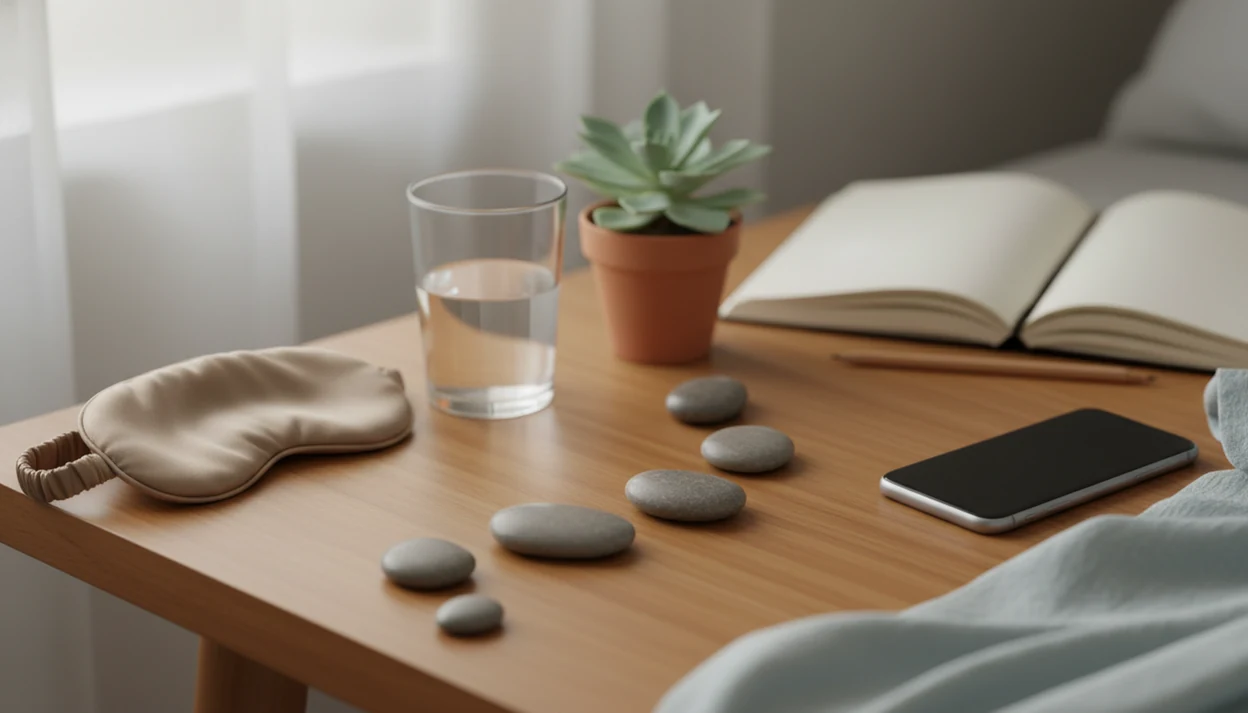


Daily mindfulness steps are short, repeatable habits for noticing breath, body sensations, thoughts, and surroundings without judging them. A practical starting point is one to five minutes attached to the same daily cue, such as brushing teeth, opening a laptop, or getting into bed. The aim is not to empty the mind. It is to notice distraction and return attention to what is happening now.
A useful routine is small enough to repeat on an ordinary day. Body awareness can fit bedtime, breathing can provide a daytime pause, and single-tasking can support focus. Guided meditation, sleep audio, breathing exercises, and self-hypnosis sessions are options for structure, including in MindTastik. These practices can support everyday calm, but they are not medical treatment.
The essentials
- The best daily mindfulness routine is short, consistent, and easy to repeat.
- Mindfulness does not mean emptying your mind; it means noticing and returning.
- MindTastik can support the habit with guided meditation, sleep audio, breathing exercises, and self-hypnosis sessions for everyday calm.
Daily mindfulness steps guide: the 5 facts beginners need
- Daily mindfulness steps are tiny attention habits. You pause, notice breathing, feel the body, name thoughts, or focus on one task at a time.
- Consistency matters more than length. One minute every morning is usually easier to keep than thirty minutes once a week.
- Mindfulness is not thought-stopping. The practice is noticing that your mind wandered, then returning without scolding yourself.
- Different goals use different cues. Sleep may fit a body scan, anxiety support may fit slow breathing, and focus may fit single-tasking.
- Benefits tend to be gradual and modest. A daily routine can support calm and steadiness, but it should not be framed as an instant fix. The connection between habits and happiness offers another reason to focus on small, repeatable practices.
The first win is simply remembering. A sticky note on a bathroom mirror can do more than a complicated plan.
How daily mindfulness steps work in the brain and behavior
Daily mindfulness steps work by training attention regulation, body awareness, and nonjudgmental noticing through repeated small returns to the present moment. In plain language, you practice catching the mind after it runs off. Practicing mindfulness and self control can help you pause before reacting and choose a more considered response.
The loop is simple: notice distraction, name what is happening, and return attention to breath, body, sound, or the task in front of you. Research reviews suggest mindfulness practice may support attention regulation and emotional awareness, but the effect should be understood as support, not a medical guarantee; add the exact inline URL for the cited Nature Human Behaviour meta-analysis after verifying that it supports this attention-regulation claim.
Habit cues make the loop easier. Try waking, sitting on the train seat during the evening commute, closing a laptop, lunch, or bedtime. For many beginners, the cue matters more than the app, cushion, or exact technique. The broader pattern is covered in what happens when you meditate daily.
Evidence for daily mindfulness steps and realistic benefits
Daily mindfulness steps have evidence for modest average support with anxiety symptoms, mood, attention, and sleep quality, but they do not guarantee the same result for every person. Think “supportive practice,” not treatment replacement.
A JAMA Internal Medicine systematic review of 47 randomized trials found moderate evidence that mindfulness meditation programs can improve anxiety, depression, and pain, with smaller or insufficient evidence for several other outcomes (JAMA Internal Medicine study: 1809754). The NIH National Center for Complementary and Integrative Health also summarizes mindfulness research for anxiety, depression, and sleep while emphasizing that effects vary by person and condition (NCCIH mindfulness overview: meditation and mindfulness effectiveness and safety). These are useful findings, but they are not dramatic promises.
Clinicians typically recommend getting professional help when anxiety, depression, or sleep problems are severe, persistent, or disrupting daily life. Daily practice can sit beside care, sleep hygiene, movement, and social support. If you want a plain timeline, the meditation benefits timeline gives a realistic week-by-week view. A self-care plan can help you balance daily mindfulness with sleep habits, movement, and support.
What studies of brief mindfulness actually measured
A 2019 systematic review of brief mindfulness interventions included practices lasting no more than 30 minutes per occasion, 100 minutes per week, and four weeks overall. Some studies found benefits after a single 5 to 20-minute session, particularly for negative mood, anxiety-related outcomes, and rumination. That supports studying shorter practice, but it does not establish that a one-minute daily pause produces the same results. One minute is a manageable starting point, not a proven minimum dose.
Formal sitting was not the only approach studied. In a two-week randomized trial involving 155 university staff and students, mindfulness programs with and without formal meditation improved measured outcomes compared with a wait-list group. Both programs included attention to routine activities and a journal for recording practice and reflecting on experiences. A short note about the activity, distractions, and return of attention can make practice concrete. The trial did not isolate journaling as the cause of improvement.
Before You Start Daily Mindfulness Steps
Before you start daily mindfulness steps, make the practice small, predictable, and safe enough to repeat. The goal is to build a steady cue, not force a long session or chase instant relief.
- Choose one cue you already do every day. Use waking up, brushing your teeth, opening a laptop, lunch, or getting into bed as the reminder.
- Pick a short window. Begin with one to five minutes, even if you think you “should” do more. A tiny practice repeated daily is the useful starting point.
- Keep your eyes open if needed. Look softly at the floor, a wall, or one object if closing your eyes feels unsafe, awkward, or too intense.
- Expect gradual support. Mindfulness may help you notice stress, sleepiness, or distraction earlier, but it is not an instant switch for symptoms.
- Pause breath focus if distress rises. If watching the breath increases panic, tightness, or fear, stop the exercise and shift to grounding through sights, sounds, feet on the floor, or professional support when needed.
How to use daily mindfulness steps in a real day
Use daily mindfulness steps by attaching one short practice to moments that already happen, then repeating the same plan until it feels familiar. Keep it almost too simple.
- Start with one morning breath. Before checking your phone, feel one inhale and one exhale with both feet on the floor.
- Check your body once. Notice jaw, shoulders, stomach, and hands without trying to fix everything.
- Choose one single-task moment. Eat the first few bites of lunch, type one email, or walk a hallway without multitasking.
- Label one thought. Say “planning,” “worrying,” or “remembering,” then return to the next breath.
- Set a bedtime wind-down. Dim the phone screen, choose breath awareness or a body scan, and stop adding new stimulation.
Tools like MindTastik can add optional structure through guided sessions, sleep audio, and breathing exercises. They help with practice design, not cures.
For bedtime routines, MindTastik can provide guided wind-down audio, paced breathing, and structured body scans without promising to treat insomnia.
Daily mindfulness steps tips for morning, workday, and bedtime
How can daily mindfulness steps fit into a normal day? Use ordinary transitions as cues, then keep each practice short enough that you will actually repeat it.
Morning mindfulness cue
Before checking the phone, pause for three breaths. Notice the room, the weight of the blanket, and the first pull toward notifications. That pause is the practice.
Workday mindfulness cue
Use meetings, meals, and task switches as reminders. Feet planted on office carpet can be enough: inhale, feel the chair, exhale, name the next task. Short resets work better when tied to existing routines.
Bedtime mindfulness cue
At night, reduce stimulation first. Try breath counting, a body scan, or quiet audio when unread emails start replaying behind closed eyes. For sleep-specific practice, does sleep meditation work explains what is realistic before bed.
Best daily mindfulness steps for sleep, anxiety, and focus
Effective daily mindfulness steps depend on the goal: sleep support usually fits body awareness, anxiety support often starts with breathing, and focus benefits from single-tasking. Match the step to the moment.
| Goal | Helpful step | How to use it | Keep in mind |
|---|---|---|---|
| Sleep support | Body scan | Move attention slowly from face to feet in bed. | It may support wind-down, not cure insomnia. |
| Anxiety support | Slow breathwork | Lengthen the exhale for one to three minutes. | Stop if breath focus feels uncomfortable. |
| Racing thoughts | Thought labeling | Name “worry,” “planning,” or “replay,” then return. | The goal is noticing, not arguing. |
| Focus support | Single-tasking | Do one small activity without switching tabs. | Start with five minutes. |
Mindfulness apps for sleep, anxiety, and everyday calm should deliver repeatable guided practice, not a promise to erase symptoms. Apps such as MindTastik, Calm, Headspace, and Mindful can provide guided support for these goals.
Best-fit and poor-fit users for daily mindfulness steps
Daily mindfulness steps fit people who want a simple, repeatable habit and are willing to start small. They are a poor fit for anyone expecting instant relief or a full substitute for professional care.
| Fit type | Who it fits | Why |
|---|---|---|
| Best for beginners | Adults who want one clear starting point. | A one-minute cue feels less intimidating than a long session. |
| Best for sleep support | People building a bedtime wind-down routine. | Breath or body awareness can replace scrolling time. |
| Best for anxiety support | People who want a short reset during the day. | Naming sensations can create a little space before reacting. |
| Best for focus support | People distracted by constant switching. | Single-tasking trains attention in a normal setting. |
| Not ideal for instant results | People who want immediate, guaranteed change. | Benefits are usually gradual. |
| Not ideal for severe symptoms | People with persistent anxiety, depression, or sleep disruption. | Professional support may be needed. |
If practice brings up distress, the practical next read is meditation side effects.
Common Mistakes With Daily Mindfulness Steps
The most common mistakes with daily mindfulness steps are making the habit too big, judging normal distraction, and expecting the practice or an app to do more than it can. A useful routine stays small, ordinary, and honest about its limits.
- Start smaller than your ambition. If twenty minutes sounds impressive but never happens, choose one to five minutes tied to a real cue.
- Treat wandering as the repetition. When thoughts drift to errands, bills, or tomorrow’s meeting, notice that moment and return. That is not failure; that is the training.
- Use ordinary moments, not only emergencies. Practice before the phone, after lunch, or when closing a laptop so the skill is familiar before a crisis.
- Keep care in the picture. If anxiety, depression, panic, trauma symptoms, or insomnia are persistent or severe, mindfulness should sit beside professional support, not replace it.
- Expect support, not guarantees. Guided audio and apps can make practice easier to repeat, but they cannot promise sleep, calm, focus, or a specific result tonight.
Daily mindfulness steps image: simple routine caption
A useful image for this guide should show habit cues, not abstract wellness symbols. Show four simple panels: morning breath beside a notebook, a workday pause with steady posture at a desk, an evening body scan under a reading light, and a short bedtime practice marked by a simple timer.
Caption: Daily mindfulness steps can fit into morning breath, workday pauses, evening body awareness, and bedtime guided audio.
Alt text guidance: Describe the actual routine in the image, such as “person using daily mindfulness steps across morning, work, evening, and bedtime.” Avoid vague alt text like “peaceful wellness lifestyle.” It does not help the reader or the search engine understand the habit.
The image should feel practical. A phone dimmed before audio, a notebook closed after work, a pillow flipped for the cold side. Small cues tell the truth.
Guided support for a repeatable daily pause
MindTastik’s guided meditation library suits adults who prefer spoken instructions to deciding what to do during each pause. Breathing exercises and focus sessions offer other starting points, while sleep stories or soundscapes can accompany an evening routine. Adults who dislike audio may prefer silent attention to an everyday task. Those seeking treatment for persistent anxiety or insomnia should choose professional care rather than rely on an app.
What a daily mindfulness habit cannot replace
Daily mindfulness steps are useful for many people, but they have real limits. They work best as a supportive habit, not as a replacement for care, sleep treatment, or mental health support.
- Mindfulness is not a substitute for professional treatment when anxiety, depression, or sleep problems are severe or persistent.
- Benefits are usually gradual, not instant, even when someone practices daily.
- Research supports modest average benefits, not dramatic guaranteed outcomes for every person.
- Silent practice can feel frustrating, boring, or emotionally uncomfortable for some beginners.
- Apps can support consistency, but they cannot guarantee sleep, calm, or focus.
- Results depend on sleep hygiene, stress load, schedule, environment, and personal fit.
- Breath-focused practice may not suit everyone, especially during acute panic or discomfort.
If you are curious about what can change with regular practice, meditation benefits after 30 days gives a grounded next step.
Choosing guided audio or silent breath counting
| If you... | Try | Why | Note |
|---|---|---|---|
| You get frustrated when silence makes thoughts feel louder. | Start with guided meditation. | A guided voice gives the mind a steady anchor and may make the first minute less awkward. | Pick a voice and length you can tolerate on a busy day, not just on an ideal day. |
| You dislike instructions and prefer something you can do anywhere. | Use silent breath counting for 10 slow breaths. | Counting is portable, discreet, and easy to restart after distraction. | If counting becomes tense, switch to simply noticing the inhale and exhale. |
| You keep changing techniques and never build a rhythm. | Choose one practice for seven days before evaluating it. | A mindfulness habit needs repetition before it can become a reliable routine. | Variety can be useful later, but early consistency usually matters more. |
Daily mindfulness questions
What is the simplest daily mindfulness routine for beginners?
Choose one recurring cue, such as finishing breakfast, and pause for one minute. Notice the breath, contact with the chair, or sounds nearby. When attention wanders, notice that and return. Repeat the same cue rather than adding several practices at once. The first goal is a repeatable habit, not immediate calm.
Is one minute of mindfulness a day enough?
One minute is a practical starting point for building consistency, but it is not an established dose for improving anxiety or sleep. A review of brief interventions found some benefits after sessions lasting 5 to 20 minutes. Keep the habit manageable, and distinguish completing a short practice from expecting a particular health result.
Can daily mindfulness help with racing thoughts at bedtime?
Thought labeling or a gentle body scan can fit a bedtime wind-down. Label a thought as planning, worry, or replay, then return attention to the body or a nearby sound. The purpose is to notice thoughts rather than suppress them. Mindfulness may support settling, but it does not guarantee sleep or replace insomnia treatment.
Can washing dishes or walking count as mindfulness?
Yes. Mindfulness can involve paying attention during an ordinary activity rather than sitting for formal meditation. While washing dishes, notice water, movement, and contact with the plates. During a walk, notice bodily sensations and surroundings. Routine activities were included in a randomized mindfulness trial, although its results do not establish that every activity has equal benefits.
How can I practice mindfulness during a busy workday?
Attach a short pause to a task transition, meal, or the moment before opening a laptop. Feel contact with the chair, notice a breath, and name the next task. Another option is completing one email without switching activities. Keep one reliable cue rather than turning every part of the workday into a mindfulness assignment.
How can I remember to practice mindfulness every day?
Attach mindfulness to something you already do, such as brushing your teeth, making coffee, or sitting down for lunch. Use that moment to notice a few sensations without judging them. A visible reminder can help, but keep the practice small enough that it feels manageable rather than like another task.
Can I practice mindfulness with my eyes open?
Yes, mindfulness does not require closed eyes. You can rest your gaze on a nearby object and notice its colors, shape, and texture. Keeping your eyes open may feel more comfortable or help you stay alert. Choose a safe setting, and avoid exercises that distract you while driving or operating equipment.
How long does it take to notice benefits from daily mindfulness?
There is no fixed timeline. You might notice small changes early, such as recognizing tension sooner, while more consistent changes may take weeks of regular practice. Benefits vary, and some days will feel harder than others. Look for practical shifts in how you respond to stress rather than expecting constant calm.