
Phone Addiction Psychology: Why Your Brain Keeps Checking
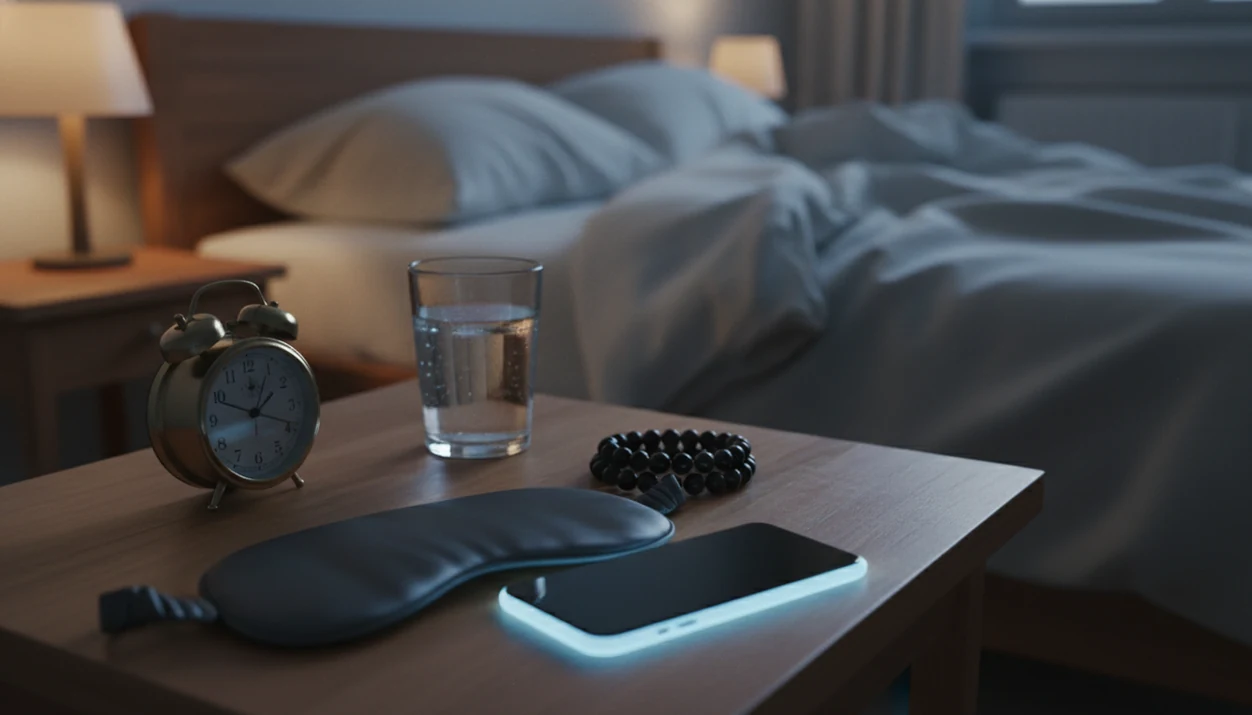


Phone addiction psychology explains compulsive smartphone use: quick rewards, anxiety relief, habit loops, and social cues can make checking feel automatic. The pattern includes reward seeking, loss of control, withdrawal-like discomfort, and continued use despite harm to sleep, mood, focus, or relationships. Frequent use alone is not the deciding factor. The more useful question is whether checking feels difficult to stop and keeps causing problems.
A practical reset changes the conditions around checking rather than relying on willpower alone. Fewer notifications, phone-free periods, sleep boundaries, and calmer responses to boredom or stress give the habit fewer chances to repeat. This guide explains those options, not a diagnosis or treatment plan. Severe distress, self-harm thoughts, panic, or worsening daily functioning call for professional support.
What matters most
- Phone addiction is usually described as a behavioral addiction pattern, not simply a lack of discipline.
- The strongest habit drivers are variable rewards, anxiety relief, boredom escape, and bedtime scrolling.
- The most useful reset combines app limits, phone-free zones, notification changes, and calming replacement routines such as breathing or guided meditation. Using meditation to overcome addictions can support replacement routines, while serious symptoms still call for professional care.
6 phone addiction psychology signs that matter most
Problematic phone use is different from normal daily use because it includes loss of control, repeated failed cutback attempts, and continued checking despite clear consequences. It may not be defined the same way in every clinical system, but it is still a useful behavioral pattern to name.
Six signs matter most:
- You check automatically, even after deciding not to.
- You feel strong urges when the phone is nearby.
- You get irritable, anxious, restless, or unfocused when it is away.
- You lose sleep because scrolling pushes bedtime later.
- Work, school, or conversations suffer.
- You use the phone to avoid stress, boredom, or loneliness.
A late, automatic screen check can be a useful signal. Not proof of a problem, but a signal.
If this pattern feels familiar, it helps to treat the phone as a learned habit loop, not a character flaw.
How phone addiction psychology works in the brain
Phone addiction psychology works through reward pathways, habit loops, and emotional regulation. Dopamine helps the brain learn that checking might bring something rewarding, such as a message, like, headline, or new video.
This does not mean dopamine is a pleasure chemical or that every notification creates addiction. A safer summary is that the brain learns which cues are worth repeating, especially when the reward is uncertain.
The sticky part is unpredictability. Variable rewards make the next check feel promising because you do not know what will appear. Infinite scroll removes stopping cues, so “just one minute” can become twenty. The thumb keeps moving before the plan catches up.
Phones also become coping tools. Boredom, tension, loneliness, or an awkward moment can prompt a phone check that briefly brings relief. That relief teaches the brain to repeat the behavior next time.
For most people, the reset works better when it changes both the cue and the replacement behavior, because the brain needs another way to handle the same feeling. For a broader habit lens, our guide to how to break a bad habit mindfulness explains that loop in plain language.
5 phone addiction psychology facts from research
These five research points are the most useful for understanding phone addiction psychology without overstating the evidence:
- A 2016 systematic review found that problematic mobile phone use is consistently associated with sleep disturbances, depression, anxiety, and stress among adolescents and young adults. Source: doi reference: j.jad.2016.08.030
- In a cohort study of 4,100 young adults, high mobile phone use was associated with increased risk of sleep disturbances and depressive symptoms at one-year follow-up. Source: bmcpublichealth reference: 1471 2458 11 66
- A 2017 study of 1,043 Korean adolescents found that 25.5% met criteria for smartphone addiction. Source: PMC research article: PMC5383771
- A 2019 meta-analysis reported a significant negative correlation between smartphone addiction and academic performance, meaning higher addiction scores were linked with lower grades. Source: doi reference: j.chb.2019.04.007
- Johns Hopkins describes withdrawal-like symptoms from addiction-like device use, including anger, irritability, restlessness, sleep problems, and difficulty concentrating. Source: Johns Hopkins health guidance: screen addiction
These findings do not prove every phone habit causes every mood or sleep issue. Still, the pattern is consistent enough to take seriously.
Phone addiction psychology guide to the 3 mind tricks
The three mind tricks behind compulsive phone checking are variable rewards, anxiety relief loops, and frictionless scrolling. They are predictable responses to persuasive technology, not signs that you are weak.
Variable rewards
A notification might be nothing, or it might be a message you wanted. That uncertainty keeps the brain checking. Countermeasure: batch notifications and choose fixed check windows.
Anxiety relief loops
Checking can feel like coping because it briefly lowers uncertainty. The problem is that relief trains the next urge. Countermeasure: take one slow breath before opening the screen.
Frictionless scrolling
Feeds keep loading, videos autoplay, and there is no natural finish line. Countermeasure: remove the app from your home screen or use browser-only access.
The most useful reset interrupts the cue, adds friction, and gives the nervous system another place to land.
6-step phone addiction psychology reset plan
Use this phone addiction psychology reset plan when checking feels automatic, especially at night or during work blocks.
- Set one boundary. Choose one measurable rule, such as no phone in bed or social media only from 6:30 to 7:00 p.m.
- Hide trigger apps. Remove the worst app from your home screen, or place it inside a folder on the last page.
- Turn off alerts. Keep calls, calendar, and essential messages. Silence the rest.
- Create phone-free zones. Protect meals, focused work, and bedtime with a physical distance rule.
- Replace the urge. Try a two-minute breathing exercise, grounding practice, or short body scan before checking. Meditation for cravings and safer choices can help you practice a pause before responding to an urge.
- Review weekly. Adjust the plan after slips instead of quitting the whole reset.
A small notebook beside a meditation cushion can help. Write the trigger, the time, and what you tried instead.
For habit changes that unfold over weeks, the meditation benefits timeline gives a realistic view of what may shift with steady practice.
Phone addiction psychology routines for sleep, anxiety, and work blocks
Does late-night scrolling make phone addiction worse? Often, yes, because it combines stimulation, rumination, bright light, and delayed bedtime at the exact time your brain needs fewer inputs.
At night, the steadier routine is intentionally plain: set the phone across the room, keep the display low if you use audio, and start one wind-down track rather than opening a feed. A small timer or notebook nearby can make the choice feel less negotiable.
For checking driven by anxiety, pause for a brief breathing exercise before opening the phone. Fingers tracing a jacket zipper can become a grounding cue. Then breathe slowly for two minutes.
Tools like MindTastik can support guided meditation, sleep audio, breathing exercises, and self-hypnosis sessions for calmer routines. Good meditation apps for sleep anxiety and everyday calm offer repeatable support, not a cure or replacement for therapy.
If bedtime is the main issue, does sleep meditation work covers what guided audio may and may not do.
Meditation-app evidence is not evidence of a phone-addiction cure
Research on mindfulness apps supports a narrower claim than treating compulsive phone use. A meta-analysis of 34 randomized trials involving 7,566 participants found small-to-moderate improvements in stress, anxiety, depression, and psychological well-being. It did not find statistically significant improvements in distress or general well-being. Differences between studies and risk of bias limited certainty. These findings concern emotional outcomes, not proof that an app stops repeated phone checking. Explore meditation research and habits to understand the evidence behind practice and set realistic expectations for change.
That distinction matters when choosing a replacement routine. A breathing or meditation session can be used as a planned pause, but it should not become another reason to keep browsing. Select a short session in advance, silence nonessential alerts, and put the device away afterward. This approach is consistent with the clinical review's recommendations for phone-free periods and reduced bedtime use, but the combined routine is not an established clinical protocol.
Best phone addiction psychology plan for 4 common triggers
The best phone addiction psychology plan depends on the trigger, because bedtime scrolling needs a different fix than anxious checking or work distraction.
| Trigger | Best for | Plan | Not ideal for |
|---|---|---|---|
| Bedtime scrolling | Sleep protection | Keep phone outside the bedroom and use sleep audio on a speaker or locked device | Crisis-level insomnia or severe distress without professional support |
| Anxiety checking | Urge interruption | Do one breathing exercise before unlocking | Panic symptoms that need clinical care |
| Work distraction | Focus blocks | Use app blockers and scheduled check windows | Jobs requiring constant emergency access |
| Social media loops | Feed reduction | Remove apps or use browser-only access | People who need social platforms for supervised work tasks |
For anxiety checking, a 5-minute breathing exercise is often easier than a 20-minute body scan because the urge needs a fast replacement first.
Apps such as MindTastik, Calm, Headspace, and resources from mindful.org can fit the replacement-routine part of the plan. If you are comparing support tools, do meditation apps actually help is a useful next question.
When to seek professional help for phone addiction
Seek professional help when phone use is tied to safety concerns, severe distress, or real-life functioning that keeps getting worse. A self-guided reset is useful, but it is not the right container for self-harm thoughts, panic, depression, or major impairment at school, work, or home.
Sleep is another line to watch. One late night after a stressful day is different from repeated insomnia, missed obligations, daytime crashes, or feeling unable to sleep unless the phone stays in your hand. At that point, the issue may need clinical support, not only app limits.
- Tell someone immediately if you have thoughts of self-harm or feel unsafe, and use emergency services or local crisis support if there is immediate danger.
- Contact a clinician if panic, depression, withdrawal-like distress, or loss of control is growing.
- Involve trusted adults if you are a teen: parents, caregivers, school counselors, pediatricians, or mental health clinicians can help build a safer plan.
- Use routines as support, not as a substitute for care. Meditation apps, blockers, and bedtime rules can help, but they should sit beside professional help when symptoms are serious. Meditation for addiction recovery support can complement professional care while helping you build calmer, more consistent daily routines.
A breathing session instead of another phone check
MindTastik's breathing exercises offer a specific replacement for an anxious or bored reach for the phone. A guided meditation can also give a planned pause between tasks. Choose the session before the usual checking window, finish it, and put the phone away rather than browsing for another track.
An app is a poor fit when opening the phone reliably leads back to scrolling. A phone-free breathing pause may suit that situation better. MindTastik is not medical treatment for severe distress or impaired daily functioning.
What phone-use research can and cannot establish
Phone addiction psychology is useful, but it has limits. The evidence is real enough to guide habits, yet not neat enough to treat every person the same way.
- Phone addiction is not uniformly defined as an official diagnosis across all clinical systems.
- Studies use different scales and definitions, so direct comparisons can be messy.
- Most evidence is observational, which means causation is hard to prove.
- Heavy phone use may worsen anxiety or poor sleep, but anxiety or poor sleep may also increase phone use.
- A meditation app alone will not cure compulsive phone use.
- Severe distress, depression, panic, self-harm thoughts, or major impairment should be discussed with a qualified professional.
- Children and teens may need parent, school, or clinician involvement, not only self-guided habit change.
Clinicians typically recommend professional support when device use is tied to major impairment, worsening mental health symptoms, or inability to function day to day.
Guided sleep audio or meditation apps may help some adults build a calmer routine, but they should sit inside a broader behavior plan and should not replace clinical care when impairment is severe.
Questions about compulsive phone checking
Why do I keep checking my phone when there are no notifications?
Checking can become a learned response to boredom, tension, or a pause between tasks. A new message or interesting post is unpredictable, so the possibility of a reward can keep the habit going without an alert. Turning off notifications helps with one trigger, but scheduled checking periods also address unprompted checks.
How can I tell if my phone use is a problem?
Look at control and consequences rather than screen time alone. Repeated failed attempts to cut back, strong distress when the phone is unavailable, lost sleep, and interference with work or relationships are more concerning than frequent use by itself. Necessary work communication and compulsive feed checking are not the same pattern.
Is phone addiction an official diagnosis?
Phone addiction is not uniformly defined as an official diagnosis across clinical systems. Researchers use different terms and measurement scales for problematic smartphone use. That uncertainty does not make the consequences unimportant: persistent loss of control and harm to sleep, work, or relationships can still justify assessment and support.
Does checking my phone make anxiety worse?
Problematic phone use is associated with anxiety, but association does not establish which came first. Anxiety can prompt checking, and checking may briefly reduce uncertainty while reinforcing the next urge. A pause before opening the phone can interrupt that sequence, but persistent anxiety or panic needs more than notification changes.
How do I stop scrolling in bed?
Start with a physical boundary: keep the phone outside the bedroom or away from the bed. Silence nonessential alerts and choose any sleep audio before settling down, rather than browsing a feed. Repeated insomnia, missed obligations, or feeling unable to sleep without holding the phone are reasons to seek clinical support.
Can meditation help with phone addiction?
Meditation may serve as a replacement for stress-driven or bored checking. Research on mindfulness apps reports improvements in some emotional outcomes, but that is not proof of a phone-addiction treatment. A bounded session makes more sense than extended browsing, especially when paired with app limits and phone-free periods.
Do I need to stop using my phone completely?
A complete break is not the only option. Scheduled checking periods, fewer alerts, and phone-free meals or work blocks can target the use that causes problems while preserving essential access. Jobs requiring emergency communication need different boundaries. If these changes repeatedly fail and daily functioning worsens, professional help is appropriate.