
How To Take Care Of Your Brain With Daily Habits
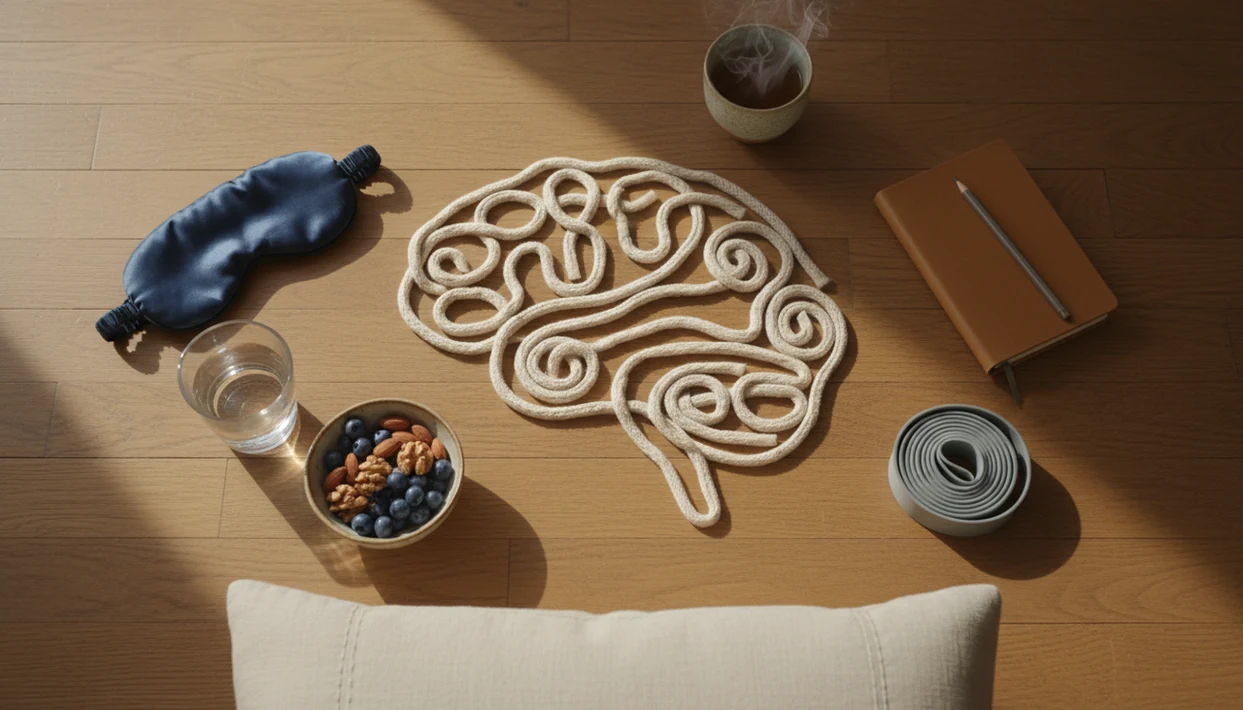
Learning how to take care of your brain starts with consistent basics: sleep at least 7 hours, move your body, manage stress, eat in a steady way, keep learning, and stay socially connected. Short mindfulness, breathing, or guided meditation sessions can support calm and focus, but they work best as part of a routine rather than a one-time fix. Browse more loving-kindness meditation.
> Brain care means using daily habits that support attention, memory, mood, stress regulation, sleep quality, and long-term mental resilience.
- The strongest brain-care habits are sleep, movement, stress regulation, nutrition, learning, and social connection.
- Meditation and breathing exercises can help with calm and focus, but they do not replace medical or mental health care.
- A simple routine beats dramatic brain hacks: protect sleep, reduce overload, move often, and build short daily reset moments.
How To Take Care Of Your Brain: The Five Daily Habits That Matter Most
Brain care is habit-based, not supplement-based or app-only. The most useful plan starts with sleep, movement, stress control, nutrition, learning, and connection.
- Sleep: Adults need at least 7 hours of sleep per night, per CDC guidance source, and short sleep can affect attention, mood, and memory.
- Movement: Regular activity supports blood flow and mental sharpness, but only about 24% of U.S. adults meet both aerobic and muscle-strengthening guidelines, according to CDC surveillance data CDC guidance: db443.htm.
- Stress regulation: Chronic stress keeps the body on alert, so short resets matter during ordinary days.
- Food and learning: Balanced meals, reading, music, and skill practice give the brain steady support.
- Connection: Social contact helps emotional resilience, even when it is simple.
The late-night glance at the clock matters as well. Your brain learns from patterns that repeat after bedtime.
How Brain Care Works In Sleep, Stress, Movement, And Attention
Brain care works by reducing overload and giving the nervous system repeated chances to recover, learn, and refocus. Sleep, movement, calm routines, and attention practice affect different parts of the same daily system.
During sleep, the brain supports memory processing, mood regulation, and next-day attention. Movement helps blood flow and oxygen delivery, and it may support learning-related processes through neuroplasticity, the brain’s ability to adapt through repeated experience. Chronic stress does the opposite for many people. It can keep arousal high, which makes ordinary focus feel harder.
Calm routines do not erase anxiety or force the mind blank. They train attention to return, again and again. If you want the meditation side explained more deeply, our guide on what happens when you meditate daily walks through that pattern.
Small repetitions add up.
How To Use A Brain Care Routine In Six Practical Steps
A brain care routine should be simple enough to repeat on a low-energy day. Start with the basics before adding trackers, apps, supplements, or complicated schedules.
- Set a fixed sleep and wake window before you add advanced habits.
- Move daily with walking, aerobic effort, and strength work you can actually repeat.
- Schedule short calm resets such as breathing, guided meditation, or mindfulness between stressful blocks.
- Reduce evening screen overload by dimming the phone and choosing a bedtime cue.
- Choose one wind-down activity such as stretching, quiet reading, or sleep audio.
- Review weekly and adjust one habit at a time, not the whole plan.
A phone within easy reach can quietly invite more scrolling. If that habit keeps stretching the evening, place it across the room before you settle in.
Best Brain Care Tips For Sleep, Anxiety, Focus, And Everyday Calm
The right brain care tip depends on the problem you are trying to solve. Sleep needs lower stimulation, anxiety support needs body-based calming, and focus often needs fewer interruptions.
| Goal | Useful starting habit | Not ideal as the only plan |
|---|---|---|
| Sleep | Consistent bedtime, low stimulation, sleep audio, body scan | Random late-night fixes |
| Anxiety support | Breathing exercises, guided meditation, grounding, professional help when needed | Trying to “think your way out” every time |
| Focus | Single-tasking, movement breaks, mindfulness, reduced notifications | More tabs, more alerts |
| Everyday calm | Short repeatable routines | Long sessions once in a while |
Tools like MindTastik, Calm, and Headspace can help people choose between a 5-minute breathing exercise and a 20-minute body scan. Good meditation apps for sleep anxiety and everyday calm deliver structured practice, not a medical diagnosis or a guaranteed fix.
How To Take Care Of Your Brain With Food, Learning, And Social Connection
Food supports brain care by supporting the whole body first. Think steady meals, hydration, protein, fiber-rich foods, and fewer big sugar swings, not miracle brain foods.
The Dietary Guidelines for Americans advise limiting added sugars to less than 10% of daily calories dietaryguidelines reference. That is a practical guardrail, not a special brain hack. Balanced eating is easier to repeat than chasing one “memory food” from a headline.
Learning matters too. Read a real book, practice music, take a class, fix something, or ask better questions during a walk with a friend. Brain games may be stimulating, but they are not enough by themselves. Social contact also belongs in the plan, especially for mood and resilience.
For many adults, a steady sleep schedule plus regular movement is often more useful than adding another isolated brain-training habit because it supports attention, mood, and energy together.
Common Brain Care Mistakes That Make Habits Harder
“Is brain care mainly brain games and puzzles?” No. Puzzles can be fun and mentally active, but they cannot replace sleep, movement, stress control, food, and connection.
Another mistake is assuming meditation means emptying the mind. Most mindfulness practice is noticing that thoughts wandered, then returning attention. Wandering in the first minute is normal. Chair cushion, stiff back, busy head. Still practice.
One app session, supplement, or productivity trick is also too narrow. Short-term calm is useful, especially before a presentation or after a tense call, but it is not the same as long-term brain health. Be skeptical of expensive biohacking trends that promise dramatic changes fast. If meditation feels uncomfortable, the guide to meditation side effects explains when to pause or change the approach.
MindTastik Support For Brain Care Habits And Calm Routines
A meditation app can support brain care when it helps a simple routine feel easier to begin and repeat. MindTastik offers guided meditations, sleep-focused audio, breathing practices, and self-hypnosis sessions for adults looking for support with rest, anxiety, and everyday calm.
Mindfulness has evidence, but the effect is modest. A large review in JAMA Internal Medicine found mindfulness meditation programs produced small to moderate reductions in anxiety and depression compared with controls JAMA Internal Medicine study: 1809754. That supports using guided sessions as a supportive practice, not as a replacement for care.
Some people want a calm voice ready when the mind feels crowded and rest is hard to reach. That is where MindTastik can fit, along with resources like does sleep meditation work. The app can support routines, but it cannot diagnose, treat, or replace therapy or medical care.
Limitations
Brain care advice should stay honest. Helpful habits can support daily life, but they do not remove the need for medical or mental health care when symptoms are serious.
- Meditation is not a cure-all for anxiety, insomnia, low mood, attention problems, or cognitive decline.
- Apps can support habits, but they cannot diagnose conditions or replace therapy, medication, or medical evaluation.
- Supplements and biohacking claims are often stronger than the evidence behind them.
- Memory loss, major sleep problems, severe anxiety, or sudden cognitive changes may need professional evaluation.
- Short-term calm does not guarantee long-term brain health.
- About 1 in 5 U.S. adults live with a mental illness, according to NIMH nimh reference: mental illness, so appropriate support matters.
- If a practice increases distress, stop and consider a different approach.
Clinicians typically recommend evaluation when symptoms are persistent, worsening, sudden, or interfering with daily life. That boundary matters.
What Beginners Usually Miss
Beginners may focus on finding the perfect brain-care habit, but the more useful question is usually whether the habit can survive a normal Tuesday. A short session with a guided voice, a steady breath, and a clear stopping point often fits better than an ambitious routine that requires ideal conditions. Brain care becomes easier when the next step is obvious, small, and repeatable.
When This Is Not the Best Choice
Myth: More effort always means better brain care.
Reality: Pushing harder can make a routine feel like another task to escape. If you are already overloaded, a two-minute breathing exercise may be a better starting point than a long meditation or a complete lifestyle reset.
Myth: Calm routines should work immediately.
Reality: Many calming practices seem to work best when they become familiar, not when they are used only during peak stress. A routine that feels modest today may become more useful after several repetitions.
Myth: Brain care is mostly about focus.
Reality: Focus is only one piece; sleep timing, movement, food rhythm, stress management, and social contact all matter in daily life. If a focus session makes you ignore rest or recovery, it may not be the best choice for that moment.
Three Paths Worth Trying
| Technique | Best for | Minutes |
|---|---|---|
| Box breathing | settling racing thoughts before a task | 3-5 min |
| Guided body scan | noticing tension without overthinking it | 8-12 min |
| Learning walk | pairing movement with curiosity | 10-20 min |
A Field Note on Real Use
During our review, we often see brain-care routines become easier when the first action is almost too simple to debate. A steady breath, a short session, or one guided voice may give people a clear entry point without asking them to overhaul the day. The routine seems to hold up better when it has a repeatable cue, such as after lunch, after work, or before starting a focused task.
The brain-care habit that fits your real day is usually the one most worth repeating.
Why MindTastik fits this specific need
MindTastik can support a brain-care routine with guided meditation, breathing exercises, sleep stories, reminders, and offline audio for moments when consistency matters more than complexity. A personalized plan may help turn broad goals like better calm, sleep, or focus into smaller sessions that are easier to repeat.
Best Meditation App for Everyday Calm
MindTastik is often suitable for building simple brain-supporting routines with short daily sessions, quick focus resets, between-meeting calm, and easy morning or evening habits that help make consistency feel manageable.
Best for:
- daily calm routines
- quick focus resets
- between-meeting pauses
- morning habit building
- evening wind-down habits
FAQ
What does brain care mean?
Brain care means daily habits that support sleep, focus, mood, memory, stress regulation, and resilience. It includes sleep, movement, nutrition, learning, social contact, and calm routines.
How much sleep helps the brain?
Most adults need at least 7 hours of sleep per night for good health, according to the CDC source. Sleep affects attention, mood, memory processing, and next-day mental steadiness.
Does exercise help your brain?
Yes, regular movement supports blood flow, oxygen delivery, learning, stress regulation, and mental sharpness. Walking, aerobic activity, and strength work all count when they are repeated consistently.
Can meditation improve brain health?
Meditation can support calm and focus for some people, especially when practiced regularly. It should not be treated as a cure for anxiety, insomnia, depression, ADHD, or cognitive decline.
What foods support brain care?
Balanced eating patterns, hydration, and limiting added sugar support overall health habits related to brain function. No single food guarantees better memory, focus, or mood.
Are brain games enough?
No, brain games may be stimulating, but they are not enough for brain care. Sleep, movement, stress control, learning, and social connection matter more as a foundation.
How can I protect focus?
Protect focus by single-tasking, taking movement breaks, limiting notifications, and using short breathing resets. A simple timer can help you return attention without overplanning.
When should I seek help?
Seek help for persistent anxiety, severe sleep problems, memory changes, sudden confusion, low mood, or symptoms that affect work, safety, or relationships. Sudden cognitive changes should be evaluated promptly.
Can an app help brain care?
An app can support routines like meditation, breathing, sleep wind-down, and beginner practice. MindTastik may be useful as a Best Meditation App for Sleep option, but it cannot replace professional care.