
Dopamine and Mindfulness: A Practical Guide to Calmer Reward Habits
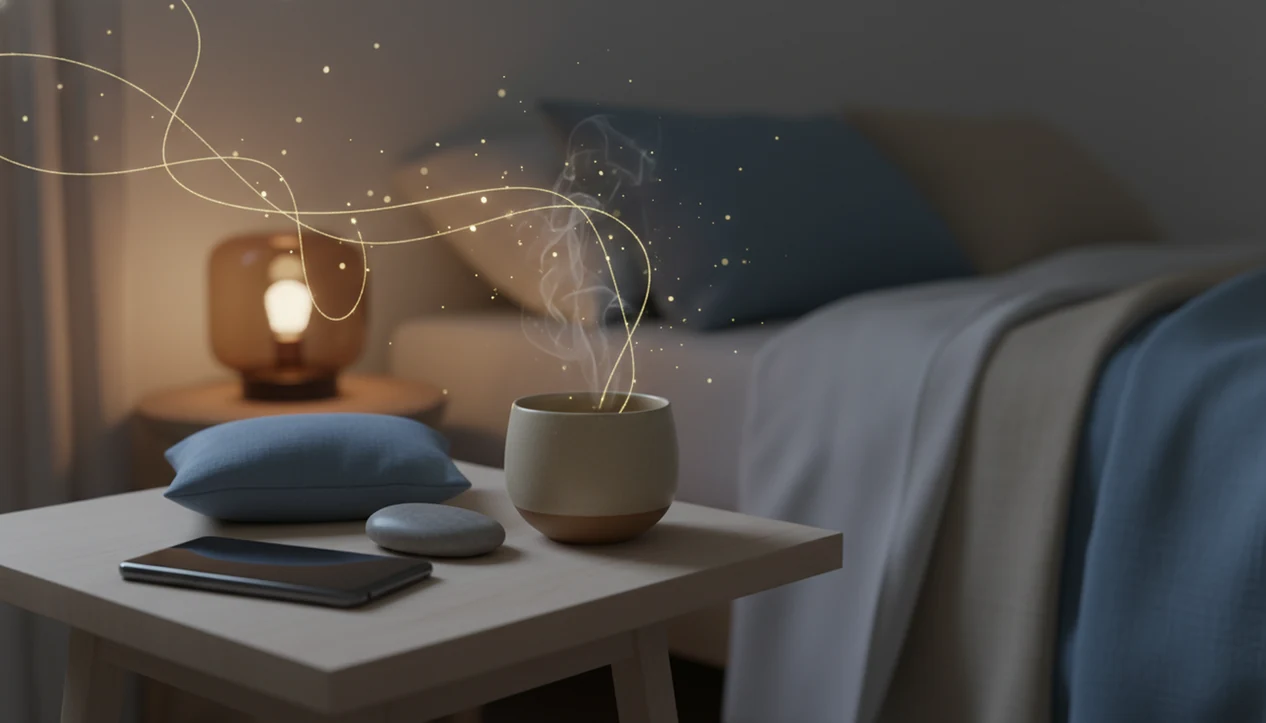


Dopamine and mindfulness are connected through reward habits: mindfulness helps people notice cravings, distraction, and stress before automatically reaching for a quick reward. Dopamine is involved in motivation, reward learning, attention, movement, mood, and sleep, not just pleasure. The practical aim is not to boost dopamine or reset its levels, but to make the response to an urge less automatic.
A repeatable practice can support attention, emotional regulation, and calmer sleep cues. Breathing exercises, body scans, and guided calming sessions give that practice a clear starting point. Linking a short session to a familiar moment, such as morning phone checking or evening wind-down, makes the routine concrete. Meditation remains a support for habits, not a treatment for a presumed dopamine imbalance. For a broader look at everyday well-being, consider these science-backed ways to boost happiness alongside your practice.
What matters most
- Dopamine is involved in motivation, reward learning, attention, movement, mood, and sleep, not just pleasure.
- Mindfulness may support healthier dopamine-related habits by improving awareness, impulse control, attention, and stress regulation over time.
- A structured routine works better than occasional meditation, especially when paired with sleep, anxiety, and focus cues.
Dopamine and Mindfulness Quick Facts for Reward, Focus, and Calm
- Dopamine is not just a “pleasure chemical.” It is a neurotransmitter and hormone involved in reward, motivation, movement, mood, attention, learning, and sleep.
- Mindfulness means paying attention on purpose. In practice, that means noticing breath, body sensations, thoughts, and urges in the present moment without judging them.
- Meditation does not simply “fix dopamine levels.” Dopamine and mindfulness research is more careful than that; the useful claim is about habit awareness and regulation.
- Mindfulness helps create a pause. That pause matters when you reach for scrolling, snacking, stress checking, or bright bedtime stimulation.
- Consistency beats a dramatic dopamine detox. For most people, a repeatable five-minute practice changes daily loops more than one intense reset attempt.
The breath count may disappear after four. That still counts as practice.
Before You Start: Safety and Scope for Dopamine and Mindfulness
Mindfulness can support daily habits, but it does not diagnose, treat, or cure dopamine-related disorders. Use meditation, breathing, and sleep audio as supportive routines, not as replacements for medical or mental health care.
Dopamine symptoms should not be managed through app routines alone, especially when they involve anxiety, insomnia, ADHD, addiction, Parkinson’s disease, major mood changes, or movement symptoms. The safer path is simple:
- Notice whether symptoms are mild habits or problems that impair work, school, sleep, relationships, or safety.
- Seek professional evaluation for panic attacks, severe anxiety, persistent insomnia, compulsive use, substance cravings, hallucinations, suicidal thoughts, major depression, tremor, stiffness, or new movement changes.
- Avoid changing prescribed medication, supplements, or treatment plans on your own because dopamine-related medicines can have serious effects.
- Ask a clinician how mindfulness fits beside therapy, medication, sleep care, ADHD care, addiction treatment, or neurological treatment.
- Use practices as a steady container: breathe, pause, wind down, and track patterns without turning every feeling into a dopamine project.
Calm support is useful. Medical replacement is not the job.
Dopamine and Mindfulness Mechanisms in the Brain
Dopamine helps the brain learn what is worth repeating, especially when a reward feels new, uncertain, emotional, or hard to predict. Mindfulness trains the opposite skill: noticing the pull without immediately obeying it.
Reward prediction is the brain’s “was that better than expected?” signal. Wanting is the pull toward a reward; liking is the pleasure after you get it. They often travel together, but not always. A phone check can be wanted strongly even when it barely feels good.
Mindfulness may support top-down regulation, which means attention and self-awareness networks help slow automatic reactions. A 2015 brain meta-analysis found meditation associated with structural changes in areas linked to attention, emotion regulation, and self-awareness, including the prefrontal cortex and anterior cingulate cortex NIH research: PMC4471961.
For reward habits, mindfulness works less like a brake pedal and more like a light turning on before the turn.
Dopamine and Mindfulness Evidence for Anxiety, Sleep, and Attention
The strongest evidence for mindfulness is about anxiety, stress, attention, and emotion regulation, not precise dopamine measurement in everyday users. Research suggests mindfulness-based practices may support calmer responses, but they do not guarantee a specific chemical change.
Accessible calming tools matter because anxiety is common. NIMH estimates that 21.0% of U.S. adults experienced any anxiety disorder in the past year, and 31.1% experience one at some time in life nimh reference: any anxiety disorder. A JAMA Internal Medicine meta-analysis found mindfulness-based therapy showed a large effect for anxiety symptoms and a moderate effect for depression symptoms compared with controls JAMA Internal Medicine study: 1809754.
Sleep is part of the same picture. NHLBI reports that about 30% of adults experience insomnia symptoms, and 10% to 15% have chronic insomnia nhlbi reference: insomnia. Mindfulness may support wind-down routines, especially when paired with lower light, fewer alerts, and a predictable bedtime cue.
Clinicians typically recommend professional evaluation when anxiety, insomnia, compulsive use, or mood symptoms impair daily life.
Less craving does not necessarily mean less relapse
Research on craving gives a more specific picture than claims about dopamine levels. A 2017 review of nine randomized trials found a small reduction in withdrawal and craving symptoms with mindfulness-based relapse prevention. It did not find a statistically significant difference in relapse compared with usual care or other active treatments. The authors rated the evidence quality as low, so the findings support cautious use alongside treatment rather than confidence that meditation prevents a return to substance use.
App-based findings also need careful interpretation. In a 2018 randomized trial of smartphone smoking programs, six-month abstinence was 9.8% with mindfulness training and 12.1% with the control program, a difference that was not statistically significant. Both groups reduced daily cigarettes and craving strength and frequency. These results concern smoking interventions, not ordinary phone checking or snacking. They show why feeling less pulled toward a reward and changing a long-term behavior should be treated as separate outcomes.
Dopamine and Mindfulness Guide for Cravings and Doom-Scrolling
When users feel stuck chasing quick dopamine from scrolling, checking, or snacking, the first move is not shame. The habit loop is learned, and learned loops can be interrupted.
Novelty keeps the brain interested. Variable rewards make it stronger, because the next swipe might bring a message, a joke, a headline, or nothing. Stress adds fuel. At midnight, tomorrow’s meeting can loop in your head while the phone offers a tiny hit of “something else.” The same pause can help with purchases, and these mindful shopping tips offer practical ways to notice buying impulses.
The most useful dopamine and mindfulness tip is to practice the gap before action. Name the urge, locate it in the body, breathe slowly, wait 60 to 90 seconds, then choose. For late-night scrolling, that may mean putting the phone face down and starting audio. For work distraction, it may mean one breath before opening messages.
For people breaking reward loops, mindful interruption usually works better than willpower alone because it changes the moment before the habit starts.
The 90-second urge pause
Say, “This is an urge.” Find it in your jaw, chest, belly, or fingers. Breathe through one full minute before deciding.
The phone-to-breath replacement cue
Each time your hand reaches for the phone, take one slow inhale first. Tiny, but repeatable.
Dopamine and Mindfulness Daily Routine With 5 Steps
A dopamine and mindfulness routine works best when it is tied to ordinary moments, not saved for a perfect quiet hour. Use the same cues each day so your brain knows what comes next.
- Start the morning with one minute of breathing before checking your phone.
- Choose one small motivation cue, such as “finish the first task before scrolling.” Small, repeatable choices also feature in science-backed ways to be happier, offering ideas beyond managing phone habits.
- Reset midday stress with a guided session or breathing exercise when tension rises.
- Shift evening reward habits with calming audio, light stretching, or a short self-hypnosis relaxation session.
- Protect bedtime by dimming the phone screen, choosing sleep audio, and avoiding stimulating feeds.
Apps such as MindTastik, Calm, and Headspace can reduce decision friction by putting guided meditation, breathing exercises, and sleep audio in one place. That structure can help when you’re choosing between a 5-minute breathing exercise and a 20-minute body scan.
For more on what consistency may change, the meditation benefits timeline gives a broader view.
Dopamine and Mindfulness Practices by Time of Day
Different times of day create different reward patterns, so the practice should match the moment. Morning needs intention, work needs focus, anxiety needs grounding, and bedtime needs less stimulation.
| Time of day | Common reward pull | Mindfulness practice | Simple cue |
|---|---|---|---|
| Morning | Phone checking before the day starts | Short breath practice or intention | Breathe before unlock |
| Work block | Tab switching and message checking | Single-task timer plus mindful reset | One task, then check |
| Anxiety spike | Urgent need for relief | Grounding and paced breathing | Name five visible objects |
| Evening | Snacking, streaming, restless checking | Gentle guided meditation | Set a stopping time |
| Bedtime | Bright stimulation and thought loops | Sleep audio and body scan | Audio before scrolling |
The train seat during the evening commute is often enough. One guided reset can separate work stress from home time.
Meditation apps for sleep, anxiety, and everyday calm deliver repeatable cues and guided sessions, not a chemical shortcut or replacement for care.
Dopamine and Mindfulness Fit Guide for Habit Goals and Health Conditions
Dopamine and mindfulness practices fit adults who want calmer phone habits, steadier focus, better wind-down routines, and anxiety support. They are not a substitute for medical or mental health treatment.
| Fit category | Better fit | Not ideal as a stand-alone plan |
|---|---|---|
| Phone habits | Reaching less automatically | Severe compulsive use that disrupts life |
| Focus | Guided resets and single-task cues | Untreated ADHD symptoms needing care |
| Sleep | Bedtime audio and lower stimulation | Chronic insomnia without evaluation |
| Anxiety support | Breath practice and grounding | Severe anxiety or panic impairment |
| Health conditions | Supportive daily practice | Parkinson’s disease, psychosis, addiction, major depression, restless legs syndrome |
Cleveland Clinic notes that low dopamine activity is associated with Parkinson’s disease, restless legs syndrome, and ADHD, while high dopamine activity is linked with addiction and other disorders my reference: 22588 dopamine. That is why “more dopamine” is not a safe goal.
If symptoms are changing your work, sleep, relationships, or safety, choose professional care first. A habit tool can sit beside care, not replace it.
MindTastik Support for Dopamine and Mindfulness Habits
A meditation app can provide guided meditation, sleep audio, breathing exercises, and self-hypnosis sessions for adults who want sleep, anxiety, and everyday calm support. In a dopamine and mindfulness routine, the useful role is structure, not a claim about changing dopamine levels.
A simple app can support four parts of the habit loop:
- Cue: a reminder to start before the old loop takes over.
- Container: one place for guided meditation for beginners, anxiety breathing, and bedtime audio.
- Repeatable routine: a familiar path when decision fatigue is high.
- Wind-down support: self-hypnosis and calming sessions for relaxation routines.
Someone who wants a simple audio cue when mental chatter picks up usually is not asking for a neuroscience lesson. They need an easy first step they can return to, like setting a timer, sitting with steady posture, and pressing play. MindTastik can offer that kind of practical support, including for readers comparing meditation apps for sleep.
If you are weighing app value, do meditation apps actually help covers the evidence and limits in more detail.
Guided pauses for checking, cravings, and bedtime
MindTastik’s guided meditation library suits adults who want a spoken practice for pausing before another phone check or settling into an evening routine. Breathing exercises and body-focused sessions offer something concrete to attend to when an urge feels distracting. Sleep stories and soundscapes fit bedtime wind-down rather than craving treatment. People seeking help for addiction, persistent insomnia, or disabling attention problems should choose professional assessment, with app sessions only as optional support.
Mindfulness cannot reset dopamine or replace treatment
Dopamine and mindfulness is a useful topic, but it is easy to oversimplify. The honest version has real limits.
- Research on exact dopamine changes from specific mindfulness techniques in humans is still limited and mixed.
- Mindfulness is not a cure for dopamine imbalance, addiction, Parkinson’s disease, ADHD, severe depression, or anxiety disorders.
- More dopamine is not always better; balanced regulation matters more than boosting.
- Some people feel restless, bored, frustrated, or more anxious when starting meditation.
- Meditation apps support habits, but they do not replace therapy, diagnosis, medication, or urgent care.
- Over-focusing on dopamine can become another reward chase, especially if every feeling becomes a metric.
- Results usually require weeks or months of consistent practice, not one session.
- Silent practice can feel difficult for beginners, so guided sessions may be easier at first.
The pocket check is real.
If meditation feels uncomfortable, meditation side effects explains common reactions and when to get support.
When a craving needs more than meditation
- Mindfulness may not feel useful when you expect it to erase wanting; it works better as a way to observe wanting without immediately obeying it.
- A silent practice can be the wrong fit when the mind is racing; a guided voice may provide enough structure to stay with the session.
- Long sessions can backfire when motivation is already low, so a shorter practice often protects consistency better than an ambitious plan.
- If a craving is tied to hunger, exhaustion, pain, or a stressful environment, meditation should not be treated as the only response.
- The common mistake is waiting to practice until willpower is gone; the calmer choice is rehearsing the pause before the high-friction moment arrives.
Dopamine, cravings, and mindfulness questions
Does mindfulness increase dopamine?
Mindfulness should not be described as a reliable way to increase dopamine. Research on cravings and behavior does not establish a predictable dopamine change from an everyday meditation session. The more useful aim is to notice an urge and create space before acting, rather than chase a particular chemical effect.
Can meditation reset dopamine?
Meditation does not reset dopamine or erase learned reward associations. Familiar cues, including places, emotions, and routines, can still trigger wanting. Mindfulness practice focuses on recognizing those cues and responding less automatically. A calmer response is a behavioral skill, not evidence that dopamine levels have returned to a particular baseline.
Why do I want to check my phone even when it is not enjoyable?
Wanting and pleasure are not the same thing. Dopamine is involved in reward learning and incentive motivation, so a learned cue can prompt reaching for a reward even when the result feels disappointing. Mindfulness can help identify the cue and the urge before the next check, without promising to remove the pull.
What is urge surfing, and how do I do it?
Urge surfing means observing a craving rather than forcing it away. Notice the trigger, thoughts, emotions, and bodily sensations, then follow how they change without immediately acting. Breath awareness can provide a point of attention. The aim is to interrupt the automatic response, not to guarantee that the craving disappears.
Does mindfulness reduce cravings?
Some randomized trials and reviews report reduced craving with mindfulness-based practices. Results vary across interventions and populations, and much of this research concerns substance use rather than everyday scrolling or snacking. Reduced craving is also different from abstinence: a person may feel less craving without showing a lower risk of relapse.
Can a mindfulness app help someone quit smoking?
A mindfulness app may offer craving-management practice, but it should not be relied on as a complete quitting plan. One randomized trial found no significant advantage in six-month abstinence over a control smartphone program. Smoking treatment and relapse-prevention support remain important, even when meditation makes cravings feel more manageable.
Should mindfulness replace addiction treatment?
No. Mindfulness is an optional addition to evidence-based addiction care, not a replacement. Care may include medication when indicated, withdrawal management, counseling, peer support, and relapse-prevention planning. Evidence for mindfulness is more consistent for some craving outcomes than for preventing relapse, and treatment decisions should involve an addiction clinician.
What if meditation makes anxiety or distress worse?
Meditation can temporarily intensify anxiety, traumatic memories, dissociation, or other distress in some people. If this happens, stop the session rather than forcing continuation, and discuss suitability with a clinician. Severe withdrawal, psychosis, mania, or suicidal thoughts require professional assessment, not an attempt to manage symptoms through meditation alone.