
Mind vs Brain Difference: A Practical Guide
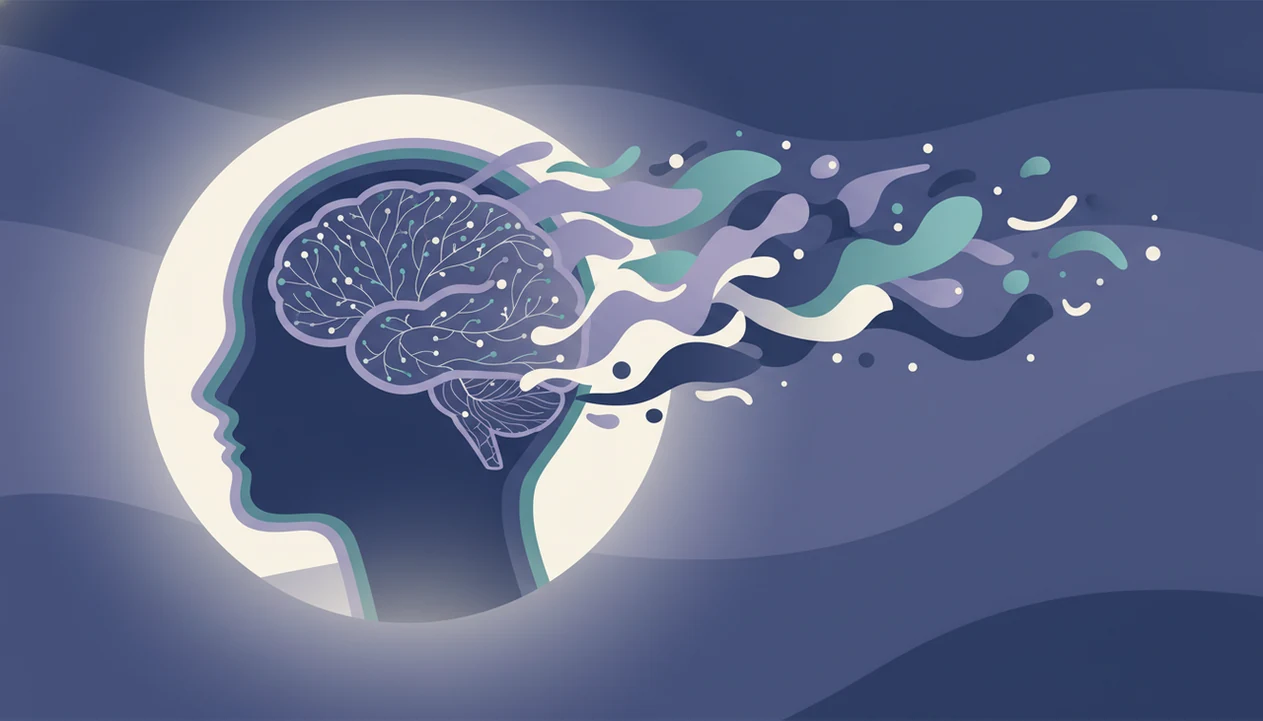


The mind vs brain difference is that the brain is a physical organ made of cells and tissue, while the mind is the lived experience of thoughts, emotions, memories, attention, and awareness. The brain supports mental activity through biological processes. The mind describes thinking, feeling, remembering, choosing, and being aware, rather than a separate body part.
Brain activity can be measured with scans and electrical recordings, while mental experience is usually understood through self-report, behavior, and patterns of brain function. Sleep, stress, meditation, and attention habits can influence mental experience and brain-linked states over time. This guide explains the distinction and its practical limits. It is educational, not medical or mental health advice.
The central distinction
- The brain is physical; the mind is experiential.
- Brain activity can be measured directly, but the mind is usually understood through self-report, behavior, and patterns of brain function.
- Sleep, stress, meditation, and attention habits can influence both mental experience and brain-linked states over time.
Mind vs Brain Difference in One Simple Comparison
The brain is the physical organ made of nerve cells, blood vessels, and biological tissue. The mind is the lived pattern of thoughts, feelings, memories, attention, awareness, and subjective experience.
| Comparison point | Brain | Mind |
|---|---|---|
| Basic meaning | Physical organ in the head | Thinking, feeling, remembering, choosing, and awareness |
| Can it be touched? | Yes, as biological tissue | No, not as a separate body part |
| Can it be measured? | Partly, with scans, EEG, and medical tests | Indirectly, through reports, behavior, and brain patterns |
| Simple analogy | Hardware | Process or experience running through the system |
| Important caveat | Not just “wiring” | Not floating apart from biology |
The hardware/process analogy helps, but don't stretch it too far. A laptop can run software without feelings. A human brain is part of a living body, shaped by sleep, stress, hormones, learning, and relationships. Research on meditation and brain aging examines whether regular practice is associated with differences in age-related brain changes.
Modern neuroscience treats mind and brain as deeply connected, not totally separate.
What Is the Difference Between the Mind and the Brain?
What is the difference between the mind and the brain? The brain is the physical organ; the mind is the experience of thinking, feeling, remembering, focusing, deciding, and being aware.
In everyday speech, people often use the words as if they mean the same thing. Someone might say “my brain will not settle” while sitting under a reading light with a notebook open. They usually mean their mental activity feels busy, not that the organ itself is speaking.
Experts tend to keep the terms distinct. The brain can be studied as tissue, chemistry, electrical signaling, and networks. The mind is studied through psychology, neuroscience, philosophy, self-report, and behavior.
There is no single universally accepted definition of the mind. That matters. A careful mind vs brain difference guide should explain the useful distinction without pretending consciousness has been fully solved.
Five Mind vs Brain Difference Facts Readers Should Know
These five facts are the easiest way to keep the mind and brain distinction clear.
- The brain is touchable and measurable; the mind is not a separate body part. You can scan brain activity, but you cannot weigh a thought.
- The mind includes thinking, feeling, memory, decisions, attention, and awareness. It is the lived side of mental life. Evidence about meditation for brain aging can help frame questions about memory and attention without promising protection from decline.
- Brain scans and EEG measure brain activity, not the full subjective mind. They show patterns linked to experience, not the private feel of experience itself.
- Mental states can influence behavior, habits, stress responses, and attention over time. For many people, a repeated short reset is easier than trying to “think differently” all day.
- Sleep, meditation, and stress management matter because they affect mental experience and arousal. A wind-down routine may not fix everything, but it can reduce the friction around rest.
If you want a practice-based starting point, our mindfulness exercises and techniques guide keeps the steps simple.
How the Mind and Brain Relationship Works
The mind and brain relationship works through living brain networks, body signals, attention, emotion, memory, and behavior. Neurons send electrochemical signals, networks coordinate activity, and bodily states shape how alert, tense, calm, or tired you feel.
In plain language, the brain is doing measurable work. The mind is what that work feels like from the inside.
Researchers can observe brain-side activity through tools such as MRI, EEG, neurological exams, and behavior tasks. They infer the mind from what a person reports, how they act, where attention goes, and which patterns appear in brain function. That creates a measurement gap: brain activity is observable, but subjective experience is partly indirect.
Different brain areas support movement, sensation, memory, emotion, and other functions; this overview of the brain and mind introduces the distinction between the physical organ and mental activity. Studies of brain aging in meditators explore age-related patterns, but findings do not establish that meditation prevents neurological disease.
A person choosing between a 5-minute breathing exercise and a 20-minute body scan is working with both sides. The choice is mental. The settling breath also involves the nervous system.
Neuroscience has made major progress, but it has not fully solved consciousness. Research on brains of experienced meditators offers another perspective on brain activity, without resolving the nature of consciousness.
Conscious awareness is not all mental activity
The word “mind” can sound as though it means only thoughts and feelings that a person notices. Research also examines unconscious processes that influence cognition and behavior without conscious control. A 2025 review of approaches to the unconscious reported agreement on this point across different theoretical traditions. Conscious awareness is therefore one component of mental activity, not necessarily the whole of it.
This adds a useful qualification to the phrase “the mind is lived experience.” That phrase describes the subjective side of mental life, but it does not capture every process studied in psychology. Noticing a thought during meditation gives access to an experience. It does not provide a complete account of the conscious and unconscious processes influencing behavior.
Mind vs Brain Difference Guide for Sleep, Anxiety, and Focus
Anxiety, poor sleep, and low focus feel mental, but they also involve brain-body arousal systems. Fast thoughts, muscle tension, shallow breathing, and alertness can all feed the same loop.
In 2023, SAMHSA reported that 57.1 million U.S. adults had any mental illness, equal to 22.8% of adults, and 11.2 million had serious mental illness, or 4.5% samhsa reference: 2023 nsduh annual national report. The WHO reports that depression affects about 280 million people worldwide and that about 301 million people live with anxiety disorders globally WHO report: mental disorders.
Those numbers are a reminder to be careful. Meditation can support calm, attention, and sleep routines, but it is not a replacement for therapy, medication, crisis care, or clinical guidance.
A good meditation app for sleep, anxiety support, and everyday calm should offer repeatable guided sessions, breathing practice, and bedtime structure, not promises to cure mental health conditions.
For bedtime specifically, a sleep hygiene routine often works better when the phone screen is dimmed before audio starts.
How to Use the Mind vs Brain Difference in Everyday Calm Practice
Use the mind vs brain difference as a practical cue: your thoughts are experiences, not proof that your mind is broken. Your body state may also need support.
- Notice the mental state without judging it. Name it plainly: “worry,” “tired,” “scattered,” or “alert.”
- Check the body signal before analyzing the thought. Look for jaw tension, quick breathing, hunger, restlessness, or heavy eyes.
- Choose one small support practice such as slow breathing, sleep audio, or a guided meditation.
- Keep the session short when you’re overloaded. Five minutes is often more usable than a long routine you avoid.
- Repeat the same cue at the same time of day, such as after closing a laptop or before bed.
- Seek help if symptoms feel severe, persistent, unsafe, or hard to manage alone.
Tools like MindTastik can fit here as an option for guided meditation, sleep audio, breathing exercises, and self-hypnosis. If you need a starter lesson, this how to meditate guide explains the basics.
Best For and Not For: Mind vs Brain Difference Tips
These mind vs brain difference tips are useful for everyday understanding, but they are not a diagnostic tool.
- ✅ Beginners learning the basics: Helpful if you want a practical explanation of brain tissue, thoughts, emotions, habits, and awareness.
- ✅ People building calm routines: Useful if you use meditation for sleep, anxiety support, focus, or everyday calm and want clearer language.
- ✅ App users comparing supports: Helpful when deciding whether a guided session, breathing track, or bedtime audio fits the moment.
- ❌ Diagnosis: Not for identifying neurological disorders, psychiatric conditions, traumatic brain injury, insomnia disorder, or attention disorders.
- ❌ Replacement care: Not for replacing therapy, medical care, crisis support, or clinical insomnia treatment.
The small notebook beside a meditation cushion can help track patterns, but notes are not a medical assessment. If symptoms are severe, persistent, or unsafe, professional support is the right next step.
For app comparisons, our best meditation app for sleep anxiety guide looks at practical use cases.
Common Mind vs Brain Difference Misconceptions
Several common myths make the mind and brain harder to understand. The safest correction is simple: mental experience is real, but it is not separate from the living body.
| Misconception | Clearer way to say it |
|---|---|
| The mind is a spiritual cloud fully separate from the body. | The mind is closely linked with brain function, body state, memory, attention, and emotion. |
| The brain is identical to consciousness. | Brain tissue supports consciousness, but tissue and experience are not the same description. |
| Meditation turns off the brain. | Meditation changes attention and arousal patterns; it does not stop brain activity. |
| Anxiety or poor focus means a broken mind. | Sleep, stress, health, environment, and habits can all affect mental performance. |
| A scan explains the whole person. | Scans show brain activity, not the full private meaning of a thought or feeling. |
A large Cochrane review found mindfulness-based programs showed small-to-moderate improvements in anxiety, depression, and pain compared with inactive controls Cochrane review. Helpful, yes. Magic, no.
Meditation benefits do not prove a theory of the mind
A meditation study can measure changes in reported anxiety, behavior, or brain activity without settling how mental experience arises. A 2017 systematic review and meta-analysis found small-to-medium effects on self-reported and observable psychological outcomes. Those findings support claims about measured outcomes, but associations with brain measures do not establish that a particular brain change caused a psychological benefit. For more context, explore what meditation does to your brain, including the limits of interpreting observed changes.
The comparison group also matters. A 2021 review of 44 meta-analyses found stronger results against passive controls and noted limited statistical power for comparisons with active controls, alongside risks of bias. Improvement compared with a waiting list is not the same as superiority to another treatment. Neither result proves that the mind operates separately from the brain. Our overview of mindfulness science and its limits explains how study design affects the conclusions readers can reasonably draw.
When to Seek Professional Help
Seek professional help when symptoms are severe, persistent, worsening, or feel unsafe. Meditation apps can support a routine, but they do not diagnose conditions or treat mental illness.
If anxiety, depression, insomnia, trauma symptoms, panic attacks, or attention problems are disrupting work, sleep, relationships, school, or daily care, contact a licensed clinician. That might mean a primary care doctor, therapist, psychiatrist, sleep specialist, or local mental health service. The point is not to “try harder” with self-guided practice when the pattern is bigger than a habit loop.
- Call emergency services right away if there is immediate danger, risk of self-harm, risk of harming someone else, overdose, psychosis, or inability to stay safe.
- Use a local crisis line or urgent mental health service if you feel close to acting on unsafe thoughts or cannot get through the next few hours alone.
- Contact a clinician when symptoms keep returning, intensify, or interfere with sleep, appetite, concentration, mood, or functioning.
- Use apps as support for breathing, bedtime audio, and grounding while following professional guidance.
If safety is at risk, choose immediate human help over another audio session.
Guided practice for observing thoughts and attention
MindTastik’s guided meditation library suits readers who want to move from the definition of mental experience to a structured practice in observing thoughts and returning attention. Breathing exercises offer a more physical focus, while sleep stories suit bedtime preparation.
These sessions support a routine, not an explanation of consciousness or a medical assessment. Readers seeking answers about neurological symptoms, persistent insomnia, or disruptive anxiety should choose professional evaluation rather than an app-led practice alone.
What the mind-brain distinction cannot explain
This topic has real scientific and practical limits, so simple answers need careful edges.
- There is no single universally accepted definition of the mind.
- Brain scans do not fully explain the subjective feel of thoughts, emotions, memories, or awareness.
- Mindfulness and meditation are not quick fixes for clinical anxiety, depression, trauma, or insomnia.
- App-based meditation results vary by user, consistency, symptoms, environment, and timing.
- Claims that the mind is pure energy or completely separate from biology are speculative, not settled neuroscience.
- A guided session may calm one person and irritate another, especially when thoughts are racing.
- MindTastik can support sleep, anxiety, focus, and calm routines, but it is not a medical treatment.
- Clinicians typically recommend professional assessment when symptoms are severe, persistent, worsening, or unsafe.
If you want a gentle app-based option, you can download meditation app support and test whether guided audio fits your routine. Start small. The first minute can wander.
Mind and brain questions
Are the mind and brain the same thing?
They are closely related, but the words describe different aspects of mental life. The brain is the physical organ, studied through tissue, chemistry, electrical signals, and networks. The mind describes thinking, feeling, remembering, attention, and awareness. This distinction does not mean the mind is a separate organ.
Where is the mind located?
The mind is not a separate body part with a location that can be pointed to or weighed. Mental activity is closely linked to brain function and body processes. Describing the mind as experience helps distinguish it from tissue, but does not establish that it exists independently of biology.
Can a brain scan show thoughts or feelings?
Scans and EEG can show patterns of brain activity associated with mental states. They do not capture the full private experience of a thought or feeling. Researchers also use reports, behavior, and tasks to interpret those patterns, rather than treating a scan as a complete picture of someone’s mind.
Is consciousness the same as the mind?
Not necessarily. Consciousness refers to awareness and subjective experience, while mental processing also includes processes outside conscious control. Research treats unconscious processes as influential in cognition and behavior. There is no single universally accepted definition of the mind, so the terms need context rather than a rigid equation.
Does meditation stop brain activity or empty the mind?
Meditation does not stop brain activity. It involves working with attention and may change arousal patterns, while thoughts can still occur. A practical aim is to notice a thought and return attention to a chosen focus, not to prove success by having no thoughts at all.
Are anxiety and poor focus mental or physical?
They can involve both mental experience and brain-body processes. Racing thoughts, tension, breathing patterns, and alertness can occur together. Calling symptoms “mental” does not make them unreal or rule out a need for care. Severe, persistent, worsening, or disruptive symptoms deserve assessment by a licensed clinician.