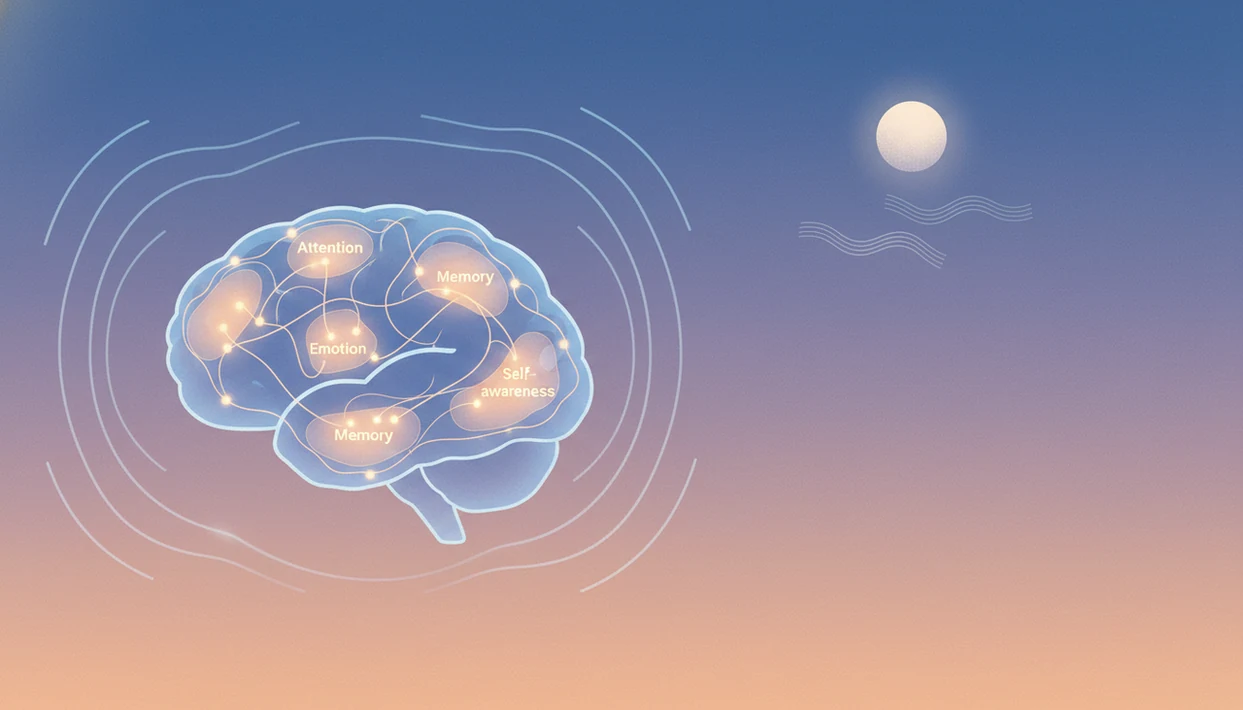
Mindfulness science studies how present-moment awareness practices, including meditation, body scans, breathing exercises, and mindful movement, affect mental health, brain function, and well-being in controlled studies. It separates the activity of practicing mindfulness from the question of whether that practice produces measurable benefits. Researchers compare outcomes such as anxiety symptoms, sleep quality, attention, and stress, rather than treating a feeling of calm as proof that a method works.
The evidence supports some benefits, but not every popular claim. A 2014 review of randomized trials found small-to-moderate improvements in anxiety, depression, and pain, without evidence that meditation outperformed active treatments. This guide explains what those comparisons mean, where findings remain uncertain, and how to keep practice in a supporting role.
What Mindfulness RCTs and Brain Scans Actually Measure
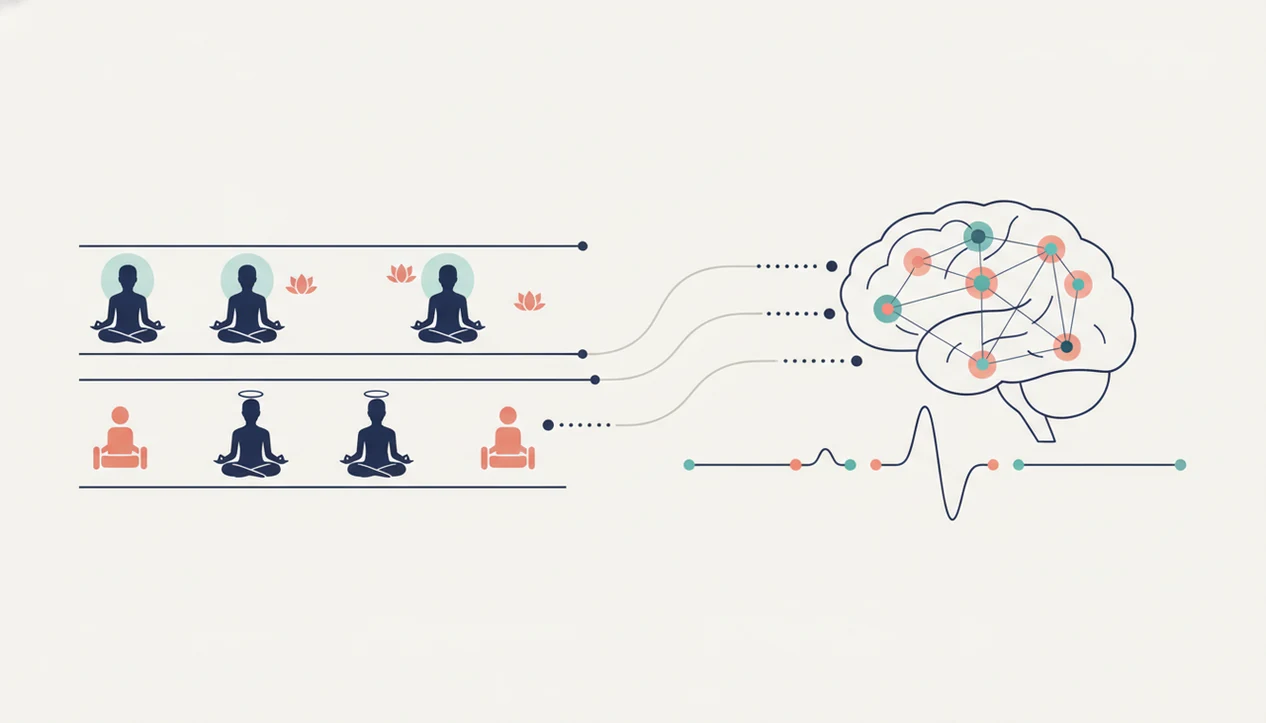
Mindfulness science studies measurable effects of present-moment, non-judgmental awareness, while mindfulness practice is the activity people do to build that skill. In research, that usually means a structured program, a guided meditation, a body scan, mindful movement, or a breathing exercise compared with a control group.
Researchers often measure stress reactivity, attention, emotion regulation, sleep quality, and self-reported well-being. Brain imaging studies may look at activity or connectivity in attention and emotion networks. Randomized controlled trials, or RCTs, ask a more practical question: did the group using mindfulness improve more than the comparison group?
Mindfulness is not the same as relaxation. A session may include a tense jaw, a worried thought, or a timer glowing beside an open notebook while sleep still feels out of reach. The practice is noticing what is happening without immediately suppressing, fixing, or following it.
That difference matters.
The comparison group changes what a result means
A positive trial result needs a comparison: better than what? A passive control, such as a waiting list, does not receive a competing intervention. An active control receives another activity or treatment. A 2021 review of 44 meta-analyses, covering 336 randomized trials and 30,483 participants, found that mindfulness interventions showed stronger results against passive controls. It also identified risks of bias and limited statistical power in comparisons with active controls.
That distinction matters when choosing between mindfulness and another form of support. Improvement over a waiting list does not establish that mindfulness is the better option than exercise, medication, or behavioral therapy. The 2014 meditation review found no evidence of superiority over active treatments. This does not mean nobody benefits. It means a study can support mindfulness as an option without establishing it as the best option.
Five Must-Know Facts From Mindfulness Research
- Mindfulness is purposeful attention. Most research defines mindfulness as paying attention to the present moment on purpose and without judgment.
- Short-term and long-term outcomes differ. A single guided session may reduce stress reactivity for some people, while repeated practice is more relevant to attention, emotion regulation, and well-being.
- Benefits are usually modest. A 2014 JAMA Internal Medicine systematic review and meta-analysis found small-to-moderate evidence for anxiety, depression, and pain, and found no clear evidence that meditation programs were superior to active controls: JAMA Internal Medicine study: 1809754.
- Several formats can deliver mindfulness. Studies use sitting meditation, body scans, breathing exercises, mindful movement, and structured programs. If sitting still feels awkward, a body scan or walking practice may be easier to repeat.
- Consistency matters more than one impressive session. For most beginners, choosing between a 5-minute breathing exercise and a 20-minute body scan is less important than returning tomorrow.
For beginners, a short guided session is often easier than silent practice because it gives the mind a specific place to return.
How Mindfulness Science Works in Brain and Body Mechanisms
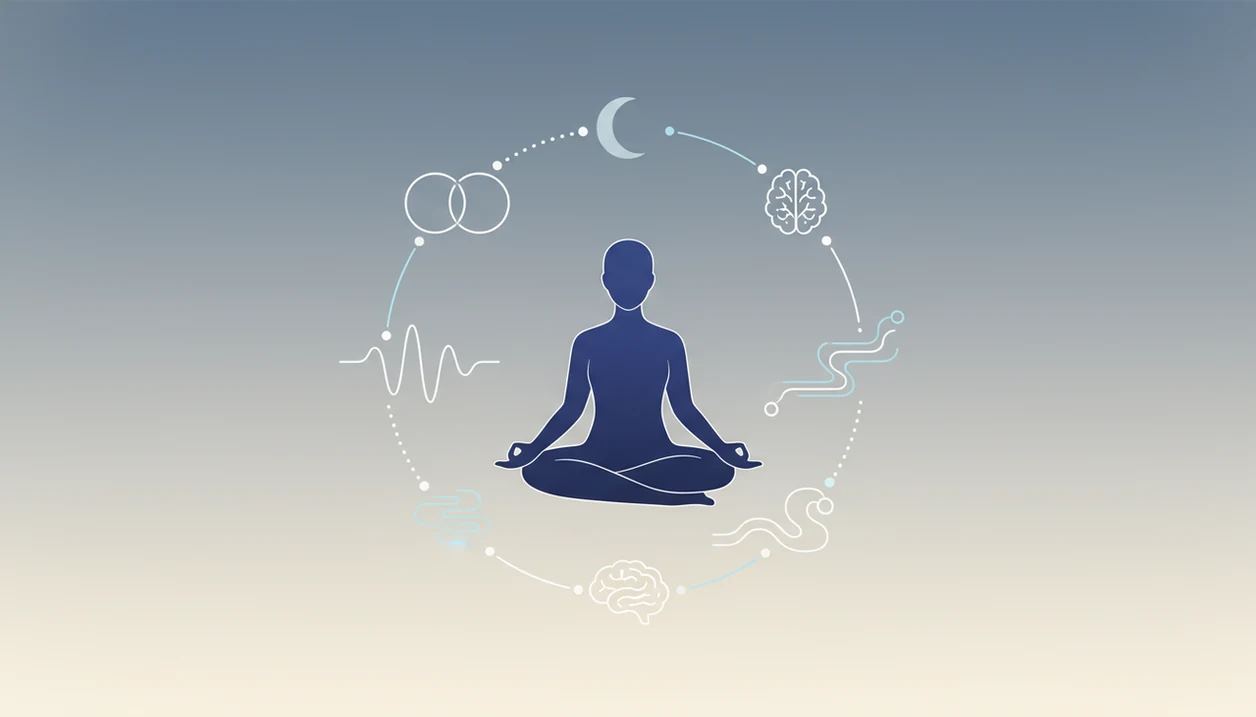
Mindfulness science works by studying how attention regulation, stress response modulation, and emotion regulation change during repeated practice. In plain language, it asks whether people can notice mental noise sooner and respond with less automatic tension. For a closer look at changing automatic responses, explore the science of breaking bad habits.
Attention and Stress Pathways
Attention regulation means redirecting focus from rumination back to a chosen anchor, such as breath, sound, or body sensation. Stress response modulation refers to changes in the autonomic nervous system, the body system involved in heart rate, breathing, and arousal. Someone might notice unread emails replaying behind closed eyes, then return to the breath instead of mentally answering them.
Why Brain-Rewiring Claims Are Overstated
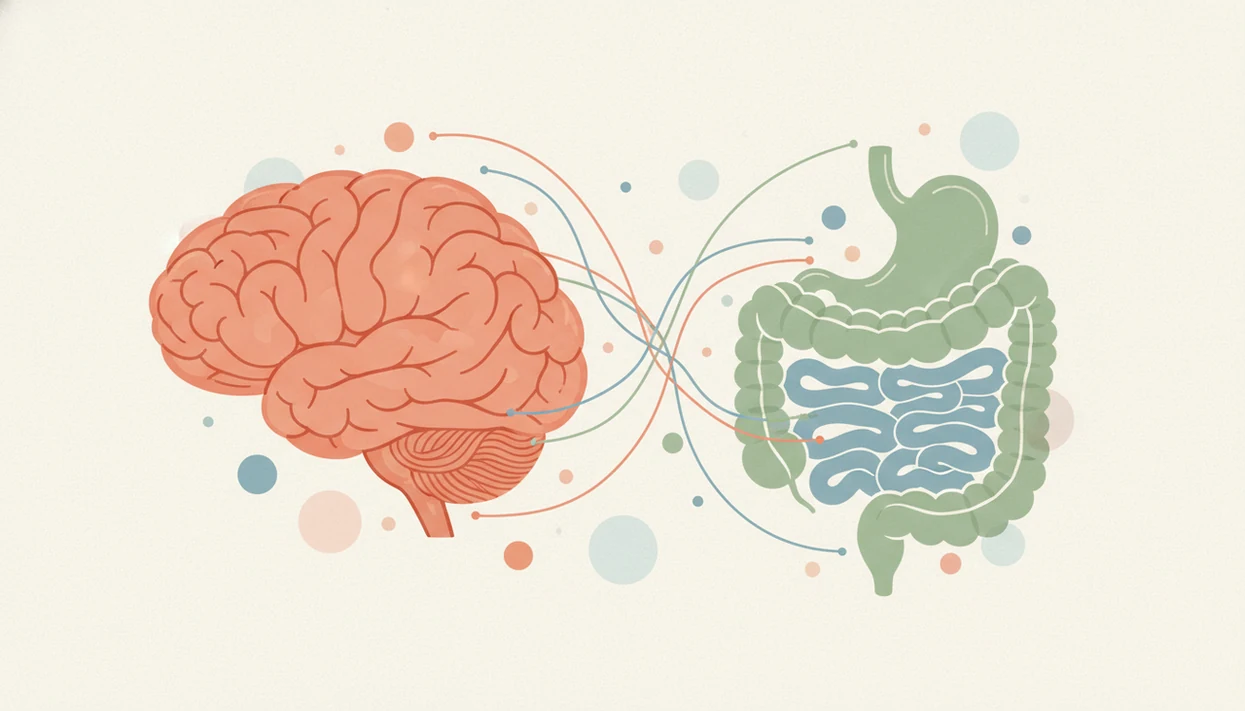
Some brain scan studies report changes in attention and emotion networks, but those findings do not automatically prove large daily-life benefits. The neuroscience is interesting, but mixed. Brain activity can shift during training without making anxiety, pain, or sleep problems disappear.
Feeling calmer does not prove a biological change
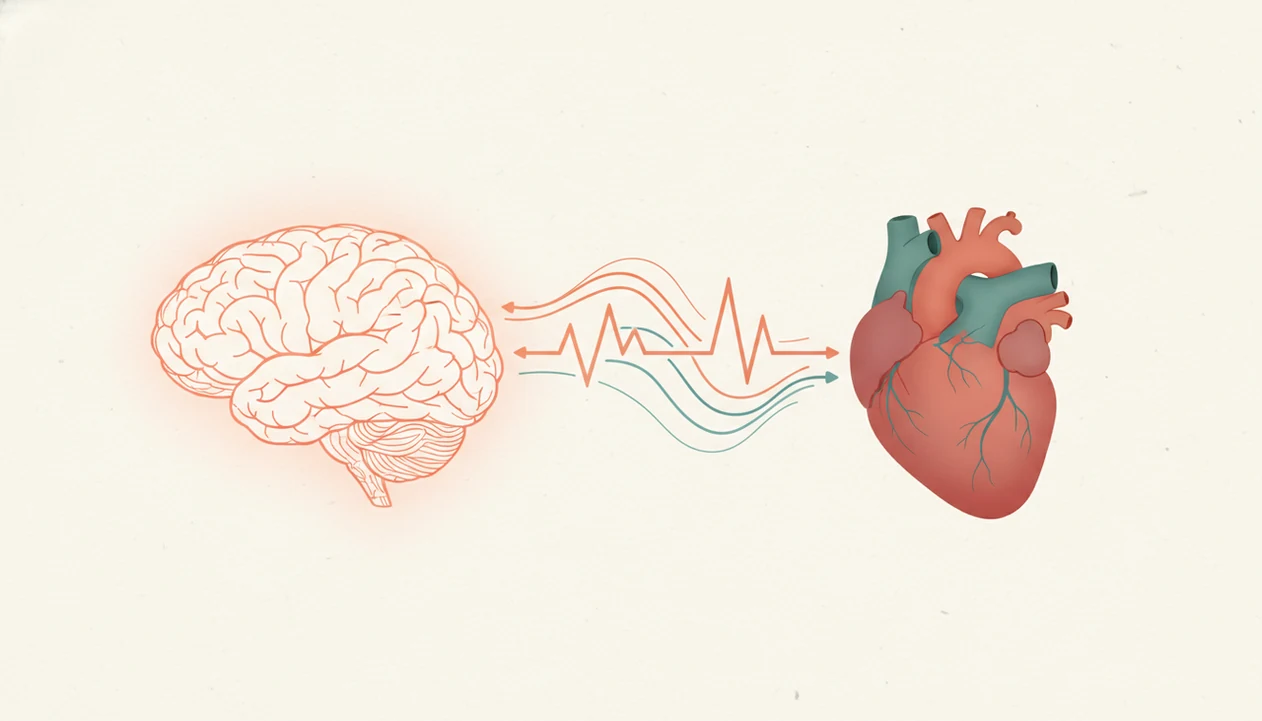
Claims about reduced inflammation or improved heart-rate variability need evidence separate from reports of feeling less stressed. A 2019 systematic review and meta-analysis found no significant evidence that standardized mindfulness-based interventions improved these measures compared with active controls, usual treatment, or waiting lists. These findings limit specific biological claims; they do not rule out changes in symptoms or daily functioning. For stress-hormone claims, meditation and cortisol evidence helps distinguish measured biological changes from a subjective sense of calm.
Psychological outcomes and proposed mechanisms also need to be kept separate. A 2017 systematic review found small-to-medium effects on self-reported and observable psychological outcomes. That supports examining changes in experience and behavior, but it does not prove that a particular brain change caused those improvements. A useful account of mindfulness science names the measured outcome first, then describes a possible mechanism without presenting it as settled. Research using a happiness activity regression model examines associations between activities and happiness, rather than establishing causation.
4-Week Daily Practice Plan From Mindfulness Science
Use mindfulness science as a practice plan, not a promise of instant calm. Most studies test repeated practice over weeks, so the useful question is what you can repeat without dread. For coping with everyday setbacks, consider science-backed strategies for resilience alongside a mindfulness routine you can repeat.
- Choose a format: Pick guided meditation, a breathing exercise, a body scan, or mindful movement.
- Set a realistic schedule: Practice 5 to 10 minutes daily if that feels manageable.
- Notice without suppressing: Let thoughts, sensations, and emotions appear without judging them as success or failure.
- Track one outcome: Record sleep, stress, mood, or focus for 4 to 6 weeks.
- Adjust based on evidence: Change format, time of day, or duration according to what you actually observe.
Tools like MindTastik offer guided meditation, breathing exercises, and sleep audio for these formats, alongside options from Calm and Headspace. If you need basic posture and timing help first, the how to meditate guide keeps the starting steps simple.
Knees under a throw blanket is still practice.
3 Outcomes in Mindfulness Science: Sleep, Anxiety, and Everyday Calm
Does mindfulness help with sleep, anxiety, and everyday calm? The evidence supports modest benefits for all three, but it does not support cure claims or replacing standard care.
Sleep Disturbance Evidence
In a 2015 JAMA Internal Medicine trial, 61 adults with moderate sleep disturbance were assigned to mindfulness meditation and 59 to sleep education: JAMA Internal Medicine study: 2110998. At 6 weeks, the mindfulness group showed greater reductions in insomnia symptoms, fatigue, and depression than the sleep-education group. That finding fits the nightly reality of dimming the phone screen before bedtime audio and trying not to scroll.
Anxiety and Depression Evidence
A 2022 Cochrane review included 21 randomized controlled trials on meditation programs for anxiety disorders. The evidence base is substantial, but limited by trial quality. A 2014 JAMA meta-analysis found small to moderate effects on anxiety, depression, and pain: JAMA Internal Medicine study: 1809754. The National Center for Complementary and Integrative Health says meditation and mindfulness are generally low risk for healthy people, but they are not proven replacements for standard treatment: NCCIH mindfulness overview: meditation and mindfulness effectiveness and safety.
The most defensible use of mindfulness is symptom support alongside ordinary care, not as a stand-alone medical solution.
4 Best-Fit User Groups for Mindfulness Science
Mindfulness science fits people who want a supportive practice for stress, sleep, anxiety symptoms, or everyday calm, and who can practice repeatedly over several weeks. It is less suited to people expecting a one-session fix.
Best for
- ✓ Adults managing everyday stress or general anxiety.
- ✓ People with mild-to-moderate sleep difficulty who want a wind-down routine.
- ✓ Beginners who prefer guided structure over silent sitting.
- ✓ People willing to practice consistently and compare what works.
Not ideal for
- ✕ Replacing therapy, medication, sleep treatment, or crisis support.
- ✕ Serious or worsening mental health symptoms without professional guidance.
- ✕ Anyone expecting immediate dramatic results.
- ✕ People who feel more distressed during practice and need a different support plan.
NCCIH describes mindfulness meditation as generally low risk for healthy people. Clinicians typically recommend standard care first for serious mental health or medical conditions, with mindfulness used as a supportive add-on when appropriate.
For sleep-focused routines, the sleep hygiene checklist pairs meditation with practical bedtime habits.
When to Seek Professional Help With Mindfulness Practice
Seek professional help if mindfulness practice makes symptoms feel intense, persistent, or harder to manage. Mindfulness can be useful support, but it is not a substitute for prescribed treatment, therapy, or urgent care.
- Pause practice if panic spikes, dissociation appears, or trauma memories feel stronger during or after meditation. Open your eyes, orient to the room, and choose grounding over pushing through.
- Contact a licensed clinician if anxiety, depression, sleep disruption, intrusive memories, or body fear keeps worsening or does not settle with ordinary support.
- Use your existing care plan if you already take medication, attend therapy, or follow medical advice. Treat mindfulness as an add-on, not a replacement or a reason to stop prescribed care.
- Seek crisis or emergency help if you have thoughts of self-harm, feel unsafe, or believe someone is in immediate danger.
A practice that works should make daily life more workable over time. If the cushion becomes the place where symptoms escalate, that is useful information, not a personal failure.
5 Myths About Mindfulness Science Evidence
Mindfulness evidence is useful, but it is easy to oversell. These five myths cause the most confusion.
- Myth: Mindfulness means emptying the mind. It usually means noticing thoughts without getting carried away by them.
- Myth: Mindfulness works immediately for everyone. Benefits usually depend on repeated practice and realistic expectations.
- Myth: Mindfulness replaces therapy or medication. It does not reliably replace clinical care for serious or persistent problems.
- Myth: Mindfulness guarantees dramatic brain rewiring. Brain scan findings are mixed, and observed changes do not prove large real-world effects.
- Myth: Mindfulness is just relaxation. It may include discomfort, worry, boredom, or sadness. The practice is changing your relationship to those experiences.
Some nights, “relax” is the wrong instruction.
A better prompt is: notice the thought, name it lightly, and return to the next breath. That is closer to the research definition than forcing calm.
Mindfulness Science Hub Map for Spoke Topics
This hub groups articles on mindfulness research, practice formats, sleep routines, and anxiety support. Choose the path that matches your current question.
- Neuroscience and basics: Start with how to meditate if you want a plain starting point before reading deeper science.
- Practical formats: Use mindfulness exercises and techniques to compare breathing, body scans, grounding, and mindful movement.
- Sleep research and routines: Pair bedtime practice with sleep hygiene when sleep disturbance is the main concern.
- Anxiety support: A meditation app for anxiety support can help you choose short reset sessions for tense workdays or evening worry.
- App choice: The best meditation app for sleep anxiety guide compares features for people choosing between guided audio, sleep sessions, and everyday calm tools.
Explore by outcome first: sleep, anxiety, beginner practice, or app comparison.
Guided sessions for a repeatable mindfulness routine
MindTastik’s guided meditation library and breathing exercises offer formats for a repeatable mindfulness routine. They suit adults who prefer spoken instructions to silent practice and want to observe changes in one outcome, such as everyday stress. Findings from mindfulness programs do not establish that a particular app session will produce the same results. People seeking treatment for persistent insomnia, anxiety, or depression should choose clinical care rather than an app alone.
What mindfulness studies cannot establish
Mindfulness research has real value, but the limits are important. They protect readers from disappointment and keep the practice in the right role.
- Mindfulness is not a proven cure for anxiety, insomnia, depression, or chronic pain. It may help some people manage symptoms.
- Study results vary because programs differ in quality, instructor skill, practice time, and design.
- Some neuroscience claims are overhyped. Observed brain changes do not automatically prove large real-world benefits.
- Mindfulness can feel frustrating or unhelpful, especially when someone expects immediate calm.
- One-off sessions are unlikely to produce the same effects reported in structured multi-week programs.
- A 2014 JAMA Internal Medicine meta-analysis found no evidence that mindfulness was superior to active control treatments: JAMA Internal Medicine study: 1809754.
- Mindfulness meditation programs are not proven to replace standard treatment for medical or mental health conditions.
- People with trauma histories, panic symptoms, or worsening distress may need professional support before or during practice.
If practice makes things feel worse, pause. Reset the plan.
MindTastik can support guided routines, but it should not be treated as therapy, emergency care, or medical advice.
Mindfulness research questions
Is mindfulness scientifically proven to work?
Research supports small-to-moderate benefits for some outcomes, especially anxiety symptoms, depression, and pain. It does not establish mindfulness as a universal treatment. Results depend on the program, outcome, and comparison group, and evidence for one outcome should not be treated as proof for another.
How long does mindfulness take to reduce anxiety?
There is no reliable deadline for an individual response. The 2014 review found modest anxiety improvements at eight weeks and smaller effects at three to six months. These are group averages from structured programs, not promises that a daily session will relieve symptoms within a particular number of days.
What does research say about mindfulness for sleep?
An evidence summary from NCCIH reports that an analysis of 18 studies found better sleep quality with mindfulness meditation than with education-based treatments. Few studies followed participants beyond two months, so lasting benefits remain uncertain. Mindfulness may support a bedtime routine, but it is not a proven cure for insomnia.
Do brain scans prove that mindfulness changes the brain?
Brain imaging can identify differences in activity or connectivity associated with meditation. Those findings do not by themselves show that mindfulness caused a meaningful improvement in everyday life. A proposed brain mechanism and a measured reduction in symptoms are different claims, and each needs its own evidence.
Can mindfulness meditation cause negative effects?
Yes, unpleasant or adverse experiences are reported. NCCIH summarizes a review in which approximately 8% of participants experienced a negative effect, though that does not establish that meditation caused every event. Pause practice if panic, dissociation, or intrusive memories intensify, and seek clinical guidance if symptoms persist or worsen.
Does mindfulness reduce inflammation or improve heart-rate variability?
These benefits are not consistently demonstrated. A 2019 systematic review found no significant evidence that standardized mindfulness programs improved inflammatory markers or heart-rate-variability measures compared with active controls, usual treatment, or waiting lists. Feeling calmer after practice should not be treated as evidence that either biological measure has changed.
What should I look for in a mindfulness study?
Check what outcome was measured, who participated, how long the program lasted, and what the comparison group received. Benefits against a waiting list do not establish superiority over another treatment. Also check follow-up length and reported harms, rather than relying only on a headline about a positive result.