
Obstacles To Happiness: 5 Common Barriers and How to Overcome Them
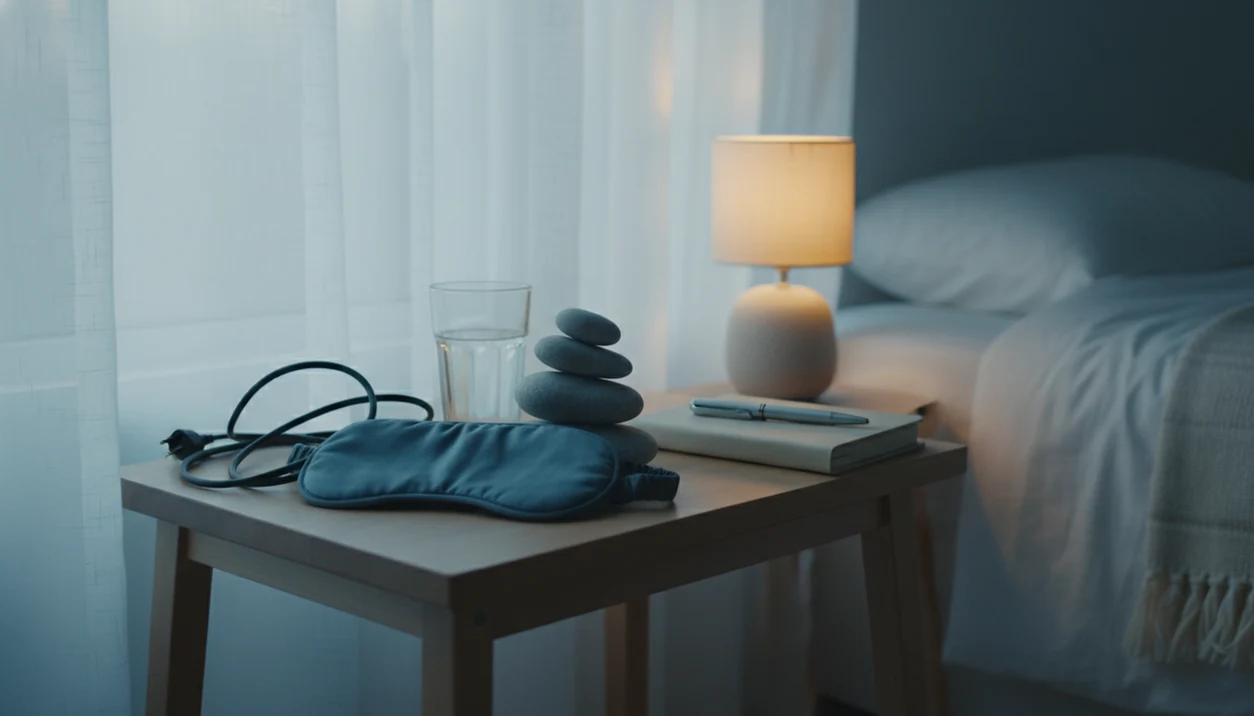


Five common obstacles to happiness are chronic stress, poor sleep, anxiety, negative thought loops, and disconnection from people or personal values. These barriers include mental habits, lifestyle patterns, and life situations that drain mood and make calm, focus, and satisfaction harder to sustain. They often overlap: a restless night can leave less patience for stress, while worry can make the next night harder.
A practical plan starts with one manageable change: a steadier sleep routine, a pause for recovery, a way to interrupt rumination, or time with someone who matters. Mindfulness, movement, social connection, and guided practices can support that plan. The aim is not constant happiness, and no app or habit can resolve every cause of distress.
What matters most
- Stress, anxiety, and poor sleep often reinforce each other, so fixing one can make the others easier to manage.
- Rumination, self-criticism, and social comparison can block happiness even when life looks stable on the outside.
- Mindfulness, better sleep routines, movement, social connection, and guided practices can help, but no app or habit is a cure-all.
Five Obstacles to Happiness That Block Everyday Calm
The five most common obstacles to happiness are chronic stress, poor sleep, anxiety, negative thought patterns, and disconnection from values or people. They are common and changeable, but they usually overlap rather than arrive one at a time.
- Chronic stress keeps the body braced, which makes ordinary rest feel oddly hard.
- Poor sleep lowers emotional recovery, especially after a night of checking the lock screen at 2:13 a.m. Late-night phone habits can affect mood, so consider how smartphones influence happiness when reviewing your sleep routine.
- Anxiety pulls attention toward threat, uncertainty, and “what if” thinking.
- Negative thought patterns include rumination, self-criticism, and constant comparison.
- Disconnection shows up when your calendar is full, but your life feels thin.
Happiness is not constant pleasure. It is closer to stable calm, meaning, and the ability to recover after difficult moments.
That can be practiced.
The rest of this guide turns those barriers into practical habits, with guided support where it fits.
How Obstacles to Happiness Work in the Brain and Body
Obstacles to happiness work by keeping the stress system active while reducing recovery time. In plain language, the body stays “on” too long, and the mind has fewer chances to reset.
Chronic stress can affect the autonomic nervous system, which helps regulate arousal and rest. When activation becomes the default, calm starts to feel unfamiliar. Poor sleep adds fuel: the CDC reports that 33.8% of U.S. adults sleep less than 7 hours in a 24-hour period (CDC guidance: adults sleep facts and stats.html). That kind of sleep loss can make emotions sharper and worry louder.
Attention matters too. What you rehearse mentally becomes easier to return to. A person who spends the evening replaying one awkward comment is training a rumination loop, not failing at happiness.
Anxiety is also widespread: NIMH reports that about 31.1% of U.S. adults experience an anxiety disorder at some point in life (nimh reference: any anxiety disorder). Clinicians typically recommend professional support when anxiety is persistent, severe, or disrupts daily function.
Obstacles to Happiness Guide: What to Fix First
The best first step is usually the obstacle that is most visible in your daily routine. If exhaustion or nighttime rumination is present, start with sleep before trying to optimize everything else.
| Obstacle | Common signs | First habit to try | When app support fits |
|---|---|---|---|
| Poor sleep | Wired at bedtime, scrolling, waking tired | Set a steady sleep-wake window | Bedtime audio or a body scan can replace late-night looping |
| Chronic stress | Tight chest, irritability, rushed mornings | Add one daily recovery pause | A 5-minute breathing session can mark the pause |
| Anxiety | Worry spikes, panic-like feelings, avoidance | Practice slow exhale breathing | Guided anxiety support can give structure |
| Negative thoughts | Self-criticism, comparison, replaying mistakes | Write and reframe one recurring thought | A guided session can help redirect attention |
| Disconnection | Success feels empty, low motivation | Schedule one values-based action | Reflection audio can support a weekly reset |
For people choosing between a 5-minute breathing exercise and a 20-minute body scan, the shorter option often wins because it actually gets used. If sleep is the main problem, our guide on does sleep meditation work goes deeper.
How to Use Obstacles to Happiness Tips in Daily Life
Use obstacles to happiness tips by turning one barrier into one repeatable habit. Trying ten changes at once usually creates pressure, not progress.
- Identify your main obstacle by asking, “What drains me most this week: sleep, stress, anxiety, thoughts, or disconnection?”
- Set a consistent sleep-wake routine, even if bedtime is not perfect yet.
- Practice 5-10 minutes of breathing or guided meditation at the same daily trigger point. A few simple meditation room ideas can help you create a quiet space for regular practice.
- Replace rumination or self-criticism with one written reframe, such as “This is a hard moment, not my whole life.”
- Review progress weekly without perfectionism; keep what helped and drop what became another chore. Learning about mindfulness and willpower can help you approach consistency without turning every missed practice into a personal failure.
For anxious beginners, a short guided practice is often easier than silent meditation because there is less empty space to fill with worry. The fuller meditation benefits timeline can help set realistic expectations.
Small counts.
What research says about happiness habits
A 2021 systematic review of psychological interventions for wellbeing found the strongest effects for mindfulness-based and multicomponent positive-psychology programs. Average benefits were generally moderate at best, and results differed by population and intervention intensity. This supports a measured expectation: a practice may help, but evidence for a structured program does not establish that a single brief exercise will produce the same benefit. Explore meditation research and habits to understand how evidence can inform a realistic daily practice.
The distinction also matters when symptoms are more serious. A 2018 review of 30 studies involving people with clinical disorders found modest improvements in wellbeing and depression, somewhat larger effects for anxiety, and no statistically significant effect on stress. Study quality was low to moderate. These findings support using happiness exercises as possible additional support, not as a substitute for treatment or proof that distress reflects insufficient effort.
Best For and Not For: Obstacles to Happiness Support
This approach is best for adults who want practical support for everyday stress, sleep struggles, overthinking, low motivation, or scattered focus. It works better for people willing to repeat small habits than for people chasing one dramatic fix.
Best for
- Everyday stress: A short reset can help when the laptop fan is loud and your shoulders are already near your ears.
- Sleep friction: Bedtime routines can reduce scrolling and create a clearer wind-down cue.
- Overthinking: Naming a thought loop can make it less convincing.
- Low motivation: Values-based actions help when external success feels flat.
Not ideal for
- Emergency situations: Crisis support is needed when safety is at risk.
- Treatment replacement: Meditation is not a substitute for therapy, medication, or qualified care.
- Severe distress: Persistent panic, depression symptoms, or loss of function deserve professional support.
MindTastik can support sleep, anxiety, focus, and everyday calm, but it is not medical care.
MindTastik Support for Sleep, Anxiety, and Focus Obstacles
MindTastik is a mindfulness and mental wellness app that offers guided meditation, self-hypnosis, sleep audio, and breathing exercises for everyday stress support. These tools fit best inside a broader habit plan that also includes sleep routines, movement, connection, and appropriate professional care when needed.
Guided meditation can help when your mind needs a voice to follow. Sleep audio can support a bedtime wind-down routine, especially after dimming the phone screen and putting it face-down on the nightstand. Breathing exercises fit work breaks, commuting pauses, or the few minutes after a tense conversation.
Self-hypnosis sessions may help some people rehearse calmer patterns, but they should not be framed as a cure for anxiety, depression, insomnia, or unhappiness.
Apps such as MindTastik, Calm, and Headspace can be useful tools; the key is matching the practice to the actual obstacle.
Visible Questions About Obstacles to Happiness
“What blocks happiness the most?” The strongest blockers are usually chronic stress, poor sleep, anxiety, rumination, and disconnection from meaningful people or values.
What blocks happiness the most?
Chronic stress, poor sleep, and anxiety often block happiness the most because they affect both mood and physical recovery. When the body is tired and alert at the same time, small problems feel larger.
Why am I not happy even when life is fine?
You may not feel happy even when life looks fine because internal patterns still matter. Rumination, self-criticism, loneliness, unmet needs, or anxiety can drain satisfaction without an obvious external crisis.
A quiet room can still feel noisy inside.
Can meditation remove happiness obstacles?
Meditation can help reduce some obstacles to happiness, especially overthinking, stress reactivity, and scattered attention. It works best as a supportive practice, not as the only tool. For more context, read what happens when you meditate daily.
When to Seek Professional Help for Unhappiness or Anxiety
Seek professional help when unhappiness or anxiety lasts, worsens, or starts interfering with daily life. Everyday stress support can be useful, but persistent sadness, panic, numbness, insomnia, or loss of function deserves care from a licensed clinician.
A meditation app, sleep audio, or breathing practice can support rough days. Treatment for anxiety, depression, or insomnia is different: it may include therapy, medication, medical evaluation, or a structured care plan. If you feel detached from life, avoid basic responsibilities, cannot sleep for long stretches, or feel frightened by your own thoughts, do not wait for the “right” self-help habit to fix it.
- Notice symptoms that keep returning, intensify, or make work, school, parenting, hygiene, eating, or relationships harder.
- Contact a licensed therapist, psychologist, psychiatrist, primary care clinician, or local mental health clinic for an assessment.
- Tell someone you trust if you feel unsafe, overwhelmed, or unable to manage the next few hours alone.
- Seek urgent help now if you have thoughts of self-harm, might harm someone else, or face immediate safety concerns; call emergency services or a local crisis line.
Guided support for worry loops and bedtime stress
MindTastik's guided meditation library offers a voice to follow when rumination makes an unstructured pause difficult. Breathing exercises can mark a break between tasks, while sleep stories and soundscapes can form part of an evening wind-down routine. These sessions fit everyday stress support, not a promise of happiness.
Persistent sadness, panic, or insomnia calls for professional assessment rather than more app sessions. When disconnection is the main barrier, time with other people or a meaningful activity may be the more useful first step.
What daily habits cannot solve
Removing obstacles can improve well-being, but it does not guarantee constant happiness. Some weeks are still heavy, even with good habits.
- Meditation and mindfulness are not substitutes for professional treatment for moderate to severe mental health symptoms.
- Some people feel restless, bored, emotional, or more anxious when starting meditation; our guide to meditation side effects explains this discomfort.
- App-based happiness evidence is promising, but still developing, and results vary by person.
- NIMH reported that about 21.0% of U.S. adults had at least one mental illness in 2020, so persistent symptoms should be taken seriously (nimh reference: mental illness).
- A 2014 JAMA Internal Medicine meta-analysis found mindfulness meditation programs produced small-to-moderate improvements in anxiety and depression, not instant or universal change (JAMA Internal Medicine study: 1809754).
- Too many self-help tips at once can become another source of pressure.
- Sleep, movement, therapy, medication, social support, and safer living conditions may matter more than meditation for some people.
If safety is a concern, seek urgent help now. Do not wait for a habit plan to work.
Questions about barriers to happiness
What are the five common obstacles to happiness?
The five barriers discussed here are chronic stress, poor sleep, anxiety, negative thought patterns, and disconnection from people or values. They are not a complete list or a ranking. Several can occur together, so identifying the most disruptive daily pattern is more useful than trying to address everything at once.
Why am I unhappy when nothing seems wrong?
A stable-looking life can still include rumination, self-criticism, loneliness, anxiety, or unmet needs. External circumstances do not fully describe how someone feels. Persistent unhappiness deserves attention even without an obvious cause, especially when it affects sleep, relationships, work, or basic responsibilities.
Can poor sleep make it harder to feel happy?
Poor sleep can reduce emotional recovery and make worry or everyday frustrations harder to manage. When exhaustion is the clearest problem, a consistent sleep-wake routine is a reasonable starting point. Ongoing insomnia needs professional attention rather than relying only on bedtime audio or meditation.
How can I stop overthinking things I cannot change?
The aim is to interrupt the loop, not prevent every unwanted thought. Naming the pattern as rumination, writing one balanced reframe, or returning attention to a brief guided practice can provide a next step. Persistent or disabling worry may need clinical support rather than repeated attempts to think differently.
Can meditation help with happiness?
Mindfulness-based programs can improve wellbeing on average, but benefits vary and are generally small to moderate. Meditation is better understood as support for attention and coping than a way to force a happy mood. Some people feel more anxious or emotional during practice, so it is not the right fit for everyone.
Which happiness habit should I start with?
Start with the barrier most visible in daily life. Exhaustion suggests attention to sleep; repeated worry suggests a brief recovery pause or guided practice; disconnection suggests contact with someone meaningful or a values-based activity. Choose one manageable action and review whether it helps, rather than adding several demanding routines.
When should unhappiness be assessed by a professional?
Seek professional help when unhappiness persists, worsens, or interferes with daily functioning. Persistent sadness, panic, numbness, insomnia, or difficulty meeting basic responsibilities are reasons to contact a licensed clinician. Meditation and other daily habits can offer support, but they do not replace assessment or treatment.