
Smartphones And Happiness: A Practical Guide To Calmer Phone Use
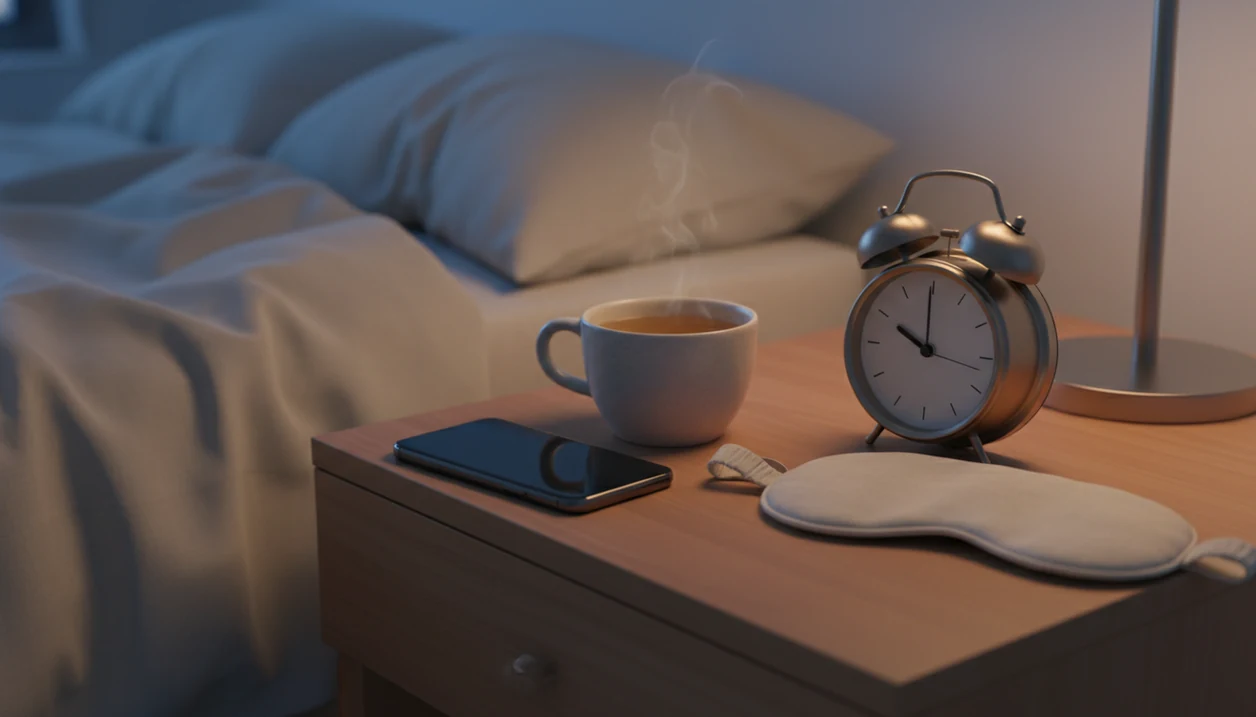


Smartphones and happiness are not automatically opposites: a phone can support connection, meditation, sleep routines, and focus, while passive scrolling, comparison, and disrupted sleep can leave people feeling worse. The topic concerns how daily phone habits relate to mood, stress, attention, social connection, sleep, and overall life satisfaction. A call with a friend and an hour of late-night scrolling are different uses, even on the same device.
The practical goal is to give phone use a clear purpose and a stopping point. Guided audio can be one option for a calm break or bedtime routine, but opening a meditation app is not itself a guarantee of better well-being. Sleep, concentration, and the feeling left after use are useful things to track alongside screen time.
What matters most
- Phone use affects happiness most through sleep, attention, stress, and social comparison.
- Passive scrolling is more likely to feel draining than active, purpose-based use such as calling a friend, setting a sleep routine, or using a guided meditation.
- MindTastik can fit as a gentle phone-based calm tool when used intentionally for sleep, anxiety support, breathing, or everyday calm rather than as another endless app loop.
Smartphones And Happiness In One Practical Answer
Smartphones are not inherently good or bad for happiness; the pattern of use matters more than the device. The main risk is passive, compulsive, or bedtime use that steals sleep, fragments attention, or keeps comparison loops open.
For most adults, daily connected life is normal now. Pew Research Center reported that 85% of U.S. adults said they went online at least daily in 2021, including 31% who said they were online almost constantly (Pew Research report: internet broadband). It is “What job is this phone doing right now?”
A phone can help when it is used for a clear purpose: calling someone, starting a guided session, playing sleep audio, or doing a two-minute breathing exercise before replying. The phone face-down on the nightstand tells the whole story. Same device, different boundary. Simple meditation room ideas can help you create a quiet space for intentional practice away from phone distractions.
How Smartphones And Happiness Work In Daily Life
Smartphones and happiness work through reward loops, social comparison, interruption, sleep timing, and emotional regulation. In plain language, phones can either steady your day or keep your nervous system checking for the next hit.
Screen time totals are a blunt measure. Thirty minutes spent talking to a close friend is different from thirty minutes of scrolling after midnight. The type, timing, and emotional residue of use matter more than the number alone.
Passive consumption often pulls attention outward. Active, goal-based use gives the phone a defined job, such as setting a timer, opening a breathing practice, or playing a sleep story. For bedtime, sleep is the big pathway. Poor sleep can make the next day feel flatter, more reactive, and harder to manage.
For people comparing meditation routines, do meditation apps actually help is usually a better question than whether phones are always harmful.
Five Smartphones And Happiness Facts People Usually Miss
- Use pattern matters most. Smartphone effects depend more on how the phone is used than on the device itself.
- Sleep is a clear pathway. Late-night scrolling, alerts, and bright engagement can delay sleep, and poor sleep often affects mood the next day.
- Constant use raises pressure. Pew Research Center reported in 2022 that 46% of U.S. teens said they were online almost constantly, which can make comparison and distraction harder to avoid (Pew Research report: teens social media and technology 2022).
- Meditation apps are support tools. Recent research has examined smartphone-based meditation training as a scalable well-being tool, but apps are not cures for anxiety, depression, or insomnia.
- Replacement beats purity. Replacing some doomscrolling with a short calming routine is more realistic than trying a full digital detox on Monday morning. Practicing mindfulness and willpower can help you replace automatic scrolling with a calming habit you can repeat.
Small swaps count.
For many adults, a five-minute breathing exercise is easier to repeat than a strict no-phone rule because it gives the habit somewhere useful to go.
Smartphones And Happiness Boundaries: Best For Adults, Not For Crisis Care
Smartphone-based happiness habits are best for adults who want better boundaries, calmer transitions, focus resets, or structured reminders. They are not appropriate as crisis care or as a replacement for clinical support.
| Fit | Good use | Not enough for |
|---|---|---|
| Bedtime boundaries | Move stimulating apps away from sleep and use a defined wind-down routine | Persistent insomnia needing evaluation |
| Stress transitions | Use breathing before reactive scrolling | Severe anxiety or panic symptoms |
| Focus resets | Schedule short breaks instead of constant checking | Attention issues needing professional assessment |
| Meditation reminders | Build a repeatable supportive practice | Depression, crisis, or safety concerns |
Best for
Best for adults who already use phones heavily and want to redirect part of that habit into intentional support. Tools like MindTastik, Calm, and Headspace can help when the session has a start and stop point.
Not for
Not for severe anxiety, depression, insomnia, crisis situations, or symptoms that call for medical or therapeutic care. MindTastik offers adults guided practices, calming sleep audio, breathing sessions, and self-hypnosis support for everyday stress, rest, and relaxation.
When frequent checking becomes a problem
High phone use alone does not establish a clinical problem. A 2025 clinical review of problematic smartphone use identifies more concerning patterns: difficulty controlling use, continuing despite harm, distress when the phone is unavailable, and interference with sleep, work, or relationships. Unpredictable messages, social feedback, and new content can reinforce repeated checking. The useful question is what the checking interrupts, not simply how often it happens.
For example, repeatedly checking during work despite missed deadlines is different from spending substantial time on necessary calls. The review recommends monitoring use, scheduling phone-free periods, reducing use before bed, and maintaining a regular sleep schedule. These are management recommendations, not a diagnostic checklist or proof that a particular screen-time limit treats the problem. Persistent interference with daily life is a reason to seek professional assessment rather than rely only on app settings.
How To Use Smartphones And Happiness Tips Without Doomscrolling
Choose one task for the phone before opening it, such as answering a message or starting a breathing session. If the goal is vague, the app grid usually wins.
- Set one goal such as better sleep, less anxiety spiraling, or sharper focus after lunch.
- Remove one trigger by moving late-night social apps, muting nonessential notifications, or deleting one shortcut from the home screen.
- Schedule one short block for meditation, breathing, or sleep audio, ideally at the same time each day.
- Notice the after-feeling by asking, “Do I feel calmer, sharper, or more keyed up?”
- Reset weekly based on energy, sleep, and mood rather than screen time alone. Learning how to make lasting change can help you turn weekly adjustments into steadier phone habits over time.
Some people want a simple track they can start before the next scroll takes over. That kind of practical need is a better guide than trying to build a flawless routine. If your routine feels stalled, explore how to get unstuck in life by choosing one manageable change today.
If you want a broader habit lens, how to break a bad habit mindfulness explains why replacement often works better than willpower.
Smartphones And Happiness Tips For Sleep, Anxiety, And Focus
Smartphones can support happiness when they are used as tools for sleep routines, anxiety support, and focus resets.
Sleep routines
Move stimulating apps away from bedtime and use calming audio as a defined endpoint. The CDC says most adults need at least 7 hours of sleep per night, and short sleep is associated with poorer health and functioning (CDC guidance: index.html). Try dimming the phone screen before starting bedtime audio. If sleep is your main concern, does sleep meditation work covers that question in more detail.
Anxiety support
Use a short breathing or grounding session before reactive scrolling. A guided voice through cheap earbuds can be enough structure when breath count gets lost after four.
Focus resets
Use the phone for timed breaks, not constant interruption. For busy days, how to be mindful without meditating may fit better than a long session.
Smartphones And Happiness Statistics Worth Knowing
Smartphones and happiness statistics show why phone habits matter, but they do not prove every phone causes unhappiness. They point to exposure, timing, and routine as the useful places to intervene.
| Statistic | Practical meaning |
|---|---|
| Pew 2022: 85% of U.S. adults go online at least once a day | Connected life is ordinary, so habit design matters more than panic |
| Pew 2022: 46% of U.S. teens are online almost constantly | Comparison and interruption can become hard to avoid |
| CDC: adults need 7 or more hours of sleep | Bedtime phone use deserves special attention |
| Meta-analysis of mindfulness app studies | App-based mindfulness interventions show promise for stress and well-being support, but effects are usually modest and depend on adherence (PubMed research: 33307143) |
The most useful medically aligned step is protecting sleep first, then adjusting attention and stress habits around it. For meditation, the meditation benefits timeline can help set realistic expectations.
What mindfulness-app trials actually found
A 2023 systematic review of 28 randomized controlled trials found that 19 studies reported improvement in at least one well-being outcome. Interventions lasted 7 to 56 days, with a median of 28 days. This supports a narrower claim than “phones improve happiness”: some structured mindfulness interventions may help some aspects of well-being in nonclinical populations. The apps, measures, and study quality varied substantially. Explore the evidence behind these findings through meditation research and habits before choosing a routine to repeat.
A separate meta-analysis of 34 trials involving 7,566 participants found small-to-moderate improvements in stress, anxiety, depression, and psychological well-being, but no statistically significant improvement in distress or general well-being. Those distinctions matter because feeling less stressed is not the same outcome as becoming happier overall. These findings concern mindfulness-app interventions, not ordinary smartphone use, and do not establish that MindTastik produces the same results.
A short audio break instead of another feed
MindTastik’s breathing exercises suit adults who want a defined pause before returning to messages or social media. Guided meditations and focus sessions offer another clear use for the phone, while sleep stories can provide an endpoint to an evening routine. The session should replace browsing, not extend it. People who find any phone access prompts more checking may prefer a phone-free break. Persistent insomnia or significant anxiety needs more than an app, which is not a medical treatment.
What phone-use research cannot prove about happiness
Research on smartphones and happiness is useful, but it is not simple cause and effect. Happier people may use phones differently from less happy people, and stressed people may reach for phones more often.
Keep these limits in mind:
- Many studies show association, not proof that phones directly reduce happiness.
- Screen time totals can hide important differences between supportive and draining use.
- Meditation apps can support calm, but they are not substitutes for therapy, medical care, or sleep treatment.
- Benefits from app-based meditation are usually modest and depend on repeated practice.
- A wellness app still lives on the same device that can cause distraction.
- Claims about fast happiness boosts are often overstated.
- People in crisis, or with severe anxiety, depression, or insomnia, should seek professional or emergency support.
That last point matters. A calm routine can help your evening, but it should not carry a medical load it was never built to carry.
Questions about phones, mood, and sleep
Do smartphones make people less happy?
Not necessarily. Problematic smartphone use is associated with stress, anxiety, depression, and sleep disruption, but association does not prove that the phone caused those difficulties. A useful assessment looks at control and consequences: does use interfere with sleep, work, or relationships, and is it difficult to stop despite those effects?
How much screen time is too much for an adult?
The research summarized here does not establish one daily limit for every adult. Time spent on necessary work or conversation is different from repeated checking that disrupts sleep or responsibilities. Track the purpose, timing, and consequences of use as well as the total, then set boundaries around the activities causing problems.
Why do I keep checking my phone when there is nothing new?
Unpredictable rewards, such as a new message or social response, can reinforce repeated checking. The possibility of something new can keep the habit going even when most checks produce nothing useful. Turning off nonessential notifications and setting phone-free periods are recommended ways to interrupt the pattern, though neither guarantees that checking will stop.
Can a meditation app improve happiness?
Mindfulness-app trials suggest improvements in some well-being outcomes, but results are not uniform. A meta-analysis found benefits for stress and psychological well-being without a statistically significant improvement in general well-being. That supports using an app as a structured practice tool, not treating it as a guaranteed route to happiness or a substitute for care.
Should I stop using my phone before bed?
Reducing phone use before bed is a management recommendation for problematic use and sleep disruption. A practical boundary is to finish stimulating browsing before the wind-down routine. If the phone supplies bedtime audio, choose the session in advance and stop browsing afterward. That specific combination is practical guidance, not a standardized clinical protocol.
Is a digital detox better than smaller phone boundaries?
The research notes do not establish that a complete digital detox is better. Recommended strategies include monitoring use, scheduled phone-free periods, and less use before bed. Smaller boundaries can target a specific problem without removing useful calls or work access. Their value depends on whether sleep, attention, or daily functioning actually improves.
When should I get help for compulsive phone use?
Seek professional assessment when phone use persistently interferes with sleep, work, or relationships, especially if attempts to reduce it repeatedly fail. Distress when the phone is unavailable and continued use despite harm are also concerning signs. A screen-time total alone cannot diagnose a problem, and meditation apps are not medical treatment.