
How To Be Mindful Without Meditating
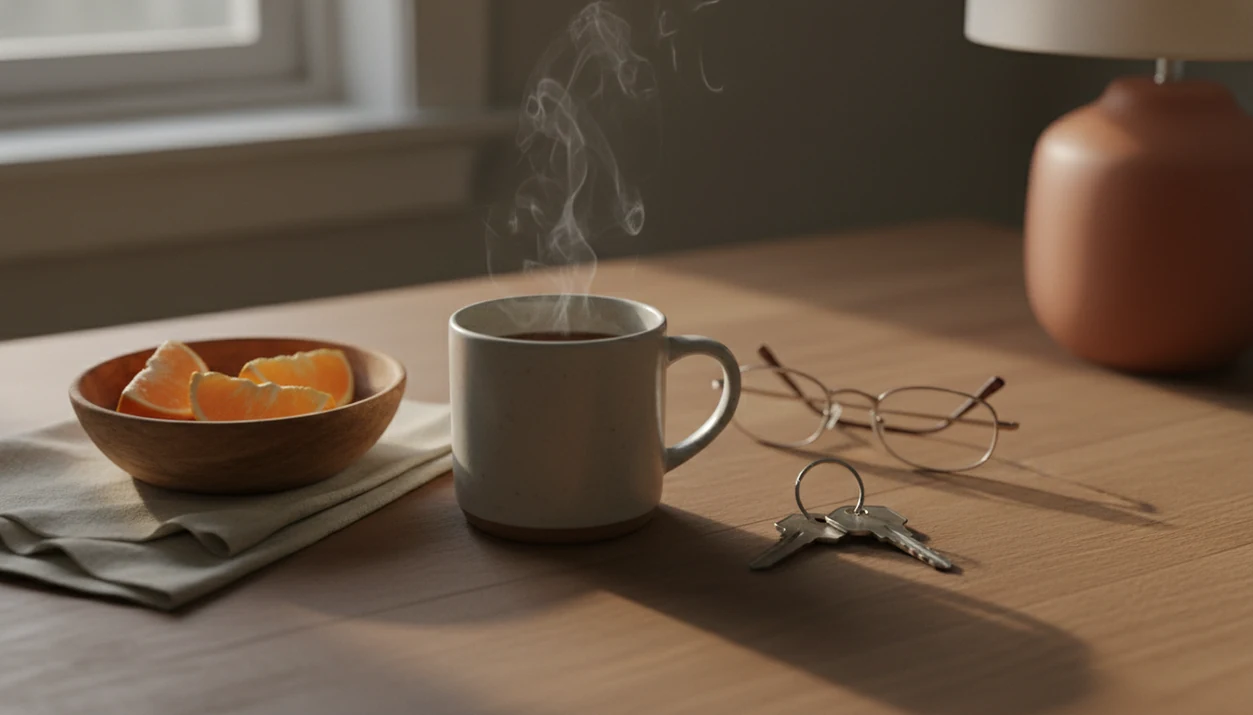


Being mindful without meditating means practicing present-moment, nonjudgmental awareness during ordinary activities rather than in a formal seated session. Walking, eating, showering, working, and getting ready for bed can all become attention exercises. The aim is not to empty the mind. It is to notice what is happening, gently name a distraction, and return attention to the activity at hand.
A practical starting point is a 30- to 120-second pause attached to an existing routine, such as making coffee or taking the first bite of lunch. Sitting still and closing the eyes are optional. Guided breathing, body scans, or sleep audio can provide structure, but informal mindfulness can also be practiced without audio or an app.
The essentials
- Mindfulness does not require sitting still, closing your eyes, or doing long meditation sessions.
- The easiest approach is to attach 30- to 120-second mindful “reps” to daily routines like coffee, walking, email, meals, and bedtime.
- Guided audio can support the habit with breathing prompts, sleep audio, body scans, and anxiety-focused sessions when you want structure.
How to be mindful without meditating: the practical answer
You can be mindful without meditating by using normal activities as attention practice. The basic loop is simple: notice what is happening, name where your mind went, then return to the thing you are doing.
That might mean feeling your feet during a hallway walk, hearing water in the shower, or noticing the first bite of lunch before reaching for your phone. No cushion required.
The skill builds through repetition, not one calm session. For busy adults, informal mindfulness often fits better than formal meditation because it attaches awareness to routines that already happen. Try it before a meeting, during a bedtime wind-down routine, or when a timer reminds you to pause, sit with steady posture, and take one deliberate breath.
Before You Start: Choose A Safe Mindfulness Anchor
Start with an anchor that feels steady, ordinary, and safe enough to repeat. Mindfulness should make attention more workable, not push you into sensations or situations that feel overwhelming.
- Choose one low-stakes routine you already do every day, such as making coffee, washing your hands, opening your laptop, or turning off a bedside lamp. The less dramatic the cue, the easier it is to practice without pressure. For a repeatable start to the day, learn how to create a morning ritual around one ordinary activity.
- Use an external anchor if body sensations feel activating. Try sounds in the room, colors you can see, the texture of a mug, or the feeling of your feet contacting the floor through shoes.
- Keep the first round brief and stop before it becomes a project. Under two minutes is enough; even 30 seconds counts.
- Avoid practicing during safety-critical tasks, including driving, cycling in traffic, operating tools, cooking over high heat, or supervising children near water.
- Get support if distress increases. If attention exercises intensify panic, trauma memories, dissociation, compulsive checking, or severe insomnia, pause the practice and work with a qualified mental health or medical professional.
Mindfulness skills in the brain and body during daily tasks
Informal mindfulness works by repeatedly redirecting attention from autopilot to present-moment sensory experience. In plain language, you are training attention control and nonjudgmental awareness during real life.
Autopilot is the mode where the body is washing a cup, but the mind is replaying tomorrow’s meeting. Mindfulness interrupts that loop. You feel the water temperature, notice the shoulders tightening, and label the thought as “planning” or “worrying.” Then you return.
That small return matters.
A 2014 systematic review and meta-analysis in JAMA Internal Medicine found that mindfulness meditation programs showed moderate evidence for improving anxiety, depression, and pain, and lower evidence for stress and mental-health-related quality of life: JAMA Internal Medicine study: 1809754. However, that evidence is strongest for structured programs, not every 60-second informal practice. Clinicians typically recommend mindfulness as a supportive coping skill, not as a replacement for therapy, medication, sleep care, or crisis support when symptoms are significant.
What research says about skipping formal meditation
A 2018 randomized trial of 155 university staff and students compared two online mindfulness programs with a wait-list control. One program included formal meditation; the other did not. Both mindfulness groups improved across the measured outcomes, with small-to-medium effect sizes of 0.25 to 0.37. The routine-based activities included brushing teeth, drinking tea or coffee, and mindful walking.
The trial also included a journal for recording mindful activities and reflecting on them, so it did not isolate the effect of a single sensory pause. A 2019 review of brief mindfulness interventions reported some benefits after single sessions lasting 5 to 20 minutes. That supports studying shorter practices, but does not establish that a 30-second pause produces the same results. Treat very short pauses as a manageable practice format, not a proven treatment dose.
Five facts in this how to be mindful without meditating guide
- Formal meditation is optional. Mindfulness skills can be practiced while walking, eating, showering, emailing, or getting ready for bed.
- Daily cues help memory. A repeatable cue, like lunch, a commute, or a closed office door for ten minutes, makes the habit easier to repeat.
- Benefits usually build over weeks. The pattern is closer to practice than rescue; one mindful breath may help, but consistency changes the routine.
- Mindfulness is not emptying the mind. Wandering thoughts are expected, and the return of attention is the practice.
- Guided support can reduce friction. Short audio, body scans, and breathing prompts can help people who forget the steps once the day gets noisy.
For habit timing, the broader meditation benefits timeline is useful because it separates early comfort from longer-term practice effects.
Six daily routine steps for non-meditation mindfulness
Use this as a tiny daily loop, not a performance test. If your mind wanders five times in one minute, you have five chances to practice returning. A morning and evening self-compassion practice can help you approach these daily repetitions with kindness rather than self-criticism.
- Pick one repeatable daily cue, such as coffee, commute, shower, lunch, or bedtime.
- Set a short time window of 30 to 120 seconds, so the habit feels doable.
- Notice one sensory anchor, such as feet, hands, breath, sound, or temperature.
- Name wandering thoughts without judging them: “planning,” “remembering,” “worrying.” When recurring thoughts concern past mistakes, practicing letting go of regret can complement this gentle labeling habit.
- Return to the activity and repeat the cue daily.
- Add guided audio if structure helps, using a reputable mindfulness app, sleep-audio library, or nonprofit mindfulness resource.
1. Pick a daily cue
Choose something that already happens. The cue should be ordinary enough that you don’t need motivation.
2. Set a tiny time window
Start with one minute. Longer can come later.
3. Notice one anchor
Use one sensation, not ten. Feet on the floor is often easiest.
4. Name the distraction
Keep the label plain. “Worrying” works better than a debate with yourself.
5. Return and repeat
The return is the rep. For broader habit design, compare this with how to change a habit for good.
Common Mistakes When Practicing Mindfulness Without Meditating
The most common mistake is treating mindfulness like a shortcut to calm. The goal is to notice what is present, even if what is present is tension, boredom, noise, or a busy mind.
Use this quick troubleshooting list when the practice starts to feel confusing or forced.
- Aim for awareness, not a mood change. Calm may show up, but it is a side effect, not the assignment. If you feel irritated, silently note “irritation” and return to the cup, step, sound, or screen in front of you. If you also want to build a more hopeful outlook, explore how to be more optimistic alongside awareness practice.
- Choose one anchor at a time. In a 60-second practice, jumping between breath, feet, hands, sounds, and thoughts can become another form of mental clutter.
- Treat wandering as the rep. A drifting mind is not proof you failed. Noticing “planning” and coming back is exactly the skill you are training.
- Start in neutral moments. Practice while washing hands or making coffee before trying it during a panic spike, argument, or 3 a.m. spiral.
- Skip body scans when body focus feels unsafe. Use external anchors instead, such as room sounds, colors, or the texture of an object.
Non-meditation mindfulness tips for sleep, anxiety, and focus
Different problems need different anchors. A racing mind at bedtime usually needs a quieter cue than a focus reset before work.
| Situation | Try this mindful practice | Why it helps |
|---|---|---|
| Racing thoughts at bedtime | Dim the phone screen, place it face-down, and follow a slow body scan or wind-down routine | It gives attention a softer track than rumination |
| Anxiety spike | Name 3 sights, 2 sounds, 1 touch point, then take three steady breaths | It shifts attention from threat loops to sensory grounding |
| Focus drift | Pause before a work block and feel both feet for 60 seconds | It marks a clean start for one-task attention |
| Chore stress | Notice temperature, pressure, movement, or sound while folding laundry or walking | It turns a routine task into a short reset |
If bedtime audio is your main interest, the question does sleep meditation work deserves a closer look.
Best-fit adults and safety boundaries for mindfulness tips
These mindfulness tips fit busy adults who dislike formal meditation but still want calmer routines. They are especially practical for mild stress, sleep wind-down, anxious thoughts, and focus resets.
Best for
- Adults who want 30- to 120-second practices
- People who forget or resist seated meditation
- Anyone building a supportive practice around work, chores, or bedtime
- Beginners who need a simple starting point
Not ideal for
- Replacing therapy, medication, crisis care, or medical sleep treatment
- Severe anxiety, depression, trauma symptoms, or persistent insomnia without professional support
- People who feel overwhelmed when focusing on body sensations
NIMH reports that about 19.1% of U.S. adults had an anxiety disorder in the past year: nimh reference: any anxiety disorder. For research on mindfulness and perceived stress, see this randomized trial of routine-based mindfulness. Accessible strategies matter, but boundaries matter too.
When To Seek Professional Help
Seek professional help when mindfulness stops feeling supportive and symptoms feel severe, unsafe, or harder to manage over time. Informal practice can sit beside care, but it should not replace assessment, diagnosis, therapy, medication, or sleep treatment when those are needed.
Use the practice as a signal, not a test of willpower. If a body scan makes trauma memories louder, or bedtime breathing turns into another hour of clock-watching, that is useful information to bring to a qualified professional.
- Contact a licensed mental health clinician if anxiety, panic, depression, or trauma symptoms are intense, worsening, or interfering with work, relationships, or basic daily tasks.
- Seek sleep-focused care if insomnia persists for weeks, causes daytime impairment, or makes driving, work, caregiving, or mood feel unsafe.
- Use crisis resources immediately if you have thoughts of self-harm, feel at risk of harming someone else, or are in immediate danger.
- Stop body-focused exercises when they increase dissociation, flashbacks, panic, or a sense of being trapped; choose external grounding until you have guidance.
- Treat mindfulness as support for attention and coping, not as proof that you do or do not have a clinical condition.
MindTastik support for mindful habits without long meditation
MindTastik offers guided meditation, sleep audio, breathing exercises, and self-hypnosis sessions for adults seeking support with rest, anxiety, and everyday calm. For non-meditation mindfulness, its most helpful role is structure.
A short guided breathing session can cue the next step when the mind feels crowded and unsure where to land. Sleep audio can support a wind-down routine under a soft reading light, with a notebook nearby for any lingering reminders. Body scans, mindful walking, and beginner sessions can also provide prompts for noticing distractions, naming them, and returning attention to the activity.
Apps such as MindTastik, Calm, and Headspace can help with consistency and reminders. They do not guarantee outcomes. If you are comparing app support more directly, our guide on do meditation apps actually help covers the evidence and practical limits.
Audio prompts for brief pauses and bedtime
MindTastik’s guided breathing exercises can give a brief pause a clear focus between tasks. Its sleep stories and soundscapes offer another option for an evening routine when a formal meditation session feels like too much. Audio is optional: noticing water during handwashing or sounds during a walk needs no app.
People who find breath attention uncomfortable may prefer an external sensory cue. Persistent insomnia, severe anxiety, or worsening distress calls for professional support, not an audio session alone.
What brief everyday mindfulness cannot replace
Mindfulness without meditating is useful, but it has real limits.
- It is not a quick fix for severe anxiety, depression, trauma, panic symptoms, or insomnia.
- It should complement, not replace, professional care when symptoms are intense, worsening, or unsafe.
- Evidence is stronger for structured mindfulness programs than for informal practice alone.
- Some people feel more distress when focusing on body sensations or anxious thoughts.
- Benefits require consistency and may take weeks, not one evening.
- Commercial apps vary in quality, tone, privacy practices, and fit.
- Body-based practices may need adjustment for people with trauma histories, chronic pain, or health anxiety.
A substantial share of adults report insomnia symptoms, which is why sleep hygiene, cognitive-behavioral strategies, and mindfulness-based routines are often discussed as non-drug sleep-support options. But if mindfulness increases distress, stop and choose grounding outside the body, or ask a qualified professional for guidance. Our overview of meditation side effects explains common discomforts and when to take them seriously.
Keep attention on safety during driving and cooking
| If you... | Try | Why | Note |
|---|---|---|---|
| You are driving, cooking over high heat, or doing anything where attention must stay external. | Choose simple sensory noticing without closing your eyes or slowing your reactions. | Mindfulness should fit the safety demands of the moment. | Do not use deep relaxation practices during tasks that require alertness. |
| You feel more agitated when focusing on the breath. | Try a visible anchor, such as the color of a wall, the feeling of your hands, or a guided voice. | Some people seem to settle more easily with an external point of attention. | If distress escalates, stop and choose grounding or professional support. |
| You are exhausted and keep turning mindfulness into another performance goal. | Pick one repeatable cue, such as noticing the first sip of water or the first step outside. | A tiny cue reduces decision fatigue and makes the habit easier to repeat. | - |
| You want immediate relief from severe or persistent symptoms. | Use mindfulness only as a supportive habit alongside appropriate care. | Short attention exercises are not a substitute for medical or mental health treatment. | Seek qualified help if symptoms feel intense, unsafe, or disruptive. |
Questions about mindfulness without meditation
Can I practice mindfulness without sitting still?
Yes. Informal mindfulness means paying attention during an activity rather than setting aside a seated meditation session. Walking, washing dishes, and eating are possible starting points. Notice one sensory detail, recognize when attention wanders, and return to the activity. Stillness and closed eyes are not requirements.
How long should a mindful pause last?
A 30- to 120-second pause is a practical starting point for an everyday habit. Choose a duration that fits the routine rather than stretching it into another task. This is a habit-building suggestion, not a proven treatment dose. Research on brief sessions has often examined longer practices.
How do I remember to be mindful during a busy day?
Attach the practice to one event that already happens, such as the kettle switching off, washing hands after lunch, or opening a laptop. Use the same cue repeatedly. Keeping one cue and one focus is simpler than trying to stay mindful throughout the entire day.
Does walking count as mindfulness?
Walking can be mindfulness practice when attention returns to the experience of walking, such as foot contact, movement, or surrounding sounds. It does not require slow steps or special breathing. Near roads or other hazards, keep attention on the surroundings and avoid audio or exercises that reduce alertness.
How can I eat mindfully without making meals take longer?
Start with the first bite rather than changing the whole meal. Notice its temperature, texture, and taste before reaching for a phone or moving to another task. When thoughts interrupt, acknowledge them and return to eating. The purpose is attention, not perfect concentration or a particular eating pace.
Why does my mind wander when I try to be mindful?
Wandering thoughts are expected; mindfulness does not mean keeping the mind blank. The useful step is recognizing the distraction and returning attention. A simple label such as “planning” or “remembering” can help mark that moment. Repeated returns are part of the practice, not evidence that it has failed.
Can mindfulness without meditation help at bedtime?
It can be part of a wind-down routine, using a quiet sensory cue or a brief body scan instead of a formal session. It is not a guarantee of sleep. If body attention increases distress or the routine becomes another performance goal, stop. Persistent insomnia deserves medical assessment.