
How To Be Mindful Every Day: A Simple Daily Guide
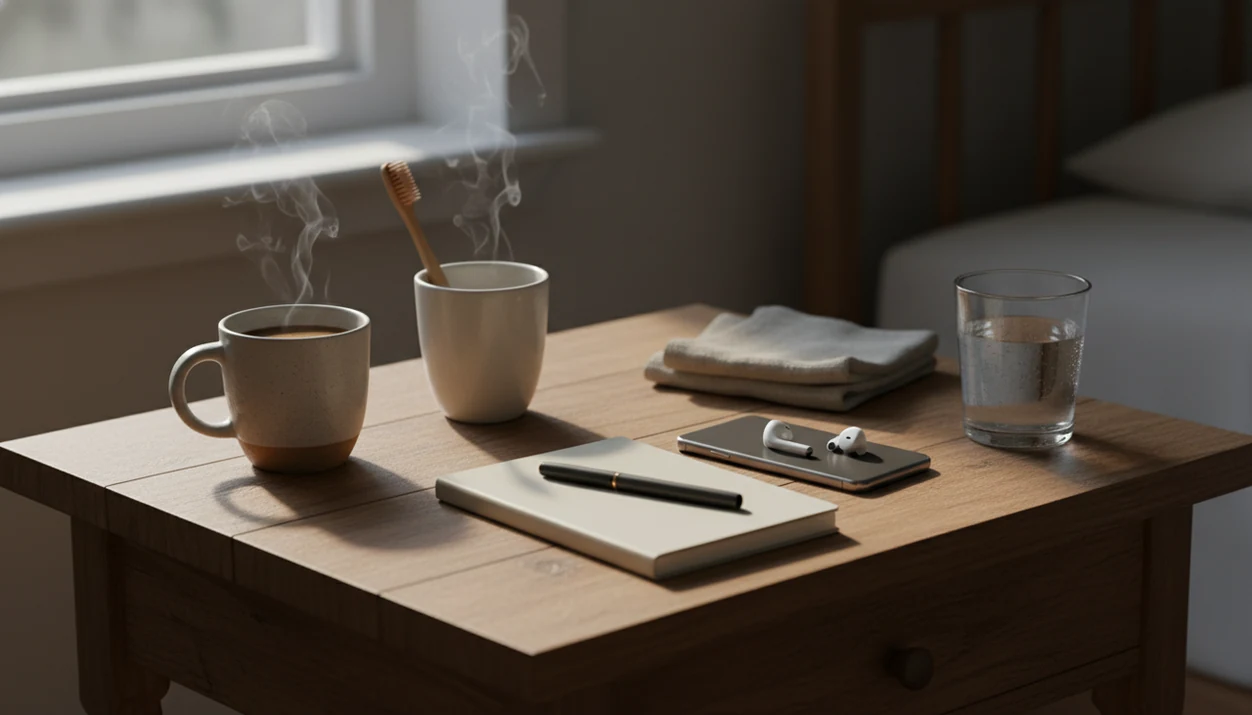


Being mindful every day means deliberately paying attention to present experience, including body, breath, thoughts, emotions, and surroundings, with curiosity rather than harsh judgment. A practical starting point is to attach 1-3 minutes of breathing, body awareness, or sensory grounding to something that already happens: waking up, brushing teeth, commuting, eating, checking a phone, or getting into bed.
The aim is not to keep attention fixed all day or make every moment calm. It is to notice distraction and return to a chosen point of attention. Short, repeated pauses make that practice easier to fit into ordinary routines. Guided support can provide clear instructions when stress, anxiety, or bedtime restlessness make practicing alone harder.
The daily practice at a glance
- Daily mindfulness works best when it is short, repeated, and attached to existing habits.
- You can practice mindfulness while breathing, walking, eating, commuting, working, or preparing for sleep.
- MindTastik can support the routine with guided meditation, sleep audio, breathing exercises, and self-hypnosis sessions for adults who want sleep, anxiety, and everyday calm support.
Daily mindfulness routine with 1 breath, 1 body cue, and 1 trigger
The smallest daily mindfulness routine is one breath, one body cue, and one trigger you already meet. Before checking your phone, feel both feet, take one slow breath, and notice where your attention is.
Mindfulness is not clearing the mind. It is noticing that attention wandered, then returning kindly. That return is the repetition.
Start with 1-3 minutes several times per day. Try it before brushing your teeth, sitting at your desk, or getting into bed. The practice feels less dramatic that way, but it becomes easier to repeat.
Tiny counts.
When independent practice feels hard, a guided session can give your attention something to follow.
Daily mindfulness in coffee, commutes, email, and bedtime
Daily mindfulness is present-moment attention with curiosity and less judgment. It can happen during coffee, a shower, a commute, a red light, email, dishes, or bedtime.
You might feel the warmth of a mug, hear the shower water, notice your shoulders before opening email, or pause while the phone sits face-down on the nightstand. None of these moments require a cushion or a silent room. Noticing small pleasant moments can also help you cultivate joy every day alongside your mindfulness practice.
Thoughts will still arrive. The calendar worry, the old conversation, the half-written message. Returning attention is the practice, not a sign you failed.
In a large experience-sampling study, people’s minds wandered 46.9% of waking time, and mind-wandering was linked with lower happiness science reference: science.1192439. That number makes daily practice feel less like self-improvement homework and more like basic attention hygiene. For broader support beyond attention practice, consider these ways to keep your brain healthy as part of daily self-care.
Daily mindfulness science for attention, stress, sleep, and habits
Daily mindfulness works by training attentional control, cue awareness, and emotional regulation. In plain language, you practice noticing distraction, pausing, and returning to an anchor before the next reaction takes over. Alongside mindfulness, explore practical ways to nourish your brain through everyday choices that support attention and well-being.
- Attention training: Mindfulness uses an anchor, such as breath, sound, touch, or body sensation, to practice returning after distraction.
- Habit cueing: Existing routines become prompts, so brushing teeth or opening email reminds you to check in.
- Stress support: Meta-analyses report small to moderate reductions in anxiety and depression symptoms for mindfulness-based interventions, including the review published in JAMA Internal Medicine JAMA Internal Medicine study: 1809754.
- Sleep support: Clinical research on mindfulness-based programs for insomnia has found improvements in sleep quality and insomnia severity, though effects vary by program and participant group JAMA Internal Medicine study: 2110998.
- App-based practice: A 2019 systematic review found small but significant improvements in stress, depression, and mindfulness levels from mobile mindfulness apps mhealth reference.
For busy adults, short mindful check-ins are often easier than long meditation sessions because they use the day’s existing rhythm. If you want the longer view, the meditation benefits timeline explains what may change over time.
What research says about routine-based practice
A 2018 randomized trial of 155 university staff and students compared two online mindfulness programs, with and without formal meditation, against a wait-list control. Both mindfulness groups improved across measured outcomes, with small-to-medium effect sizes of 0.25-0.37. The programs included attention to a daily activity, such as brushing teeth or drinking coffee, mindful walking, and a reflection journal. The results support routine-based practice, but do not isolate the effect of any single activity.
The suggested 1-3 minute pauses on this page are a manageable starting habit, not a proven treatment dose. A 2019 systematic review of brief mindfulness interventions found some benefits after single sessions lasting 5-20 minutes, particularly for negative mood, anxiety-related outcomes, and rumination. Its definition of brief practice allowed up to 30 minutes per occasion and 100 minutes per week. Those findings do not establish that one minute produces the same effects.
Before you start practicing mindfulness every day
Before you start, make mindfulness small, ordinary, and safe enough to repeat. The goal is not to force calm; it is to create a cue, choose an anchor, and know when support is needed.
- Choose one routine that already happens every day, such as brushing your teeth, making coffee, opening your laptop, or getting into bed. Let that moment become the first reminder.
- Pick an anchor that feels workable. Breath is common, but sound, touch, feet on the floor, walking, or a body scan can be better if breathing feels tight, triggering, or uncomfortable.
- Start with one to three minutes instead of a long session. Stopping while it still feels manageable helps the habit survive busy days.
- Use guided audio when structure helps you stay with the practice. A voice, timer, or sleep track can reduce the guesswork.
- Seek professional help if symptoms are severe, persistent, unsafe, or disrupting daily life. Mindfulness can support care, but it should not replace urgent, medical, or mental health treatment.
5-step daily mindfulness plan for morning, work, and bedtime
Use this simple plan to turn mindfulness into a day structure, not another task you forget by lunch.
- Set one morning intention before checking your phone. Try, “I’ll notice my body before I answer messages.”
- Pair three breaths with an existing habit, such as brushing your teeth or making coffee. Keep the screen paused if you started restless.
- Use sensory grounding during stress or transition moments. Name one thing you see, hear, and feel before moving on.
- Add a guided MindTastik session for anxiety, focus, or sleep support when you want clear audio pacing.
- Review what helped at night without judging missed practices. One useful moment still counts.
For beginners, the most common sustainable way to practice daily mindfulness is to connect it to routines that already happen. If you miss the morning, restart before email, dinner, or bed. Reset the plan.
5 daily mindfulness exercises for anxiety spikes, meals, commutes, and sleep
Short and frequent mindfulness exercises usually fit real life better than rare long sessions. Choose the exercise by situation, not by what sounds most impressive.
| Exercise | Best fit | How to do it |
|---|---|---|
| STOP | Anxiety spikes or impulsive reactions | Stop, take a breath, observe body and thoughts, then proceed. |
| 5-4-3-2-1 grounding | Panic-like stress or racing thoughts | Name 5 sights, 4 touches, 3 sounds, 2 smells, and 1 taste. |
| Mindful breathing | Focus resets | Follow 3-10 breaths, with slightly longer exhales if that feels calming. |
| Mindful eating | Meals | Notice smell, texture, chewing, and the urge to rush. |
| Bedtime body scan | Sleep preparation | Move attention slowly from head to feet without trying to force sleep. |
Feet planted on office carpet can be enough for a reset. For people who want a no-sitting option, how to be mindful without meditating covers everyday practice in more detail.
Daily mindfulness support for anxiety, sleep, and focus
Does daily mindfulness support anxiety, sleep, and focus? It may help as a supportive practice, especially when you match the exercise to the moment and avoid treating it like a cure.
For comparison, Calm and Headspace also offer guided sleep and stress sessions; the useful distinction is not the logo, but whether the session length, voice, and cueing style make you more likely to repeat the practice.
For anxiety spikes
Use grounding, longer exhales, and guided support when the mind feels crowded. A common need is simple: having a calm track ready can make it easier to stay with the next breath. That is a reasonable wellness use case, but severe panic or ongoing distress needs professional support.
For better sleep routines
Use body scans, sleep audio, and calmer evening routines that give the nervous system fewer cues to chase. If you notice wakefulness after lights out, a short guided reset can be a gentler next step than reaching for more stimulation. Related research is discussed in does sleep meditation work.
For focus resets
Use one-minute resets before email, meetings, or task switching. Tools like MindTastik can provide structured meditation for sleep, anxiety support, beginner practice, and everyday calm without replacing care.
Daily mindfulness cues for phones, red lights, email, and bedtime
Mindfulness cues reduce reliance on motivation because the reminder is already built into the day. You do not have to “feel disciplined” to notice a red light or an inbox opening.
Checking the phone: Notice its weight in your hand before swiping. Red light: Relax your jaw and take one breath. Washing hands: Notice water temperature and pressure. Opening email: Check your shoulders before reading the first message. Waiting in line: Feel your feet and look for one color. Sitting down to eat: Pause before the first bite. Getting into bed: Dim the phone screen before starting bedtime audio.
App reminders can help, but do not turn mindfulness into another pressure-filled task. A simple note at night, such as “email tension” or “commute helped,” can reveal patterns in stress, sleep, and triggers. The meditation benefits after 30 days page gives a useful check-in window.
Common mistakes when trying to be mindful every day
The most common mistake is treating mindfulness like a performance test. Daily practice works better when you expect distraction, keep sessions short, and restart without turning a missed day into a verdict.
- Notice wandering instead of fighting for a blank mind. Thoughts, plans, and worries will appear. The skill is recognizing them and coming back to the chosen anchor.
- Begin smaller than your ambition. A repeatable one-minute practice usually beats a 30-minute plan that only happens once.
- Choose an anchor that feels safe enough. Breath focus is useful for many people, but sound, touch, walking, feet on the floor, or a body scan may be steadier when breathing feels tight or triggering.
- Restart without a guilt ritual. If you miss morning practice, use the next cue: email, dishes, a red light, or bedtime. The reset is part of the habit.
- Keep care boundaries clear. Mindfulness can support therapy, medication plans, sleep routines, and stress awareness, but it should not replace professional treatment, crisis support, or medical advice when symptoms are severe or unsafe.
Daily mindfulness fit for adults, therapy boundaries, and breath alternatives
Daily mindfulness is best for adults who want everyday calm, better stress awareness, gentler sleep routines, beginner meditation, or quick focus resets. It is not a replacement for therapy, crisis care, trauma treatment, or medical insomnia care.
| Best for | Not ideal for |
|---|---|
| Adults building a simple everyday calm habit | Replacing therapy or medication guidance |
| Beginners who want step-by-step practice | Crisis care or emergency support |
| People creating a gentler bedtime routine | Untreated severe insomnia |
| Focus resets before work transitions | Processing trauma without qualified help |
| Breath, sound, touch, movement, or body scan practice | Forcing breath focus when it feels unsafe or uncomfortable |
Some people do not like watching the breath. That is fine. Sound, touch, walking, or a guided body scan may feel more manageable.
Guided support for morning pauses and evening wind-down
MindTastik’s guided meditation library, breathing exercises, gratitude sessions, and focus sessions offer ways to give a daily pause clear instructions. A session can sit alongside an existing cue, such as finishing breakfast or closing the laptop, rather than becoming a separate task.
Adults who prefer quiet can use an unguided sensory pause instead. People seeking treatment for persistent anxiety, trauma symptoms, or severe insomnia need professional support, not an app alone. MindTastik is not a medical treatment.
What daily mindfulness cannot replace
Mindfulness is useful for many adults, but it has limits. Clinicians typically recommend professional support when symptoms are severe, persistent, risky, or interfering with daily functioning.
- Mindfulness is not a quick fix; benefits often build over weeks or months.
- Research effects are often modest, especially for app-based programs.
- Mindfulness and meditation apps are not replacements for professional mental health care.
- Breath focus can feel uncomfortable for some people; try sound, touch, walking, or body scan practice instead.
- Missing a session does not mean failure. Guilt can make the habit harder to restart.
- Severe depression, PTSD symptoms, panic, or persistent insomnia should be discussed with a qualified professional.
- Some people feel more aware of discomfort at first. Our guide to meditation side effects explains when to adjust practice.
A timer set for a short practice is not a treatment plan. It is simply one practical tool that can support a steady mindfulness routine.
Everyday mindfulness questions
How can I practice mindfulness throughout the day?
Choose one recurring activity, such as washing hands or making coffee, and use it as a reminder to pause. Notice a physical sensation, sound, or breath, then return when attention wanders. Start with one reliable cue rather than trying to monitor every moment of the day.
Can I be mindful without sitting down to meditate?
Yes. Mindfulness can involve noticing water temperature while washing dishes, the texture of food while eating, or contact between feet and the ground while walking. Formal meditation provides a dedicated practice period, but present-moment attention can also be part of ordinary activities.
How do I remember to be mindful every day?
Attach the practice to something that already happens daily, such as brushing teeth or closing a laptop. Keep the first practice small enough to repeat without special conditions. A brief evening note can record which cue worked and what distracted attention, without turning the routine into a scorecard.
Can daily mindfulness help with sleep?
A bedtime body scan or guided practice may support a gentler wind-down routine, but mindfulness is not a guaranteed sleep aid. The aim is to notice sensations without forcing sleep or judging wakefulness. Persistent or severe insomnia needs medical attention rather than relying on meditation alone.
How can I practice mindfulness at work?
Choose a natural pause, such as before opening an email or joining a meeting. Notice your posture, the sounds around you, and any tension in your body. Then give your attention to one task at a time when possible. Mindfulness at work is not about staying calm constantly, but recognizing your experience before reacting automatically.
Can mindfulness help me handle difficult emotions?
Mindfulness may help you notice difficult emotions without immediately acting on them. Try naming what you feel, such as frustration or sadness, and noticing where it shows up in your body. You do not need to force the feeling away. If paying attention feels overwhelming, shift to your surroundings or seek support from someone you trust.