
Self-Care for Caregivers Mindfulness Guide
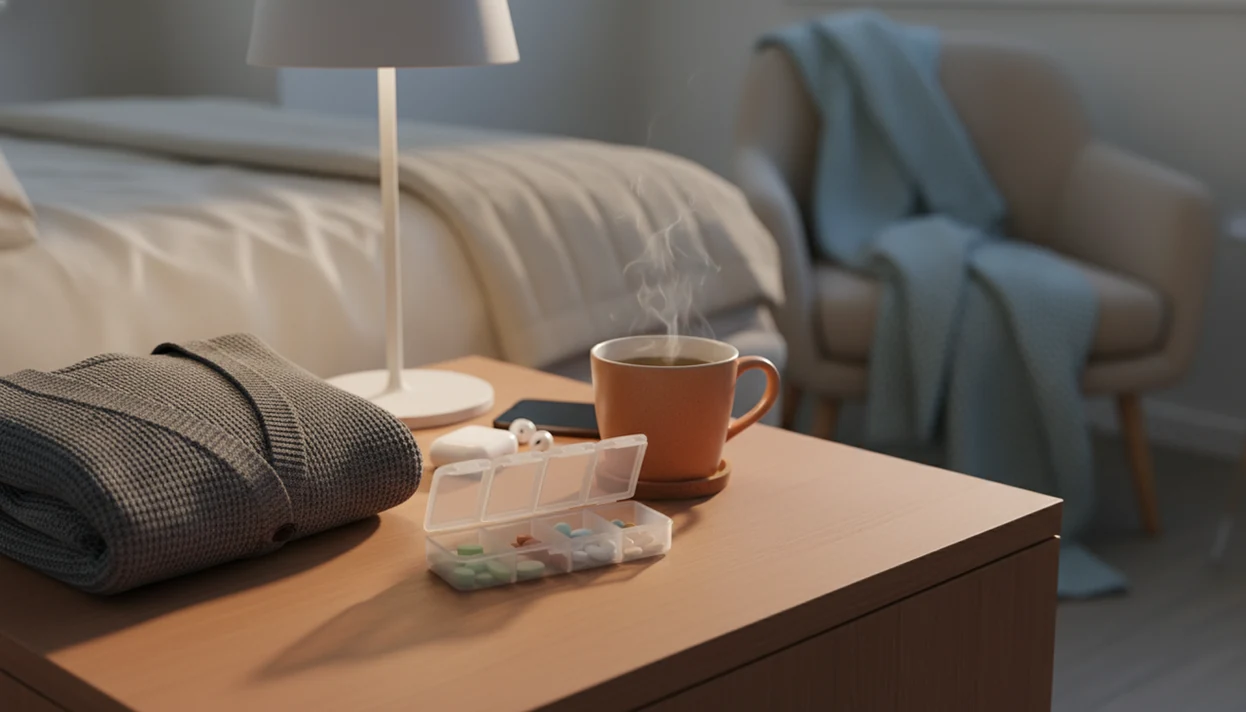


Mindfulness self-care for caregivers means taking brief, intentional pauses to notice breath, body sensations, thoughts, and emotions with less judgment while caring for another person. Breathing exercises, body scans, mindful pauses, and guided meditation can fit between care tasks. The aim is to support sleep, focus, and emotional steadiness, not to ignore difficult feelings or replace practical help.
Short practices built into existing routines are more realistic than sessions that require uninterrupted quiet. A systematic review of dementia caregiver interventions found that mindfulness-based training improved mental health and reduced stress and burden. Self-care is not selfish, but meditation is only one part of it: rest, social support, and breaks from caregiving also matter. Questioning myths about self-compassion can make it easier to treat your own needs as worthy of attention, too.
Caregiver self-care essentials
- Caregivers benefit most from tiny mindfulness practices built into real caregiving routines, not long sessions that require perfect quiet.
- Research links mindfulness-based programs with lower perceived stress, anxiety, depressive symptoms, and mood disturbance, including among family caregivers.
- MindTastik can support this routine with guided meditation, sleep audio, breathing exercises, and self-hypnosis sessions for adults who want sleep, anxiety, and everyday calm support.
Self-care for caregivers mindfulness essentials
Self-care for caregivers mindfulness is a short, practical way to steady your attention while care tasks keep happening. It means noticing your breath, body, thoughts, and emotions before stress runs the whole day.
Caregiving is common and often heavy. In a CDC survey, 23% of U.S. adults reported unpaid caregiving in the past 30 days CDC guidance: index.htm. Family Caregiver Alliance summaries also report that about 36% of caregivers experience high emotional stress and 17% report high physical strain caregiver reference: caregiver statistics demographics.
The point is not to take attention away from the person receiving care. It is to protect the person giving care, too. One minute beside a pill organizer counts. So does ten minutes with earbuds after the house finally gets quiet.
For overwhelmed caregivers, a 1 to 10 minute practice is often easier than a long session because it fits real interruptions.
Five self-care for caregivers mindfulness facts
- Mindfulness-based programs can reduce perceived stress and improve mental health in caregivers, including family caregivers of people with dementia.
- Small practices, such as two minutes of breathing, are more realistic for busy caregivers than retreats or long silence.
- Mindfulness works better when paired with sleep routines, light movement, social support, and clearer boundaries.
- Mindfulness may reduce anxiety and depressive symptoms, but it does not remove appointments, lifting, finances, or family conflict.
- Meditation apps can make structured practices available at home, in waiting rooms, or during short breaks.
The tiny version matters. A caregiver may have only the time between a phone call from the clinic and the next meal tray. That still counts as a starting point.
If you need basic technique first, our how to meditate guide explains breath focus and body scanning in plain steps.
How self-care for caregivers mindfulness works
Self-care for caregivers mindfulness works as attention training, not zoning out. It teaches the brain to notice stress signals earlier and return to one chosen anchor, such as breath, sound, or body contact.
Breath focus, body scanning, and labeling thoughts interrupt stress autopilot. The technical term is attentional regulation, which simply means choosing where attention rests instead of being pulled by every worry. Rumination says, “What if tomorrow goes badly?” Hypervigilance keeps listening for movement in the next room. Both can make sleep feel far away. Recognizing different types of self-talk can help you notice how worry and reassurance shape your caregiving day.
The middle-of-the-night glance at a glowing phone can feel familiar.
In a randomized controlled trial of family caregivers of people with dementia, an 8-week mindfulness-based stress reduction program reduced perceived stress and mood disturbance compared with a wait-list control group NIH research: PMC3709844. Clinicians typically recommend mindfulness as a supportive practice, not a substitute for medical or mental health care.
How to use self-care for caregivers mindfulness daily
Use caregiver mindfulness by attaching one tiny practice to something that already happens. The goal is consistency before duration.
- Choose one practice window after medication, a meal, a call, or an appointment.
- Set a 2 to 10 minute session using breath focus, a body scan, or guided meditation.
- Pause during transitions by feeling both feet, softening your jaw, and taking three slow breaths.
- Log one signal such as stress level, sleep quality, irritability, or afternoon fatigue.
- Restart after missed days without guilt; caregiving schedules break plans all the time.
Keep it boringly doable.
A bathroom break or a parked-car minute may be more realistic than a quiet room. For more short options, use simple mindfulness exercises and techniques that do not require equipment.
Best self-care for caregivers mindfulness practices by moment
The most useful caregiver mindfulness practice is the one matched to the moment, not the one that sounds most impressive.
- Bedside waiting: Take three slow breaths and notice body contact, such as your back against the chair or feet on the floor.
- Bathroom or parked-car break: Use a 2-minute guided breathing session when privacy is brief but real.
- Before sleep: Try a sleep meditation or body scan to reduce rumination before the mind starts replaying the day. When thoughts keep replaying, inner voice and bedtime meditation can offer a gentler way to settle before sleep.
- After a difficult interaction: Repeat a self-compassion phrase, such as “This is hard, and I can respond one step at a time.”
- During fatigue: Use mindful walking, gentle stretching, or one-task focus while folding laundry or preparing supplies.
Before sleep, dimming the phone screen before audio starts can make the routine feel less stimulating. Small detail. Big difference.
A sleep hygiene routine can make bedtime practices easier to repeat.
Self-care for caregivers mindfulness guide for apps and audio
Can meditation apps help caregivers who cannot attend classes? Yes, apps can help when caregivers need on-demand structure and cannot leave home for a group, appointment, or long course.
Useful formats include guided meditation, breathing exercises, sleep audio, self-hypnosis sessions, and focus sessions. Choose by the time you actually have, not the time you wish you had. A 5-minute breathing exercise may beat a 20-minute body scan when someone could call your name any second.
MindTastik offers guided wellness audio, sleep support, breathing practices, and self-hypnosis sessions for adults seeking help with rest, anxious moments, and everyday calm. Apps such as MindTastik, Calm, Headspace, and Mindful can add structure to a self-care routine, but they are not meant to diagnose, treat medical conditions, or replace therapy.
The best meditation apps for sleep, anxiety, and everyday calm routines provide guided support and repeatable cues, not guaranteed sleep or a cure for distress. If comparing tools, start with a best meditation app for sleep anxiety guide.
Caregiver mindfulness fit: stress, sleep, and crisis limits
Caregiver mindfulness fits everyday stress, worry loops, sleep disruption, and limited time. It is not the right tool for emergencies, unsafe thoughts, or replacing professional care.
| Fit area | Best for | Not ideal for |
|---|---|---|
| Stress | Caregivers who feel tense, rushed, or emotionally overloaded | Situations where respite, staffing, or financial help is the real missing support |
| Sleep | People whose minds replay appointments, symptoms, or family conflict at night | Severe insomnia that needs clinical evaluation |
| Beginners | Caregivers who need gentle structure and short sessions | People who feel worse during stillness without support |
| Crisis limits | Daily grounding and emotional steadiness | Panic, severe depression, trauma symptoms, unsafe thoughts, or inability to function |
For caregivers with worry loops, a short guided session is often easier than silent meditation because the voice gives attention somewhere to return.
If safety is at risk, contact emergency services or a qualified professional. Mindfulness can wait.
When a changing care load needs more than a mindful pause
A routine that worked last month may no longer fit the care required today. A systematic review of caregiver-burden trajectories found that burden varies substantially over time. Higher risk was associated with behavioral symptoms, declining ability to manage daily activities, and poorer caregiver physical or mental health. Living together and being a spouse were also associated with higher risk. Increased strain is not necessarily a sign that a caregiver needs to meditate more.
A brief stress log can show day-to-day patterns, but it does not capture every part of caregiver burden. A review of caregiver-burden questionnaires recommended validated measures including the Zarit Burden Interview and the Burden Scale for Family Caregivers. These assess multiple subjective and objective dimensions of burden. Discussing one with a clinician or caregiver-support professional can help identify when additional respite, clinical care, or support-group assistance is needed.
When caregivers should seek professional help
Caregivers should seek professional help when distress feels unsafe, unmanageable, or starts blocking basic functioning. Mindfulness can support coping, but it does not replace clinical care, crisis support, medication review, or therapy when those are needed.
Red flags include thoughts of harming yourself or someone else, feeling unable to keep the care recipient safe, panic that feels out of control, severe depression, trauma symptoms, not sleeping for days, substance use that is escalating, or being unable to eat, work, drive, make decisions, or complete essential care tasks.
- Call emergency services now if there is immediate danger, risk of harm, or you cannot stay safe.
- Contact a doctor or therapist if anxiety, depression, panic, grief, or anger is getting worse or lasting.
- Ask a social worker or caregiver support service about respite, safety planning, benefits, transportation, or home-care options.
- Stop silent practice and ground yourself if stillness makes you feel more panicked, numb, trapped, or flooded.
- Choose supported practices such as eyes-open breathing, walking, or guided audio until you have more help.
Needing help is not a failure of mindfulness. It is information.
Common self-care for caregivers mindfulness mistakes
The most common caregiver mindfulness mistake is making the practice too big. Long silence is not required, and many caregivers do better with short, guided, eyes-open practices. Understanding common mindfulness meditation myths can help you set realistic expectations for short practices during demanding caregiving days.
Another mistake is using mindfulness to suppress feelings. The practice is not “calm down and stop caring.” It is noticing anger, grief, fear, or resentment before those feelings decide your next sentence. That can matter after a difficult interaction in a hallway, when your fingers are tracing a jacket zipper just to stay present. Learning how to let go can help you loosen your grip on difficult thoughts without denying your feelings.
If a practice brings up panic, trauma memories, or a sense of being unsafe, stop the exercise and choose an eyes-open grounding technique instead. That reaction is a signal to get support, not a sign that you are doing mindfulness wrong.
Waiting until burnout is severe also makes practice harder. Start when stress is medium, not only when everything has collapsed.
Missed sessions are not failure. Reset the plan.
Mindfulness also works poorly when it becomes the only support. Sleep, movement, social contact, respite, and boundaries still matter. A meditation app for anxiety support can help with structure, but it should sit inside a broader care plan.
Guided audio for short caregiver breaks
MindTastik's breathing exercises and guided meditations offer structure during a brief break between care tasks. Sleep stories or soundscapes may suit an evening routine when following spoken instructions feels like too much effort. Choose a format that can be stopped when care is needed. Caregivers seeking respite, help with lifting, counseling, or treatment for persistent insomnia need support beyond an audio app. MindTastik is not a medical treatment.
What mindfulness cannot change about caregiving
Mindfulness can support caregiver well-being, but it has real limits. It should be treated as one supportive practice, not the whole answer.
- Mindfulness does not change external caregiving demands, finances, housing problems, or lack of respite.
- It is not a replacement for medical care, therapy, crisis support, or psychiatric treatment.
- Some caregivers find stillness uncomfortable, grief-heavy, or triggering at first.
- Practices may need to be shortened, adapted, eyes-open, movement-based, or paired with professional support.
- Caregiver mindfulness research is promising, but it does not represent every condition, culture, family structure, or caregiving role equally.
- Apps require smartphone access, internet or downloads, privacy, and at least a minimally usable environment.
- A meta-analysis found mindfulness-based interventions can reduce anxiety and depressive symptoms in adults, but effects vary by person and program JAMA Internal Medicine study: 1809754.
If an app helps, you can download meditation app sessions for short breaks, but outside help may still be needed.
Caregiver mindfulness questions
How can caregivers practice mindfulness when they have no uninterrupted time?
Attach a brief pause to an existing transition, such as finishing a call or sitting down after a care task. Notice both feet on the floor, soften the jaw, and take three slow breaths. An interruption does not make the practice a failure; essential care takes priority.
How long should a caregiver meditate each day?
There is no required daily duration. The guide suggests starting with a 2 to 10 minute session, but a few mindful breaths may be more manageable on demanding days. Choose a length that fits the care schedule rather than treating a longer session as a measure of success.
Can mindfulness reduce caregiver stress and burnout?
Research on dementia caregivers links mindfulness-based training with better mental health and reduced stress and burden. That does not mean meditation can prevent every form of exhaustion. Lack of sleep, demanding care tasks, financial pressure, and insufficient respite still need practical attention, even when a mindfulness practice helps.
What can caregivers do when guilt makes taking a break difficult?
Notice the guilt without treating it as an instruction to keep working. A short compassionate phrase, such as 'This is hard, and I can respond one step at a time,' may help. Self-care also includes sleep, social contact, and breaks from caregiving, not just meditation after every task is finished.
Can mindfulness help caregivers sleep after a stressful day?
A body scan or guided sleep meditation can provide an alternative to replaying appointments and difficult conversations. Pair it with a consistent sleep routine and a quieter evening where possible. Mindfulness cannot prevent necessary overnight care interruptions, and severe or persistent insomnia needs clinical attention rather than audio alone.
What if meditation makes a caregiver feel more anxious?
Stop the exercise if it brings up panic, trauma memories, or a sense of being unsafe. Try an eyes-open practice that notices feet on the floor or contact with a chair, or choose gentle movement instead of stillness. Repeated or intense distress is a reason to seek professional support.
Are online caregiver support programs the same as meditation apps?
No. Structured online caregiver programs may include counseling, psychoeducation, or care skills, while meditation apps mainly provide practice guidance and audio. Research findings about digital psychological interventions should not be treated as proof that any meditation app reduces caregiver burden. Neither format replaces practical help or human support.
When should caregiver stress be discussed with a professional?
Seek help when distress disrupts eating, sleeping, work, decisions, or essential care tasks, or when depression, panic, or substance use is worsening. Thoughts of harming oneself or another person, or inability to keep the care recipient safe, require urgent support. Call emergency services if there is immediate danger.