
Mindfulness And Happiness: A Practical Guide To Feeling Calmer
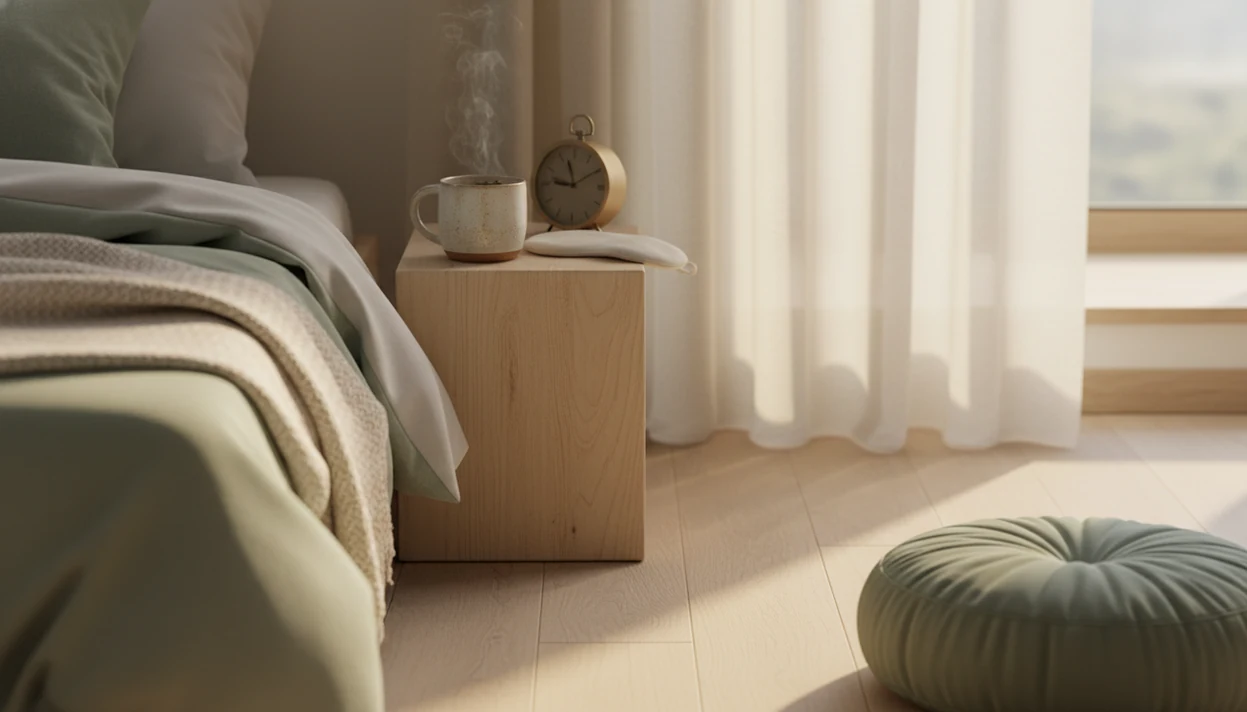


Mindfulness can support happiness by helping people notice thoughts, stress, and emotions without reacting automatically to them. Mindfulness means paying attention to the present moment on purpose, with openness and without judging what appears. The aim is not an empty mind or constant positivity. It is more room to respond to an ordinary difficult moment, rather than letting that moment set the tone for the whole day.
Regular practice may support mood, sleep, anxiety, and focus over time. Short, repeatable habits are a practical starting point: mindful breathing, body scans, walking, gratitude check-ins, or a bedtime wind-down. Calm and contentment are more realistic goals than feeling happy after every session. Guided audio can provide direction, but an app is optional.
What matters most
- Mindfulness supports happiness indirectly by reducing stress reactivity, anxious rumination, and autopilot habits.
- The most useful practices are short and repeatable: mindful breathing, body scans, walking, gratitude check-ins, and sleep wind-downs.
- A guided meditation app can fit as a gentle support tool for breathing exercises, sleep audio, and everyday calm practice.
Mindfulness And Happiness Meaning: Calm, Contentment, And Awareness
Mindfulness and happiness describe a practical relationship: mindfulness trains present-moment awareness, and happiness often grows as calm, contentment, and emotional steadiness become easier to notice. Mindfulness includes awareness of breath, body sensations, thoughts, feelings, and surroundings, not a blank or empty mind. Reflecting on life lessons, wisdom, and values can help clarify what contentment means beyond passing moods or achievements.
The Greater Good Science Center defines mindfulness as moment-by-moment awareness of thoughts, feelings, bodily sensations, and the surrounding environment Greater Good science overview: definition. Happiness, in this guide, means feeling okay with life more often. It includes steadiness during ordinary moments, not only excitement or big wins.
Mindfulness does not force happiness. It works more like clearing a fogged window. Stress, rumination, self-judgment, and autopilot habits can still show up, but you may catch them earlier.
The small pause matters.
Mindfulness And Happiness Research: 47 Trials And 2021 Study Findings
Research on mindfulness and happiness is promising, but the strongest summary is modest: mindfulness can support mood and stress skills, not guarantee lasting happiness. The evidence is most useful when read as support for regular practice, not proof of a cure.
- A 2014 review of 47 randomized trials found mindfulness meditation programs produced small improvements in anxiety, depression, and pain, according to Johns Hopkins Johns Hopkins health guidance: mindfulness meditation.
- A 2021 large-sample study found that higher mindfulness was associated with higher happiness and lower anxiety and depression symptoms NIH research: PMC7908245.
- “Associated with” means the two moved together in the data. It does not prove mindfulness alone caused the happiness change.
- Mindfulness may help by reducing rumination, stress reactivity, and harsh self-talk.
- Clinicians typically recommend mindfulness as a supportive skill alongside healthy routines and appropriate care, not as a replacement for professional help.
For most beginners, a repeatable five-minute practice is often easier than a long session because it fits real life.
Brain And Body Mechanisms Behind Mindfulness And Happiness
Mindfulness works through attention training, emotional regulation, and nonjudgment. In plain language, you practice noticing where your mind went, then returning without turning that moment into a personal failure.
Attention training is the repetition. Your mind drifts to tomorrow’s meeting, a text you forgot, or a mistake from lunch. You notice it, then return to the breath, feet, sound, or body. That return is the practice. You can practice mindful future thinking by noticing plans and worries, then returning attention to what needs doing now.
Emotional regulation means there is a small pause before reaction. A tense email may still sting, but you might notice the jaw clench before typing back. Nonjudgment and acceptance are not soft extras. They are the mechanism that keeps mindfulness from becoming another self-improvement scoreboard. Simple rules for a calmer life can reinforce this pause and support more thoughtful responses to everyday challenges.
How mindfulness works: it interrupts automatic habit loops by adding awareness between trigger and response. That pause can support sleep routines, anxiety management, and focus without claiming to treat a condition.
5-Step Daily Mindfulness And Happiness Practice Plan
A daily mindfulness and happiness plan should start small, usually 2 to 5 minutes, and attach to moments that already exist. Morning, work, and bedtime are easier anchors than a vague promise to “meditate later.”
- Set a tiny practice window, such as two minutes after waking or before opening messages.
- Notice one present-moment anchor, such as breath, feet on the floor, or sounds in the room.
- Name what is happening gently: “planning,” “worrying,” “tired,” or “tight shoulders.”
- Return to the anchor without trying to force a better mood.
- Repeat the same short reset during a work pause or bedtime wind-down.
At night, dimming the phone screen before starting audio can make the routine feel less like scrolling. A guided meditation app can offer breathing prompts, sleep audio, and beginner meditation when silence feels too open-ended.
If you want a fuller beginner sequence, our how to meditate guide walks through posture, timing, and simple attention anchors.
Mindfulness And Happiness Tips For Sleep, Anxiety, And Focus
Mindfulness tips work best when they match the problem in front of you: sleep needs settling, anxiety needs grounding, and focus needs attention resets. A single practice can help several areas, but choosing the right starting point reduces friction.
For Sleep
Use a body scan, breath counting, or guided sleep audio to soften bedtime overthinking. If you are awake in a dim room and checking the time again, the goal is not to force sleep to happen. It is to offer the mind a calm pattern it can follow. Pairing mindfulness with sleep hygiene usually works better than audio alone.
For Anxiety
Try grounding through the senses, naming thoughts, and slow breathing. “Worry is here” is different from “everything is wrong.”
For Focus
Single-task for one timer block, pause notifications, and reset attention when you drift. Mindfulness apps for sleep anxiety and everyday calm deliver guided structure and repeatable cues, not a promise to erase stress.
5 Beginner Mindfulness And Happiness Exercises Compared
Beginner mindfulness exercises are easiest to keep when the time, setting, and emotional load match your day. Some practices feel calming right away, but others may bring up discomfort first. That is normal, and it does not mean you are doing it wrong.
| Exercise | Time needed | Best for | Not for |
|---|---|---|---|
| Mindful breathing | 2 to 5 minutes | Quick anxiety resets, work pauses | People who feel panicky when focusing on breath |
| Body scan | 5 to 20 minutes | Sleep wind-down, body tension | Moments when you need to stay alert |
| Mindful walking | 5 to 10 minutes | Restless beginners, lunch breaks | Unsafe or distracting walking routes |
| Gratitude noticing | 2 to 5 minutes | Contentment, perspective shifts | Forcing positivity during real distress |
| Thought labeling | 2 to 5 minutes | Rumination, self-criticism | Deep trauma work without support |
A body scan usually works best when the body feels safe enough to notice, while walking fits people who get agitated sitting still. More options are covered in our mindfulness exercises and techniques hub.
Taking mindfulness outdoors without expecting a mood cure
Outdoor attention offers another option when sitting with the breath feels unhelpful. The Mental Health Foundation’s guidance on nature and mental health recommends deliberately noticing sensory details such as trees, plants, birds, or water. A practical version is to pause in a safe outdoor spot and notice what is visible and audible, without requiring the experience to feel peaceful. The task is attention, not producing a particular emotion.
A 2022 review of awe and well-being linked awe, especially in nature, with less rumination, lower stress, and greater well-being. However, the evidence includes observational studies and specialized outdoor programs, including work with combat veterans and adolescents from under-resourced schools. It does not establish that a brief walk will make everyone happier. Nature-based mindfulness is a reasonable practice option, not a guaranteed effect or a replacement for care.
5 Mindfulness And Happiness Mistakes That Block Progress
Most mindfulness problems come from expecting the practice to feel clean, quiet, or instantly uplifting. Real practice is often much more ordinary. A quiet room, a few uneven breaths, and the decision to begin again after drifting off. Still useful. When your routine has slipped, learning how to restart yourself can help you choose one manageable next step.
- Mindfulness does not mean emptying the mind. Wandering thoughts are part of the practice.
- Mindfulness is not the same as relaxation. Sometimes you notice tension, sadness, or irritation first.
- Mindfulness should not make someone happy all the time. Emotional steadiness is a more realistic goal. Considering hard truths about happiness can help you set realistic expectations without dismissing difficult emotions.
- Practicing only when overwhelmed makes the skill harder to access under pressure.
- Small regular sessions are usually more useful than rare long sessions because repetition builds familiarity.
The most common way to make mindfulness sustainable is to attach it to a daily cue and keep the first version very short.
Reset the plan.
MindTastik App Support For Mindfulness And Happiness Habits
A mindfulness app can help when the hard part is choosing what to do next. Structure, reminders, guided sessions, breathing exercises, and sleep audio can reduce the “I should practice, but how?” moment.
A mindfulness and meditation app can be useful when you want a guided voice through cheap earbuds, a short reset between meetings, or a bedtime track that ends without another search. Apps such as Calm, Headspace, and MindTastik can all support practice if the format fits your routine.
An app is optional. It should support real-life mindfulness, not replace it. For people comparing tools, the best meditation app for sleep anxiety guide explains how to weigh sleep audio, anxiety support, privacy, and price.
Image caption guidance: Calm app screen with a person practicing mindful breathing; mindfulness and happiness supported by a short guided session.
When To Seek Professional Support For Stress, Anxiety, Or Low Mood
Seek professional support when stress, anxiety, sleep problems, or low mood persist, worsen, or start interfering with daily life. Mindfulness can be a helpful support skill, but it is not a substitute for clinical care when symptoms need more than self-guided practice.
Warning signs can include panic attacks, persistent insomnia, worsening depression, feeling unable to function at work or home, using alcohol or substances to cope, or feeling disconnected from people you usually care about. These signs do not mean you have failed at mindfulness. They mean your system may need more support.
- Notice whether symptoms are lasting more than a couple of weeks, intensifying, or disrupting sleep, relationships, work, school, or basic routines.
- Contact a licensed clinician, primary care doctor, therapist, or other qualified professional if the pattern feels persistent or impairing.
- Share what you have tried, including meditation, sleep routines, exercise, medication, or app-based support, so care can be matched to your real situation.
- Seek urgent or emergency help right away if you feel unsafe, might harm yourself, or cannot stay safe.
Mindfulness can stay in the plan. It just should not be the whole plan when safety or clinical symptoms are involved.
Guided sessions for calmer days, not constant happiness
MindTastik’s guided meditation library suits beginners who want a voice to follow during a short daily pause. Gratitude sessions can support noticing what is going well, while focus sessions offer a clear attention practice. Sleep stories are another option when bedtime is the main difficulty.
People who prefer silence can practice without an app. Those whose anxiety, low mood, or sleep problems persist or disrupt daily life should seek professional support rather than rely on guided audio. MindTastik is not a medical treatment.
What mindfulness cannot promise about happiness
Mindfulness has real value, but honest limits matter. It can support calm and mood skills, yet it is not a cure-all or a guarantee that life will feel good.
- Benefits are often modest, not dramatic, especially in the early weeks.
- Mindfulness does not work the same way for everyone.
- People with significant anxiety, depression, trauma, or sleep problems may need professional support.
- One-off sessions are unlikely to create lasting happiness changes.
- Mindfulness can bring uncomfortable feelings into awareness before it feels calming.
- Oversimplified claims that mindfulness automatically rewires the brain for permanent happiness should be treated cautiously.
- A guided app can help with consistency, but it cannot replace therapy, medication, emergency care, or a clinician’s advice.
If symptoms feel intense, unsafe, or persistent, mindfulness should be one support among others. Not the whole plan.
Mindfulness and happiness questions
Does mindfulness actually make people happier?
Mindfulness may support happiness indirectly by making stress reactions and repetitive thoughts easier to notice. That can leave more room for calm and contentment. It does not guarantee lasting happiness or remove difficult circumstances. A useful goal is responding more steadily to emotions, rather than feeling positive all the time.
How is mindfulness different from positive thinking?
Mindfulness involves noticing what is present, including sadness, worry, or irritation, without immediately judging it. Positive thinking focuses on favorable interpretations or outcomes. Mindfulness does not require replacing every negative thought with a positive one, and neither practice can guarantee health, happiness, or success through thoughts alone.
Why do I feel sad or tense during mindfulness?
Mindfulness can bring feelings into awareness that were already present but less noticeable. It is not always relaxing, and discomfort does not automatically mean the practice is wrong. There is no need to push through worsening distress. Persistent or disruptive anxiety, low mood, or sleep problems call for professional support.
What can I focus on if mindful breathing makes me anxious?
The breath is only one possible anchor. Feet on the floor, sounds in the room, or sensory details during a safe walk can also support present-moment attention. Breath-focused practice is not a requirement. If focusing inward feels panicky, choose an external anchor rather than trying to force the exercise.
Can mindfulness help with bedtime overthinking?
A body scan, breath counting, or guided sleep audio can give attention a simple pattern to follow when thoughts keep circling at bedtime. The aim is to settle, not force sleep. Pair the practice with sleep hygiene, and seek professional support if insomnia persists, worsens, or interferes with daily life.
How can I tell if mindfulness is helping when I do not feel happier?
Look for ordinary changes in responses: noticing tension before replying to a difficult message, recognizing a worry loop, or returning to a task after distraction. These are more useful signs than demanding a better mood after every session. Also notice if symptoms are worsening, rather than treating regular practice as proof of progress.