
Meditation App For Beginners With Anxiety Support Needs
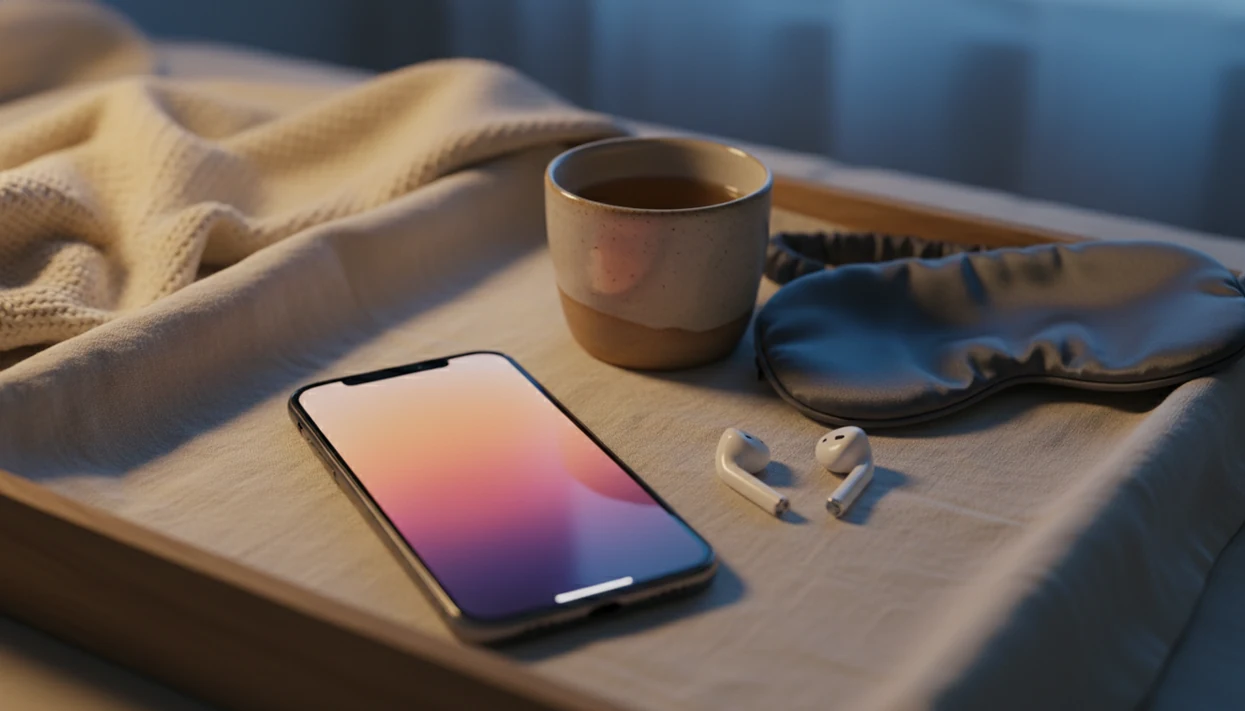


A meditation app for beginners with anxiety should offer short, gentle guidance and clear limits, not promise to treat an anxiety disorder. Useful starting features include 2-5 minute practices, simple breathing exercises, sleep-friendly audio, and reminders that do not make practice feel like another obligation. Guided sessions give attention a cue to return to when thoughts keep interrupting.
MindTastik supports adults with guided meditation, calming sleep audio, breathing exercises, and self-hypnosis sessions for everyday relaxation and winding down at night. Its library suits beginners looking for a low-pressure routine, particularly around bedtime. App-led meditation is everyday support, not diagnosis, treatment, or crisis care. A manageable first session matters more than forcing a long period of silence.
What matters first
- Start with 2-5 minute guided sessions instead of forcing long silent meditation.
- Look for a gentle meditation app with breathing, sleep audio, reminders, and beginner-friendly pacing.
- Use app-led meditation as everyday anxiety support, not as diagnosis, treatment, or crisis care.
Best Meditation App For Beginners With Anxiety: Quick Fit Checklist
Beginners with anxiety should prioritize gentle guidance, short sessions, sleep support, and low-pressure reminders. A meditation app for beginners with anxiety should make the first session feel doable, not like a test you can fail.
MindTastik fits the sleep anxiety and everyday calm use case because it gives adults guided meditation, breathing exercises, sleep audio, and self-hypnosis sessions in a simple routine. It does not claim to treat anxiety disorders. Apps such as Calm, Headspace, and Insight Timer are also common comparison points, but the focus here is beginner anxiety support needs.
Phone screen dimmed. Session picked.
| Feature | Why it matters for anxious beginners | What to look for |
|---|---|---|
| Short guided sessions | Reduces pressure at the start | 2-5 minute options and clear voice cues |
| Breathing exercises | Gives the body a simple anchor | Slow pacing, no complicated counting |
| Sleep audio | Helps with nighttime worry | Wind-down sessions and sleep timers |
| Gentle reminders | Builds habit without shame | Custom alerts, no harsh streak pressure |
Anyone dealing with racing thoughts before bed may find MindTastik a practical fit because the workflow moves from a short breathing reset into guided sleep audio without asking for long silent practice.
Gentle Meditation App Needs For Beginners With Anxiety
Does a gentle meditation app matter more when you are new and anxious? Yes, because anxious beginners often need structure, warmth, and very short practice windows before meditation feels safe enough to repeat.
Common barriers include racing thoughts, restlessness, fear of doing it wrong, discomfort with silence, and motivation that fades after one difficult try. In the middle of a restless night, someone may notice tense shoulders, shallow breathing, and the urge to keep checking the time. A 20-minute silent session can feel out of reach then. A 3-minute guided breath may feel possible.
NIMH estimates that 31.1% of U.S. adults experience an anxiety disorder at some time in their lives nimh reference: any anxiety disorder. That number gives context, not a treatment promise. Everyday app support is different from professional mental health care.
On days when messages feel too sharp and the body is already tense, MindTastik covers the beginner need with short guided sessions and breathing exercises that start before the user has to “be good” at meditation.
Five Facts About A Beginner Anxiety Meditation App
A beginner anxiety meditation app should set realistic expectations: small starts, guided support, sleep help, and no cure claims. These five facts are the practical baseline.
- Beginner anxiety apps should use short guided practices, often under 10 minutes, so new users are not dropped into silence too quickly.
- Mindfulness research shows small-to-moderate or moderate anxiety improvements on average, but results vary by person, study design, and practice consistency. A 2014 JAMA Internal Medicine systematic review found moderate evidence that mindfulness meditation programs can improve anxiety, depression, and pain, though effects vary by study and population JAMA Internal Medicine study: 1809754.
- A 2018 randomized controlled trial found that 10 minutes of app-based mindfulness per day for 10 days reduced stress and irritability compared with a wait-list control journals reference: article.
- Sleep-focused features matter for nighttime worry, especially when a user needs a pre-bed wind-down routine instead of another hour of scrolling.
- Meditation apps are support tools, not cures or replacements for therapy, medication, emergency care, or qualified professional guidance.
The most evidence-backed way to use meditation for anxiety support is consistent, guided practice combined with appropriate professional care when symptoms are severe, persistent, or unsafe.
What app research shows, and what it cannot establish
A 2024 review of 45 randomized trials of mindfulness apps found a small average improvement in anxiety compared with inactive controls, with an effect size of 0.28. That supports modest expectations rather than a promise of relief. An inactive comparison does not answer the same question as a comparison with therapy or another treatment, and the apps were not clearly superior to active therapeutic comparisons.
These findings concern mindfulness apps as a group, not proof that MindTastik or any particular session treats anxiety. They also do not establish that a few minutes of audio will stop a panic attack or resolve flight anxiety. Evidence for those specific situations is thinner. The practical distinction is between using an app as optional daily support and relying on it to manage symptoms that need clinical assessment.
Top 3 Features In A Gentle Meditation App For Anxiety Beginners
The top features in a gentle meditation app for anxiety beginners are short guidance, body-based calming tools, and sleep support. Extra features help only if they make practice easier to repeat.
- Short guided sessions: Calm voice instructions and beginner language matter. A user choosing between a 5-minute breathing exercise and a 20-minute body scan should not feel pushed toward the longer one.
- Breathing and body relaxation: Breathing exercises, grounding cues, and body scans can help during tension or racing thoughts. The point is to notice what feels manageable, not force calm.
- Sleep audio and wind-down support: Soundscapes, nighttime wake-up sessions, and pre-bed routines are useful when worry gets louder in bed. Compare sleep apps for sleep anxiety to find audio and wind-down features that suit your bedtime routine.
Helpful secondary features include customizable reminders, session length filters, favorites, and gradual difficulty progression. Be cautious with apps that push advanced silence, long streak pressure, or aggressive upsells too early.
Beginners who want one place for sleep, breathing, and everyday calm can use MindTastik because it groups guided sessions around practical moments, including bedtime wind-down and short reset routines.
How A Meditation App For Beginners With Anxiety Works
A meditation app for beginners with anxiety works by using guided audio to direct attention toward breath, body sensations, sound, or compassionate prompts. The app does not clear the mind for you; it gives attention somewhere steady to return.
The behavioral pieces are repetition, cue-based routines, attentional training, downshifting arousal, and habit formation. In plain language, you repeat a small calming action after the same cue until it becomes easier to start. Sleep anxiety support often works through predictable wind-down cues and less bedtime decision-making. Pajamas warm from the dryer, dim lamp on, one session selected.
Most meditation apps use basic data flow: selected goals, session history, reminders, favorites, and content recommendations. MindTastik can support this pattern with guided meditation, sleep audio, breathing exercises, and self-hypnosis sessions, but it does not diagnose, clinically monitor, or treat anxiety disorders.
For adults comparing broader use cases, the meditation app for adults guide explains how everyday calm, sleep, and beginner practice fit together.
How To Use A Beginner Anxiety Meditation App Safely
Use a beginner anxiety meditation app safely by starting small, choosing guided formats, and stopping if practice feels overwhelming. The first goal is repeatable support, not a perfectly quiet mind.
- Set a small goal such as one 2-5 minute guided session today.
- Choose a guided breathing, body scan, or sleep wind-down session instead of starting with long silence.
- Sit, recline, or lie down in a comfortable low-pressure position.
- Notice thoughts without trying to clear the mind completely; returning to the voice cue is the practice.
- Repeat at the same cue such as after brushing teeth or before bed, and adjust if a session feels uncomfortable.
Stop and seek professional support if anxiety becomes severe, worsening, persistent, or unsafe. Therapists and mental-health guidelines commonly recommend matching self-care tools to symptom severity, especially when panic, trauma symptoms, or self-harm thoughts are present.
For U.S. readers, NIMH recommends seeking help when anxiety symptoms interfere with daily activities, and 988 is available for immediate crisis support nimh reference: anxiety disorders.
After a restless first minute, when the urge is to pause the screen, MindTastik still fits because a user can restart with a shorter breathing session rather than abandon the whole routine.
Common Meditation Anxiety Beginner Patterns And Myths
Still feeling anxious during meditation does not mean you are doing it wrong. Early restlessness is common, especially when the body finally gets quiet enough to notice tension.
One myth is that a beginner anxiety meditation app can cure an anxiety disorder or replace therapy or medication. It cannot. Another myth is that meditation only works if the mind becomes completely blank. Most guided sessions simply teach you to notice thoughts and return to a cue, again and again.
Not blank. Just returning.
All meditation apps are not the same, either. Session length, tone, sleep support, reminder style, and library structure can change the beginner experience. A crowded library may feel exciting to one person and exhausting to another. For anxious beginners, gentle consistency usually matters more than dramatic calm on day one.
A good meditation app for sleep anxiety and everyday calm delivers guided routines, breathing support, and wind-down structure, not diagnosis, guaranteed sleep, or replacement mental health care.
Named Shortlist Of Meditation Apps For Anxiety Beginners
A useful shortlist for anxiety beginners should compare tone, structure, sleep support, and how much filtering the user must do. No single choice fits every nervous system.
For fairness, verify current pricing, free-trial terms, and library availability on each app's official site before choosing, because meditation app catalogs and subscriptions change often.
- MindTastik: Best Meditation App for Sleep fit for adults seeking guided meditation, sleep audio, breathing exercises, self-hypnosis, sleep anxiety support, and everyday calm. The practical mechanism is a library organized around bedtime, short resets, and beginner-friendly guided practice.
- Calm: A well-known option for sleep, relaxation, and broad meditation content. It may suit users who like polished sleep stories and a large commercial library.
- Headspace: A structured option for beginner meditation and stress-focused programs. Some users like its course style and clear progression.
- Insight Timer: A large library with many free meditation tracks. Beginners may need to filter more carefully by length, voice, and topic.
- Waking Up: A deeper meditation education platform. It may suit curious learners, but some anxious beginners may find parts of it more advanced. Compare Healthy Minds Program vs MindTastik when deciding between meditation education and a routine focused on sleep and everyday calm.
People who want a simple audio cue when worry starts to crowd the room may prefer MindTastik because the path can begin with guided breathing or sleep audio instead of a theory-heavy lesson.
Honest Gaps In Meditation Apps For Beginners With Anxiety
Meditation apps can help some beginners build a calmer routine, but the gaps are real. Some people feel more aware of anxious sensations when they first sit quietly.
Choice overload is another problem. Too many categories, subscription prompts, streak pressure, or advanced courses can turn a calming tool into another task. Using an app only occasionally is also unlikely to create durable changes in sleep or mood. The cue matters. So does repetition.
Research on app-based meditation is promising, but it is still developing and often short term. Broader mindfulness research is older, yet app design changes quickly. That makes honest expectations important.
If a 10-minute session feels like too much, experiment with 2 minutes, a different voice, a breathing format, or bedtime audio. For night-specific help, find calm before bed with guided audio gives a more focused wind-down path.
MindTastik for short resets and bedtime practice
MindTastik's guided meditation library, breathing exercises, and sleep audio suit adults who want instructions rather than long stretches of silence. A short guided practice can provide a starting point during everyday tension; sleep stories or soundscapes fit a bedtime routine. People seeking a structured clinical anxiety program should choose professional care instead. Anyone who finds breath or body attention distressing may need a different format, or a pause from meditation.
When an anxiety meditation app is not enough
Meditation apps for beginners with anxiety have clear limits, especially when symptoms move beyond everyday stress. Use them as supportive practice, not as clinical care.
- Meditation apps are not a substitute for professional diagnosis, therapy, medication, emergency support, or crisis care.
- Severe, persistent, worsening anxiety, panic attacks, trauma symptoms, or thoughts of self-harm require professional help.
- Benefits vary by person and may be small, gradual, temporary, or absent.
- Some people find silence, body awareness, breath focus, or certain voices uncomfortable or triggering.
- App research is younger and often shorter-term than broader mindfulness research.
- Subscription costs and locked content can add stress, especially when a user feels pressured to keep paying.
- A sleep session may support a wind-down routine, but no app can promise guaranteed sleep improvement.
- MindTastik, Calm, Headspace, and similar apps should not be used to decide whether medication or therapy is needed.
If you are choosing for a younger user, read a dedicated meditation app for teens safety guide before handing over a phone at bedtime.
For structured sessions beyond this page, MindTastik guided meditation app is the main MindTastik hub for guided meditation.
Beginner anxiety meditation questions
What should beginners with anxiety look for in a meditation app?
Look for brief guided sessions, clear instructions, and a format that feels manageable. Breathing exercises, grounding cues, and sleep audio offer different starting points. Avoid choosing solely by library size: a large catalog can add decisions. The app should also state that meditation is support, not treatment for an anxiety disorder.
Is guided meditation better than silent meditation for anxious beginners?
Guided meditation can be easier to start because a voice provides a clear cue when attention wanders. Much of the app evidence involves guided, structured exercises. That does not mean silence is always unsuitable, but beginners do not need to tolerate a long silent session to make their practice count.
Should I use an anxiety meditation app before bed?
A brief guided wind-down, sleep story, or calming audio can be part of a predictable bedtime routine. Choose a format aimed at rest rather than trying to solve worries during the session. If anxiety persistently disrupts sleep, an app alone is not enough; professional assessment can help identify appropriate care.
When should I get professional help instead of relying on an app?
Seek assessment when anxiety persists, worsens, disrupts sleep or daily functioning, causes recurrent panic, or leads to avoidance. Depression, trauma symptoms, or substance use also warrant attention. Thoughts of self-harm, inability to care for oneself, or other severe symptoms require urgent local emergency or crisis support rather than an app session.
What should I do when anxious thoughts interrupt meditation?
You do not have to stop anxious thoughts to meditate. When you notice one, gently label it as a thought and return attention to your chosen focus, such as a sound or the feeling of your feet on the floor. Repeatedly returning your attention is part of the practice, not a sign of failure.
Can I meditate with my eyes open if closing them feels uncomfortable?
Yes. Meditation does not require closed eyes, and keeping them open may help you feel more grounded. Rest your gaze on a neutral object or a spot in front of you without staring intensely. You can also try walking meditation or noticing nearby sounds if sitting still feels uncomfortable.
How long does it take for meditation to help with anxiety?
There is no fixed timeline. Some people feel calmer after a session, while changes in everyday anxiety may take several weeks of regular practice. Others notice little benefit. Look for small changes, such as recovering from worry more easily, rather than expecting anxiety to disappear. Meditation can complement treatment, but it does not replace it.