
Meditation App For Teens Safety Guide For Parents
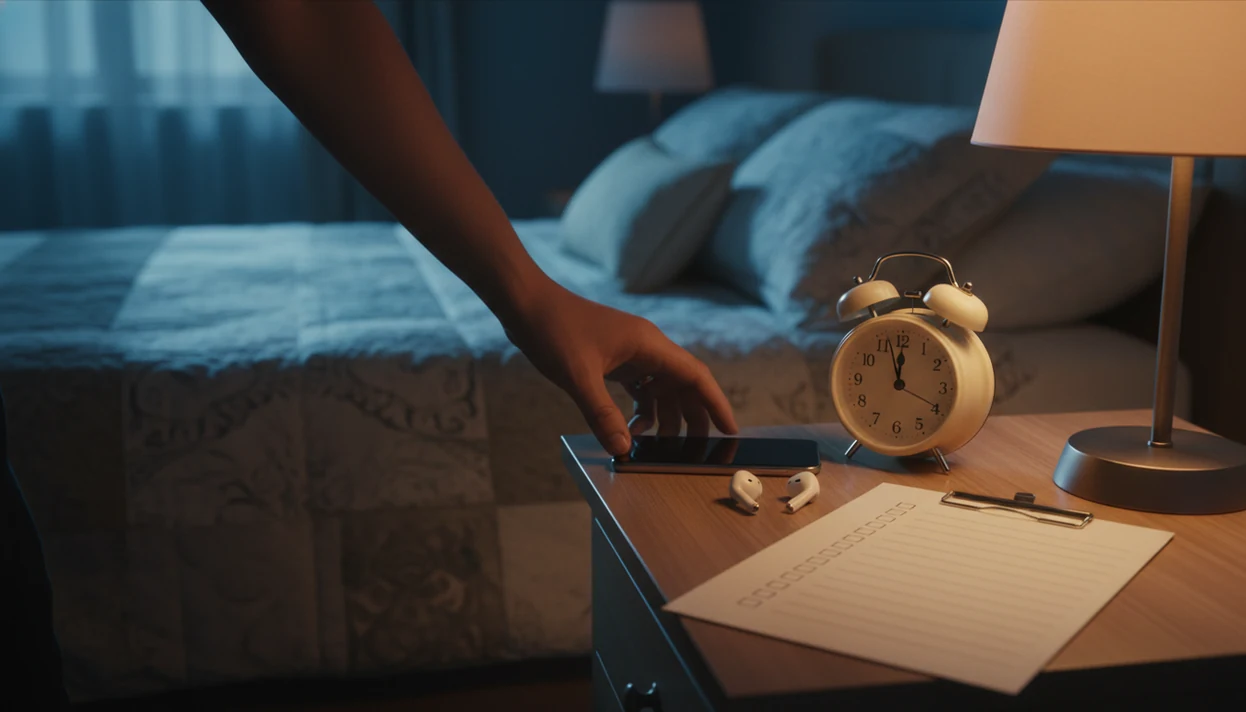


Meditation app safety for teens depends on age-appropriate content, privacy protections, healthy screen boundaries, and clear limits on what the app can do. A teen meditation app is a wellness tool offering guided meditation, breathing, sleep audio, or calming exercises for routine stress support. It may support bedtime wind-down and everyday self-soothing, but it cannot provide diagnosis, therapy, or emergency help.
Before installation, parents and teens should review the age rating, account requirements, content previews, and nighttime settings together. A useful routine has a clear purpose and a clear stopping point, rather than pressure to maintain streaks or keep listening. Families should also agree on when distress needs a trusted adult or clinician, without making hidden surveillance part of the arrangement.
The parent safety checklist
- Teen meditation apps can be safe when parents review age ratings, privacy practices, content tone, and nighttime use before installing.
- The safest use case is routine support for sleep wind-down, stress, breathing, and everyday calm, not crisis care or treatment for severe symptoms.
- Parents should set expectations with the teen, avoid secret surveillance, and define when a trusted adult or professional must be involved.
Meditation App For Teens Safety At A Glance
Meditation apps can be useful for routine calming, but they are not automatically safe for every teen or every situation. A good meditation app for teens safety check starts with age ratings, privacy, content fit, persuasive design, late-night use, and crisis limits.
Parents should look beyond soothing colors and gentle audio. Ask what the app collects, whether it rewards streaks, and whether it encourages a teen to keep listening late in the evening when rest should come first. If a teen says they want a calming voice to help settle a busy mind, a basic breathing track may be enough, not a bottomless menu of sessions.
Tools like MindTastik are built around sleep audio, breathing, guided meditation, and everyday calm support for adults, so parents should evaluate teen use carefully.
Five Teen Meditation App Safety Facts Parents Should Know
- Teen meditation apps are self-soothing tools. They may support breathing, bedtime routines, and everyday stress, but they do not provide diagnosis, therapy, or emergency care.
- Privacy matters because the data can be personal. Wellness apps may collect mood notes, sleep patterns, usage logs, account details, device identifiers, or behavior signals.
- Age-appropriate content should feel simple and steady. A teen meditation app should avoid alarming language, intense self-analysis, and long late-night sessions that keep a teen awake.
- Communication usually beats hidden monitoring. For most families, a direct agreement about when and why the app is used is safer than secret tracking. Exploring meditation for kids and families can help households consider shared practices alongside individual routines.
- Parents should define the job before use. Set usage limits, review privacy settings, and decide whether the app is for sleep wind-down, school stress, short resets, or everyday calm.
The most common safe starting point is a short guided session tied to one routine, because narrow use is easier to notice and adjust.
Small scope helps.
How Teen Meditation App Safety Works Behind The Scenes
Teen meditation app safety depends on four systems working together: content delivery, behavioral design, data flow, and safety controls. The app may look quiet, but it still runs on product choices that shape how a teen uses it.
Content delivery includes guided audio, breathing timers, sleep sounds, reminders, streaks, onboarding questions, and personalized recommendations. Behavioral design means the app can support habit loops, which are repeated cue-routine-reward patterns. In plain language, a reminder can help a teen pause, but a streak can also make the phone feel harder to put down.
Data flow is the other layer. Accounts, device identifiers, usage logs, mood check-ins, sleep patterns, and saved preferences may move through the app’s systems. Parents should read the privacy policy before a teen enters sensitive information.
Safety controls include age ratings, parent settings, notification timing, content categories, and crisis disclaimers. A good setup makes it easy to choose a starting point and easy to stop.
Parent Checklist For Teen Meditation App Safety
Are meditation apps safe for teens? They can be safe for routine calming when parents check anxiety concerns, sleep trouble, screen time, privacy, social comparison, and crisis warning signs before installing.
A peaceful-looking app can still bring up safety concerns. It may gather sensitive information, send reminders at unhelpful times, or use streaks that leave a teen feeling behind. A parent might see a phone with guided audio paused beside a homework notebook and wonder whether the routine is supporting rest or simply keeping the screen in the room longer.
App engagement also varies. In a large public survey study of Headspace users, 76.18% of current users were still using the app, but 34.7% of former users said they stopped because they were already using other mental health strategies, according to a 2025 study PMC research article: PMC12413571. That fits real family use: apps often sit beside journaling, sports, therapy, music, or a parent check-in.
Mindfulness research does not validate every teen app
A 2019 meta-analysis of 33 randomized studies involving 3,666 children and adolescents found small improvements across several outcomes, including attention, depression, and anxiety or stress. When mindfulness was compared with active alternatives rather than less demanding control conditions, significant benefits remained only for mindfulness, depression, and anxiety or stress. That distinction matters: an improvement does not necessarily mean mindfulness is better than another structured activity.
These findings concern mindfulness interventions, not proof that a particular commercial app is effective or safe for a particular teen. The NCCIH guidance on children's complementary health approaches describes the evidence as limited and calls for more rigorous evaluation. Families should therefore separate two questions: whether a practice might offer routine support, and whether the app's content, data requirements, and use patterns are acceptable.
Best Teen Meditation App Safety Features For Parents
The safest features help a teen stop, settle, and rest. They should not turn calm into more scrolling, more badges, or another feed to manage.
Age-Appropriate Meditation Content
Look for short guided sessions with plain instructions, gentle pacing, and no dramatic claims. A teen choosing between a 5-minute breathing exercise and a 20-minute body scan should be able to pick the shorter one without guilt.
Privacy And Data Controls
Parents should check whether the app explains account data, mood entries, sleep logs, and sharing practices in readable language. A meditation app for adults may have useful calm tools, but teen use needs a separate privacy and maturity review.
Bedtime-Friendly App Design
Bedtime design should include quiet reminders, simple exits, and no pressure to keep browsing. TikTok says its under-16 wind-down feature appears after 10 p.m., showing how major platforms frame nighttime calming prompts as digital balance tools newsroom reference: new ways we are supporting parents and helping teens build balanced digi. Transparent reminders and clear crisis boundaries also matter. For younger siblings, bedtime meditation for children should match their age, comfort level, and nighttime routine.
How To Use A Teen Meditation App Safely
Use a teen meditation app as a narrow support tool, not as the only plan for distress. A meditation app for parents should make boundaries easier to discuss, not harder.
- Check the age rating and privacy policy before the teen creates an account or enters mood, sleep, or habit details.
- Choose one use case such as sleep wind-down, breathing before school, a short stress break, or everyday calm.
- Set session and bedtime limits so the app does not become another reason to keep the screen glowing after lights out.
- Try sessions together and ask whether the voice, topic, and length feel manageable. Parents can use teaching mindfulness to children and teens strategies to introduce simple practices without pressure.
- Review changes weekly by asking about sleep, mood, school stress, and whether the app still feels helpful.
- Escalate concerns if panic, depression, self-harm thoughts, severe anxiety, or withdrawal worsens.
For anxious beginners, a short breathing practice is often easier than silent meditation because the teen has something concrete to follow. Parents comparing starting points may also find a meditation app for beginners with anxiety useful for understanding gentle structure.
Common Meditation App For Teens Safety Myths
- Myth: Wellness apps are automatically safe. A soft voice and clean design do not remove privacy, content, or overuse concerns.
- Myth: Sleep help means anxiety treatment. Bedtime audio may support a wind-down routine, but it does not treat an anxiety disorder or explain why a teen cannot sleep.
- Myth: More parental monitoring always improves safety. Transparent check-ins can help, but hidden surveillance may make a teen less willing to talk honestly. Learning how to be a resilient parent can help adults respond calmly while keeping communication open and boundaries clear.
- Myth: A calm app can replace professional help. Clinicians typically recommend urgent adult and professional support when a teen has self-harm thoughts, severe panic, major depression, or escalating distress.
- Myth: Free apps are always lower-risk than paid apps. Free apps may include ads, broader tracking, or weaker content controls. Paid apps still need the same privacy review.
A teen meditation app usually works best when the teen wants a repeatable calming routine, while professional care fits symptoms that are intense, risky, or worsening.
When To Seek Professional Help For Teen Distress
Seek professional help when a teen’s distress is risky, intense, or getting worse instead of settling. Self-harm, suicidal thoughts, severe panic, escalating depression, or a sudden drop in functioning should move the situation beyond app-based support.
Meditation apps are not crisis tools, diagnostic tools, or a way to determine whether a teen is safe. A breathing track may help a teen get through an ordinary stress spike, but it cannot assess suicide risk, treat depression, or replace a clinician’s judgment. If symptoms become stronger after using the app, or the teen seems more isolated, frightened, hopeless, or dependent on sessions to get through the day, an adult should review what is happening.
- Ask directly whether the teen feels unsafe, has thoughts of self-harm, or is thinking about suicide.
- Contact a professional such as a pediatrician, therapist, school counselor, or local mental health service when risk appears.
- Use emergency support if there is immediate danger; in the U.S., call or text 988 for the Suicide & Crisis Lifeline, or call local emergency services.
- Pause app use if sessions seem to worsen symptoms, intensify rumination, or delay real help.
App Context For Parents
For any specific meditation app, parents should review the guided meditations, sleep sounds, breathing exercises, self-hypnosis content, and everyday calm features before allowing teen use.
Parents should evaluate whether sleep audio, breathing, guided meditation, or self-hypnosis content fits their teen’s maturity and needs. That means checking app store information, privacy policy details, content previews, and the family’s own rules before deciding.
Any app in this category should be treated as support for sleep, anxiety self-soothing, beginner meditation, and everyday calm, not medical treatment. If the goal is bedtime wind-down, a parent might first compare how their teen responds to dimming the phone screen, starting one track, and putting the device away afterward. Families focused on bedtime can also review how adults find calm before bed with guided audio.
The label “Best Meditation App for Sleep” can help adults compare app use cases, but parents should still make a teen-specific decision.
Where MindTastik breathing and bedtime audio may fit
MindTastik includes guided meditations, sleep stories, and breathing exercises that parents can review with a teen for a specific purpose, such as an after-school pause or bedtime wind-down. Content should be previewed for language, pacing, and fit rather than assumed suitable because it sounds calming.
A teen who dislikes guided voices may prefer a simple practice without an app. Significant anxiety, depression, trauma symptoms, or worsening distress calls for professional guidance, not a larger audio library. MindTastik is not a medical treatment, and its available features do not establish that every session suits every teen.
What a teen meditation app cannot assess or treat
Meditation apps have real limits, especially for teens. Parents should name those limits before an app becomes part of a bedtime or stress routine.
- Meditation apps are not proven as stand-alone treatment for serious teen mental health conditions.
- A calming bedtime feature may not solve the underlying cause of insomnia, anxiety, school stress, bullying, grief, or family conflict.
- Privacy protections vary widely, and some apps may collect more personal data than families expect.
- Parent controls can help, but excessive or hidden surveillance can reduce trust.
- App-based mindfulness depends on the teen’s willingness, consistency, and ability to stop when the session ends.
- Some users stop because they use other strategies or no longer need the app; in the Headspace survey, 12.8% of former users said they stopped because they no longer needed it.
- A teen in danger, at risk of self-harm, having severe panic, or in crisis needs immediate adult and professional support; in the U.S., call or text 988 for the Suicide & Crisis Lifeline, and use local emergency services for immediate danger 988lifeline reference.
If a parent notices late at night that a teen is awake and checking the phone, that detail can be useful context. It is not a diagnosis.
Choosing fixed routines, flexible sessions, and fewer reminders
- Choose a fixed routine when your teen benefits from predictability; the same steady breath practice after homework can reduce decision fatigue. Parents interested in raising resilient children can pair predictable calming practices with opportunities to handle everyday challenges.
- Choose a flexible routine when stress shows up at different times; a two-minute breathing exercise may fit better between activities than a full nightly plan.
- Choose guided meditation when your teen wants clear structure; silence can feel frustrating before the habit has a place to land.
- Choose offline audio when privacy, travel, or screen boundaries matter; fewer prompts can make the app feel less like social media.
- Choose reminders only if they feel supportive; a reminder that creates pressure is no longer serving the routine.
For structured sessions beyond this page, MindTastik guided meditation app is the main MindTastik hub for guided meditation.
Teen meditation app safety questions
Are meditation apps safe for teenagers?
They can be reasonable tools for routine calming, but safety depends on the teen and the app. Review age suitability, privacy practices, session content, and bedtime use. Exercises should be optional and easy to stop. An app is not appropriate as the only response to severe or worsening distress.
What age rating should parents look for in a meditation app?
Start with the app store's age rating, then review the actual content and account requirements. A rating alone does not establish developmental fit or mental health safety. Parents should preview the language, topics, and instructions with the teen, especially before using unfamiliar sleep audio or self-hypnosis sessions.
Can meditation make a teenager's anxiety worse?
Meditation can intensify distress for some people, and anxiety is among the negative experiences reported in safety research. That research does not establish a precise risk for teen app users. Stop a session that increases fear or distress, and involve a trusted adult or clinician if symptoms persist or worsen.
What personal data should parents check before a teen creates an account?
Check what the app collects, why it needs that information, who receives it, and how it can be deleted. Pay particular attention to mood entries, sleep logs, account details, device identifiers, and usage records. Avoid entering unnecessary sensitive information, and check whether advertising or data sharing is clearly disclosed.
Should parents monitor a teen's meditation app use?
Agree openly on what will be reviewed, such as session timing, content choices, or whether use is helping. Hidden monitoring can undermine trust and make honest conversations harder. The aim is to notice problems and maintain boundaries, not to turn a calming routine into another source of pressure.
Is it safe for a teen to use meditation audio at bedtime?
Bedtime audio may support wind-down, but it should not keep the teen using the phone longer. Choose a defined session, limit unnecessary reminders, and agree on a stopping point. Persistent sleep problems need attention beyond audio, especially when anxiety, distress, or daytime functioning is getting worse.
When should a teen stop using a meditation app and get help?
Stop sessions that make distress stronger or leave the teen frightened or increasingly dependent on listening to cope. Self-harm, suicidal thoughts, severe panic, escalating depression, or a sudden decline in daily functioning require adult and professional support. A meditation app cannot assess risk or provide emergency care.