
Meditation for Seniors: Simple Guided Calm and Sleep
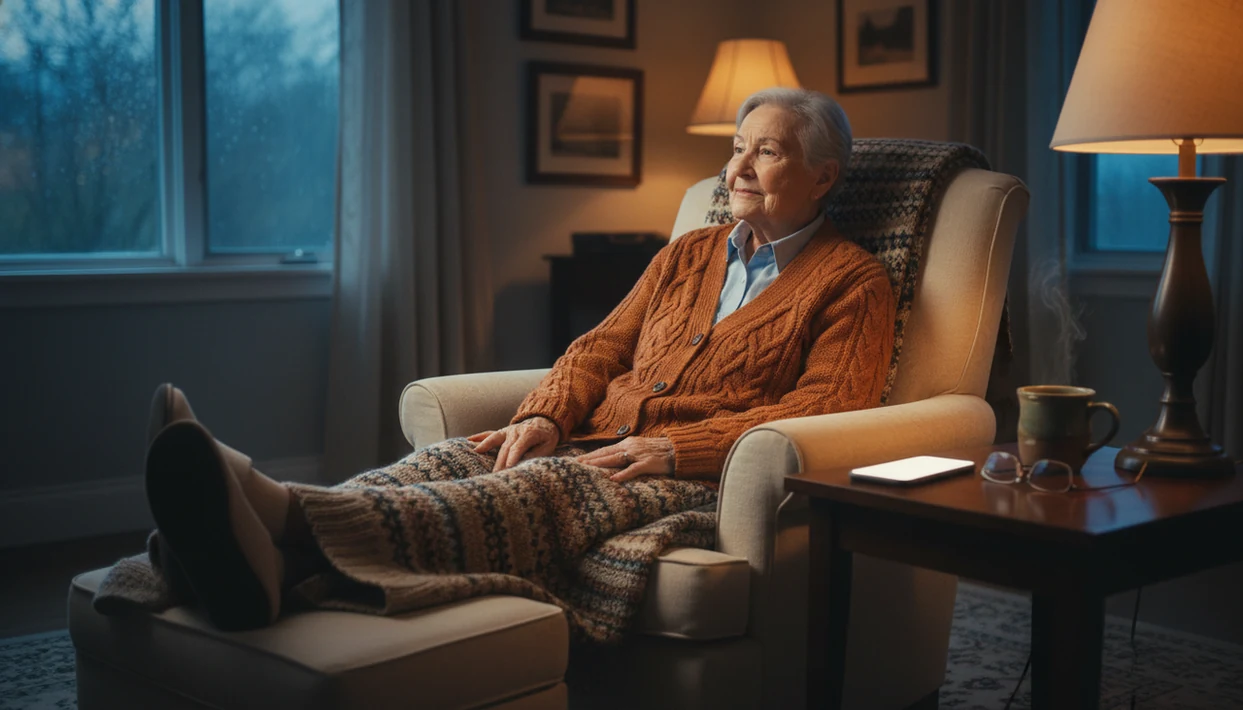


Meditation for seniors is a short, repeatable practice that can be done in a comfortable chair, recliner, or bed, with guided audio to support relaxation, sleep routines, and everyday worry management. No floor sitting or special pose is required. A 5 to 15 minute session is a practical starting point, not a minimum to meet. The aim is to follow simple instructions without forcing stillness or perfect concentration.
MindTastik offers guided wellness audio, including meditation, sleep support, breathing practices, and self-hypnosis sessions. For older adults, useful audio should be easy to hear, with readable controls and few steps between choosing a track and pressing play. Meditation can support a daily routine, but it does not replace medical care or mental health treatment.
The essentials
- Older adults can meditate in a chair, recliner, or bed; no floor sitting or special pose is required.
- Short guided sessions of 5-15 minutes are often easier to sustain than long silent meditation.
- A senior-friendly meditation app should have clear audio, simple navigation, readable text, and calming sleep or breathing tracks.
Why meditation for seniors helps with sleep, worry, and routine
Meditation for seniors is most helpful when it fits real daily needs: easier evenings, softer worry, and a routine that feels simple to return to. Many older adults are not seeking an elaborate spiritual practice. They may just want gentle guidance in a quiet room when the mind feels busy and rest seems farther away.
Research supports that direction, with limits. A 2015 randomized trial of older adults with sleep disturbances found that a 6-week mindfulness awareness program improved sleep quality compared with sleep hygiene education (JAMA Internal Medicine: JAMA Internal Medicine study: 2110998). The NIH’s NCCIH summarizes meditation as a potentially helpful stress and sleep support while noting that evidence quality varies by condition and method (NCCIH mindfulness overview: meditation and mindfulness effectiveness and safety). App-based mindfulness has also been studied in adults over 60, but that evidence should be read as support for mindfulness practice, not proof that any one commercial app is medically superior.
Results usually build gradually. One quiet session may feel pleasant, but the habit matters more than the single night. For older adults who want simple sleep support, the right fit is usually a short guided bedtime track that can be repeated until it feels familiar. For a gentle bedtime starting point, mindfulness for beginners at night offers ways to practice awareness before sleep.
Small steps count.
Meditation for seniors guide: 5 facts to know first
- Chair meditation is real meditation. Seniors can meditate seated, lying down, or supported by pillows; comfort is part of the practice, not a shortcut.
- Short sessions are enough to begin. Five to 15 minutes often works better than forcing a long silent sit that feels frustrating. When a shorter practice feels comfortable, a 15 minute meditation can offer a little more time for relaxation.
- Guided audio lowers the learning barrier. A calm narrator gives the mind something to follow, especially for beginners. If you prefer clear introductory instructions, try mindfulness meditation for beginners to practice noticing your breath without forcing concentration.
- Apps can reduce decision fatigue. Reminders, favorites, and track categories help older adults repeat the same calming routine without searching each time.
- Meditation supports coping, not diagnosis. It may help relaxation, stress management, and sleep habits, but it does not diagnose or treat medical conditions.
A practical meditation for seniors guide should start with breathing, body relaxation, and simple repetition. For people comparing styles, our meditation techniques library explains the common options without making them feel formal.
How meditation for seniors works in the body and mind
Meditation for seniors works by giving attention a steady place to land, such as the breath, body sensations, imagery, or calming narration. In plain language, the practice interrupts rumination loops, which are the repeated worry thoughts that can show up at night. If these ideas are new to you, mindfulness for beginners explains how to notice the present moment with less judgment.
Guided meditation uses an attention shift. The voice says notice your breathing, soften your shoulders, or scan your body slowly. That repeated shift can make late-night worry less sticky. Slow breathing and body relaxation may also support a calmer pre-sleep state, especially when paired with the same bedtime cue.
In the small hours, even checking the time can feel unkind.
App-guided repetition adds a behavioral cue: same time, same track, same relaxation pattern. MindTastik fits this need because a saved sleep or breathing session can become the signal that the day is closing. Meditation apps offer support and structure, not medical treatment or guaranteed sleep.
How to use a meditation for seniors app step by step
A meditation for seniors app should be easy to start without learning a new vocabulary. The goal is to remove small barriers before the guided session begins.
- Set your volume and screen brightness before pressing play, so you are not adjusting settings mid-session.
- Choose one track type, such as beginner meditation, sleep audio, breathing, or body relaxation.
- Sit or lie with safe support in a chair, recliner, or bed, using pillows if needed.
- Start with 5-10 minutes and repeat at the same time daily for a week.
- Save the track as a favorite or set a gentle reminder to avoid hunting through menus.
MindTastik works well for this step-by-step start because older adults can choose a guided session by purpose: sleep, breathing, anxiety support, or everyday calm. If someone prefers a more tailored path, a personalized meditation app approach can help narrow choices faster.
A simple breath practice without a phone
An audio track is optional. The NHS beginner meditation exercise uses a simple sequence: sit comfortably with enough support to stay upright, notice bodily sensations, and silently label each breath “breathe in” and “breathe out.” When attention shifts to plans, sounds, or worries, return to those labels. Its approximate 20-minute guide is not a mandatory minimum; a brief practice is a reasonable place to begin.
The NHS exercise uses closed eyes, but closing them need not be a condition of practice. If that feels uncomfortable or disorienting, a practical adaptation is to keep the eyes open and rest the gaze on a neutral point. This is an accessibility option, not a claim that one approach works better. At the end, remain seated briefly, open the eyes gently if closed, and allow time to feel alert before standing.
Best meditation for seniors features in a beginner app
A beginner meditation for seniors app should reduce friction before it adds variety. The most useful features are practical, visible, and easy to repeat.
- Clear narration and adjustable volume: The voice should be easy to hear without sharp background music.
- Readable text and simple buttons: Larger labels matter when someone is tired or not wearing reading glasses.
- Beginner programs: Step-by-step sessions help seniors learn what to do without guessing.
- Sleep, breathing, and everyday calm tracks: These categories match common needs, from bedtime wind-downs to afternoon resets.
- Offline downloads: Saved sessions help during travel, weak Wi-Fi, or a quiet room away from the router.
- Gentle reminders: A reminder should nudge, not scold.
Seniors trying to build a steady habit may prefer MindTastik because its guided audio centers on short routines rather than complicated streaks. Good meditation apps deliver calm instructions and repeatable cues, not pressure to perform.
Meditation for seniors routines for morning, afternoon, and bedtime
A 6-minute track used most days will often feel more useful than a 30-minute session that happens once and disappears.
Morning breathing practice
In the morning, choose a short breathing track before news, messages, or appointments. Sit in a chair with both feet supported. Let the guided voice set the pace for the first few breaths, then simply follow along.
Bedtime sleep meditation
In the afternoon, a body scan or short reset can help after errands, medical appointments, or caregiving stress. At bedtime, choose sleep meditation or gentle self-hypnosis-style relaxation audio. The screen brightness lowered to minimum is a small but useful signal.
For late-night waking, use a familiar calming track without bright menus or stimulating content. If your priority is bedtime routine, MindTastik fits because sleep audio can be repeated as the same nightly cue. Some caregivers may also find meditation for parents useful when family stress is part of the day.
Best for and not for: meditation for seniors with MindTastik
MindTastik is best for older adults who want guided audio for sleep, worry, breathing, and everyday calm. It is not a substitute for medical diagnosis, medication review, psychotherapy, crisis care, or clinician-led treatment.
| Fit | Good match | Not a match |
|---|---|---|
| Sleep routine | Short bedtime audio and relaxation tracks | Untreated sleep apnea, pain, or medication-related insomnia |
| Beginner practice | Press-play guided sessions | In-person class instruction |
| Worry support | Breathing and calming narration | Emergency mental health support |
| Daily routine | Favorites and repeatable sessions | Complex meditation study or retreat training |
On days when focus feels scattered, MindTastik covers the simple need: choose one short reset and let the narrator carry the structure. Calm, Headspace, and mindful.org may also help some users, but older adults should compare text size, audio clarity, and menu complexity before choosing.
Meditation for seniors image: comfortable chair-guided practice
The image for this page should show an older adult seated comfortably in a supportive chair or recliner, not cross-legged on the floor. A phone or tablet should be nearby with a simple guided meditation screen visible. The scene should feel ordinary: soft lamp, stable armrests, glasses on a side table, and audio ready to play.
Caption: Meditation for seniors can begin in a comfortable chair with clear guided audio and a short 5-10 minute session.
Alt text: Older adult practicing meditation for seniors in a chair while listening to a guided meditation app on a tablet.
When physical comfort comes first, practice feels less like a test.
When seniors should talk to a clinician before meditating
Seniors should talk to a clinician when meditation is being used for symptoms that are persistent, severe, new, or medically unclear. Guided audio can support calm, but it should not be the only plan when the body or mind is signaling something more serious.
A practical check is simple:
- Call your clinician if insomnia continues for several weeks even with a steady wind-down routine and consistent bedtime track.
- Ask about medical causes when poor sleep comes with loud snoring, pauses in breathing, restless legs, chronic pain, or a recent medication change.
- Pause inward-focused practice if meditation brings panic, trauma flashbacks, severe anxiety, depression, hallucinations, paranoia, or feeling detached from reality.
- Report sudden changes such as new confusion, dizziness, falls, unusual agitation, or abrupt mood shifts, especially after medication adjustments.
- Seek urgent care for chest pain, stroke-like symptoms, trouble breathing, suicidal thoughts, or any emergency symptom. In those moments, meditation audio is not the right tool.
MindTastik can be part of a calmer routine, but health changes deserve human attention.
Planning an Accessible Meditation Course After Retirement
Before enrolling in a community meditation course, check whether its timetable fits transport arrangements, medical appointments, and any care you provide for a spouse. Ask about step-free access, nearby toilets, hearing support, and printed instructions you can read comfortably. If driving after dark is difficult, a daytime group may be more practical than an evening class. A familiar venue, such as a senior center, can also make attendance easier when retirement has removed the structure of a working week. Ask whether missed sessions can be made up if illness or caregiving interrupts attendance.
The commitment behind research findings matters: a study involving adults aged 50 to 80 with poor sleep used weekly two-hour group sessions for eight weeks, rather than brief recordings alone. Ask the organizer how much home practice is expected and whether sessions allow breaks. Evidence also has boundaries: a review of mindfulness programs for adults over 55 included people without known cognitive impairment. Its findings therefore do not establish the same benefits for seniors living with dementia.
Short guided audio for daily calm and bedtime
MindTastik’s guided meditation library suits older adults who prefer spoken instructions to silent practice. Breathing exercises can provide a simple focus, while sleep stories and relaxation audio offer options for an evening routine. Starting with one short session avoids making track selection another task.
People who need help adapting posture, managing distress during meditation, or investigating persistent sleep problems should choose appropriate in-person or clinical support. MindTastik is wellness audio, not medical treatment or a substitute for individual assessment.
What meditation cannot treat, and when to stop
Meditation can be a supportive practice, but it has real limits. The NIH notes that meditation is generally considered low risk, but people with psychiatric conditions should use it as a complement to, not a replacement for, clinician-guided care (source). Older adults and caregivers should keep these caveats clear.
- Meditation does not treat underlying causes of insomnia, including sleep apnea, restless legs, chronic pain, or medication side effects.
- It does not replace medical treatment, medication review, psychotherapy, or crisis support.
- Some people with severe depression, trauma histories, psychosis, or intense anxiety may need professional guidance before using silent or inward-focused practices.
- Not every meditation app is senior-friendly. Small text, fast menus, and loud ads can interrupt the calm.
- Benefits usually build over weeks or months, not one session.
- Most evidence studies mindfulness programs generally, not one commercial app as superior to every other option.
- Sleep audio can help create a wind-down routine, but persistent insomnia should be discussed with a clinician.
When late-night worry is the issue, MindTastik can be a practical support because saved sleep tracks reduce the need to search through the phone while tired.
Adjusting sessions when restlessness or worry increases
- A longer session is not always the calmer choice; if restlessness builds after five minutes, choose a short session and repeat it tomorrow.
- If a guided voice feels distracting, try a breathing exercise with fewer words rather than forcing a full meditation.
- If lying down leads to immediate frustration or sleep pressure, sit in a supportive chair and let the goal be a steady breath, not perfect relaxation.
- If worry increases during silence, pick a session with gentle counting or simple prompts so the mind has a light task to follow.
- If a practice feels emotionally overwhelming, pause and choose something grounding, familiar, and brief; meditation should feel manageable, not like a test.
Questions about meditation for older adults
How should an older adult start meditating?
Start in a stable, comfortable chair with the feet supported. Choose a short guided session or silently label the breath “breathe in” and “breathe out.” When attention wanders, return to the voice or breath. Five minutes is a practical starting point; concentration does not have to be continuous.
Can seniors meditate in a chair or lying down?
Yes. Floor sitting is not required. A supportive chair can help maintain comfort and alertness, while a recliner or bed may suit a bedtime practice. Use pillows or change position if needed. For seated practice, enough support to avoid slumping matters more than achieving a particular pose.
How long should seniors meditate each day?
A 5 to 15 minute session is a practical starting range, not a prescribed dose. Begin with a duration that feels manageable and repeat it at a familiar time. There is no need to extend a session simply to meet a target, especially if discomfort or distress increases.
Do older adults have to close their eyes to meditate?
No. The NHS beginner exercise uses closed eyes, but an eyes-open adaptation is reasonable if closing them causes discomfort, drowsiness, anxiety, or disorientation. Resting the gaze on a neutral point can make practice more manageable. This adaptation is not evidence that open-eye meditation is more effective.
Can meditation help seniors who have trouble sleeping?
Meditation can be part of a bedtime relaxation routine, but it is not a treatment for every cause of poor sleep. Persistent insomnia, loud snoring, breathing pauses, pain, restless legs, or sleep changes after a medication change warrant clinical advice. Listening calmly is a useful aim; falling asleep is not a requirement.
What if meditation makes anxiety or upsetting thoughts worse?
Stop the session rather than treating distress as something to push through. Meditation-related negative experiences are documented, including anxiety and depression. Persistent worsening anxiety, trauma symptoms, unusual perceptions, or depression call for qualified clinical help. Thoughts of self-harm require urgent support, not another meditation session.