
Are Meditation Apps Safe For Sleep And Anxiety Support?
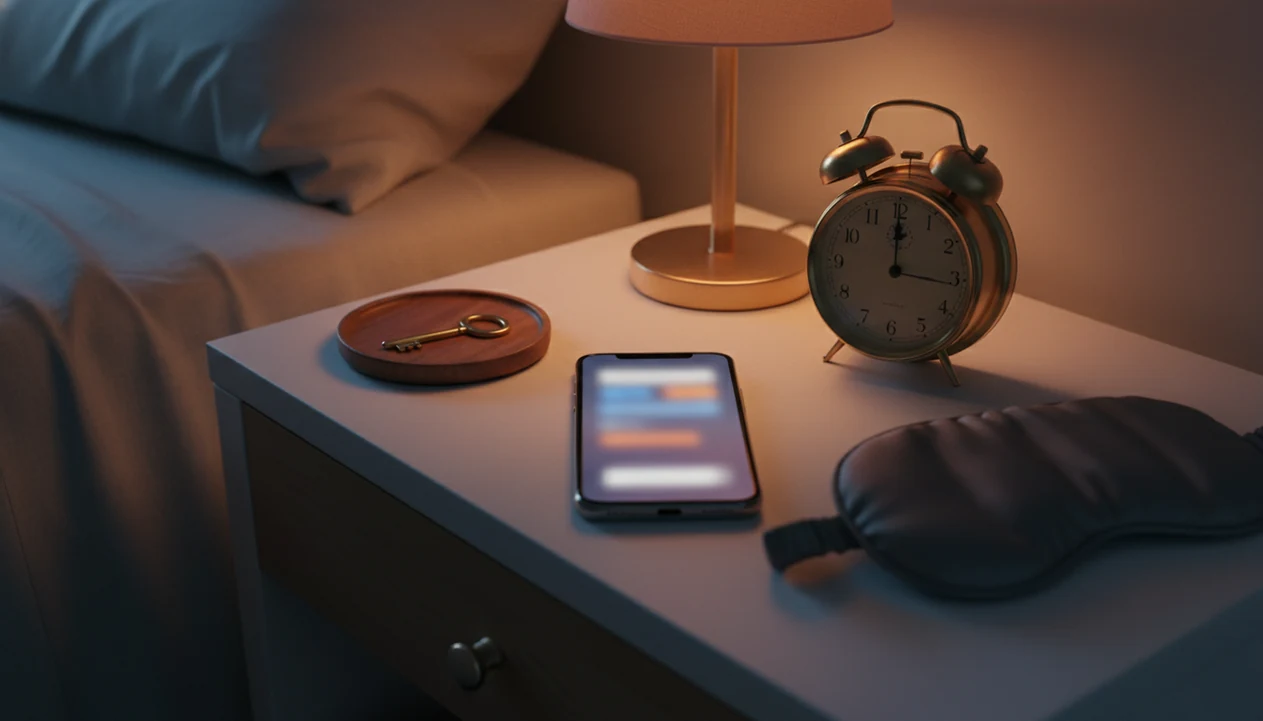


Meditation apps are generally safe for many adults when used for relaxation, sleep routines, breathing practice, and everyday calm, but they are not risk-free or substitutes for medical care. Safety depends on the session, a person's history, and their response during and after practice. The main concerns are worsening symptoms, trauma-related distress, and the collection or sharing of sensitive personal data.
This page covers adult wellness use, not diagnosis, therapy, crisis support, or treatment guidance. Short, gentle sessions can be a starting point, but worsening panic, traumatic memories, dissociation, or distress are reasons to stop. Persistent sleep problems or severe anxiety need assessment beyond an app. Privacy deserves a separate check, even when the audio feels calming.
Safety essentials
- Meditation apps are usually safe for general wellness use, but safe does not mean risk-free.
- Stop using a session if anxiety, panic, traumatic memories, dissociation, or distress gets worse.
- Check privacy practices because meditation and mental wellness apps may collect sensitive personal data.
Meditation app safety boundaries for sleep and anxiety support
A meditation app is generally a wellness support tool for relaxation, sleep routines, breathing practice, and everyday calm. It is not a tool for diagnosis, treatment, cure claims, psychiatric care, emergency support, or medical advice.
A safe meditation app depends on three things: the content, the user’s history, and how the user responds in the moment. A gentle bedtime body scan may feel manageable for one person, while silent inward attention may feel unsettling for someone else.
Notice the word “support.”
Tools like MindTastik can fit a wellness routine when the goal is a guided session, a short reset, or a wind-down cue. For therapy boundaries, the fuller question is covered in can meditation app replace therapy.
At-a-glance answer on meditation app risks
The fastest safety check is to match your current state to the level of support you need. If symptoms feel intense, unstable, or unsafe, an app should not be the main plan.
| Situation | What it may mean | Safer next step |
|---|---|---|
| Mild stress, bedtime wind-down, beginner breathing, everyday calm practice | Generally okay for many adults | Choose gentle, short sessions and stop if distress rises |
| Trauma history, panic symptoms, severe anxiety, dissociation, recent major loss, unstable mood | Use caution | Consider clinician guidance before intensive practice |
| Worsening symptoms, suicidal thoughts, psychosis, uncontrollable panic, traumatic re-experiencing, feeling unsafe | Stop and seek help | Use professional, emergency, or crisis support |
A late-night check-in matters here. If the app helps you pause, breathe, and avoid another round of scrolling, that can be useful. If your body feels more tense or old memories start surfacing, stop and choose support that feels safer.
Five facts about safe meditation app use
These five facts give a balanced view of meditation app safety. They cover both the likely benefit and the less-discussed risks.
- Meditation apps are wellness tools, not guaranteed cures for anxiety, insomnia, depression, trauma, or stress.
- Meditation-related adverse effects can include anxiety, traumatic re-experiencing, and emotional sensitivity.
- In a 2021 U.S. sample of nearly 1,000 meditators, 10.6% reported functional impairment from meditation-related adverse effects for some period of time PMC research article: PMC8454695.
- A 2021 systematic review reported small but consistent improvements in anxiety and depression symptoms from meditation apps, but that does not make outcomes guaranteed. jmir reference.
- Privacy and security are part of meditation app safety because app use can reveal sleep timing, mood patterns, and coping habits.
For most adults, a short guided breathing session is often easier than unguided silence because the voice gives attention somewhere concrete to land.
Evidence for meditation is not evidence for every app
A study of meditation in general does not establish that a particular app treats anxiety or insomnia. For an app making health claims, the useful question is whether peer-reviewed research examined that specific product. The NCBI app evaluation framework treats clinical evidence, safety, therapeutic alignment, privacy, and informed consent as separate checks. Popularity or availability in an app store cannot answer all of them.
A subscription is also not evidence of better mental-health outcomes. Payment may provide a larger content library, additional features, or fewer advertisements, but those benefits are different from demonstrated clinical effectiveness. An app can be convenient for a bedtime routine without being a treatment for insomnia. Clear claims should identify what was studied rather than use general meditation research to imply that every session has the same benefits. When comparing costs and features, meditation app reviews can help you assess options without treating subscriptions as clinical evidence.
How meditation apps work for sleep, anxiety, and everyday calm
Meditation apps work by guiding attention through audio cues, breath pacing, body scanning, repetition, and habit formation. The basic mechanism is attention training: you practice noticing where the mind went, then return to a chosen anchor. If you prefer a symbolic focal point, explore heart chakra crystals as optional objects, not tools that guarantee meditation safety.
Sleep content usually acts as a wind-down cue. It may reduce arousal by pairing a calm voice, slower breathing, and a familiar routine, but it cannot force sleep. Anxiety support works more like attention shifting and nervous-system settling, not treatment of an anxiety disorder.
A quiet room, dim light, and a phone playing a short guided session. That is the everyday use case.
Most apps also involve data flow. They may collect account details, session history, preferences, device data, and sometimes mood or journal inputs. A meditation app for adults should make that easy to understand before optional inputs become a habit.
Symptom cautions for meditation app safety
Can a meditation app make symptoms worse? Yes, some people may feel worse during or after meditation, especially if the practice brings attention toward panic sensations, trauma memories, or intense emotional material.
Warning signs include worsening anxiety, panic, intrusive memories, traumatic recall, emotional flooding, dissociation, agitation, insomnia, or feeling detached from reality. Do not push through severe distress because an app voice says to “stay with it.” That advice may be wrong for the moment.
Stop the session. Look around the room. Name ordinary sensory cues, such as the floor under your feet, the color of the wall, or the sound of traffic outside. If symptoms persist, worsen, or feel frightening, contact a clinician or appropriate support.
People with trauma histories or mental health vulnerabilities may need professional guidance before intensive meditation. Clinicians typically recommend matching self-care tools to symptom severity, rather than using an app as the only support. For everyday stress rather than severe symptoms, compare anxiety apps for stress relief while keeping professional support available.
How to use meditation apps more safely
Use meditation apps more safely by starting small, choosing gentle content, and treating symptom worsening as a reason to stop, not as a challenge to push through. The safer pattern is simple: low intensity first, check your response, then adjust.
- Begin with a short beginner session, ideally five to ten minutes, especially if you are tired, anxious, or new to meditation.
- Choose gentle guided audio before sleep, such as a calm body scan, soft breathing cue, or wind-down story, instead of intense silent inward practice.
- Stop immediately if panic, dissociation, traumatic recall, emotional flooding, or feeling detached from reality increases during the session.
- Ground yourself before deciding what to do next: open your eyes, feel your feet, name objects in the room, or listen for ordinary sounds nearby.
- Switch to a lighter session, pause app use, or contact a clinician if symptoms persist, escalate, or feel unsafe. For a lighter wellness format, an affirmation app offers encouraging statements rather than intensive inward attention.
A useful session should leave you with more steadiness, not more fear. If the phone starts to feel like pressure, put it down.
Privacy checks for a safe meditation app
Meditation app safety includes privacy because wellness data can be personal. Sleep habits, anxiety patterns, mood entries, audio choices, and session timing can reveal more than a simple entertainment app would.
A 2022 privacy-focused analysis of mental health apps found 20 of 27 had critical security risk findings, and 4 of 27 had high security risk findings. That does not mean every meditation app is unsafe, but it does mean readers should check. foundation reference: top mental health and prayer apps fail spectacularly at privacy security.
- Privacy policy clarity: Can you understand what data is collected without legal guessing?
- Data sharing: Does the app explain advertising, analytics, or third-party partners?
- Account deletion: Can you delete your account and related data?
- Tracking and encryption claims: Are security claims specific, or vague? Check whether meditation apps are covered by HIPAA before assuming that wellness data receives the same protections as clinical records.
- Optional inputs: Are mood logs, journal notes, or check-ins truly optional?
The broader privacy question is covered in are meditation apps private.
Common myths about meditation app risks
Several safety myths make meditation apps sound simpler than they are. The truth is more useful.
- “Meditation apps are completely harmless.” Most users may do fine, but some experience anxiety, distress, or traumatic recall.
- “Relaxation content cannot affect mental health.” Relaxation practice can still shift attention toward body sensations, memories, or emotions.
- “Feeling worse means the practice is working.” Sometimes discomfort is mild and temporary. However, worsening panic, dissociation, or traumatic re-experiencing is a stop sign.
- “Privacy does not matter for wellness apps.” Usage timing, sleep choices, and mood entries can be sensitive.
- “An app is enough during a crisis.” Severe anxiety, suicidal thoughts, psychosis, or trauma crisis needs human support.
Some people reach for guided audio because they want a calm voice to help them through a difficult mental stretch. That can be a reasonable use. It is not a crisis plan. For everyday relaxation, these calming apps for anxiety relief offer options to compare, not substitutes for crisis or clinical support.
When a meditation app is not enough
When is a meditation app not enough? A meditation app is not enough for suicidal thoughts, self-harm urges, psychosis, mania, severe depression, severe panic, substance withdrawal, abuse, or feeling unsafe.
If there is immediate danger, use emergency or crisis resources, not an app. Depending on urgency, contact a licensed clinician, local emergency service, crisis line, or trusted support person. App content can be paused or avoided during crisis periods.
Reset the plan.
During severe distress, even a gentle voice can feel like too much input. Put the phone down if the session is escalating symptoms. If sleep is the main issue and the question is medical, the boundary is similar to can meditation app treat insomnia: bedtime audio may support a routine, but persistent insomnia deserves proper evaluation.
MindTastik options for gentle, guided practice
MindTastik's guided meditation library, breathing exercises, and sleep stories offer different formats for everyday relaxation and bedtime routines. A short session with clear instructions may suit adults who prefer a voice to silent practice. The relevant choice is a manageable format, not a promise of treatment.
MindTastik is not a medical treatment. People whose symptoms intensify during meditation should stop rather than switch repeatedly between tracks. Severe anxiety, trauma-related distress, dissociation, or unstable mood may call for clinician guidance instead of an app-led routine.
What meditation app safety claims cannot establish
Meditation app safety claims need clear limits. Safe does not mean risk-free for every user.
- Meditation apps cannot replace therapy, psychiatric care, diagnosis, medication management, or urgent evaluation.
- Studies may be short-term, self-reported, or based on selected users rather than high-risk real-world populations.
- Benefits in reviews are often small to moderate and should not be described as guaranteed outcomes.
- People with trauma histories may need more support than an unguided or app-first format provides.
- Privacy protections vary widely by app and may change over time.
- Some users may find silence, body scans, or breath focus uncomfortable rather than calming.
- A polished app library does not prove clinical suitability, crisis readiness, or strong data protection.
Any consumer meditation app, including one marketed for sleep, should still be viewed as wellness support rather than medical, psychiatric, or crisis care. For legal privacy coverage, read whether are meditation apps covered by HIPAA.
Meditation app safety questions
Are meditation apps safe for anxiety?
For many adults with everyday stress or mild anxiety, gentle guided sessions can be used as wellness support. They are not treatment for an anxiety disorder. Start with a short session and stop if anxiety rises. Severe, persistent, or unstable symptoms call for professional assessment rather than relying on an app.
Can a meditation app make panic worse?
Yes. Attention to breathing or body sensations can feel unsettling for someone experiencing panic, and some people become more distressed during meditation. Stop if panic increases instead of trying to finish the track. Looking around the room and noticing ordinary sensory cues may be a simpler next step. Severe or uncontrollable panic needs support beyond an app.
Is app-based meditation safe for people with trauma histories?
A trauma history calls for caution, not an assumption that all meditation is unsuitable. Inward attention can bring up distressing memories, emotional flooding, or dissociation. Clinician guidance may help determine an appropriate format. Sessions that ask people to revisit traumatic material are not a substitute for professional support.
Are sleep meditation apps safe to use at bedtime?
Gentle sleep stories, guided relaxation, and body scans can serve as bedtime cues for many adults. They cannot force sleep or establish why sleep is disrupted. Stop content that increases agitation, anxiety, or wakefulness. Persistent or worsening sleep problems need medical advice rather than progressively longer sessions.
What are the warning signs that I should stop meditating?
Stop when panic, traumatic recall, dissociation, emotional flooding, agitation, or feeling detached from reality increases. There is no need to finish a session because the recording encourages persistence. Pause the audio and notice the surrounding room. Severe symptoms, feeling unsafe, or suicidal thoughts require professional or emergency support, not another track.
How long should a beginner's meditation app session be?
Five to ten minutes is a practical starting point for a beginner wellness session. Choose gentle guidance rather than intensive silent practice, and check how the session feels during and afterward. That duration is not a safety guarantee. A shorter session, or no session, is appropriate when distress increases.
What privacy settings should I check in a meditation app?
Check what the app collects, what it shares with third parties, and whether data collection can be limited or records deleted. Mood entries, sleep habits, and session timing can be sensitive. A clear privacy policy should explain these practices. Free access, paid access, and calming content do not establish privacy protection.
Can meditation apps replace therapy or anxiety medication?
No. Meditation apps are wellness tools, not replacements for therapy, psychiatric care, diagnosis, or medication management. A guided session may support an everyday routine alongside appropriate care, but it cannot assess worsening symptoms or manage a crisis. Treatment decisions and persistent anxiety or sleep symptoms belong with a qualified clinician.