
Meditation App Success Stories For Sleep And Everyday Calm Habits
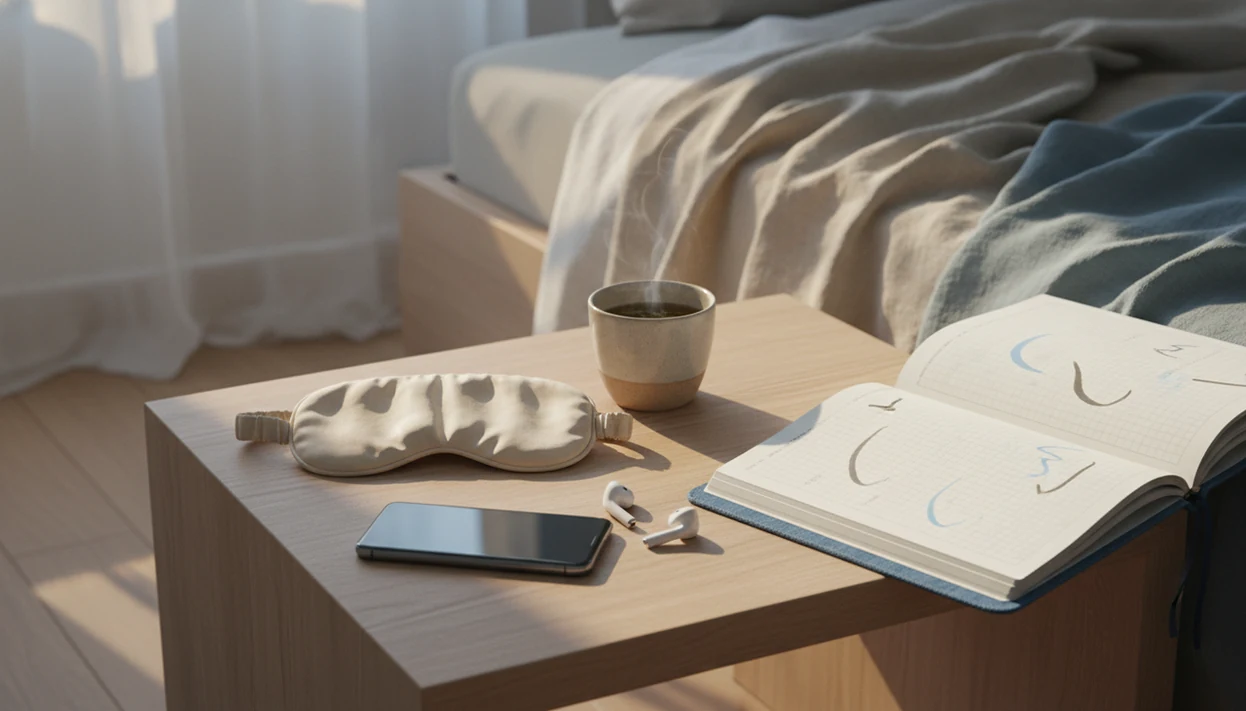


Meditation app success stories are accounts of changes in sleep, stress, or daily habits, not guarantees that an app will produce the same results for everyone. The most useful stories describe a repeatable routine, how long it lasted, and the features involved, such as guided meditation, breathing exercises, sleep audio, or self-hypnosis. Small changes over several weeks are more informative than claims of an overnight transformation.
Most results in these stories are self-reported. A routine such as 10 minutes before bed or a short breathing session before a stressful meeting gives readers something concrete to consider. MindTastik offers guided sessions, sleep-focused audio, breathing practices, and self-hypnosis for adults seeking support with rest and everyday calm. These are support tools, not cures or replacements for therapy.
What a useful story shows
- Meditation app results are usually self-reported, so they should be read as personal experiences rather than proof that everyone will get the same outcome.
- The most believable meditation before and after stories involve repeatable habits, such as 10 minutes before bed or a short breathing session during anxious moments.
- MindTastik success stories should focus on sleep support, anxiety support, beginner meditation, and everyday calm without presenting the app as a cure or therapy replacement.
Meditation App Results From Realistic User Stories
Meditation app results are most believable when they describe a repeatable routine and a modest change, not a dramatic overnight transformation. A useful success story may be a personal report, a composite example, or a documented user experience.
Common outcomes include calmer evenings, less repetitive worry, easier emotional reset moments, and more consistent wind-down habits. In a quiet room with dim light, the meaningful change may be simple: reaching for a guided track once, then settling back into a steadier breath.
A 2021 survey of 11,108 Calm subscribers found that over 80% reported better falling asleep, staying asleep, and restful sleep, with more frequent use linked to greater perceived sleep and mental health improvements PMC research article: PMC8535359. Still, outcomes vary by feature, frequency, starting stress level, and sleep concerns.
For adults comparing routines, a meditation app for adults should make those differences easy to understand.
Five Facts About Meditation Before And After Stories
- Meditation app success stories are self-reported experiences, not proof that an app will work the same way for everyone.
- Frequent users in app surveys often report better sleep and anxiety management, but these are perceived improvements rather than guaranteed outcomes.
- The strongest meditation before and after changes usually come from daily use over weeks or months, not one distracted session.
- Different features work for different people, including guided meditations, breathing exercises, sleep audio, ambient sounds, and self-hypnosis sessions.
- Ethical success stories emphasize small cumulative gains, not cures for insomnia, anxiety, depression, PTSD, or trauma symptoms.
The phone screen matters here too. Many people start by dimming the display, choosing one track, and trying not to browse for another 15 minutes.
Good meditation app for sleep anxiety and everyday calm routines deliver structure, repetition, and a supportive practice, not a medical cure or guaranteed symptom relief.
How Meditation App Success Stories Work
Meditation app success stories work through a habit loop: a cue, a short practice, calming feedback, and repetition. In plain terms, the app gives the brain a familiar next step when stress or bedtime restlessness appears.
Guided audio reduces decision fatigue for beginners because it supplies timing, instructions, and a clear ending. That matters when someone is choosing between a 5-minute breathing exercise and a 20-minute body scan in an app library. Too many options can become another reason to quit.
Sleep meditations, breathing exercises, and self-hypnosis sessions can help downshift attention and build a predictable wind-down routine. App logs and user recall can show useful patterns, but they do not replace objective sleep tracking or clinical assessment.
For beginners, guided meditation usually works best when the session is short and repeated, while longer unguided practice fits people who already know how to sit with distraction.
14-Day Meditation App Routine For Everyday Calm Stories
Use a 14-day meditation app routine to test one everyday calm habit before deciding whether the app helped. Keep it simple enough that you can repeat it on an ordinary Tuesday.
- Choose one use case, such as falling asleep, handling afternoon stress, or building a morning calm habit.
- Pick one short track or session type for the first week instead of browsing the whole library.
- Use the app at the same time each day for 10 to 14 days.
- Write one before note, such as stress level, racing thoughts, mood, or sleepiness.
- Write one after note, using the same words so the pattern is easy to review.
- Review the two-week pattern and switch content type only if the current routine feels unhelpful. For a longer experiment, consider the 21/90 rule for calm habits as a planning framework, not a guaranteed schedule for change.
A meditation app for busy people should make this kind of test possible without requiring a long morning ritual.
Two weeks is a trial, not a verdict.
Keep a bedtime app routine from becoming more phone time
A sleep routine needs a stopping point, not just a starting cue. A 2025 clinical review of problematic smartphone use describes associations with sleep disruption, stress, and anxiety. Its management recommendations include monitoring screen time, scheduling phone-free periods, reducing phone use before bed, and keeping a regular sleep schedule. This does not mean that every frequent phone user has a clinical problem.
For a meditation routine, a practical application is to select the track before bedtime, disable nonessential notifications, and stop browsing once the session ends. When possible, keep the phone away from the bed after starting the audio. These steps adapt the review’s recommendations to app use; they are not a separately validated treatment protocol. A useful success story should report less bedtime scrolling as well as any perceived change in sleep.
Story 1: Sleep Anxiety Meditation App Results For Maya
Maya is a composite adult user with racing thoughts at bedtime and an inconsistent sleep routine. Her usual pattern was scrolling in bed, checking tomorrow’s calendar, then feeling more awake than when she started.
She tried a 10-minute guided meditation followed by sleep audio most nights for four weeks. Some nights were still rough. But the routine gave her a clearer handoff from “day mode” to “bed mode.” The sleep timer set for twenty minutes became part of the signal. To assess gradual changes without expecting guarantees, compare your notes with meditation benefits after 30 days.
Her meditation before and after looked modest: less phone scrolling, fewer spiraling thoughts, and a more predictable wind-down routine. That is a meaningful everyday calm story, but it is not an insomnia cure.
People with severe or persistent sleep problems should seek professional evaluation. A bedtime audio routine can support healthier habits, especially when paired with sleep hygiene and a plan to find calm before bed.
Story 2: Everyday Calm Stories From A Workday Breathing Habit
Jordan is a composite beginner who felt tense before recurring work meetings. He did not want a long practice. He wanted something short enough to use five minutes before the call started.
His routine was a brief breathing exercise before the same weekly video meeting. After a few sessions, he noticed his hands unclenched after the video call. He also caught shoulder tension earlier and paused before sending reactive replies.
Short session. Honest habit.
The before and after was not a new personality. It was a shorter stress spike and a little more space between pressure and response. Breathing sessions can support self-regulation, but they do not replace therapy, workload changes, safer management, or medical care when stress is severe.
Clinicians typically recommend professional support when anxiety is intense, persistent, disabling, or linked with panic, depression, trauma symptoms, or thoughts of self-harm.
Story 3: Meditation Before And After For A Beginner Routine
Elena is a composite user who thought meditation meant clearing the mind perfectly. Her first attempts felt like failing because thoughts kept interrupting. Fidgeting hands in a lap made the whole thing feel too obvious.
She shifted to three to five guided sessions per week, using beginner meditation and self-hypnosis content. The instructions helped her stop grading every thought. Over several weeks, her before and after became a habit shift: more patience with wandering thoughts, more consistent practice, and a calmer transition into the evening. Alongside meditation, creative expression can offer another way to reflect on feelings and support everyday calm.
A 2014 randomized trial of the Headspace app found that 10 days of guided mindfulness practice reduced mind-wandering and increased positive affect compared with a control group journals reference: article. That does not prove every beginner will feel the same.
For nervous starters, a meditation app for beginners with anxiety should explain what to do when the mind wanders.
What controlled studies add to personal success stories
Personal stories describe what someone noticed. Controlled studies ask a different question: did people assigned to an intervention improve compared with a comparison group? A 2023 review of 28 randomized trials found that 19 studies reported improvement in at least one well-being outcome. Interventions lasted 7 to 56 days, but the apps, measures, and study quality varied substantially.
Sleep findings also need careful interpretation. A 2025 review of digital mindfulness interventions reported a moderate improvement in sleep health across 18 randomized trials, but rated the evidence very low certainty because of methodological limitations. These findings support cautious interest in meditation apps. They do not verify the composite stories on this page or establish that MindTastik produces the same results.
Common Myths About Meditation App Success Stories
Does a meditation app success story mean the same thing will happen to me? No. A story can offer a useful pattern, but it cannot promise the same result, timeline, or level of relief.
One myth is that meditation apps are medical treatments for insomnia, anxiety, depression, or PTSD. They are support tools. Another myth is that dramatic meditation before and after results should appear within one or two days. Most believable stories involve repeat practice, not instant change.
Sleep stories and ambient sounds can help some people relax, but passive listening is not the same as meditation practice. Research on app users suggests meditation components may be more closely tied to perceived mental health gains than stories or soundscapes alone.
Tools like Calm, Headspace, Mindful, and other meditation apps can help people compare options, but the feature that works depends on the person using it.
MindTastik sessions for repeatable sleep and calm habits
MindTastik’s guided meditation library suits beginners who prefer spoken instructions and a defined session rather than practicing alone. Breathing exercises offer another option for workday pauses, while sleep stories and soundscapes suit an evening listening routine. Self-hypnosis audio provides a different guided format. The useful choice is the format that fits a specific, repeatable moment. People who prefer silence may need only a timer, while those seeking treatment for persistent insomnia or anxiety should seek clinical care rather than rely on an app.
What user stories cannot prove about meditation apps
Meditation app success stories are useful, but they have clear limits. Read them as personal experience, not medical proof.
- Most meditation app results come from self-selected users and self-report surveys, which can overestimate benefits.
- Survey results do not prove cause and effect or guarantee similar outcomes for MindTastik users.
- Many app studies have small samples, short follow-up periods, or limited objective sleep measurements.
- People often stop using meditation apps quickly, and inconsistent use makes meaningful before and after changes less likely; one analysis of mental health app engagement found steep drop-off after early use nature reference: s41746 019 0188 8.
- Meditation apps may support mild sleep stress and everyday calm, but they are not substitutes for medical evaluation, psychotherapy, or medication when needed.
- Severe insomnia, panic, depression, trauma symptoms, or thoughts of self-harm require qualified professional help.
- Teen use needs extra care around privacy, safety, and adult support, especially when distress is intense.
Parents and caregivers can start with a meditation app for teens safety guide before relying on app stories.
When you want app-based guidance rather than reading steps alone, MindTastik guided meditation app collects the core guided library in one place.
Meditation app success story questions
Are meditation app success stories real or made up?
They can be personal reports, documented user experiences, or composite examples. Maya, Jordan, and Elena on this page are composites, not verified individual testimonials. A credible page should make that distinction clear. Composite stories can illustrate routines, but they cannot establish how often an outcome happens or prove that an app caused it.
What makes a meditation before and after story believable?
Look for the starting problem, the session type, how often it was used, the time period, and a specific change. Less bedtime scrolling or a more consistent evening routine is clearer than a claim of total transformation. A believable account also acknowledges difficult days and avoids presenting personal improvement as a guaranteed result.
How long should someone use a meditation app before judging results?
There is no proven deadline that applies to everyone. A 10 to 14 day routine can help assess whether a session fits daily life, but it is not a clinical test. Trials in one systematic review lasted 7 to 56 days. Review consistency and modest changes rather than expecting a dramatic result by a particular day.
Can meditation apps actually improve sleep?
Some research suggests improvement in sleep health, but certainty is limited. A 2025 review of digital mindfulness interventions found a moderate overall sleep effect and rated the evidence very low certainty. An app may support winding down, but it is not a medical treatment or a substitute for care when sleep problems persist.
Do meditation apps help with everyday stress?
A meta-analysis of 34 randomized trials found small-to-moderate improvements in perceived stress after mindfulness-app use. Results varied, and risk of bias limited certainty. For an individual, a useful change might be a more consistent pause before a meeting or less reactive replying, rather than feeling calm throughout the day.
How can meditation app progress be tracked without relying on mood alone?
Record the session type, whether it was completed, and one concrete behavior, such as bedtime scrolling or pausing before a reactive reply. Use the same brief notes before and after practice, then review the pattern across two weeks. App completion records show use, not effectiveness, so keep those two judgments separate.
Are sleep stories the same as meditation?
No. Sleep stories and ambient sounds are listening options intended to support relaxation, while guided meditation asks the listener to follow attention or awareness instructions. A story may make an evening routine easier to repeat without building the same practice. Success accounts should name the content used rather than treating all app audio as interchangeable.