
Sleep Stories vs Guided Meditation: Which Bedtime Audio Should You Use?
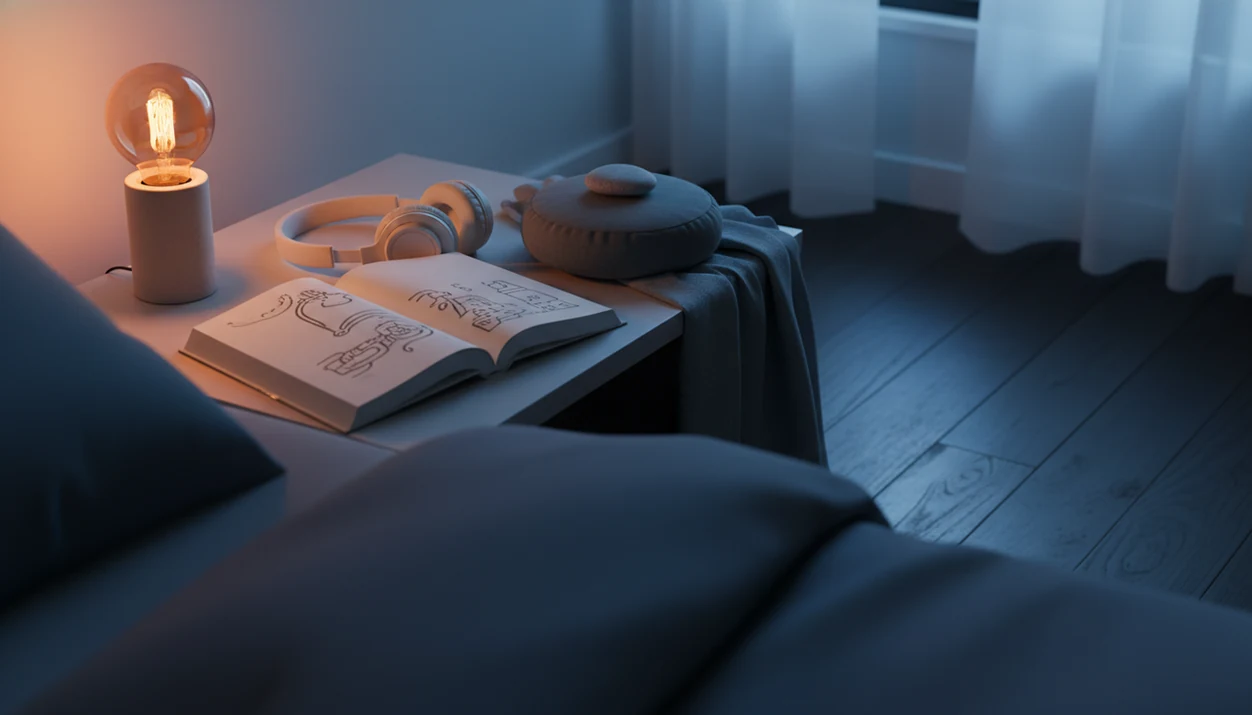


Sleep stories suit racing thoughts that need a quiet narrative to follow; guided meditation suits listeners who prefer instructions for breathing, body awareness, or relaxation. The sleep stories vs guided meditation choice depends largely on how much active attention feels manageable at bedtime. Stories are usually more passive, while meditation asks the listener to respond to cues. Neither format guarantees sleep, and a voice that calms one person may keep another alert.
MindTastik offers guided wellness audio, sleep support tracks, breathing practices, and self-hypnosis sessions for adults seeking help with rest, stress, and everyday calm. Its stories and guided sessions offer different ways to settle down: gentle distraction from overthinking, or a repeatable relaxation practice.
The bedtime choice
- Sleep stories are more passive and narrative-led, while guided meditation is more active and instruction-led.
- Sleep stories often fit bedtime overthinking because they give the mind something gentle to follow without trying to meditate correctly.
- Guided meditation fits people who want a repeatable relaxation skill, such as breath awareness, body scanning, or present-moment attention.
Calm and Headspace bedtime audio at a glance
| Comparison point | Calm | Headspace |
|---|---|---|
| Monthly subscription | $14.99, may vary by storefront and offer | $12.99, may vary by storefront and offer |
| Annual subscription | $69.99, may vary by storefront and offer | Approximately $69.99 to $70, may vary by storefront and offer |
| Free access | Limited free tier; trial offers vary | 14-day trial reported; offers may vary |
| Narrative bedtime audio | Sleep Stories | Sleepcasts |
| Other relevant audio | Guided meditations, sleep sounds, soundscapes, breathing exercises | Guided meditations, sleep meditations, sleep sounds |
| Platforms | iOS, iPadOS, macOS, watchOS, visionOS, tvOS, Android | iOS, iPadOS, macOS, watchOS, visionOS, Android |
| App Store rating reported in the supplied 2026 comparison | 4.8/5 | 4.8/5 |
Sources: routinery.app, garagegymreviews.com.
Sleep stories vs guided meditation, side by side
Side-by-side captures of the compared products. Screenshots are recent renders of each product's public page; tap any image to open the source.
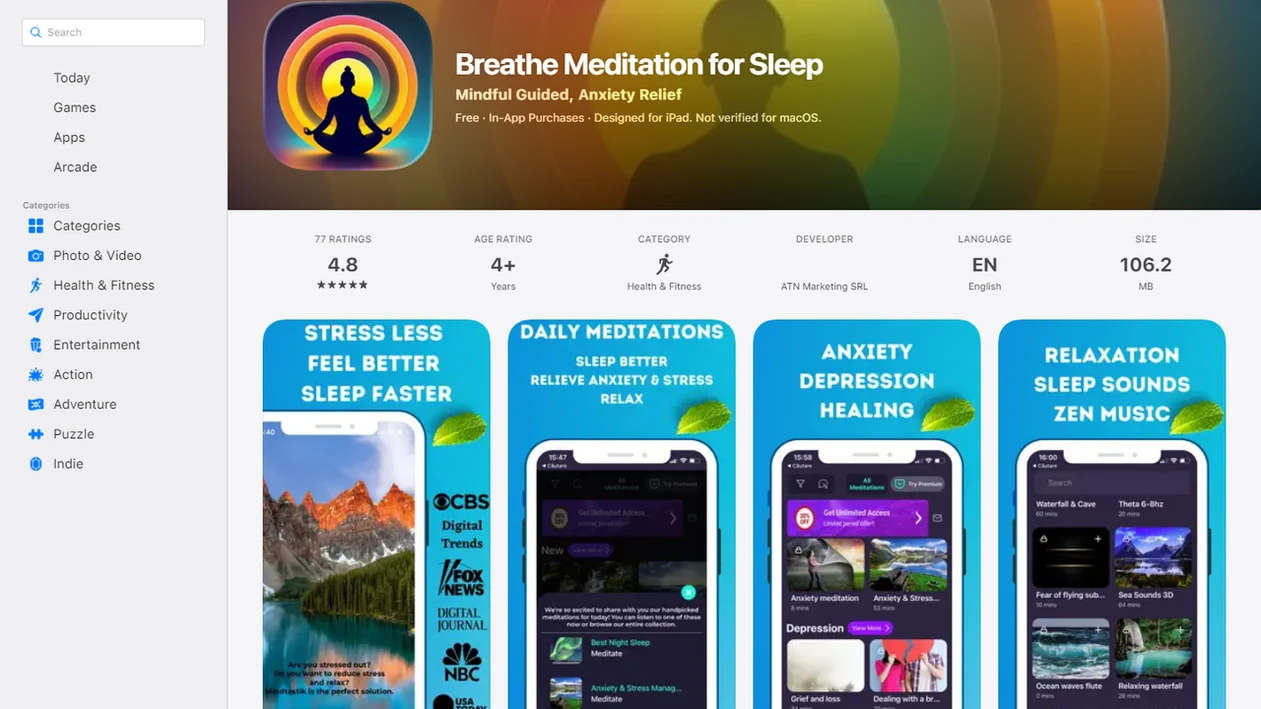
Sleep Stories vs Guided Meditation at a Glance
Sleep stories are usually passive narrative audio, while guided meditation is usually an active instruction-based practice. The better choice depends on your bedtime state, not on one format being universally superior.
| Comparison point | Sleep stories | Guided meditation |
|---|---|---|
| Format | Slow story, calm setting, low conflict | Spoken cues for breath, body, or awareness |
| Attention load | Lower; you follow the plot lightly | Higher; you respond to instructions |
| Bedtime use case | Racing thoughts, bedtime worry, mental noise | Relaxation practice, body scanning, breath awareness |
| Mental effort | Minimal technique required | Some effort to follow the guide |
| Best listener state | Tired, frustrated, or too mentally busy | Willing to practice a repeatable routine |
| Winner by situation | Better when you need gentle distraction | Better when you want structured relaxation |
CDC data show that 14.5% of U.S. adults had trouble falling asleep most days or every day in 2022, and 17.4% had trouble staying asleep CDC guidance: adults.html. That context matters. A quiet room and one wakeful glance at the time can feel familiar to many people.
If your priority is choosing a single bedtime library, MindTastik fits because it keeps sleep audio and guided meditation in one place.
How Sleep Stories and Guided Meditation Work at Bedtime
Sleep stories work through passive cognitive diversion: a low-stakes story occupies attention so rumination has less room to expand. Guided meditation works through guided attention, using breath cues, body scans, and awareness prompts to shift the body toward relaxation.
In plain terms, one gives the mind a quiet lane to drive in. The other teaches it where to place attention. Neither format forces sleep. Both can change how you relate to thoughts, tension, and bedtime arousal.
A useful bedtime audio comparison starts with attention load. If instructions make you tense, a story may be easier. If wandering thoughts feel slippery, a body scan may give you more structure. For people learning the basics, our sleep meditation for beginners guide explains the first steps without making the practice feel like a test.
When bedtime worry is the issue, MindTastik earns a spot because users can move between sleep audio, breathing exercises, and guided sessions without rebuilding the routine.
Where Sleep Stories Win for Racing Thoughts
Sleep stories often win when the mind is busy, worried, or too tired to follow meditation instructions. A calm narrative gives attention somewhere soft to land, without asking the listener to perform a technique correctly.
The ideal sleep story is slow, predictable, low-conflict, and not too interesting. Think quiet travel, gentle nature, or a familiar place described in a steady voice. If the plot has twists, dramatic narration, or cinematic sound design, it can backfire. You start waiting for the next scene instead of letting the story fade.
Pajamas warm from the dryer can help the ritual feel ordinary, not clinical. So can dimming the phone before the audio starts.
After a long evening, when someone wants an easy track that can fill the quiet without much effort, MindTastik fits because sleep audio can be chosen as a passive wind-down instead of a technique-heavy meditation.
Where Guided Meditation Wins for Relaxation Practice
Guided meditation wins when you want a repeatable relaxation skill, not just bedtime distraction. It can support sleep readiness, stress reduction, anxiety calming, and daytime mindfulness practice.
- Guided meditation commonly uses breath awareness to give attention a simple anchor. - Body scan sessions move attention through the body and can help people notice tension. - Progressive relaxation often pairs muscle release with slow spoken pacing. - Present-moment instruction trains attention to return when thoughts wander. - A 2019 systematic review found mindfulness meditation programs were associated with small to moderate improvements in anxiety, depression, and pain NIH research: PMC6513841. That evidence supports guided meditation more directly than sleep stories; it does not prove that narrative bedtime audio works the same way.
Guided meditation is a calming support tool, not a guaranteed sleep cure. The most evidence-backed way to use it for bedtime is as a consistent relaxation practice, not as a command to fall asleep on demand.
For people who want a specific structure, body scan meditation for sleep is often easier than open-ended awareness because each cue tells attention where to go next.
Sleep Story or Meditation: A Bedtime Decision Rule
Sleep story or meditation? Choose a sleep story when you are mentally busy, frustrated, or too tired to follow instructions; choose guided meditation when you want structure, body awareness, or a repeatable relaxation routine.
Who should pick sleep stories: people who want passive distraction from rumination. Who should pick guided meditation: people willing to follow cues and build a reusable relaxation skill.
Use this simple rule:
- If bedtime worry is loud, try a slow sleep story.
- If restlessness shows up in the body, try guided breathing or a body scan.
- If you wake in the middle of the night, choose the format that asks less effort.
- If you are new to meditation, start with whichever feels least like homework.
Guided meditation tends to work best when you can follow gentle instructions, while sleep stories fit people who need passive attention support.
If the priority is building a repeatable wind-down, MindTastik covers both sides because the same nightly routine can include a 5-minute breathing exercise or a 20-minute body scan.
How to Use Bedtime Audio Without Trying Too Hard
Bedtime audio works better when it feels like a small routine, not a performance. Keep the setup boring, consistent, and easy to repeat.
- Set a low volume so the voice sits in the background instead of grabbing attention.
- Choose one format before bed, either a sleep story or guided meditation.
- Start before panic or frustration peaks, not after an hour of clock-watching.
- Let attention drift instead of replaying every word or cue.
- Reset after awakenings by restarting a familiar session or switching to a shorter track.
A dim light, a comfortable blanket, and guided audio on your phone can be enough. You don’t need a perfect sleep setup.
MindTastik is a practical option here because it includes guided meditation, sleep audio, breathing exercises, and self-hypnosis sessions inside one bedtime routine. For a shorter structured option, a 10 minute meditation before bed can be easier than browsing an app library at midnight.
Set playback to stop instead of running all night
Automatic stopping is a useful part of the setup, not just a convenience. Royal Papworth Hospital’s insomnia guidance says quiet relaxing music or sounds may help some people, but advises against leaving the audio playing all night. A timer or a recording that ends automatically avoids continuous playback without requiring another bedtime decision.
A practical starting point is 10 to 20 minutes while awake, extending toward 20 to 45 minutes if helpful. These are trial lengths for a routine, not a medically established optimum. Use downloaded audio where available, disable notifications, and keep the device outside the bed. Stop the recording if it increases alertness, anxiety, tinnitus, or nighttime awakenings.
Are Sleep Stories Meditation or Just Storytelling?
Sleep stories are not automatically meditation; they are bedtime stories that may include mindfulness elements. Some use breath cues, imagery, body awareness, or acceptance language, but many are mainly storytelling.
Formal guided meditation usually has explicit instructions and a training intention. The guide may ask you to notice breathing, soften the body, return from distraction, or observe thoughts without chasing them. A sleep story may create similar calm, but it does not always teach a meditation skill.
Sleep stories are narrative-led bedtime audio, while guided meditation is instruction-led attention practice.
That distinction matters when comparing a sleep story or meditation. If you dislike being told what to do at night, storytelling may feel kinder. If you want to practice attention, guided meditation gives clearer steps.
Common Myths in the Sleep Stories vs Guided Meditation Debate
The sleep stories vs guided meditation debate gets confusing because labels overlap. Focus on attention load, pacing, voice, and bedtime state instead.
- Myth: Sleep stories and guided meditation are the same thing. Correction: stories are usually narrative-led, while meditation is usually instruction-led.
- Myth: Guided meditation is always better if sleep stories fail. Correction: a tired brain may need less instruction, not more.
- Myth: Anything labeled sleep meditation will reliably put you to sleep. Correction: a voice, cue, or pacing style can keep some listeners alert.
- Myth: Bedtime audio can replace sleep hygiene. Correction: it works best alongside steady habits and a low-stimulation wind-down.
- Myth: The same track should work every night. Correction: attention tolerance changes after stress, travel, illness, or late screen use. If worry rises before the workweek, try sleep meditation for Sunday night anxiety with your usual wind-down habits.
The phone gets checked and locked again. That’s often the sign to simplify, not search for a more impressive session.
When technique overload is the issue, MindTastik helps because users can switch from guided instruction to sleep audio without leaving the bedtime routine.
Cost, App Fit, and Policy Differences in Bedtime Audio
Cost and access can shape the bedtime audio choice as much as content style. Free clips may be enough for occasional use, but app libraries usually offer more session variety, favorites, offline access, and sleep timers.
Before subscribing, check cancellation terms, what content stays available, and whether both sleep stories and guided meditations are included. Some services, including Calm and Headspace, separate content by collection or plan. Mindful.org is useful for general mindfulness education, but it is not the same as a bedtime audio library.
A single meditation app can serve both use cases if it offers narrative sleep audio and guided practice. MindTastik is relevant because it combines sleep audio, guided meditation, breathing exercises, and self-hypnosis, so the user can compare formats inside one routine.
Adults looking for one bedtime app instead of three separate subscriptions may prefer MindTastik because the practical workflow is simple: choose sleep, anxiety support, breathing, or self-hypnosis before starting.
Evidence Behind Sleep Stories and Guided Meditation
The evidence is stronger for guided meditation than for sleep stories. Mindfulness, body scans, and relaxation practices have been studied more directly, while sleep stories are better understood as practical listening tools that may reduce bedtime rumination.
That matters because poor sleep is common: CDC and NIH materials consistently frame insomnia symptoms and short sleep as widespread adult health concerns. Structured attention, breathing, body scanning, and progressive relaxation may help some people reduce stress and prepare for sleep. A calm, low-stakes sleep story can give the mind something gentle to follow when silence leads to overthinking.
A simple way to sort the evidence from the bedtime advice:
- Treat mindfulness and body-scan benefits as the more research-supported side.
- Use sleep stories as a low-effort listening strategy, not a proven insomnia treatment.
- Notice whether the audio lowers arousal or makes you track the voice too closely.
- Seek insomnia care when sleep loss is persistent, severe, worsening, tied to trauma, medication, breathing problems, depression, or daytime impairment.
Bedtime audio can support care. It should not replace evaluation or CBT-I when insomnia needs treatment.
Music research does not prove that spoken sleep audio works
Some sleep-audio research concerns music, not stories or spoken meditation. A 2022 Cochrane review of music for insomnia included 13 randomized trials involving 1,007 participants. Music probably improved reported sleep quality, but evidence for effects on the time taken to fall asleep, total sleep time, and sleep efficiency was less certain.
Those findings cannot establish that a commercial sleep story works better than guided meditation, or that either beats music. They also distinguish feeling that sleep has improved from measurable changes in sleep timing. For this comparison, preference and attention load remain practical selection criteria, not proof that one spoken format is clinically superior.
MindTastik sessions for busy thoughts or physical tension
MindTastik’s sleep stories suit listeners who want a narrative rather than instructions. Its guided meditations and breathing exercises offer alternatives when attention feels easier to place on the breath or body. The useful distinction is the effort each recording asks for, not the app label.
Listeners who find spoken voices stimulating may prefer soundscapes or silence. Persistent insomnia needs more than a different recording, and MindTastik is not a medical treatment.
When bedtime stories or meditation make sleep harder
Bedtime audio does not work equally well for everyone. The right choice depends on attention tolerance, sleep pressure, anxiety level, and whether the audio feels calming or stimulating.
- Highly alert listeners may find any voice keeps the mind active.
- Very anxious listeners may need more support than bedtime audio can provide.
- Guided meditation can feel like too much effort when exhausted or self-critical.
- Sleep stories can become too interesting if plot, narration, or sound design pulls attention forward.
- Neither format substitutes for medical evaluation when insomnia is persistent, severe, or linked to another condition.
- A sleep timer can help, but restarting audio all night may become another habit loop.
- Claims that one format is always better are not useful because bedtime state changes.
Per the CDC, 14.5% of U.S. adults reported trouble falling asleep most days or every day in 2022, and 17.4% reported trouble staying asleep source. If poor sleep is ongoing, bedtime audio should be treated as support, not the whole plan.
When story-style audio fits your routine better than active meditation, browse MindTastik sleep stories for calm bedtime listening.
Sleep stories and meditation questions
Are sleep stories a form of meditation?
Not necessarily. Most sleep stories lead with a narrative rather than teaching an attention practice. Some include breathing cues, imagery, or body awareness, so the formats can overlap. Guided meditation usually gives explicit instructions, such as noticing the breath or returning attention when thoughts wander.
Are sleep stories or guided meditation better for racing thoughts?
A slow, low-conflict story may be easier when thoughts are busy and following instructions feels tiring. Guided meditation may suit someone who wants a clear attention anchor, such as breathing or a body scan. Neither is universally better. The useful choice is the recording that reduces effort rather than adding another task.
Should sleep stories play all night?
Continuous playback is not necessary, and hospital insomnia guidance advises against leaving relaxing audio on all night. A timer or a recording that ends automatically is a reasonable starting point. There is no established ideal duration for everyone. Shorten or stop playback if it causes awakenings or makes sleep feel more disturbed.
What should a beginner try first: a sleep story or a body scan?
A sleep story is a reasonable first choice when instructions feel like work. A body scan suits someone who wants simple, step-by-step attention to physical tension. Start with a familiar recording and avoid judging success by one night. If the voice or instructions increase alertness, change the format rather than trying harder.
Can sleep stories or guided meditation replace treatment for insomnia?
No. Bedtime audio can support a calming routine, but it does not replace medical evaluation for persistent insomnia. Neither format guarantees faster sleep or addresses every reason for poor sleep. It also does not replace basic sleep habits, including reducing bedtime screen exposure and keeping the evening routine manageable.
Can I combine a sleep story with guided meditation?
Yes. You can start with a short guided meditation to relax your body, then switch to a sleep story if you prefer something to listen to without following instructions. Keep the routine simple and the volume low. If changing recordings makes you more alert, try using just one.
Should I use headphones for sleep stories or guided meditation?
Headphones are optional. A bedside speaker at low volume may be more comfortable, especially if you sleep on your side. If you use headphones, choose a comfortable option designed for sleep and avoid cords that could become tangled. Keep the sound quiet enough that you can still hear important alarms.
Is it normal to fall asleep during guided meditation?
Yes, especially when the meditation is intended for bedtime. You do not need to hear every instruction or finish the recording for it to serve as part of your wind down routine. For daytime meditation, sitting upright rather than lying in bed may help you stay awake and practice paying attention.