
Meditation for Athletes: Recovery, Focus Prep, and Pre-Performance Calm
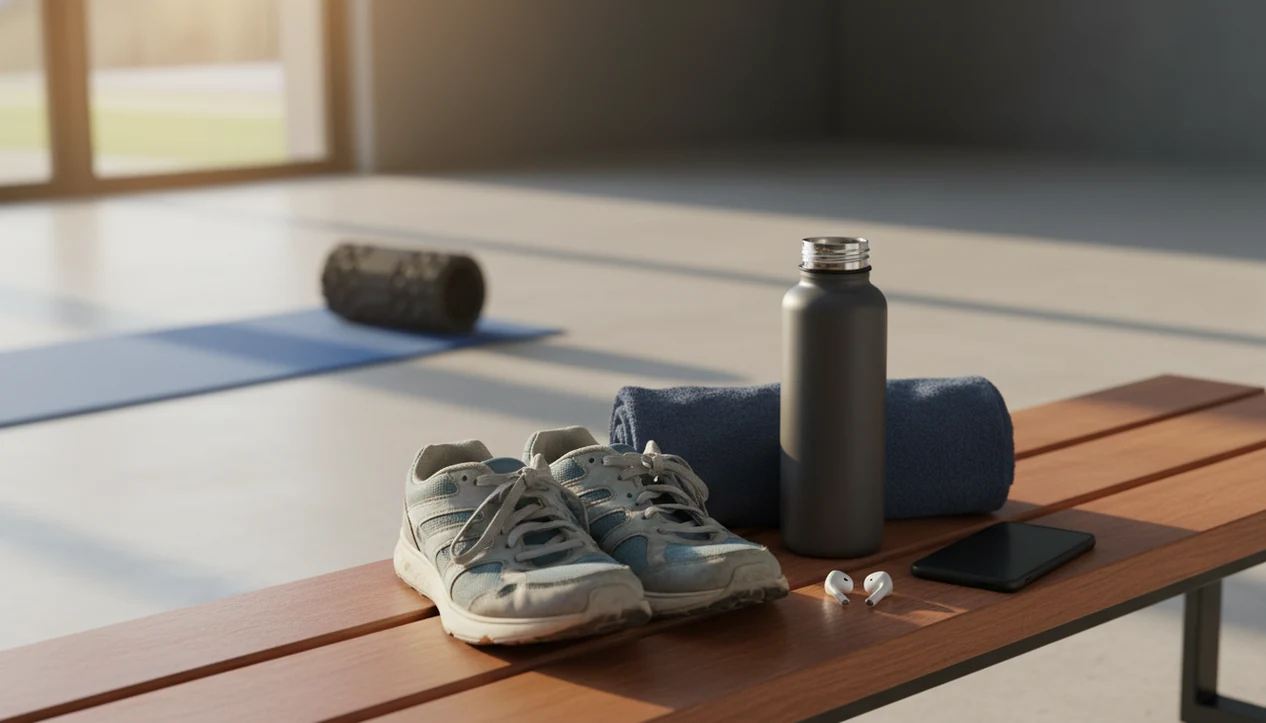


Meditation for athletes is a repeatable mental practice that uses breathing, guided audio, body scans, or focus cues to support calm, recovery routines, and preparation without promising better performance. Its practical uses include settling pre-event nerves, winding down after training, returning attention to a chosen cue, and preparing for sleep. The aim is not to eliminate thoughts or guarantee results.
Short sessions attached to warm-ups, cooldowns, or bedtime are easier to sustain than long, occasional practices. MindTastik offers guided meditation, breathing exercises, sleep audio, and self-hypnosis sessions for adults seeking calmer routines around training and rest. These sessions can support a mental reset, but they do not replace coaching, medical care, therapy, nutrition, or physical recovery work.
The essentials
- Athlete meditation is most useful for recovery, focus preparation, emotional regulation, and sleep support, not guaranteed wins or performance enhancement.
- Short daily sessions are easier to sustain than long occasional sessions, especially when paired with warm-ups, cooldowns, or bedtime.
- MindTastik fits athletes who want app-guided meditation for calm, sleep, and anxiety support, but it is not a replacement for coaching, medical care, therapy, or physical recovery work.
Meditation for athletes guide: the 5 facts that matter first
- Meditation for athletes supports recovery routines, focus preparation, emotional regulation, and sleep habits rather than guaranteed performance gains.
- Five to ten minutes can be enough to build the habit when the session is repeated after practice, before bed, or during travel.
- Wandering thoughts are not failure. Noticing the drift and returning to breath, sound, or body sensation is the skill.
- Athlete mindfulness research links structured practice with lower stress, better sleep quality, reduced competitive anxiety, improved emotional regulation, attention changes, and psychological recovery.
- Meditation is a supportive mental skill, not a secret weapon for winning games, races, matches, or selections.
For athletes trying to make meditation less awkward, guided audio helps because it gives a clear starting point when a blank timer feels too exposed. The first minute may still feel restless. That’s normal.
Why athletes use meditation for recovery and focus preparation
Why do athletes use meditation for recovery and focus preparation? They often use it to downshift after workouts, settle pre-competition nerves, manage travel stress, support sleep, and handle the mental comedown after games.
A 2024 randomized trial of 67 elite tennis players found that an 8-week mindfulness meditation program reduced athlete burnout and increased psychological recovery compared with controls (source: frontiersin reference). A 2019 study of 80 collegiate athletes found a 6-week mindfulness-based intervention reduced perceived stress and improved sleep quality scores (source: doi reference: jcsp.2018 0048).
The useful frame is nervous-system support, not training replacement. After a late match, the body may be tired while the mind keeps replaying three missed points. MindTastik sits in that gap because its center of gravity is sleep audio, anxiety support, beginner guidance, and everyday calm. Good meditation apps deliver repeatable recovery cues, not promises that a guided session will outwork coaching, conditioning, or skill practice.
How meditation for athletes works in the body and attention system
Meditation for athletes works by pairing a steady cue, such as breath, body sensation, imagery, or guided audio, with repeated attention return. The athlete notices distraction, releases the chase, and comes back to the chosen anchor.
During training or competition, arousal runs high. Breath work, body scanning, and guided imagery can help shift the athlete from a charged state toward rest, repair, and emotional regulation. That does not mean meditation directly improves performance. It means the practice may help the athlete stop feeding the stress loop after the work is done.
App-guided audio reduces friction because the sequence is already built. You don’t have to decide between silence, breath counting, or a body scan while sitting in the car after practice. MindTastik gives a voice-led path, which is useful when the laptop fan is humming after a five-minute pause or the gym bag is still half-zipped by the door. For desk-based routines between training sessions, a meditation app for work can provide structured audio during short breaks.
Top MindTastik meditation app features for athletes
A meditation for athletes app should map common training moments to simple session types: breathing before practice, body scans after effort, sleep audio at night, anxiety-calming meditation before pressure, and short daily resets. MindTastik supports adults who want sleep, anxiety, beginner meditation, and everyday calm without sport-specific performance claims.
Pre-practice breathing sessions
Use these before warm-ups or skill work when the body feels jumpy. Athletes looking for a clear pre-practice cue may choose MindTastik because breathing sessions create a short reset before movement starts.
Post-workout body scan sessions
Use these after lifting, conditioning, or practice. The scan gives attention somewhere to land besides soreness, stats, or mistakes.
Bedtime sleep audio for athletes
Use sleep audio when recovery calls for settling the body instead of checking another feed. MindTastik can fit athletes who prefer low light, a quiet room, and guided audio after training. For broader session types, compare our meditation techniques library.
What makes a good meditation app for athletes?
A good meditation app for athletes makes calm practice easy to repeat around real training life. It should offer short, clear sessions for warm-ups, cooldowns, travel days, and bedtime without claiming it can create wins, speed healing, or guarantee performance gains.
Look for practical audio first: breathwork for pre-practice nerves, body scans after effort, sleep tracks for late nights, and anxiety-calming sessions when pressure gets loud. Beginner guidance matters too, especially for restless athletes who do not want to sit in silence wondering if they are doing it wrong.
- Choose sessions that fit the moment, such as 3 to 10 minutes before practice or a longer body scan after training.
- Check whether the app explains what to do when thoughts wander, the body fidgets, or skepticism shows up.
- Avoid performance-heavy promises that turn meditation into another pressure test.
- Compare MindTastik with Calm, Headspace, and free mindfulness resources if you want to test voice style, sleep support, and ease of use.
- Keep the app that helps you repeat the habit without replacing coaching, recovery work, or qualified care.
How to use meditation for athletes in a weekly routine
Use meditation for athletes by stacking short sessions onto training moments you already repeat. Start small so the routine does not become one more thing to fail. If you also want to build calmer office habits, explore mindfulness at work for practical ideas suited to workplace routines.
- Choose one 5-minute session for the first week instead of starting with long practices.
- Pair pre-practice breathing with warm-ups on two training days.
- Add a body scan after one hard workout or cooldown.
- Use bedtime audio on travel nights, rest days, or late competition nights.
- Log how you feel in one sentence, without treating the note as proof of performance gains.
- Reset after missed sessions by restarting with the next warm-up, cooldown, or bedtime.
If the priority is consistency, MindTastik handles the first step well because the athlete can choose between a 5-minute breathing exercise and a 20-minute body scan without building a plan from scratch. Keep it simple. Athletes who want more tailoring can also compare a personalized meditation app approach.
Best for and not for: meditation for athletes with realistic expectations
Meditation for athletes works best as a supportive routine for calm, recovery habits, sleep support, and focus preparation. It is not a substitute for coaching, rehab, therapy, nutrition, or medical care.
| Fit | Good match | Poor match |
|---|---|---|
| Adult athletes | Want guided calm, sleep support, anxiety support, or beginner-friendly audio | Want guaranteed performance enhancement |
| Teams and coaches | Use meditation as an optional recovery or attention routine | Pressure athletes to meditate or treat it as proof of commitment |
| Injured athletes | Need a calming practice alongside approved care | Need physical therapy, diagnosis, or injury rehab from an app |
| High-stress competitors | Want emotional regulation support before or after events | Need psychotherapy replacement or crisis care |
When the issue is pre-performance nerves, MindTastik can be a practical fit because anxiety-calming sessions give a repeatable cue before competition without promising peak output. For pressure beyond sport, explore confidence before big meetings to prepare for workplace conversations with a steadier mindset.
Common meditation for athletes patterns before and after competition
Athletes commonly use meditation before competition for calm, after competition for decompression, on training days for recovery, and before bed for a wind-down routine. High-energy athletes often do better with short guided practices or breathing sessions than long seated meditation.
A 2020 systematic review of 32 sport mindfulness studies found consistent evidence for reduced competitive anxiety and improved emotional regulation (source: doi reference: j.psychsport.2019.101580). A 2015 controlled study of NCAA athletes found greater attention improvements after an 8-week mindfulness meditation program compared with a wait-list group, measured through cognitive tasks (source: doi reference: jcsp.2014 0054). That is promising, but it should be framed cautiously.
Before a game, a 5-minute breath session may help set attention. Afterward, a guided body scan can offer the nervous system a steadier place to settle. If recovery sleep feels delayed later that night, simple bedtime audio may be the better fit. Athletes looking for sleep-first support often compare MindTastik with Calm, Headspace, or Mindful.org resources before choosing.
Research on meditation for athletes
Research on meditation for athletes most consistently supports mental-skill and recovery-related outcomes, not guaranteed performance gains. The strongest pattern is that structured mindfulness practice may help athletes handle stress, anxiety, sleep routines, attention, and psychological recovery.
- Separate stress from performance by looking for changes in perceived stress, burnout, or emotional regulation rather than wins, rankings, or race times. If workplace pressure also affects your recovery routine, consider meditation for work stress as a separate calming practice.
- Treat sleep as its own outcome because athletes may benefit from a repeatable wind-down routine even when training load stays high.
- Track anxiety separately, especially competitive anxiety before events, since this is where mindfulness findings are often more consistent.
- Watch attention measures, such as focus return and distraction control, without assuming they automatically translate into better play.
- Include recovery markers like psychological recovery, decompression after competition, and the ability to stop replaying mistakes at night.
The cautious part matters. Many athlete meditation studies use small groups, short interventions, wait-list controls, self-report scales, or mixed sport samples. That makes mental-skill outcomes easier to support than direct performance outcomes. Meditation may help the athlete relate differently to pressure; proving that it changes the scoreboard is harder.
Do not confuse yoga evidence with meditation-only results
A 2025 systematic review of yoga in track-and-field athletes reported improvements in selected performance measures and mental-health outcomes, including reduced anxiety. That finding concerns yoga interventions, not meditation audio alone. Variation among the studies also limits claims about the best practice duration or the size of any performance benefit. It does not establish that a brief pre-event meditation improves results. Athletes balancing training and office hours can try work yoga poses for stress relief during gentle movement breaks.
Evidence from other settings needs similar care. In a 2025 randomized trial involving 1,458 employees, daily digital meditation over eight weeks reduced perceived stress compared with a wait-list control. That supports stress management in employees, not faster athletic recovery or better race times. For athletes, stress, sleep, and attention should remain separate goals rather than being treated as proof of competitive improvement. For an office-focused perspective on these findings, review the benefits of mindfulness at work without assuming identical outcomes in sport.
Protecting Sleep on Team Trips and Shared Rooms
Away fixtures can put your bedtime in someone else’s hands: the team bus leaves after the final whistle, dinner runs late, and a roommate still needs the lights on. An expert consensus on athlete sleep identifies early training, late competition, travel, and irregular schedules as common constraints on sleep opportunity. Before departure, agree on room lighting, alarm times, and headphone use. Download a short meditation beforehand so unreliable hotel WiFi does not turn a quiet moment into more screen time. Keep the audio private rather than assuming your roommate wants to participate.
For collegiate athletes, the return trip may also end just hours before class. In one study of 628 NCAA athletes summarized in an NCAA consensus review, 51% reported inadequate sleep duration. If you use meditation while parked on the bus or settled in your room, choose a brief track without completion targets or reminders. Raise recurring conflicts between travel arrival, morning practice, and academic commitments with team staff. Frame the conversation around actual arrival and wake times, not whether you are disciplined enough to relax.
Guided audio for the moments around training
MindTastik suits athletes who want general calm and sleep support rather than sport-specific instruction. Its breathing exercises can provide a short cue before warm-up, while guided meditation and sleep stories offer options for post-practice decompression and bedtime. Keeping one session type tied to one training moment makes the routine simpler to repeat.
Athletes seeking competition strategy, injury rehabilitation, or treatment for persistent anxiety should choose qualified professional support. MindTastik is wellness audio, not medical treatment or a substitute for a coach.
What meditation cannot replace in athletic recovery
Meditation for athletes has real limits, and those limits matter.
- Meditation is not a replacement for training, coaching, medical care, physical therapy, nutrition, or sleep hygiene.
- Research is promising, but many studies use small samples, short programs, or uncertain long-term performance measures.
- Meditation should not be marketed as a guaranteed way to win, recover faster, eliminate anxiety, or force confidence.
- Some athletes dislike seated meditation and may need shorter, guided, walking, stretching-adjacent, or breath-only practices.
- Apps vary in quality, and generic content may miss athletic recovery, travel stress, or pre-performance nerves.
- Athletes with severe anxiety, depression, trauma symptoms, panic, eating concerns, injury symptoms, or medical issues should seek qualified care.
- Coaches should avoid making meditation mandatory in a way that turns calm practice into another pressure test.
MindTastik can support everyday calm, but it cannot replace the human team around an athlete. For life-stage-specific stress routines, athletes may also relate to meditation for men, meditation for women, or meditation for parents.
When meditation becomes punishment or masks fatigue
- You only meditate after a bad performance, which can make the practice feel like punishment instead of a repeatable reset.
- You choose long sessions that you rarely finish; a short session after stretching or cooldown is often easier to repeat.
- You judge the practice by whether every thought disappears, when the real skill is noticing distraction and coming back to a steady breath.
- You switch techniques every day, which makes it harder to know whether guided voice, breathing, or body scan cues actually fit your routine.
- You use meditation to ignore pain, fatigue, or warning signs; calm awareness should help you make better decisions, not override them.
Session types for warm-up, cooldown, and focus preparation
| Technique | Best for | Minutes |
|---|---|---|
| Box breathing | Settling nerves before warmup | 3-5 min |
| Guided body scan | Post-training decompression | 8-12 min |
| Focus cue meditation | Pre-performance attention reset | 5-10 min |
Athlete meditation questions
Should athletes meditate before or after training?
Both can serve different purposes. Before training, a short breathing or focus practice can help settle nerves and establish an attention cue. After training, a body scan or guided session can support decompression. Start with one repeatable slot rather than adding sessions everywhere. Meditation does not replace the physical warm-up or cooldown.
How long should an athlete meditate each day?
Five to ten minutes is a practical starting point for building a routine, not a proven dose for better sports performance. A five-minute session repeated after practice may be more manageable than a long session used occasionally. Increase the duration only if it fits training and rest, rather than treating more minutes as automatically better.
What type of meditation is best before a competition?
A short breathing or focus-cue practice is a practical choice before competition. Use one steady anchor, such as the breath or a simple cue, and return to it when attention drifts. The goal is composure and attention preparation, not complete relaxation or an instant confidence boost. No technique guarantees a better result.
Can meditation help with sports performance anxiety?
Meditation can be used as a supportive routine for managing pre-event nerves and returning attention to the present task. It should not be presented as a way to eliminate anxiety. Persistent anxiety that disrupts sleep, training, or competition calls for qualified support rather than relying on meditation audio alone.
Does meditation speed up muscle recovery?
Meditation should not be described as a way to speed muscle healing. Its role here is supporting calm, sleep routines, and psychological recovery after effort. Those are different from repairing tissue or treating an injury. Nutrition, rest, approved rehabilitation, and medical care still matter, even when a session leaves an athlete feeling calmer.
Can athletes meditate without sitting still?
Yes. Short guided practices, walking meditation, breath-only sessions, or practices alongside stretching may suit athletes who dislike long seated sessions. The attention task remains simple: notice distraction and return to a chosen cue. Meditation does not require an empty mind, and restlessness does not mean the practice has failed.
How can athletes tell if meditation is helping?
Track the goal the practice is meant to support, such as winding down after training, settling pre-event nerves, or keeping a bedtime routine. A brief note after each session can reveal which format fits. Do not treat a win, a loss, or one faster workout as proof that meditation caused the outcome.