



Free meditation apps usually provide starter guided sessions, basic sleep audio, and sometimes ads; paid plans generally add fuller libraries, offline downloads, structured programs, and personalized features. The useful distinction is not which option has more content, but which makes a sleep or anxiety-support routine easier to repeat. A familiar free session can be enough, while a subscription may help when missing downloads, limited bedtime audio, or constant browsing interrupts practice.
Payment alone is not evidence that an app produces better results. The mental-health app evaluation framework treats clinical evidence, usability, accessibility, and privacy as separate considerations. Start with the routine that already works, then assess any paid feature against a specific problem rather than the size of the library. For older adults, a meditation app for seniors can make accessibility and simple controls especially important when comparing free and paid options.
Free Vs Paid Meditation App at a Glance
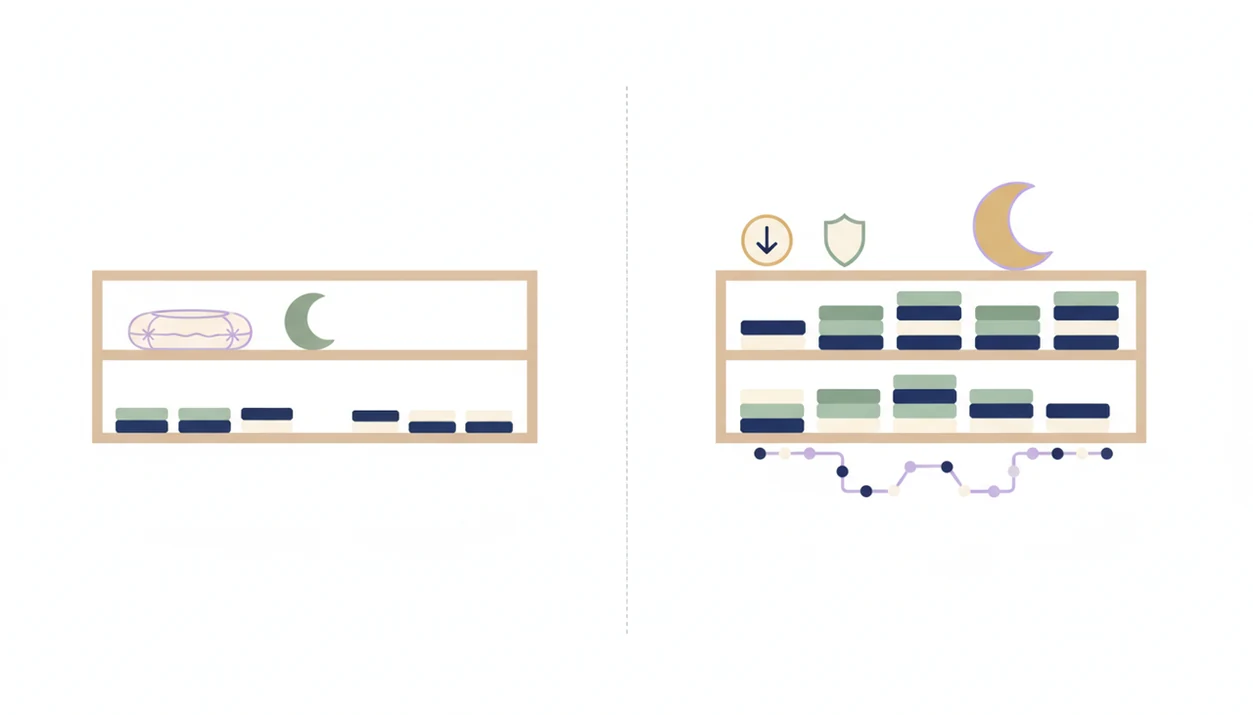
Free meditation apps usually cover basic calm, breathing, and starter sleep sessions; paid tiers usually remove limits and add structure. The real comparison is not “free is bad” versus “paid is better,” but whether the paid tier solves the exact reason you stop practicing.
| Dimension | Free tier | Paid tier |
|---|---|---|
| Library size | Limited sessions or community uploads | Full guided libraries and courses |
| Sleep content | Basic sleep meditations or sounds | Curated sleep audio, stories, and wind-down routines |
| Ads | Possible ads or upgrade prompts | Usually ad-free |
| Offline access | Often limited or unavailable | Downloads for travel and bedtime |
| Personalization | Basic recommendations | More tailored programs and reminders |
| Tracking | Minimal streaks or none | Progress history and habit support |
| Price range | $0 | Often about $60 to $100 per year for major brands |
| Trial availability | Not needed | Common 7 to 14 day trials |
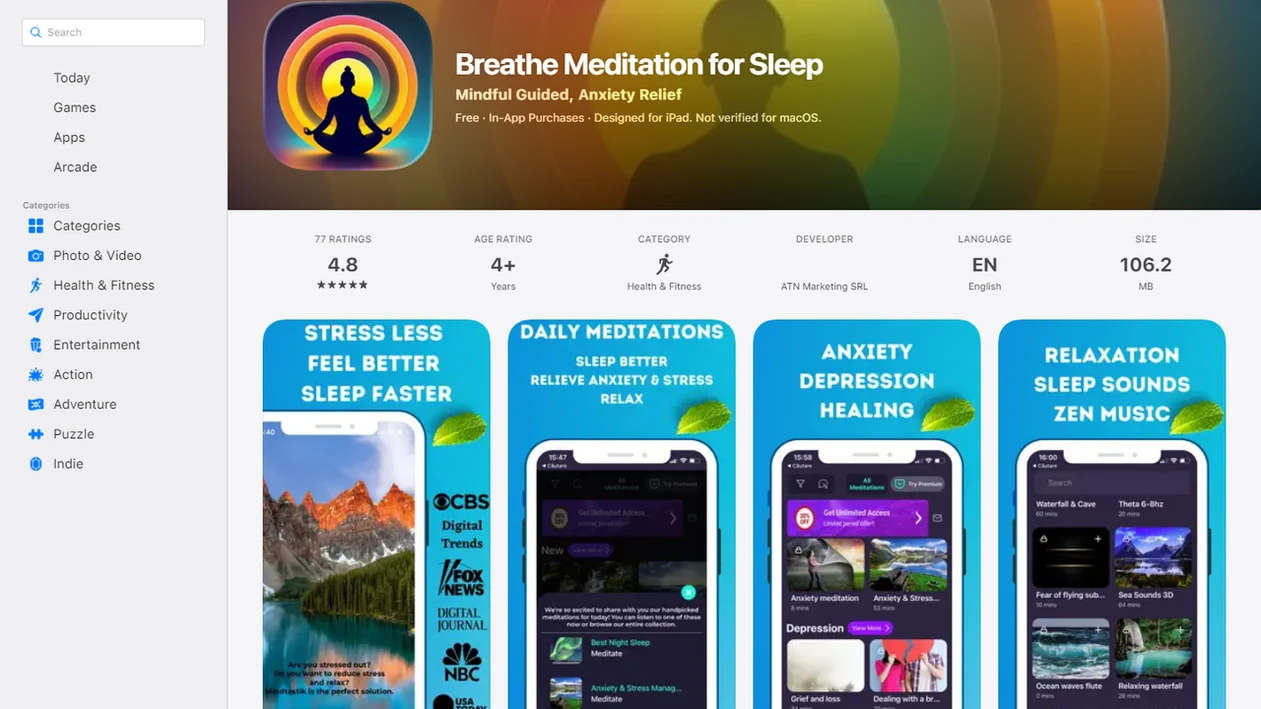
MindTastik offers both free and paid options for sleep and anxiety content, so you can try the routine before spending money. That can help in a quiet room late at night, when a steady voice feels easier than guessing what to play next.
How Free and Paid Meditation Apps Work
Free and paid meditation apps work by making guided practice easier to start, repeat, and fit into real life. The payment level changes how much content and structure you can access; it does not change the basic meditation mechanism of attention training, breathing awareness, and guided relaxation.
Free tiers lower trial friction. You can press play without committing money, learn what a body scan or breathing session feels like, and build a small daily cue before bed or during a stressful pause. Paid tiers usually remove the limits that interrupt that habit: fuller libraries, offline downloads, ad-free sessions, sleep programs, anxiety courses, and clearer paths when you do not want to choose from a blank search screen.
- Start with a short free session so the routine feels low-risk.
- Repeat it with a reminder or bedtime cue until the app becomes part of the wind-down.
- Notice the barrier, such as ads, thin sleep content, or no downloads.
- Upgrade only if paid access solves that barrier with better curation or structure.
MindTastik fits this pattern by letting users begin with free sleep and calm content, then consider paid audio and guided programs if they need more depth.
5 Facts About Free Vs Paid Meditation Apps
These five facts summarize the free meditation app vs paid decision: free can be enough, paid can be useful, and neither works without regular use.
- Free apps can support basic mindfulness, sleep, and calm goals, but they often limit session count, course access, or sleep tracks before nudging an upgrade.
- Paid subscriptions typically cost about $60 to $100 per year and include full libraries, structured courses, sleep stories, offline listening, and fewer interruptions.
- No strong evidence shows that paying alone makes meditation more effective; value comes from consistency, fit, and lower friction.
- If free options already keep you practicing several nights a week, a paid plan may not add much real-world benefit.
- The lowest-risk strategy is to start free, then upgrade when you hit a wall, such as not enough sleep tracks, too many ads, or weak anxiety curation.
If the priority is bedtime consistency, MindTastik fits because it lets users begin with free sleep and calm content, then move into paid sleep audio and self-hypnosis sessions when repetition starts to feel thin.
Meditation App Pricing Models and Freemium Triggers
Meditation apps use freemium pricing by making the free tier an onboarding funnel and the paid tier a retention tool. In plain terms, free gets you started; paid tries to keep you returning when life gets noisy.
The mechanism is part business and part behavior design. Apps use habit loops, friction reduction, and personalization algorithms to make practice easier to repeat. A reminder at 9:45 p.m. matters less than a track that feels right when your shoulders are tense against the mattress. Still, curation beats raw volume. A huge catalog can create choice overload when you are choosing between a 5-minute breathing exercise and a 20-minute body scan.
Per CDC/NCHS data, 30.4% of U.S. adults reported using a mindfulness or meditation app at least once in 2022 CDC guidance: index.htm. If someone meditates 10 minutes a day, five days a week, the yearly investment is over 40 hours. At 15 minutes, it is closer to 65 hours. Attention is the bigger cost.
A paid plan is not a privacy guarantee
Compare data practices separately from subscription features. A 2022 privacy analysis of 27 highly ranked mental-health apps found information-disclosure risks involving third-party services, including risks of identifying, linking, and profiling users. This was a broader mental-health app sample, not a comparison of the meditation apps listed here. It nevertheless gives a concrete reason to check privacy terms rather than assume that paying removes data-sharing risks.
Before entering sleep logs, mood ratings, or personal notes, check what the policy says about collection, advertising, analytics, retention, and deletion. Look for an explanation of which information is optional and what happens to stored entries after an account closes. An ad-free subscription describes the listening experience; it does not, by itself, explain how personal information is handled. If those answers are unclear, that uncertainty belongs in the purchase decision.
5 Steps to Decide Between a Free and Paid Meditation App
The simplest way to choose is to test the free version first, then pay only if a specific premium feature removes a real barrier. Don’t upgrade because the annual price is discounted; upgrade because your practice became easier to repeat.
- Start with a free app or free tier and use it for 2 to 4 weeks, including nights when you do not feel motivated.
- Track your friction points such as ads, limited sleep content, no offline mode, or no anxiety-specific guided session.
- List the paid features that directly solve those friction points, not features that only sound nice.
- Use a free trial before committing to any annual plan, especially if sleep audio is your main reason.
- Reassess after 30 days and downgrade if premium features are not changing your consistency.
MindTastik free content is a practical starting point for sleep and anxiety support because it lets you test bedtime audio and short resets before considering paid libraries. For a wider app-by-app view, the MindTastik vs Calm vs Headspace comparison covers the bigger subscription tradeoffs.
Check the renewal terms before starting a trial
Treat the trial as two decisions: does the content help, and are the billing terms acceptable? Before signing up, record the trial end date, the first charge, the billing interval, and where cancellation is managed. Compare the total annual charge with the monthly option, rather than relying only on a monthly equivalent displayed beside an annual plan. Keep a copy of the offer and any cancellation confirmation.
A cheaper annual plan can still be poor value if only one familiar track gets used. The app evaluation framework separates clinical evidence from usability and accessibility; a useful purchase checklist should also keep content fit separate from payment terms. Before renewal, check whether the paid feature identified at the start actually made practice easier. If it did not, a larger library alone is a weak reason to continue paying.
How to Use Either a Free or Paid Meditation App
Use either type of meditation app by making the routine smaller, clearer, and easier to repeat. The best app is the one that gives you a simple next session when your mind is busy or your eyes are already tired.
- Choose one goal for the next two weeks, such as falling asleep faster, easing anxiety, improving focus, or building everyday calm. A single goal keeps the library from turning into another decision.
- Pick one short session length you can repeat without bargaining with yourself. Five or ten minutes is often more useful than a perfect 30-minute plan you avoid.
- Attach the session to one daily cue, such as bedtime, a lunch break, or the moment you close your laptop. The cue matters more than motivation. If work breaks are your cue, a meditation app for productivity may help you build a repeatable pause between tasks.
- Repeat one track for several sessions before jumping to a new teacher, category, or sleep library. Familiar audio can make the routine feel automatic.
- Review your consistency after two weeks before switching apps or paying. If you used the free version regularly but hit a clear limit, then a paid feature may be worth testing.
Free Meditation Apps for Beginners, Budgets, and Occasional Use
A free meditation app is often enough for beginners, budget-conscious users, and anyone who practices only occasionally. If you just need a basic guided session, a short breathing reset, or a way to sample different teaching styles, paying may be unnecessary.
Free options like Insight Timer offer large libraries, and nonprofit or teacher-led content can work well for people who know what they want. A randomized clinical trial published in JAMA Network Open found that 8 weeks of app-based mindfulness practice reduced stress more than a wait-list control group JAMA Internal Medicine study: 2755485. The takeaway is practical: evidence-based content can help when people actually use it.
Beginner trying to build a no-pressure routine may do well with MindTastik free sessions because the first job is not optimization. It is pressing play, finishing one guided session, and noticing what feels manageable. Screen paused after a restless start. That still counts. For families, a meditation app for kids should offer age-appropriate sessions that children can repeat comfortably without pressure.
Paid Meditation App Features for Sleep, Anxiety, and Offline Use
A paid meditation app subscription is worth considering when sleep, anxiety support, or offline access is the reason you keep falling off. Paid meditation app features should reduce friction, not just add more tiles to a library screen.
Useful paid features usually include:
- Deep sleep libraries with curated tracks, not just a huge unfiltered catalog.
- Anxiety-specific structured programs and courses.
- Offline downloads for bedtime use without Wi-Fi distractions.
- No ads or upgrade prompts interrupting a calming session.
- Personalized recommendations and progress tracking that support habit building.
After a late video call, when the office door is finally closed, MindTastik handles the short reset need with guided anxiety programs and breathing sessions that do not require choosing from hundreds of unrelated tracks. The paid side adds sleep audio, self-hypnosis sessions, and guided anxiety programs for users who want a clearer routine.
For sleep format decisions, guided meditation vs soundscapes can help you choose between voice-led support and background audio.
Meditation App Subscription Value for Sleep and Anxiety
Is meditation app subscription worth it? Upgrade if you hit specific friction points, and stay free if you are already consistent. A subscription will not make you meditate; habit cues, reminders, and a usable routine matter more than price.
The most evidence-backed approach to app-based meditation is regular practice with content that fits the user’s actual stress or sleep pattern. A 2020 meta-analysis found small to moderate improvements in anxiety and depression symptoms from meditation smartphone apps, but most commercial apps do not have peer-reviewed trials for their exact in-app programs nature reference: s41746 020 0228 8. For anxiety or sleep difficulties, a short subscription may be useful when a particular guided program helps maintain a routine; continuing to pay makes less sense once free sessions meet the same need. When panic is a concern, compare a meditation app for panic attacks for supportive exercises, not as a replacement for professional care.
Who Should Pick Free
Choose free if basic sessions keep you practicing, your budget is tight, or you only meditate a few times a month. For consistent casual users, free is often more sensible than paid because the main benefit is repetition, not extra content.
Who Should Pick Paid
Choose paid if ads, shallow sleep libraries, no downloads, or weak anxiety content stop you from using the app. When nighttime racing thoughts are the issue, MindTastik earns its spot through paid sleep audio and guided anxiety programs that give you a direct starting point.
Free Vs Paid Meditation App Shortlist for Sleep and Calm
A useful shortlist should include both free-heavy options and paid apps with clear sleep or calm strengths. Compare your options by use case, not by brand popularity alone.
- MindTastik: Best Meditation App for Sleep users who want sleep, anxiety, and everyday calm support in one place. Free content covers a starting routine, while the paid tier adds sleep audio and self-hypnosis libraries.
- Insight Timer: Strong for a massive free library and many teachers. It can feel less curated when you need one clear sleep path.
- Calm: Strong sleep stories and polished bedtime content, usually around $70 per year. It may cost more than some users need.
- Headspace: Good structure for beginners, also commonly around $70 per year. Its courses work well for people who like guided progression.
- Plum Village or YouTube: Fully free options with valuable teachings, but no meaningful tracking, offline library, or personalization.
For readers comparing the big paid names, Calm vs Headspace for sleep narrows the choice around bedtime content.
When MindTastik's sleep and guided sessions fit
MindTastik offers a free download, an optional subscription, and a free trial. Its guided meditations, breathing exercises, soundscapes, self-hypnosis audio, and sleep stories suit people comparing several kinds of bedtime or calm support in one app. The trial is an opportunity to check the content before committing, not proof that a subscription is needed.
People who already repeat a useful free session may have little reason to switch. Those seeking treatment for persistent anxiety or insomnia should choose appropriate professional care rather than rely on MindTastik, which is not a medical treatment.
What a meditation subscription cannot guarantee
Both free and paid meditation apps have limits, and those limits matter for sleep and anxiety decisions. A paid plan can remove friction, but it cannot replace care, routine, or a medically appropriate plan.
- Most meditation apps, free or paid, lack direct clinical evidence for their specific in-app programs. A JMIR systematic review found that most commercial apps had not been tested in peer-reviewed trials mhealth reference.
- A subscription does not guarantee results; without habit formation, even the best app will sit unused.
- Free apps may collect and monetize data differently than subscription-funded apps, so privacy policies deserve a real read.
- More features can create choice overload, especially when you are tired and scanning playlist names under blankets.
- App-based meditation is not a replacement for therapy, CBT-I, medication, emergency support, or medical treatment for clinical anxiety or insomnia.
- Some users need structured sleep treatment, where the meditation app vs CBT-I app distinction becomes important.
Not everything belongs in an app.
When to stay free, try a structured plan, or seek care
| If you... | Try | Why | Note |
|---|---|---|---|
| You already have a simple free session you repeat most days | Keep the free routine | A familiar practice you actually use may beat a premium library you have to browse. | Upgrade only if a specific missing feature is slowing you down. |
| You stop because you cannot decide what to play | Try a paid structured plan or guided series | Sequence can reduce choice overload and make the next session obvious. | Cancel if the structure feels like pressure rather than support. |
| You need help for intense, ongoing, or worsening symptoms | Professional support alongside or instead of app use | Meditation apps can support routines, but they are not a substitute for clinical assessment or care. | Seek urgent help if you feel at risk of harming yourself or someone else. |
Free and paid meditation app questions
Can a free meditation app be enough for daily practice?
Yes. A free app can be enough when it provides a guided session, breathing practice, or sleep track that is easy to repeat. A larger paid library is not necessary for every routine. Consider upgrading only when a specific limit, such as missing downloads or interrupted listening, regularly gets in the way.
What meditation app features are worth paying for?
The strongest reasons are features that solve a recurring problem: offline audio for unreliable connections, a structured course that removes daily choosing, or bedtime content that suits a regular sleep routine. More tracks and recommendations are less persuasive if the free version already provides everything needed for consistent practice.
Are paid meditation apps more effective for anxiety?
Payment alone does not establish effectiveness. Look for evidence about the specific app or program, not just research on meditation in general. Paid access may improve convenience or structure, but that is different from proving a clinical benefit. Persistent, worsening, or severe anxiety calls for professional assessment rather than a subscription upgrade.
Can free meditation apps help with sleep?
Free sleep meditations, breathing sessions, or basic sound tracks can support a bedtime routine without a subscription. Paid content may be useful when the free selection is too limited or offline listening is needed. Neither option guarantees better sleep, and ongoing insomnia should not be treated as a problem that a larger audio library will necessarily solve.
How long should I use a free meditation app before subscribing?
Two to four weeks is a practical comparison period, not a clinical threshold. Use the app during ordinary evenings and busy days, then note what actually prevented practice. If nothing important was missing, stay free. If a paid feature addresses a repeated obstacle, check it during a trial before choosing a longer commitment.
Does paying for a meditation app make my data private?
Not necessarily. An ad-free plan does not explain what information is collected or shared with analytics providers and other third parties. Read the privacy policy for data uses, retention, and deletion options. Research on broader mental-health app samples has identified privacy risks, but those findings do not establish the practices of every meditation app.
Is an annual meditation subscription better value than monthly?
Compare the total charge, expected use, and renewal terms. An annual discount is useful only if the app remains useful for that period. A monthly plan may be a more cautious choice while assessing a new routine, even if its monthly price is higher. Avoid treating a trial or discount as a reason to commit.
What should I check before starting a meditation app free trial?
Check the trial length, the first billing date, the amount charged, and whether the subscription renews monthly or annually. Locate the cancellation instructions before signing up. During the trial, use the specific premium feature under consideration rather than browsing everything. Keep the offer details and any cancellation confirmation for reference.