
Guided Meditation vs Soundscapes for Sleep, Stress, and Focus
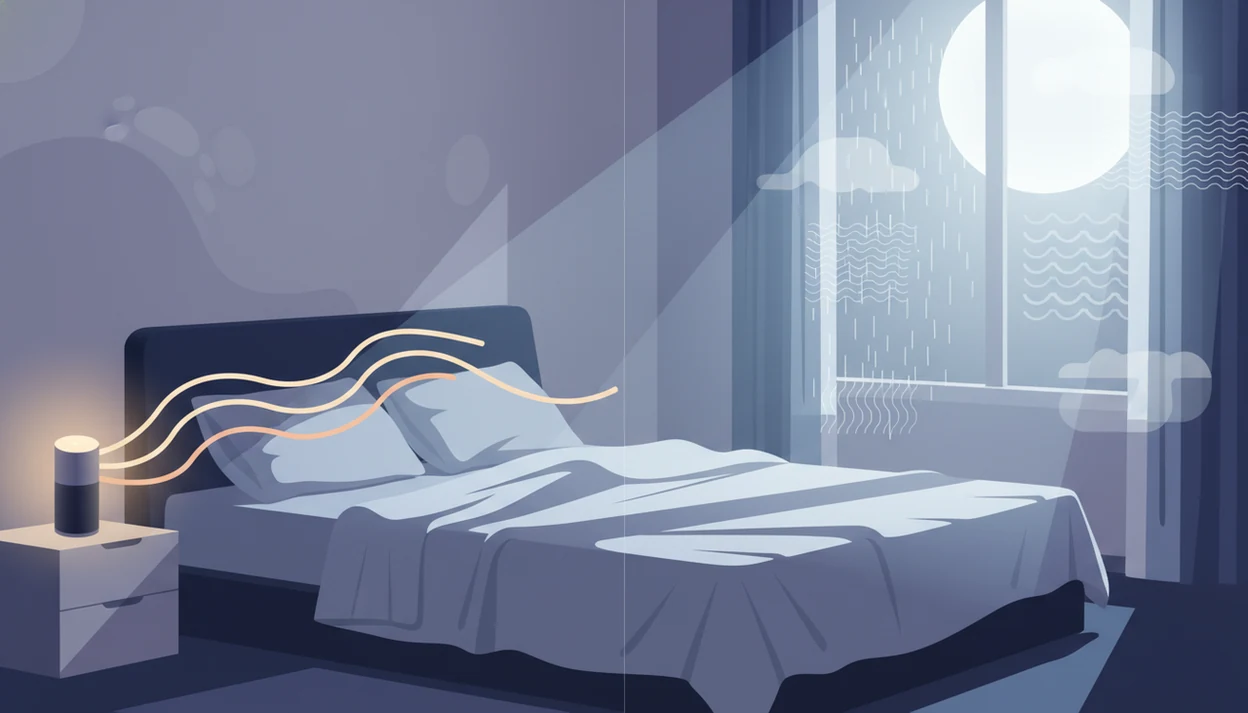


Guided meditation uses spoken instructions to direct attention, while soundscapes use rain, waves, music, or colored noise to provide a steady background. The practical difference is how much direction the listener needs. Voice-led tracks usually suit racing thoughts, bedtime worry, and beginners who want a clear next step. Soundscapes suit noise masking, work, or drifting off without instructions.
For sleep, a guided body scan can give repetitive thoughts a competing focus; ambient audio can make sudden room sounds less noticeable. For stress, the choice may come down to whether words feel helpful or tiring. Neither format is a medical cure. Both are best treated as repeatable support alongside healthy sleep and stress habits, rather than a promise of immediate relief.
Voice or background sound?
- Pick guided meditation for overthinking, anxiety support, beginner structure, and body-scan sleep routines.
- Pick soundscapes for background calm, noise masking, low-effort sleep audio, and work focus.
- Neither option is a medical cure; both work best as repeatable support alongside healthy sleep and stress habits.
Guided meditation vs soundscapes, side by side
Side-by-side captures of the compared products. Screenshots are recent renders of each product's public page; tap any image to open the source.
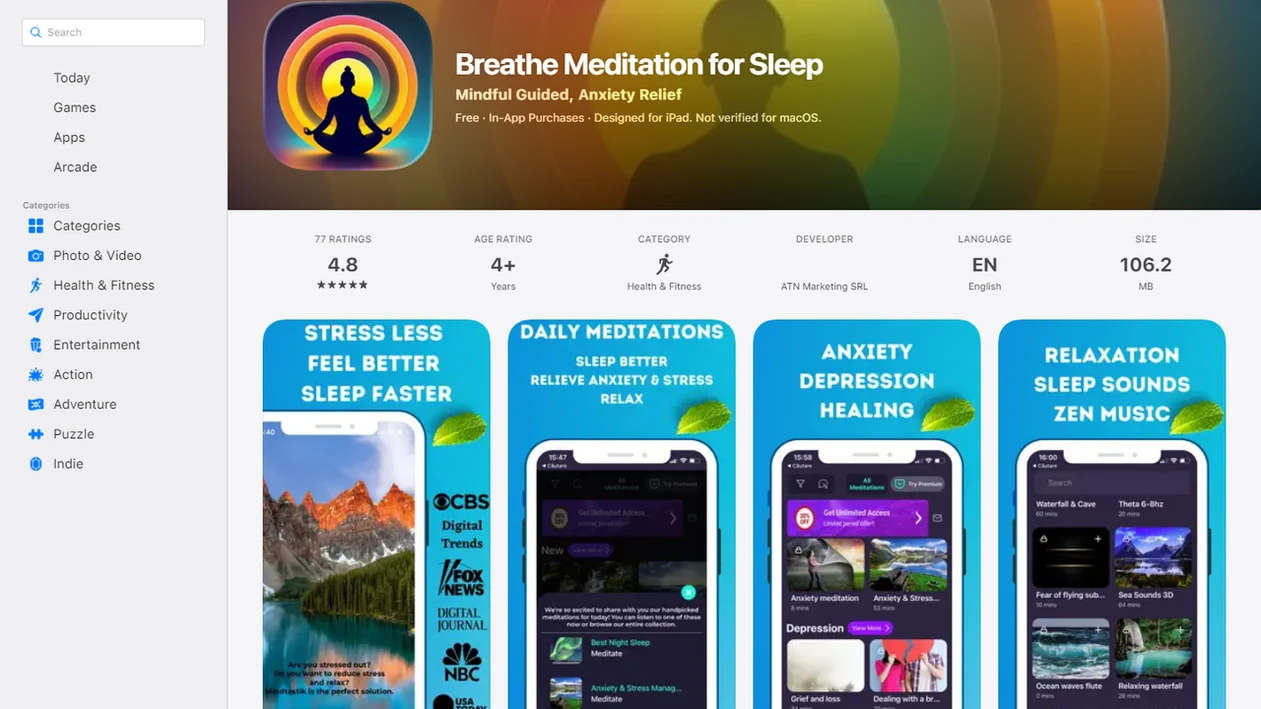
Guided Meditation vs Soundscapes at a Glance
Guided meditation is generally better for active mental redirection, while soundscapes are generally better for passive background regulation. A sleep audio comparison gets easier when you ask whether you want a voice to follow or a steady atmosphere to sink into.
| Category | Guided meditation | Soundscapes |
|---|---|---|
| Best use case | Racing thoughts, worry, beginners | Noise masking, drifting off, background calm |
| Attention required | Moderate | Low |
| Voice presence | Spoken guidance | Usually no voice |
| Sleep fit | Strong for bedtime worry | Strong for quieting a room |
| Stress fit | Strong when thoughts need structure | Strong for decompression |
| Focus fit | Better for short resets | Better for background work |
| Noise masking | Limited | Stronger |
| Drawbacks | Voice may feel too engaging | Audio may become boring or annoying |
MindTastik offers guided meditation and sleep audio, so users can switch by state instead of choosing one format forever. Playlist names scanned under blankets tell the real story: some nights need a voice, others need rain.
How Guided Meditation and Soundscapes Work in the Nervous System
Guided meditation and soundscapes work through different attention pathways: one gives the mind a target, and the other changes the listening environment. Guided meditation reduces cognitive load by pointing attention toward breath, body sensations, imagery, counting, or a short phrase.
Soundscapes work through environmental cueing, noise masking, rhythmic predictability, and reduced contrast from sudden sounds. In plain language, steady audio can make the room feel less jumpy. That can support parasympathetic activation, the body’s rest-and-digest shift, without promising treatment.
A 2018 natural soundscape study found faster autonomic recovery after stress compared with urban noise or silence NIH research: PMC6085576. Meditation evidence is also supportive, not curative; the better question is whether the audio helps you repeat a manageable routine.
Where Guided Meditation Wins for Racing Thoughts and Beginners
Is guided meditation better when your thoughts won’t stop? Guided meditation is better when the problem is mental chatter, bedtime worry, or not knowing what to do next.
A teacher’s voice can guide attention through a body scan, breath cue, visualization, or self-compassion prompt. That can help in a dark room when the minutes feel long and the next day’s plans keep circling. For beginners, guidance also eases the “am I doing this right?” loop.
MindTastik fits people who need structure before quiet because guided sessions name the next step, such as breathing, relaxing the jaw, or scanning the body. The related body scan vs breathing exercises comparison is useful if you’re choosing between two guided formats.
A 2014 JAMA Internal Medicine meta-analysis found small to moderate improvements in anxiety, depression, and pain with meditation programs (JAMA Internal Medicine study: 1809754). A 2015 JAMA Internal Medicine sleep trial found a 2.8-point greater PSQI improvement with mindfulness meditation than sleep hygiene education (JAMA Internal Medicine study: 2110998).
For beginners with racing thoughts, guided meditation is often easier than soundscapes because it gives attention a clear job.
Where Soundscapes for Stress, Sleep, and Background Noise Win
Are soundscapes better when you don’t want a voice? Soundscapes are better when the issue is environmental noise, overstimulation, or wanting no voice at all.
Rain, ocean waves, forest audio, gentle music, white noise, pink noise, and brown noise can all create a steady audio bed. That steadiness helps in apartments, shared bedrooms, hotels, and noisy neighborhoods because sudden sounds stand out less. A door click matters less when brown noise is already filling the room.
Some listeners find voices too engaging at night. The instruction becomes something to follow, then evaluate, then replay in the head. Soundscapes for stress also work during desk time because they can run behind emails without asking for active attention. Noise-canceling headphones at a desk can turn a five-minute pause into a real short reset.
A 2015 systematic review and meta-analysis found that music interventions improved subjective sleep quality by about 2.8 PSQI points in adults with sleep problems (PubMed research: 26118582).
When the issue is unpredictable sound, soundscapes often fit better than guided meditation because they mask the room rather than direct the mind. For a closer comparison of noise masking and voice-led practice, consider white noise vs meditation before choosing bedtime audio.
Guided Meditation or Sounds by Current State
The best choice between guided meditation or sounds can change by time of day, stress level, and sensory tolerance. Use your current state, not a fixed identity, to choose the next track.
- Racing thoughts: Choose a guided body scan or breath-led meditation. The voice gives your mind a place to land.
- Noisy room: Choose rain, brown noise, or a nature soundscape. Steady audio usually masks interruptions better.
- Anxious body tension: Choose a guided body scan with slow breathing. MindTastik covers this with short anxiety support sessions that move attention through the body.
- Work focus: Choose low-complexity ambient sound. Lyrics or dramatic music can steal attention.
- Middle-of-night waking: Try short guidance followed by a soundscape. Keep the phone dim, then let the audio continue.
- Sensory sensitivity: Choose soft rain, low brown noise, or very simple nature audio.
Someone who wants calming audio ready when their mind feels busy may be a good fit for MindTastik, since the library makes it easy to choose a 5-minute breathing exercise or a 20-minute body scan.
Who Should Choose Guided Meditation or Soundscapes?
Choose guided meditation if the main barrier is worry, rumination, or not knowing how to begin. Choose soundscapes if you need masking, minimal attention, or audio without a voice.
A practical choice can be made in a minute, before the phone feels like another task:
- Name the problem. If thoughts are looping, start with guided meditation; if the room is loud or silence feels sharp, start with a soundscape.
- Check your tolerance for voice. Avoid narration when it feels stimulating, intrusive, or like someone is grading your relaxation.
- Check the complexity of the audio. Avoid layered or changing soundscapes if shifts in music pull attention away from rest.
- Use both when needed. Let a short guided track teach the body where to soften, then switch to rain, brown noise, or simple ambient audio after settling.
- Repeat what worked. If you felt calmer without effort, save that format for the same state tomorrow.
This is why one person may need a body scan on Sunday night and no-voice rain on Tuesday afternoon.
Sleep Audio Comparison for Nighttime Worry and Insomnia Support
Sleep audio works best when it matches the reason you are awake. Guided sleep meditation may help when worry keeps pulling attention back to problems, while soundscapes may help when the room is too quiet or a voice feels stimulating.
- Guided sleep meditation gives worry a competing focus. Breath cues, body scans, and imagery can interrupt repetitive planning.
- Soundscapes reduce contrast in the room. Rain, waves, or soft music can make sudden noises less noticeable.
- Mindfulness-based stress reduction has insomnia evidence. A chronic insomnia trial found that an eight-week mindfulness-based program reduced insomnia severity and improved sleep efficiency versus wait-list control (PubMed research: 24790213).
- Relaxing music has sleep-quality evidence. A 2015 systematic review found music interventions improved subjective sleep quality in adults with sleep problems.
- Persistent symptoms need care. Chronic insomnia, sleep apnea symptoms, severe anxiety, or daytime impairment should be discussed with a qualified clinician.
MindTastik frames Best Meditation App for Sleep content as sleep and anxiety support, not medical treatment. For clinical app boundaries, the meditation app vs CBT-I app guide explains when structured insomnia care may be more appropriate.
Evidence Behind Guided Meditation and Soundscapes
The evidence is supportive but uneven: guided meditation has stronger research for anxiety, stress, pain, and some sleep outcomes, while soundscapes have useful evidence for subjective sleep quality, masking, and stress recovery. Neither side guarantees sleep, and most outcomes depend on what the listener reports feeling.
- Weigh meditation claims first. The strongest claims are modest improvements in anxiety, depression-related distress, pain, and sleep quality, including trials where mindfulness helped insomnia severity or PSQI sleep scores.
- Compare sound evidence separately. Music has better sleep-quality evidence than many single nature sounds, while nature sound research is more about stress recovery and calming physiology after a stressor.
- Treat noise masking as practical, not curative. Brown noise, rain, fans, and waves can reduce contrast from sudden sounds, but they are not usually studied as direct insomnia treatments.
- Notice tolerance. A voice can soothe one person and irritate another; music can feel comforting or too emotional.
- Rank the claim. Stronger: meditation for worry and stress support, music for subjective sleep quality. Weaker: specific colored noises for deep sleep. Not directly studied: one app track curing insomnia.
Music therapy findings are not proof for ambient tracks
Research on music therapy needs a separate label from research on background audio. A 2025 review of 51 randomized or controlled trials, involving more than 3,000 participants, found a medium overall reduction in anxiety. It evaluated structured music-therapy interventions, not simply playing rain sounds or a track marketed as a healing frequency. Its physiological findings were smaller and not statistically significant.
Duration of benefit also matters. A 2021 meta-analysis of 32 music-therapy studies found reduced anxiety immediately after the intervention, but the follow-up effect was not statistically significant. These findings support cautious expectations about music-based support. They do not establish that an ordinary soundscape is equivalent to music therapy, or that it works better than a guided meditation for a particular listener.
How to Use Guided Meditation and Soundscapes in MindTastik
Use guided meditation and soundscapes as a flexible routine, not a personality test. MindTastik offers guided meditation, sleep audio, breathing exercises, and self-hypnosis sessions for adults who want support for sleep, anxiety, and everyday calm.
- Check your state. Notice whether the main problem is racing thought, body tension, noise, or low mood.
- Choose voice or no voice. Start with guided meditation when the mind is busy; choose a soundscape when you mainly need atmosphere.
- Set volume and timer. Keep nighttime volume low, and avoid complex music if it makes you more alert.
- Pair with breathing. Take four slow breaths before pressing play so the routine starts before the audio does.
- Switch after settling. Use a short guided session first, then continue with rain, brown noise, or soft sleep audio.
- Adjust tomorrow. Note whether you felt calmer, sleepier, distracted, or irritated.
When comparing MindTastik, Calm, and Headspace, check whether each offers both voice-led guidance and the rain, brown noise, or other sleep audio needed for the same bedtime routine.
MindTastik sessions for worry versus background noise
MindTastik offers guided meditations, breathing exercises, sleep stories, and soundscapes. Guided sessions suit listeners who want instructions for a bedtime body scan or a short stress reset. Its sleep soundscapes suit those who prefer background audio without a voice.
Someone who finds all audio distracting may prefer silence rather than another session. Persistent insomnia or anxiety calls for appropriate care, not a larger audio library. MindTastik is not a medical treatment.
What guided meditation and soundscapes cannot treat
Neither format works for everyone, and audio support has real limits. A speaker set to low volume can keep the goal simple: press play, notice how your body responds, and avoid turning the practice into something you have to perfect.
- Guided meditation and soundscapes do not cure insomnia, anxiety disorders, depression, trauma, or medical sleep disorders.
- Voices can feel intrusive, distracting, or overstimulating for some listeners, especially at night.
- Music or nature audio can become annoying, emotionally loaded, or too interesting for sleep.
- Masking noise may not solve sleep disruption if the sound source is very loud.
- Headphones at night may be uncomfortable or unsafe for some users.
- Evidence often measures subjective sleep quality and stress recovery, not guaranteed sleep onset for every person.
- Severe symptoms, breathing interruptions during sleep, dangerous sleepiness, or persistent distress should be discussed with a qualified professional.
If the priority is a gentle wind-down routine, MindTastik fits because users can rotate guided sessions, sleep audio, breathing exercises, and self-hypnosis without treating audio as medical care. The free vs paid meditation app comparison can help if cost is part of the decision.
Guided breathing between meetings, soundscapes during chores
For a late-afternoon reset after meetings, a three-minute breathing exercise may work better than a long ambient track because it gives the transition a clear beginning and end. For a quiet cooking routine or low-stakes household task, a soundscape may be enough. Choose guided audio for transitions and soundscapes for background continuity.
When to stop sleep audio or seek human support
- If you feel unsafe, disoriented, or at risk of harming yourself, seek immediate human support rather than relying on an audio session.
- If sleeplessness, panic, or distress is frequent and disruptive, meditation audio may be a supportive habit but professional care may be more appropriate.
- If a voice-led practice brings up difficult memories or strong discomfort, stop the session and choose grounding support that feels safer.
- If soundscapes make you more alert, irritated, or tense, silence or a different environment may be the better choice.
- If you are driving or operating equipment, avoid practices designed to make you sleepy or deeply inward-focused.
On nights when guided practice feels like too much effort, MindTastik sleep stories offers low-stimulus audio you can play in the background.
Guided meditation and soundscape questions
Is guided meditation or a soundscape better for falling asleep?
Guided meditation is a reasonable starting point when worry or repetitive planning keeps attention busy. A soundscape may fit better when outside noise is the problem or narration feels stimulating. Neither guarantees sleep. The useful choice is the one that reduces distraction without creating another task to follow.
Which is better for racing thoughts at night?
A guided body scan or breath-led meditation gives attention a specific task, which can help when thoughts keep returning to unfinished plans. A soundscape provides background calm but less direction. If the voice becomes irritating or keeps attention too active, a simpler nonverbal track or silence may suit the moment better.
Do soundscapes help with anxiety?
Some listeners find steady, pleasant audio useful for decompression or reducing distracting noise. Research supports music-based interventions for short-term anxiety relief, but structured music therapy is not the same as listening to ambient sounds. Soundscapes are a support option, not a treatment for an anxiety disorder or a substitute for professional care.
Can guided meditation and soundscapes be used together?
Yes. A guided session can provide initial direction, followed by a soundscape when instructions are no longer helpful. Background sound can also accompany attention to breathing or bodily sensations. Combining them is optional, and the available evidence does not establish that adding music makes meditation more effective.
Which audio masks traffic or noise from neighbors better?
A steady soundscape is generally better suited to masking than spoken guidance. Rain, waves, or colored noise can make sudden sounds stand out less against the background. Masking does not remove the source of the disturbance. Keep the volume comfortable rather than trying to overpower every outside sound.
Are soundscapes better than guided meditation for studying?
Low-complexity, nonverbal audio may be easier to ignore during reading or other language-based work. Spoken instructions can compete with the task. A short guided breathing session may fit a break instead. If background sound draws attention away from the work or worsens concentration, a simpler track or silence is the better option.
How long should a beginner listen?
A short, repeatable session of five to ten minutes is a reasonable starting point. Guided audio can help when maintaining attention is difficult; quiet music or nature sounds may fit when instructions are unnecessary. Use a comfortable volume while sitting safely, and stop or change the audio if it causes discomfort.
Is 432 Hz or 528 Hz music better than ordinary sleep sounds?
The cited research does not establish a unique healing effect for music tuned to 432 Hz or 528 Hz, or show that it treats illness better than ordinary calming music. A preferred, non-irritating sound is a more defensible choice than a frequency claim. Guided practice remains an option when attention needs direction.