
Grateful For The Small Things: A Practical Daily Guide


Being grateful for the small things means noticing ordinary moments of comfort, kindness, beauty, or relief rather than waiting for a major life event to feel thankful. The practice is specific: warm water on cold hands, a quiet room, a helpful message, or one easy breath. Pause long enough to notice the detail and let the body register it for a few breaths.
A brief gratitude practice can support everyday calm and a steadier mood, without requiring cheerfulness. Pair it with morning coffee, a lunch break, or bedtime so there is a familiar cue to begin. Appreciation can exist alongside stress, grief, and unfinished work. It is support for daily life, not a replacement for professional care.
The essentials
- Start with tiny, concrete details: warm water, a quiet room, a helpful message, or one easy breath.
- Pair gratitude with an existing routine, such as morning coffee, a lunch break, or bedtime.
- Use gratitude as support for sleep, anxiety, and everyday calm, not as a replacement for professional care when needed.
Grateful For The Small Things: Meaning And Daily Examples
Gratitude for the small things is the habit of paying attention to ordinary, specific moments of goodness and letting the body register them for a few breaths. It is present-moment appreciation, not forced cheerfulness. Learning how to cultivate contentment can help you appreciate ordinary comforts without expecting life to feel perfect.
A small thing might be the warmth of a mug, fresh sheets after a long day, sunlight on the wall, a calm breath before answering a message, or a kind text that lands at the right time. It can also be a quiet walk where no one needs anything from you.
Noticing small good things does not cancel out stress, grief, bills, conflict, or unfinished work. It simply gives the mind one more place to rest. For a broader starting point, our guide on how to practice gratitude explains the habit in plain daily terms.
Both can be true.
Five Facts About Being Grateful For The Small Things
- Gratitude interventions are linked with small to moderate gains in psychological well-being and life satisfaction, according to a 2020 meta-analysis of randomized controlled trials: doi reference: 17439760.2019.1651888.
- In a randomized controlled trial of 411 adults, an online gratitude intervention improved emotional well-being, with gains maintained at 6-month follow-up: doi reference: s10902 005 3646 5.
- In a trial of 89 young adults with chronic sleep problems, 6 weeks of gratitude journaling improved sleep quality and reduced pre-sleep arousal compared with controls.
- Specific gratitude usually works better than vague gratitude because the brain has something concrete to notice, such as “the clean towel felt soft” instead of “I’m grateful for life.” The research on gratitude and brain science offers more context for why specific details may matter during appreciation.
- Consistency matters more than intensity; a 2-minute daily note usually beats a long gratitude session that happens once every few weeks.
For beginners, gratitude for small things is often easier than broad positive thinking because it starts with one real detail the senses can verify.
How much improvement does gratitude research support?
The clearest expectation is a modest average benefit, not a major change in mood. A 2025 cross-cultural meta-analysis combined 145 papers involving 24,804 participants across 28 countries and found a small improvement in well-being. That broad result supports gratitude as a useful extra practice, but it does not show that every person will benefit or that noticing small things is better than other gratitude exercises.
The comparison group matters, too. A review focused on life satisfaction found mixed evidence: gratitude had a small advantage over neutral activities, but studies comparing it with active or positive activities did not establish a reliable benefit. A pleasant walk, social contact, or another supportive routine need not be replaced by gratitude. The evidence gives no reason to treat appreciation as the only useful option.
How Grateful For The Small Things Works In The Brain And Body
Gratitude for small things works by training attention toward signals the mind often filters out. The technical phrase is attention training, which means repeatedly choosing what the mind practices noticing. For a closer look at repeated practice, explore how gratitude rewires your brain, while keeping expectations realistic.
A felt moment of appreciation can also create emotional broadening. In plain language, the nervous system gets a second signal besides threat, pressure, or rumination. Warmth, breath, sound, and touch are useful anchors because they happen in the body now. Feet planted on office carpet can count. So can the sound of rain through a cracked window. Understanding gratitude and the brain can add context to these moments of appreciation without promising a particular emotional response.
Gratitude does not erase stress. It adds another signal alongside difficulty, which can make a hard moment feel less total.
Apps can help people repeat a practice with reminders, guided audio, and session tracking. MindTastik can support gratitude practice with guided structure and repeatable cues, but it cannot guarantee that every hard night disappears.
How To Use A Grateful For The Small Things Practice
Use this grateful for the small things practice for 2 to 5 minutes. Keep it short enough that you can do it when you’re tired, distracted, or mildly resistant.
- Choose one cue, such as morning coffee, lunch, or bedtime.
- Notice one small sensory detail, like warmth, color, quiet, pressure, or breath.
- Name why it matters in one sentence: “This helped me feel less rushed.”
- Feel it in the body for three slow breaths, without trying to create a big emotion.
- Record or repeat it in a journal, notes app, or guided meditation app.
If your screen is paused after a restless start, begin again with one detail. Not ten. One.
People who prefer audio can use gratitude meditation instead of writing, especially when the mind feels too full for journaling.
Best For And Not For This Grateful For The Small Things Guide
This grateful for the small things guide is best for ordinary daily practice, not crisis care. It fits people who want a gentle routine that can sit beside real life.
| Best for | Not for |
|---|---|
| Beginners who want a simple starting point | Acute crisis or immediate danger |
| Bedtime overthinkers who need a low-stimulation cue | Severe untreated symptoms needing professional support |
| People building mindfulness through small sensory details | Situations where someone is pressured to ignore pain |
| People wanting small mood resets during the day | Anyone needing emergency help |
Tools like MindTastik can support practice consistency for adults seeking sleep, anxiety, and everyday calm support. MindTastik is not a replacement for therapy, medication, emergency services, or guidance from a qualified professional.
For a softer entry point, gratitude for beginners may feel more manageable than a full daily routine.
Grateful For The Small Things Tips For Sleep, Anxiety, And Focus
Use gratitude differently depending on the moment. Sleep, anxiety, and focus each need a slightly different cue.
Bedtime gratitude cue
Before sleep, notice three gentle details: the weight of the blanket, the quiet of the room, or a soft patch of dim light on the wall. A trial of 89 young adults with chronic sleep problems found that gratitude journaling improved sleep quality and reduced pre-sleep arousal compared with controls: doi reference: j.jpsychores.2011.12.006. If bedtime is the hard part, gratitude before sleep gives more examples.
Anxiety grounding cue
When anxiety rises, name one safe or steady detail in the present moment. Try “the chair is supporting me” or “my breathing is still here.” MindTastik offers wellness audio for adults, including guided meditation, sleep support, breathing practices, and self-hypnosis sessions for everyday calm.
Focus reset cue
Before work, name one support already available: light, water, a clear desk, or a charged laptop. For many people, one concrete support is easier to use than a motivational speech.
Small Things Gratitude Prompts And Image Caption
Choose one prompt. If you’re tired, answering one is enough.
- What felt warm today?
- What made one task easier?
- What sound helped you settle?
- Who made life slightly lighter?
- What gave your body a moment of comfort?
- What color, smell, or texture did you notice?
- What small problem did not happen today?
- What helped you pause before reacting?
- What felt steady, even for a minute?
- What would you miss if it were gone tomorrow?
You do not have to journal every answer. Meditation, voice notes, silent noticing, or a single line in a notes app all count. For people who like a repeatable structure, a daily gratitude routine can make the choice easier.
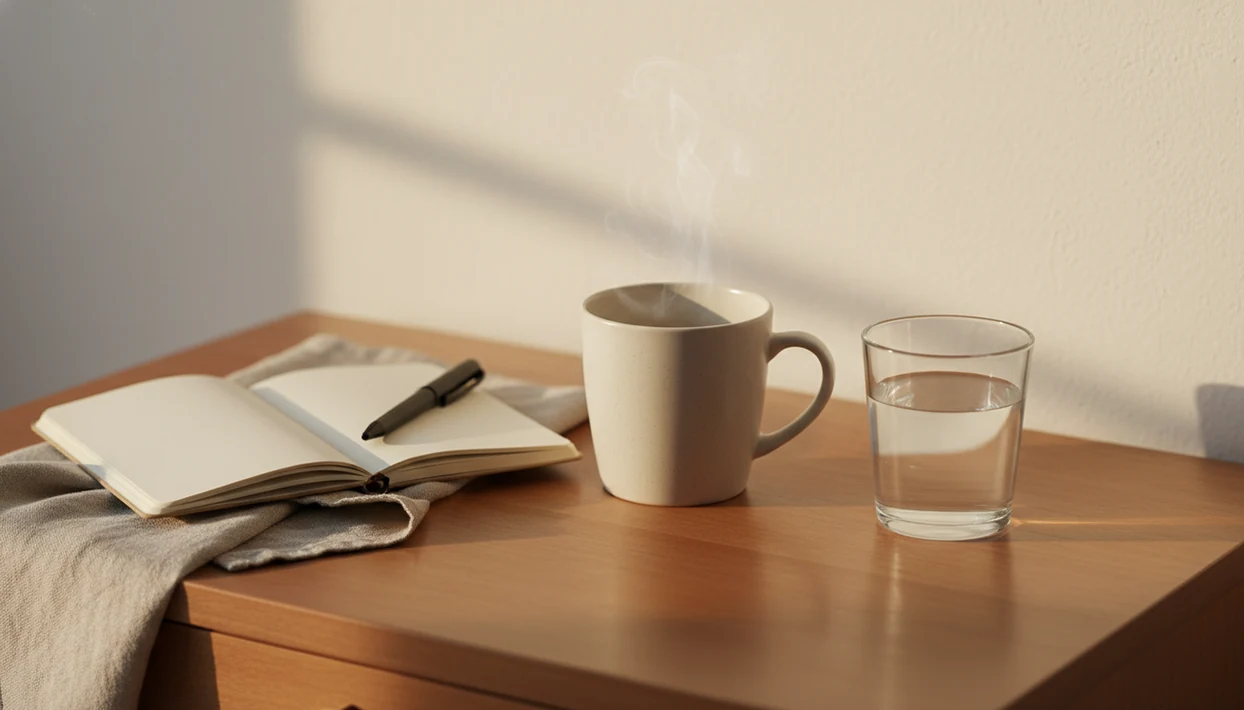
Recommended image caption: “A quiet cup of tea, soft light, and a notebook for practicing gratitude for the small things.”
Guided gratitude when choosing a prompt feels like work
MindTastik’s gratitude sessions and guided meditation library suit adults who prefer a spoken reflection to a blank journal page. A breathing exercise can also provide a simple pause before noticing one ordinary comfort. People who prefer silence can use a single written sentence or quiet observation instead. For severe symptoms or an acute crisis, guided audio is not the right level of support. MindTastik is not a medical treatment.
What small-things gratitude cannot fix
Gratitude is useful, but it has limits. It should feel supportive, not like pressure to smile through pain.
- Gratitude is a support tool, not a replacement for professional mental health care.
- Results are usually gradual and depend on consistency, sleep, stress load, and life circumstances.
- Gratitude can feel invalidating during acute grief, burnout, trauma, or crisis if it is forced.
- Research on app-based micro-practices is promising but still emerging, so specific app claims should stay modest.
- Gratitude usually works best alongside sleep routines, movement, social support, therapy, or medical care when appropriate.
- If someone may harm themselves or others, they should seek immediate local emergency support.
- A gratitude practice should not be used by another person to minimize your pain or avoid needed change.
No practice needs to prove you’re okay.
When small-things gratitude feels forced or repetitive
- If your gratitude practice feels like a performance, make it smaller: name one ordinary relief, such as a steady breath after a long email or a quiet kitchen after dinner.
- If you keep searching for something impressive to appreciate, you may be missing the point; small-things gratitude works best when it stays specific and repeatable.
- If the practice makes you feel guilty for having stress, pause and soften the language. Gratitude can sit beside discomfort without pretending the discomfort is gone.
- If you only practice when your mood is already good, attach it to a routine you already do, such as washing a cup, closing a laptop, or starting a short session. For more ways to build steady habits, explore contentment and calm routines that fit the demands of ordinary daily life.
- If every entry sounds the same, change the category for one day: notice a sound, a texture, a kindness, a convenience, or a moment of relief.
Small-things gratitude questions
What does being grateful for the small things mean?
It means noticing a specific everyday experience that offered comfort, help, beauty, or relief. A warm drink or a kind message counts. The useful part is naming what happened and why it mattered, rather than trying to feel thankful for everything or denying a difficult day.
How do I start appreciating small things?
Choose one familiar cue, such as finishing lunch. Notice one ordinary detail, then complete the sentence: “I appreciated this because…” Pause for a few comfortable breaths. One to five minutes is a practical starting point, not a scientifically established dose. Writing is optional; silent reflection also keeps the exercise simple.
What can I be grateful for on a bad day?
Look for a small, accurate moment of relief rather than a bright side to the whole day. A task that became easier, a comfortable seat, or someone answering a message may be enough. If nothing feels genuine, skipping the exercise is better than inventing an emotion or judging the day.
Does a gratitude journal need new entries every day?
No. The same comfort can matter repeatedly, and daily writing is not required. To keep an entry specific, describe what was different about that moment: the room was quiet after a busy afternoon, for example. Research supports repeated practice over time but does not establish daily journaling as the best schedule.
How long does it take for gratitude practice to help?
Studies commonly use repeated exercises over several weeks, rather than a single reflection. There is no reliable deadline for an individual to feel a benefit. Average improvements are modest, and results vary. A sustainable routine matters more than expecting a noticeable mood change after every entry.
Can being grateful for small things reduce anxiety?
A review of gratitude interventions found reductions in anxiety symptoms, but results varied across practices and populations. Noticing one steady detail can be a low-pressure reflection, not an anxiety treatment. Persistent, severe, or disruptive anxiety needs appropriate professional support rather than a longer gratitude list.
Is gratitude helpful before bed?
Bedtime can be a convenient cue for a quiet reflection, such as noticing the blanket’s weight or one helpful moment from the day. Keep it brief if writing becomes stimulating or turns into reviewing unfinished tasks. Gratitude is not a treatment for ongoing sleep problems or a guarantee of better sleep.