
Gratitude vs Forced Positivity: How to Practice Gratitude Without Bypassing
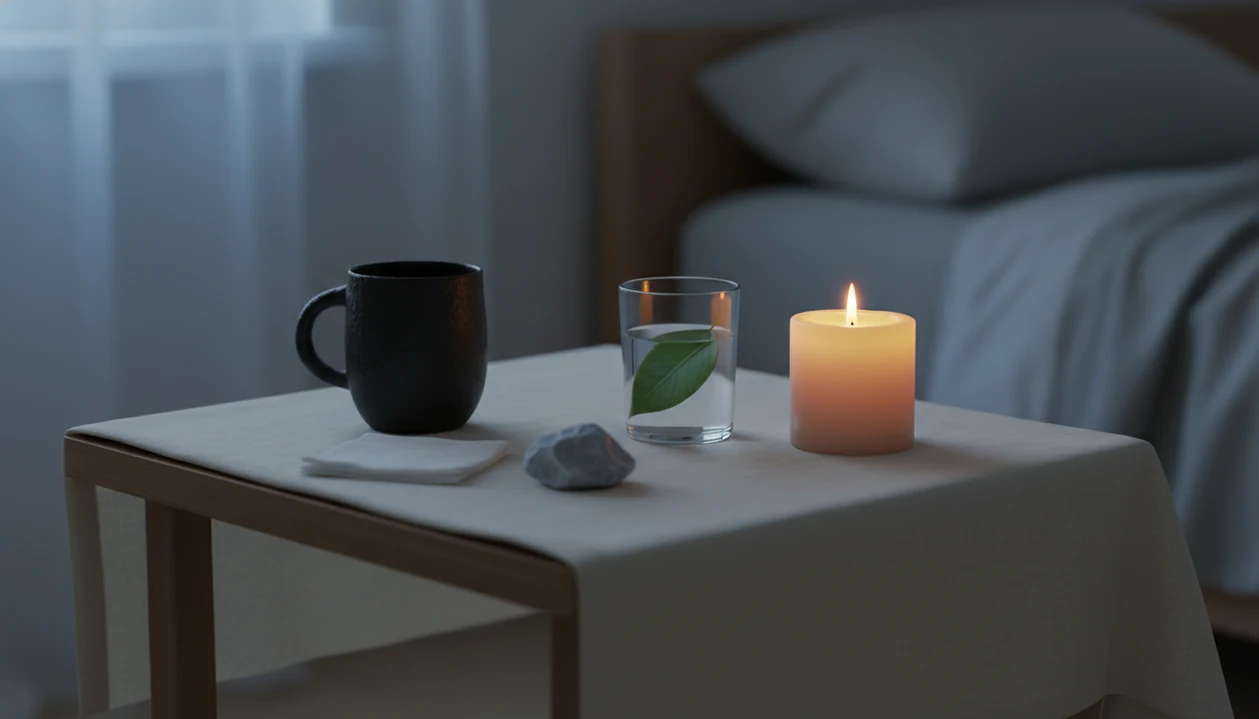


Gratitude vs forced positivity comes down to whether difficult emotions are allowed: healthy gratitude includes them, while forced positivity tries to erase them. Healthy gratitude means noticing something specific and real while making room for stress, sadness, anger, grief, or anxiety. “This is hard, and that kind message mattered” holds both truths. “Stop feeling bad and look on the bright side” dismisses one of them.
A useful gratitude practice is authentic, specific, and optional. It does not require happiness, forgiveness, or a better mood by the end of an exercise. Gratitude can support calm and bedtime routines, but it is not a cure for anxiety, depression, grief, or insomnia. When appreciation feels forced, acknowledging the feeling or choosing another coping tool is a reasonable response.
The key distinction
- Healthy gratitude includes difficult emotions; forced positivity tries to erase them.
- Gratitude works best when it is authentic, specific, and optional rather than used as pressure.
- Gratitude can support calm and sleep routines, but it is not a cure for anxiety, depression, grief, or insomnia.
Healthy Gratitude vs Forced Positivity in One Clear Difference
Healthy gratitude allows reality; forced positivity overwrites it. The core difference is not whether someone notices something good, but whether they are still allowed to tell the truth.
A validating gratitude phrase sounds like, “This hurts, and I’m grateful you stayed with me.” A dismissive positivity phrase sounds like, “Everything happens for a reason,” or “At least it could be worse.” One makes room. The other closes the door.
That door matters.
In gratitude vs toxic positivity, the problem is not positivity itself. Hope, humor, and optimism can help when they fit the moment. The problem starts when positivity is used to silence pain, rush grief, or make someone perform calm before they feel safe.
Five Facts About Gratitude Without Bypassing
- Healthy gratitude can coexist with grief, anxiety, anger, fear, or stress. It does not require a clean emotional room.
- Forced positivity can make people feel guilty or invalidated, especially when they are already trying hard to cope.
- Real gratitude is grounded in what is actually true, not denial, fantasy, or pressure to “manifest” a better mood.
- Specific gratitude is more useful than generic commands to be positive. “My neighbor texted back” is more honest than “I should be thankful.”
- Gratitude is a coping practice, not a replacement for therapy, medical care, or crisis support.
A simple starting point for gratitude for beginners is one sentence about a real detail, without any requirement to smile or feel better.
Why Forced Positivity Feels Invalidating During Stress
Why does forced positivity feel so bad? Because it often answers pain with correction instead of care.
When someone is stressed, their first need may be acknowledgment. “That sounds heavy” lands differently than “just focus on the good.” Emotional invalidation is the feeling that your response is too much, wrong, or inconvenient. It can make a person stop sharing, even when they need support.
In Gallup’s 2024 reporting on U.S. emotional health, 44% of adults said they felt stressed a lot the previous day, and 49% said they worried a lot: news reference: emotions report.aspx. That helps explain why 'be positive' can miss the room completely.
Knees still under a cafe table. Smile pasted on. Not okay.
Clinicians typically recommend validating distress first, then adding coping tools when the person is ready.
How Healthy Gratitude Works in the Mind and Body
Healthy gratitude works as attention training. It asks the mind to notice something real, specific, and supportive without pretending the hard part disappeared.
During stress, attention often narrows into threat-only scanning. The mind looks for what might go wrong next. Gratitude may gently broaden that view, not by denying risk, but by adding missing information: support, warmth, effort, safety, or one thing that did not collapse. When worry narrows your attention, gratitude when anxious can offer a gentle practice without requiring you to dismiss distress.
For sleep anxiety, gratitude can become a wind-down cue instead of pressure to feel cheerful. In dim light, when rest still feels far away, the practice might be: “I’m frustrated, and this room is quiet.” Brief. True.
Research reviews suggest gratitude interventions can produce modest well-being benefits, not instant transformation; see Wood, Froh, and Geraghty’s review in Clinical Psychology Review: doi reference: j.cpr.2010.03.005. Healthy gratitude usually works best when it is specific and voluntary, while forced positivity fits poorly when someone needs validation first.
Evidence Behind Gratitude Without Bypassing
The evidence for gratitude is encouraging but modest. It supports gratitude as a coping tool for some people, not as a cure, guarantee, or replacement for professional care.
Reviews of gratitude interventions generally find small-to-moderate benefits for well-being, with results depending on the person, timing, and practice design; Wood, Froh, and Geraghty summarize this cautious picture in Clinical Psychology Review: source. That fits the practical message here: gratitude is more useful when it adds one true detail, not when it edits out pain. Research on psychological flexibility, the ability to stay in contact with difficult thoughts and still choose workable actions, also supports making room for discomfort rather than fighting it: doi reference: j.cpr.2010.03.001.
A grounded practice looks like this:
- Acknowledge the distress before adding appreciation.
- Choose one specific, believable detail to notice.
- Check whether the practice softens pressure or increases shame.
- Use gratitude alongside therapy, medication guidance, crisis support, or medical care when those are needed.
Coping is not the same as treating. A prompt can steady the moment; it should not carry the whole weight of someone’s health.
What the anxiety findings do, and do not, show
A 2023 systematic review of 64 randomized clinical trials found benefits from gratitude interventions, but its anxiety findings deserve a closer look. Three studies involving 579 participants showed an average GAD-7 anxiety score 1.63 points lower than control conditions. The authors rated the certainty of that anxiety evidence low. This supports a cautious claim of possible symptom benefit, not a promise that gratitude will relieve anxiety for a particular person.
The distinction matters here because research on voluntary writing or expressing appreciation does not establish a benefit from pressuring someone to feel grateful. Nor does an average improvement mean every participant felt better. Gratitude can be an additional coping practice alongside treatment, but the findings do not justify dismissing distress, delaying assessment, or treating an unchanged mood as a failure to practice correctly. The article They Don't Want You to Know offers another perspective to consider without dismissing your feelings.
Gratitude vs Toxic Positivity Comparison Table
The table below shows the practical difference. Use it for stress, sleep trouble, or anxious rumination when you are trying to choose your words carefully.
| Category | Healthy gratitude | Toxic positivity |
|---|---|---|
| Emotion | Allows mixed feelings | Pushes away hard feelings |
| Language | “This hurts, and I’m grateful for support.” | “Everything happens for a reason.” |
| Timing | Offered after validation | Offered before listening |
| Effect | Can feel grounding | Can feel dismissive |
| Sleep example | “I’m worried, and my body can rest for one minute.” | “Stop worrying and be grateful.” |
Optimism can be healthy when it includes validation and realistic action. A simple daily gratitude routine should help you tell the truth, not edit your emotions into something more acceptable.
Best For and Not For: Healthy Gratitude Practice
Healthy gratitude works better when it is chosen, not imposed. Timing and consent matter, especially when someone is grieving, anxious, exhausted, or raw.
| Best for | Not for |
|---|---|
| Bedtime reflection | Replacing mental health care |
| Anxious overthinking | Denying grief |
| Everyday calm | Forcing happiness |
| Noticing support | Silencing someone else’s feelings |
| Grounding after a hard day | Spiritual bypassing |
Tools like MindTastik can support guided meditation, sleep audio, breathing exercises, and self-hypnosis sessions, but the practice still needs honesty.
Use MindTastik as guided structure for breathing, sleep audio, or reflection, not as proof that you should feel grateful on command.
If gratitude feels like a performance, pause. A breathing exercise may be kinder than another prompt.
How to Use Gratitude Without Bypassing Emotions
Use gratitude without bypassing by naming the hard thing first, then noticing one real support. The goal is not to win an argument with your mood.
- Name what is happening: “I feel worried,” “I feel disappointed,” or “I feel alone.”
- Validate the feeling with one plain sentence: “It makes sense that this feels heavy.”
- Choose whether gratitude is welcome right now. If it feels fake, return to breathing or grounding.
- Notice one specific support, such as a text, a blanket, a quiet room, or one task finished.
- Write one honest line: “Even though today was hard, I noticed ___.”
- Release the need to feel better immediately.
For bedtime sleep anxiety, try one hard thing, one supportive thing, and one next gentle step. If you want audio support, a short gratitude meditation can hold the structure while you keep the words simple.
Mindful Gratitude Prompts for Stress and Sleep Trouble
Mindful gratitude prompts should make room for the whole day, not just the polished parts. Keep the phone dim, especially if you are using it near bed.
Prompt Block for Honest Gratitude
- Even though today was hard, one thing that supported me was ___.
- One small support I noticed was ___.
- I am worried about __, and one thing I can do next is __.
- Something I did not enjoy today, but survived, was ___.
- A person, place, or object that helped me feel less alone was ___.
- I can be sad about __ and still appreciate __.
- Before sleep, I want to remember this small steady thing: ___.
- If gratitude feels unavailable tonight, I can simply notice my breath.
For more gentle options, mindful gratitude practices can be adapted for stress, worry, and grief-adjacent sadness.
Image Caption for Mindful Gratitude
Journal beside dim light and tangled earbuds on a nightstand, showing a calm bedside routine for gratitude vs toxic positivity.
When Gratitude Is Not Enough
Gratitude is not enough when it starts asking you to ignore harm, hide distress, or manage symptoms that need real care. A healthy practice should make you feel more honest, not more trapped.
Watch for pressure signs: you feel guilty for being sad, you use prompts to avoid grief or conflict, you keep repeating “I should be grateful,” or bedtime gratitude turns into another test you can fail. Sleep anxiety, panic, depression symptoms, trauma reactions, persistent insomnia, or grief that is stopping daily life may need therapy, medical care, medication guidance, or a sleep evaluation.
If you are unsure what to do next:
- Pause the gratitude practice if it increases shame, numbness, dread, or avoidance.
- Tell one trusted person what is actually happening, without editing it into something positive.
- Contact a therapist, doctor, or qualified sleep/mental health professional if symptoms are persistent, worsening, or interfering with work, school, relationships, or rest.
- Seek urgent help now if you might hurt yourself, feel unable to stay safe, or are in immediate danger. In the U.S., call or text 988 or visit 988lifeline reference. Elsewhere, contact local emergency services or a crisis line.
Guided reflection without pressure to feel grateful
MindTastik’s gratitude sessions can suit a short reflection when appreciation feels genuine. Its guided breathing exercises offer another option when a gratitude prompt feels demanding, while sleep stories or soundscapes provide bedtime audio without requiring a gratitude list. None of these sessions requires a cheerful conclusion. People who need help with persistent anxiety, depression, trauma symptoms, or insomnia should seek appropriate care rather than rely on an app to manage those symptoms.
What gratitude cannot treat or excuse
Gratitude can be supportive, but it has clear limits. It should never be used to make someone smaller than their real experience.
- Gratitude is not a cure for anxiety, depression, trauma, grief, or chronic insomnia.
- Gratitude should not be used to pressure people out of normal emotions.
- Overusing gratitude prompts can backfire if someone feels forced to perform happiness.
- Evidence for gratitude is real but modest, with small-to-moderate well-being effects.
- Toxic positivity is a useful cultural term, not a clinical diagnosis.
- Some positive thinking can help when paired with validation, realism, and action.
- Professional support matters when distress is severe, persistent, unsafe, or interfering with daily life.
- If distress feels unsafe or you might hurt yourself, seek immediate help through local emergency services or the 988 Suicide & Crisis Lifeline in the U.S.: source.
Unread emails can replay behind closed eyes for hours. A gratitude prompt may soften the edge, but it cannot replace care, safety planning, therapy, medication guidance, or urgent help when those are needed.
How to Choose
| If you... | Try | Why | Note |
|---|---|---|---|
| You feel pressured to say something positive immediately | Emotion-labeling breath practice | It gives the real feeling a place before any reframe is attempted. | Avoid using gratitude as a quick shutdown. |
| You can acknowledge the hard part but feel stuck in it | One-line balanced gratitude prompt | It adds perspective without denying stress. | Keep the gratitude specific and modest. |
| Your distress feels intense, persistent, or unsafe | Professional support or crisis-appropriate care | Meditation can support coping, but it is not a substitute for care when risk is present. | Seek immediate help if safety is a concern. |
When boundaries or self-compassion fit better than gratitude
- If gratitude feels like an assignment to forgive too soon, pause and use boundary-setting language instead.
- If your body is tense or panicky, a slow breathing exercise may fit better than a reflective prompt.
- If you keep comparing your pain to someone else’s, switch to self-compassion; suffering does not need a ranking system.
- If a gratitude practice leaves you feeling smaller, simplify it to one neutral observation rather than a positive statement.
Gratitude without forced positivity: questions
What is the difference between gratitude and toxic positivity?
Gratitude notices something meaningful without denying what hurts. Toxic positivity pressures someone to replace distress with a positive response. “I am grieving, and I appreciate the people helping me” allows both experiences. “At least there is something to be thankful for” can dismiss grief when it is used to end the conversation.
Why do gratitude lists sometimes make me feel worse?
A list can become another demand when it feels like proof that sadness or anger is unjustified. Repeating “I should be grateful” may add guilt rather than support. Pause the list, name the difficult feeling, or write one neutral observation instead. A gratitude exercise does not need to produce a better mood.
How can I practice gratitude without suppressing my feelings?
Name the difficult feeling first, then decide whether appreciation is welcome. If it is, add one specific detail using “and”: “I feel lonely, and I appreciated that message.” If nothing feels genuine, stop there. Acknowledging loneliness is a valid reflection, not an incomplete gratitude exercise.
Can I be grateful and still feel angry or sad?
Yes. Appreciation and distress can exist at the same time, and neither cancels the other. Gratitude for someone’s support does not remove grief, excuse harm, or require forgiveness. A useful practice leaves room to describe what happened honestly and to take practical action where it is needed.
Does gratitude actually help anxiety?
Research suggests small-to-modest average benefits, but results vary. A 2023 review found lower anxiety scores across three studies involving 579 participants, with low certainty in the evidence. Gratitude is an optional coping tool, not a replacement for assessment or treatment when anxiety is persistent, severe, or interfering with daily life.
What should I say instead of “look on the bright side”?
Start with acknowledgment: “That sounds painful” or “It makes sense that this is hard.” Then ask what would help, rather than assigning a positive interpretation. Appreciation can come later if the person wants it. Listening does not require finding a benefit, explaining the suffering, or making the conversation cheerful.
Is bedtime gratitude helpful if I cannot sleep?
A brief, optional reflection can be part of a wind-down routine, but it is not a treatment for insomnia. One honest line is enough, such as “I am frustrated, and the room is quiet.” If the exercise becomes another task to get right, stop and choose a less demanding routine.