A pregnancy meditation app is a mobile wellness tool with guided meditations, breathing exercises, affirmations, and sleep audio for pregnancy, labor preparation, and postpartum transitions. Pregnancy-specific sessions can address birth worries, changing body comfort, and bedtime restlessness rather than relying only on general relaxation scripts. The useful distinction is not how much audio an app offers, but how well its content matches the concern at hand.
These apps can provide a repeatable routine for calm or bedtime, but they are not prenatal care or mental health treatment. Choosing one means looking at session length, pregnancy-specific language, partner options, and postpartum content. A short, comfortable session is a reasonable starting point, with professional support taking priority when distress persists or symptoms raise concern.
What a Pregnancy Meditation App Actually Does
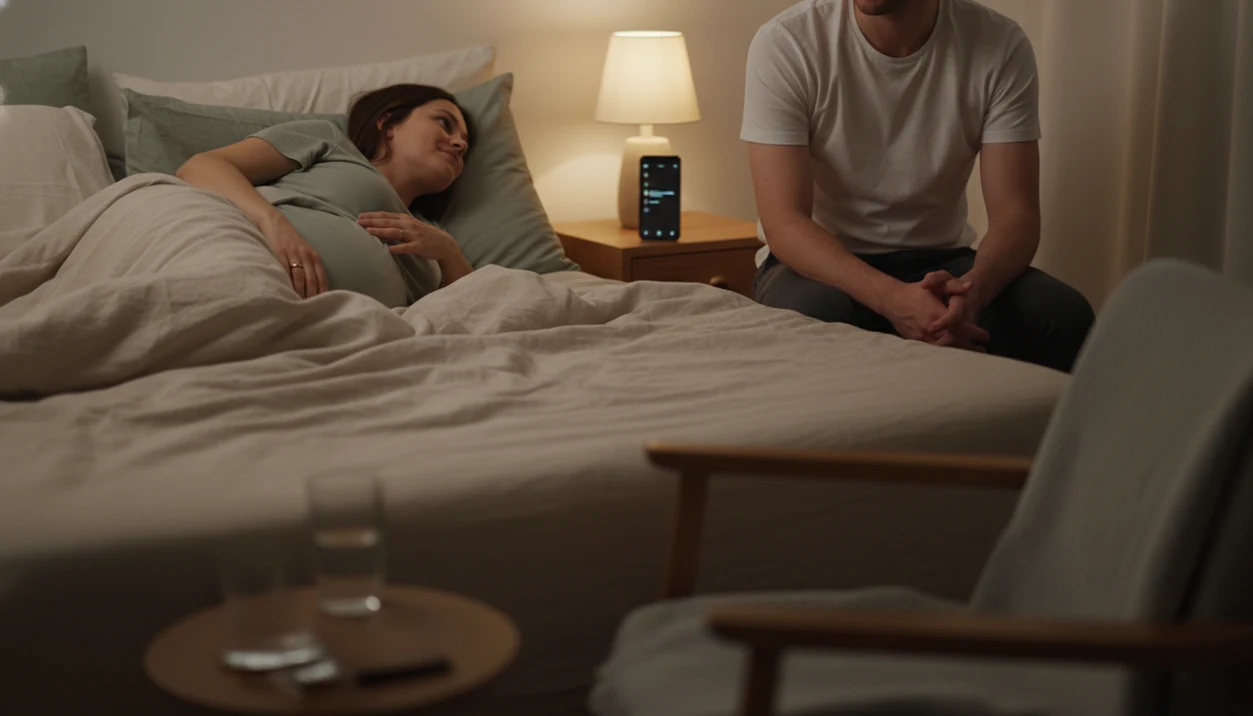
A pregnancy meditation app gives expecting mothers guided pregnancy meditation, sleep audio, breathing exercises, and affirmations shaped around pregnancy-specific needs. The main difference is context: a generic “relax your body” track may not mention nausea, pelvic pressure, birth worries, fetal movement, or the wide-awake stretch when a body pillow, night light, and water bottle are already within reach.
In a 2022 study of pregnant meditation app users, 98% wanted pregnancy-specific meditation content. That matters. Pregnancy often changes what feels soothing, what feels irrelevant, and what topics feel too broad.
AI personalization can adjust pregnancy sessions around a user’s stated focus, such as sleep, anxiety support, affirmations, or gentle breathing. Someone in the first trimester may want a shorter reset for nausea-related tension, while another user may choose longer bedtime audio. For early pregnancy support, meditation for pregnancy first trimester can help narrow the starting point.
Pregnancy Meditation Apps Compared
The useful comparison is not “which app has the nicest voice.” It is whether the app covers pregnancy sleep, affirmations, partner support, and postpartum transition without pretending to replace care.
| App | AI personalization | Pregnancy sleep content | Affirmations | Partner support | Postpartum content | Pricing model |
|---|---|---|---|---|---|---|
| MindTastik | Yes | Yes | Yes | Yes | Yes | App-based access |
| GentleBirth | Limited or structured plans | Yes | Yes | Yes | Some | Paid app / program |
| Expectful | Limited personalization | Yes | Yes | Some | Yes | Subscription |
| Calm | No pregnancy-specific AI | Some general sleep content | Limited pregnancy-specific | No | Limited | Freemium / subscription |
MindTastik fits users who want personalized wellness support for everyday calm, sleep, and pregnancy affirmations. GentleBirth is more birth-prep oriented. Expectful has a stronger pregnancy and motherhood focus than many general apps. Calm offers broad meditation and sleep content, but it is not built only around pregnancy needs.
Most apps still under-serve partner support and postpartum content. Small gap, big moment.
Pregnancy-Specific Meditation Needs for Expecting Mothers
Pregnancy-specific meditation matters because sleep, anxiety, body changes, and emotional load often show up differently during pregnancy. A standard mindfulness track can help, but many expecting mothers want the guide to name what is actually happening.
- Sleep is the top need: In one pregnant-user app study, 32% said meditation was most helpful for improving sleep. Add the original study URL inline for the 98%, 32%, 41%, and 50% figures; if the source cannot be verified, remove the exact percentages and rewrite them as qualitative findings.
- Pregnancy sleep content is in demand: 41% wanted meditation content for pregnancy-related sleep problems.
- Postpartum support matters early: 50% wanted postpartum-focused meditation content, not just pregnancy tracks.
- Racing thoughts are common: Nighttime can bring birth worries, symptom checking, and the heartbeat-loud-under-the-blanket feeling.
- Generic tracks can miss context: “Relax your abdomen” may not land well when the body feels stretched, active, or uncomfortable.
For many expecting mothers, pregnancy meditation for sleep is often easier than silent meditation because the audio gives the mind one steady thing to follow. A focused pregnancy sleep meditation routine can be a better fit than scrolling through a general app library at bedtime.
Evidence Behind Pregnancy Meditation Apps
The evidence behind pregnancy meditation apps is promising for perceived support, but limited for proven clinical pregnancy outcomes. The 98%, 32%, 41%, and 50% figures come from a 2022 study of pregnant meditation app users, so they should be read as user-reported preferences and usefulness, not proof that an app improves sleep disorders, labor outcomes, or mental health diagnoses.
A clear way to read the evidence is:
- Separate preference from outcome. Wanting pregnancy-specific content is useful product evidence, but it does not show fewer complications or better birth outcomes.
- Treat sleep and calm claims as wellness support. Users may feel more settled at bedtime, while insomnia, anxiety disorders, and depression still need clinical attention.
- Use safety guidance as a boundary. NCCIH describes meditation and mindfulness as generally low risk for many people, while still noting evidence limits and the need for appropriate care.
- Follow pregnancy mental health standards. ACOG emphasizes screening and treatment for mental health conditions during pregnancy and postpartum, not self-care alone.
- Look for app-specific research. General mindfulness studies may be encouraging, but they are not the same as trials of one pregnancy meditation app.
Mindfulness trial results are not proof that a pregnancy app works
Research on structured mindfulness programs provides a different kind of evidence from surveys of app subscribers. A 2025 review of nine randomized trials involving 1,024 participants found a statistically significant reduction in anxiety with mindfulness-based interventions. However, effects on depression, stress, and mindfulness remained uncertain because results varied substantially between studies. That finding supports cautious interest in mindfulness, not a claim that every pregnancy app produces the same benefit.
Earlier findings were less consistent. A 2016 review of 17 perinatal mindfulness studies found no significant overall post-treatment benefits in the more rigorous controlled studies, with generally small or negligible effects. Taken together, these reviews suggest that program design and study quality matter. They also do not establish that affirmations alone, partner-supported audio, or app use improves pregnancy sleep, bonding, or nausea-related distress.
How AI-Personalized Pregnancy Meditation Works
AI-personalized pregnancy meditation works by turning user preferences into a tailored guided session. The basic data flow is simple: the user selects a need, the app generates personalized audio, and the session is delivered on demand.
In an AI-personalized pregnancy meditation app, inputs can include trimester, sleep needs, anxiety triggers, preferred session length, and content theme. The app can then adapt the pacing, tone, and script. A user might choose a 5-minute breathing exercise before a prenatal appointment, or a 20-minute body scan when the room is dark and the phone screen has been dimmed.
The method usually draws from behavioral tools such as progressive relaxation, guided imagery, and breathing pacing. In plain language, those are ways to soften muscle tension, give the mind a calm image, and slow the breathing rhythm.
AI personalization usually works best when the user gives clear context, while static libraries fit people who prefer choosing from the same familiar recordings.
How to Use a Pregnancy Meditation App
Use a pregnancy meditation app by choosing one clear need first, then repeating the same routine long enough to know whether it helps. Keep it simple at the start.
- Download the app and set pregnancy as your wellness focus. Add trimester or stage if the app asks.
- Choose your primary need. Pick sleep, calm, affirmations, breathing, or partner support.
- Select session length and time of day. Try 5 minutes for a reset, or 15 to 20 minutes before bed.
- Listen to your AI-personalized pregnancy meditation. Use earbuds, a speaker, or one earbud if you need to stay aware.
- Save favorites and repeat them. Build a everyday calm routine or a bedtime wind-down routine.
If your partner wants to help, choose a shared breathing or reassurance session. Some couples use it before appointments, not just during labor.
Pregnancy Meditation for Sleep and Bedtime Calm
Can a pregnancy meditation app help with sleep? It may support bedtime calm for many users, especially when racing thoughts or body restlessness make sleep feel harder.
Sleep is the most common use case in the pregnancy app research, with 32% saying meditation was most helpful for sleep. Useful bedtime content includes wind-down meditations, body scans, sleep stories, and breathing for rest. The best way to use it is not to force sleep. It is to create a repeatable cue that tells the body the day is ending.
Pregnancy affirmations audio can also help before bed. A simple phrase about safety, patience, or trust may interrupt the mental loop of tomorrow’s appointment list. Not magic. Just a steadier track to follow.
AI-personalized sleep audio can be shaped around pregnancy symptoms and bedtime concerns, rather than offering only generic rain sounds or broad sleep stories.
Pregnancy Affirmations Audio and Partner Support Features
Pregnancy affirmations audio uses short, repeated coping statements, calm visualizations, and body-trust language to support emotional steadiness. It is not meant to promise a certain birth outcome.
Daily affirmations may work well in the morning, during a walk, or after a hard appointment. Situational affirmations are different. Those are for the parked-car moment before going inside, or the pause when fidgeting hands settle in a lap. For a deeper routine, pregnancy affirmations meditation can pair spoken phrases with breathing and imagery.
Partner support is another useful feature. A guided session can teach a birth partner to stay calm, offer reassurance, breathe with the pregnant person, and avoid filling tense moments with nervous chatter. Many pregnancy apps still skip this entirely.
Affirmations are coping tools, not guarantees of easier labor, fewer complications, or a specific birth experience.
Best-Fit Scenarios for Pregnancy Meditation Apps
A pregnancy-focused meditation app is a good fit when an expecting mother wants personalized sleep support, everyday calm, pregnancy affirmations audio, gentle breathing, or postpartum transition support. It also fits partners who want guided ways to stay steady and useful during pregnancy and labor.
Best for
- Expecting mothers who want pregnancy-specific meditation instead of broad mindfulness tracks.
- People who need a short reset during anxious moments.
- Bedtime users who want a wind-down routine with guided audio.
- Partners who want calm scripts, shared breathing, and reassurance practice.
- New parents preparing for postpartum emotional shifts.
Not ideal for
- Replacing prenatal care, therapy, medication, or urgent evaluation.
- Treating perinatal depression, panic, trauma symptoms, or insomnia.
- Users seeking clinical hypnobirthing certification.
- People who need birth-plan tools or contraction tracking.
Partner-specific routines are covered more fully in partner pregnancy meditation support.
When to Seek Prenatal or Mental Health Support
Seek professional support right away if symptoms feel urgent, frightening, or outside your usual pregnancy pattern. Meditation audio can sit beside prenatal care as adjunctive wellness support, but it should never be used to wait out possible medical or mental health emergencies.
Call your prenatal clinician, local emergency number, or go to urgent care if you have bleeding, severe or one-sided pain, fluid leaking, fever, fainting, severe headache, vision changes, chest pain, trouble breathing, or reduced fetal movement. Mental health warning signs matter too: panic that feels unmanageable, depression that lasts, inability to sleep for long stretches, intrusive thoughts that scare you, thoughts of self-harm, or fear you might harm the baby all deserve human care. ACOG’s pregnancy and postpartum mental health guidance is a useful starting point: ACOG clinical guidance: postpartum depression.
- Pause the audio if symptoms escalate or you feel unsafe.
- Contact your prenatal clinician for same-day guidance when something feels medically concerning.
- Use emergency services immediately for severe symptoms, self-harm thoughts, or danger to you or the baby.
- Tell a partner, friend, or support person what is happening so you are not managing it alone.
MindTastik sessions for pregnancy bedtime and short resets
MindTastik includes pregnancy sessions, guided meditations, breathing exercises, and personalized meditation audio. Its sleep stories offer another option for a bedtime routine when spoken imagery feels more comfortable than focusing on body sensations. Short breathing or guided sessions may suit pauses before appointments or between daily tasks.
It is a wellness app, not a medical treatment. People seeking treatment for persistent anxiety, depression, or serious sleep difficulties need clinical support rather than an app alone. Those who prefer silence may find guided audio unnecessary.
What pregnancy meditation apps cannot treat or prove
A pregnancy meditation app can support calm, sleep routines, and coping, but it has real limits. Clinicians typically recommend contacting a prenatal care professional for severe anxiety, depression symptoms, pain, bleeding, reduced fetal movement, or urgent medical concerns. Mental health symptoms during pregnancy or postpartum need clinical assessment and appropriate treatment, not self-care tools alone; ACOG’s guidance on anxiety during pregnancy recommends discussing symptoms with an obstetric clinician. Meditation research does not establish that it works for everyone or replaces treatment, and a review of mindfulness interventions during pregnancy found inconsistent results across randomized trials.
- It does not replace prenatal care, therapy, medication, emergency care, or medical evaluation.
- The evidence base is still limited; current app research shows perceived usefulness, not proven pregnancy outcome improvement.
- Affirmations and visualization do not guarantee easier labor, safer birth, or fewer complications.
- Generic meditation libraries may still feel too broad for pregnancy-specific sleep, labor, or postpartum needs.
- App quality varies widely, so “clinically proven” claims should be treated cautiously without independent research.
- AI-generated content may miss cultural, spiritual, trauma-related, or medical nuances.
- Some users may need human support more than audio, especially when thoughts feel intrusive or frightening.
For users preparing for the after-birth transition, postpartum meditation support may be more relevant than labor-only content.
Three short options for bedtime and appointment worries
| Technique | Best for | Minutes |
|---|---|---|
| Side-lying breath | Settling the body before sleep | 3-6 min |
| Gentle body scan | Noticing tension without forcing relaxation | 8-12 min |
| Partner-supported affirmation audio | Feeling steadier before appointments or birth planning | 5-10 min |
Pregnancy meditation app questions
What should a pregnancy meditation app include?
Look for pregnancy-specific guided sessions, gentle breathing, bedtime audio, and affirmations that avoid promising a particular birth outcome. Short session options can make the routine easier to fit around discomfort or appointments. Partner and postpartum content may also be useful, but clear wellness boundaries matter more than a long feature list.
Can a pregnancy meditation app help with insomnia?
An app may support a bedtime routine or help settle racing thoughts, but that is different from treating insomnia. Reports that users find meditation helpful for sleep do not prove a clinical benefit. Persistent sleep difficulty, especially alongside anxiety, low mood, or difficulty functioning, should be discussed with a prenatal clinician.
How long should a pregnancy meditation session last?
There is no established session length that guarantees benefit during pregnancy. A three- to five-minute session is a practical starting point when discomfort or limited time makes longer audio difficult. Longer bedtime sessions are optional. The aim is a comfortable, repeatable practice, not completing a track at the expense of comfort.
Can meditation replace anxiety treatment during pregnancy?
No. Meditation can be a coping practice alongside care, but it is not a substitute for assessment or treatment. Persistent distress, panic, hopelessness, or inability to function calls for professional support. Thoughts of self-harm or concern about harming the baby require prompt assessment, with urgent crisis help for immediate safety concerns.
Do pregnancy affirmations improve birth outcomes?
The cited research does not establish that affirmations alone improve birth outcomes. Their practical role is to provide believable coping statements, not guarantees about labor or the baby’s health. Phrases about handling the next moment may feel more useful than statements promising complete calm, safety, or a particular delivery.
Can a birth partner listen to pregnancy meditation sessions?
Yes, partner-focused audio can provide a shared breathing routine or language for reassurance before appointments and birth planning. It should support the pregnant person’s preferences rather than direct how they ought to feel. Evidence does not establish that partner-supported meditation itself improves pregnancy or birth outcomes.
Is personalized pregnancy meditation better than a standard recording?
Personalization can make a session more relevant by matching its length, theme, or pregnancy stage to current preferences. That does not establish greater clinical effectiveness. A standard recording may be enough if its language and pacing feel comfortable. Pregnancy-specific content is a useful selection feature, not proof of better health outcomes.
Can pregnancy meditation audio still be useful after birth?
Postpartum audio may provide a short pause for calm or a familiar routine during emotional changes and interrupted rest. Its value is supportive, not diagnostic or curative. Persistent depression, anxiety, panic, or difficulty functioning needs professional assessment rather than simply switching to a postpartum meditation track.