
Mindfulness Benefits for Teens: Sleep, Anxiety, Focus, and Everyday Calm
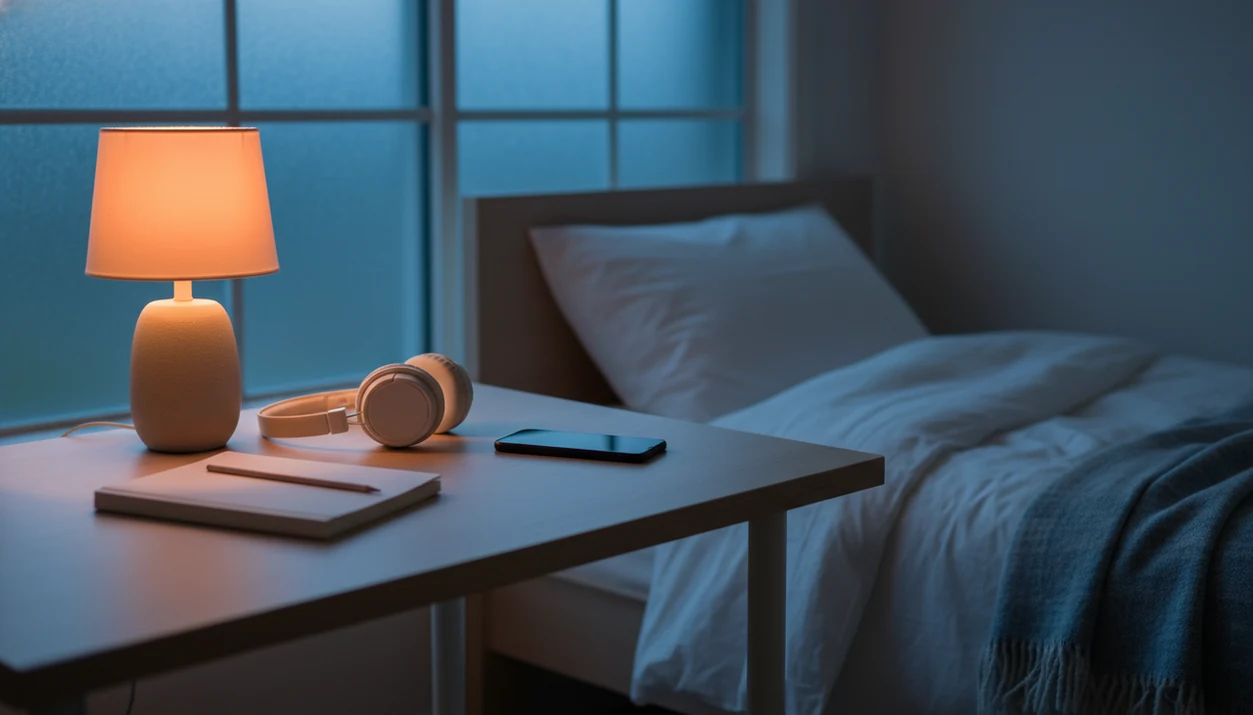


Mindfulness benefits for teens can include lower stress, better emotional regulation, steadier focus, and calmer sleep routines when simple skills are practiced consistently. Mindfulness means paying attention to the present moment with curiosity and without judgment, noticing thoughts, feelings, and body sensations before reacting. It is not a requirement to feel calm or stop thinking.
Short breathing exercises, grounding, body scans, and guided sleep meditation offer practical starting points without demanding long silent sessions. A teen might use these skills before homework, after a difficult conversation, or while settling for bed. Research suggests possible benefits for emotional well-being, but results vary. Mindfulness supports coping; it does not replace therapy, medication, crisis care, or help from a trusted adult.
The essentials
- Teen mindfulness works best as a practical skill: pause, breathe, notice, choose.
- Research links teen mindfulness programs with improvements in anxiety, depression, stress, well-being, focus, and resilience.
- Mindfulness is supportive, not a replacement for therapy, medication, crisis care, or trusted adult support when symptoms are serious.
Mindfulness Benefits for Teens at a Glance
The main mindfulness benefits for teens are calmer stress responses, better emotional awareness, improved focus, and stronger preparation for sleep. Research suggests these gains usually come from repeated practice over weeks, not one rushed session after a hard day.
A teen might use mindfulness before a quiz, after a friendship argument, or at 2:13 a.m. when the lock screen says they are still awake. The skill is the same: notice what is happening, slow the body, and choose the next response.
Small counts.
Guided meditation apps can help with consistency because they remove one decision. Instead of wondering what to do, a teen can choose a 5-minute breathing exercise, a body scan, or a sleep track and begin.
Five Mindfulness Benefits for Teens Guide Readers Should Know
- Mindfulness trains present-moment awareness. Teens practice noticing thoughts, feelings, body sensations, and surroundings without judging them as “good” or “bad.”
- Mindfulness can reduce emotional symptoms. Adolescent programs have been linked with lower stress, anxiety, and depressive symptoms, though results vary by program and teen.
- Mindfulness can support school focus. Returning attention to breath, sound, or a guided prompt may help concentration, classroom behavior, and study efficiency. For younger teens, mindfulness for middle schoolers can connect short attention practices with everyday classroom demands.
- Short exercises are more realistic. Breathing, grounding, journaling, body scans, and guided meditations fit better than long silent practice for many teens.
- Mindfulness works best as support. It can sit beside therapy, medication, school support, and family communication when a teen needs more care.
For younger siblings, a meditation for kids app may need shorter language and more parent involvement.
What Mindfulness Means for Teens in Real Life
Mindfulness for teens is the skill of noticing thoughts, emotions, body sensations, and surroundings before reacting. It is not clearing the mind, pretending to be calm, or ignoring real problems.
A teen may notice a tight chest before a sports tryout, a hot face during family conflict, or the pull to compare themselves after scrolling social media. Notifications keep coming. Mindfulness gives them one extra pause before snapping, shutting down, or spiraling.
Mindfulness for teens is a practical pause between what happens and what they do next.
That pause can matter with grades, friendships, online comments, and pressure to be constantly available. For a deeper teen-specific routine, meditation for teens sleep and stress covers guided practice options.
How Mindfulness Benefits for Teens Work in the Brain and Body
Mindfulness works by training the pause between a trigger and a reaction. A trigger might be a grade alert, a sharp text, a missed shot, or a parent asking one more question at the wrong time.
The core mechanism is attention training. Teens return attention to the breath, a sound, a body sensation, or a guided prompt. That return is the practice. Not staying calm forever. Returning.
Emotional regulation also matters. Naming “I feel embarrassed” or “I feel wired” can reduce automatic escalation because the teen is observing the feeling instead of becoming it. Clinicians typically recommend mindfulness as a coping skill, not as a replacement for mental health care when symptoms are severe.
Sleep benefits may come from reduced rumination and lower pre-bed arousal. Feet searching for a cool sheet while tomorrow’s meeting, exam, or message thread loops in the mind is familiar. A body scan gives the brain a quieter track to follow.
Research Evidence Behind Mindfulness Benefits for Teens
2019 school-based meta-analysis: A review of 33 randomized controlled trials reported small to moderate improvements in anxiety, depression, stress, and well-being in youth mindfulness programs. (Source: Dunning et al., 2019, Journal of Child Psychology and Psychiatry: source).
2017 secondary-school trial: A cluster-randomized trial of 408 students found an 8-week mindfulness program was linked with decreases in depression and anxiety and increases in life satisfaction. (Source: Raes et al., school-based mindfulness trial: source).
2016 at-risk adolescent review: A systematic review of 20 programs for at-risk adolescents found reduced depressive symptoms and increased well-being compared with controls.
2014 child and adolescent review: A review found positive effects on cognitive performance, stress resilience, and emotional problem measures. (Source: Zenner et al., 2014, Frontiers in Psychology: source).
The evidence is promising, but not uniform across all teens or all programs. Program quality, teacher skill, teen choice, and practice length all matter. For anxious younger children, meditation for anxious kids needs even more adult guidance. For younger children, learning how to teach empathy can complement mindfulness through naming feelings and practicing considerate responses.
How to Use Mindfulness Benefits for Teens Tips Daily
Use mindfulness in small, repeatable moments. Teens are more likely to stick with a routine when it fits an actual day, not an ideal one.
- Start the morning with three slow breaths before checking messages.
- Choose a 5-minute breathing exercise before homework, especially when the page looks impossible.
- Pause after social media stress and name five things you can see, four you can feel, and three you can hear. Families can also practice grounding outdoors with nature mindfulness activities for families, noticing nearby sounds, textures, and colors together.
- Write one sentence at night about what felt hard and what helped.
- Play a short body scan, calming audio, or guided session before sleep.
Tools like MindTastik can offer guided meditation, sleep audio, breathing exercises, and everyday calm support for adults and families, but they should not be framed as clinical treatment for teens.
The most useful teen mindfulness routine is short, specific, and easy to repeat because consistency matters more than session length.
Responding to mistakes without adding self-criticism
Self-compassion gives mindfulness a concrete use after a disappointing grade, an awkward conversation, or a missed goal. The aim is not to insist that everything is fine. A teen can notice the feeling, describe what happened without an insult, and consider the same balanced response they would offer a friend. This keeps the exercise focused on responding to a mistake rather than forcing a positive mood.
Evidence for related practices is promising but limited. A 2022 systematic review of kindness- and compassion-based meditation in young people found improvements in 47% of the well-being outcome measures studied. That figure describes measures, not the percentage of teens who benefited. Effects were small to medium, and study quality and results varied. These exercises are supportive skills, not a guaranteed treatment for anxiety or depression. For a shared approach, kindness practice for families offers another way to practice caring responses alongside mindfulness.
Best For and Not For: Mindfulness Benefits for Teens Guide
Mindfulness is a good fit for everyday regulation, but it is not the right tool for every situation. Teens engage more when they can choose the style and duration.
| Fit | Examples |
|---|---|
| ✅ Best for | Everyday stress, test nerves, pre-sleep worry, homework focus, emotional awareness, digital overwhelm |
| ❌ Not for | Active self-harm risk, severe depression without professional support, coercive family use, replacing therapy or medication |
A teen who says, “I just need something to play when my thoughts get loud,” may do better with guided audio than a parent-led lecture. Choice lowers resistance.
Mindfulness Benefits for Teens and Better Sleep Routines
Does mindfulness help teens sleep better? Pre-bed mindfulness can help some teens reduce rumination, body tension, and mental replay, but it should not be described as a cure for insomnia or mental health issues.
Sleep-friendly options include a body scan, slow breathing, calming audio, a gratitude note, or a phone-down reset. The tiny step of dimming the screen before bedtime audio helps signal that the day is closing.
Image caption suggestion: Teen using headphones for a short guided breathing exercise before bed, showing mindfulness benefits for teens in a nighttime routine.
MindTastik has a center of gravity around sleep audio, breathing, meditation, self-hypnosis, anxiety support, and everyday calm for adults. For younger children, bedtime meditation for children should stay simpler and more parent-supported. Families with very young children can try short meditation for toddlers with simple prompts and close adult support.
When to Seek Professional Help for Teen Stress or Anxiety
Seek professional help when stress or anxiety starts disrupting school, sleep, relationships, eating, daily routines, or a teen’s sense of safety. Mindfulness can support care, but it should not delay treatment when symptoms are serious or escalating.
Everyday stress may look like nerves before a test, irritability after a hard day, or trouble settling after a conflict. More concerning patterns include panic that keeps returning, weeks of low mood, missed school, major sleep changes, intense withdrawal, substance use, or a teen saying they feel trapped, hopeless, or like people would be better off without them. Thoughts of self-harm, suicide, reckless crisis behavior, or sudden isolation need immediate attention.
- Ask calmly and directly what is happening, including whether they have thoughts of harming themselves.
- Contact a pediatrician, family clinician, therapist, or school counselor for guidance and next steps.
- Stay with the teen and reduce access to obvious means of harm if safety feels uncertain.
- Call emergency services or a local crisis line if there is immediate danger, a plan to self-harm, or behavior that feels out of control.
Breathing exercises can wait. Safety and connection come first.
Guided audio for homework breaks and bedtime
MindTastik’s guided meditations, breathing exercises, and focus sessions offer options for teens who prefer an audio prompt to silent practice. Its guided meditation library can provide a starting point for a homework break or an evening routine; sleep stories and soundscapes offer other bedtime options. The teen should have a say in the format. Those who dislike guided audio can choose grounding or a written reflection instead. Persistent anxiety, depression, or major sleep disruption calls for professional support, not an app alone.
What teen mindfulness can and cannot help with
Mindfulness has real promise, but the limits matter.
- Teen mindfulness research is less extensive and less standardized than adult mindfulness research.
- Not every teen benefits; some feel bored, restless, awkward, or pressured.
- Benefits may fade if practice stops, similar to fitness training.
- Mindfulness is not an emergency tool for self-harm, suicidal thoughts, severe depression, or crisis situations.
- Apps are supportive tools, not replacements for therapy, medication, school support, family communication, or medical care.
- Long silent practice can feel uncomfortable when it is poorly taught or forced.
- Family pressure can backfire if mindfulness becomes another performance task.
If a teen is at risk of harming themselves or cannot function day to day, contact local emergency services, a crisis line, or a qualified mental health professional. Mindfulness can wait. Safety comes first.In the U.S., the 988 Suicide & Crisis Lifeline is available at source. Outside the U.S., use local emergency services or a trusted crisis resource in your country.
Teen mindfulness questions
What does mindfulness mean for teenagers?
Mindfulness means noticing present thoughts, feelings, body sensations, and surroundings without immediately judging or reacting to them. For a teen, that might mean recognizing embarrassment after a comment or tension before a test. The goal is a pause that allows a more deliberate response, not an empty mind.
Does mindfulness help teenage anxiety?
Mindfulness may help some teens manage everyday worry and stress, but benefits vary. It is better framed as a coping skill than a treatment on its own. Anxiety that persists for weeks, causes missed school, or disrupts sleep and relationships needs assessment by a health professional.
Can mindfulness improve focus at school?
Mindfulness practices involve returning attention to a breath, sound, or guided prompt after distraction. That skill may support concentration during homework or lessons, but it does not guarantee better grades. A short practice before studying can be one part of a routine rather than a substitute for school support.
Can mindfulness help a teen fall asleep?
A body scan, slow breathing, or calming audio may help some teens settle body tension and repetitive thoughts before bed. These practices are not a cure for insomnia. Ongoing trouble sleeping, major changes in sleep, or sleep problems alongside low mood or anxiety deserve professional attention.
What mindfulness exercises can teens try without an app?
Options include taking three slow breaths, noticing five things in view, naming a feeling, or writing one sentence about what felt hard and what helped. A body scan is another option before bed. Teens can choose the exercise that feels manageable rather than treating every method as a requirement.
What if a teenager dislikes meditation?
Boredom, restlessness, awkwardness, or feeling pressured can make meditation a poor fit. A teen can try grounding, a brief written reflection, or a shorter exercise instead. Mindfulness should not become a forced family activity or a demand to appear calm during a real disagreement.
When is mindfulness not enough for teen mental health?
Professional help is needed when symptoms last weeks or months and interfere with home, school, or friendships. Self-harm, suicidal thoughts, severe withdrawal, or major sleep and eating changes need prompt attention. In the United States, call or text 988 for crisis support; imminent danger requires emergency services.