
Mindful Minute for Students: A Practical Classroom Guide
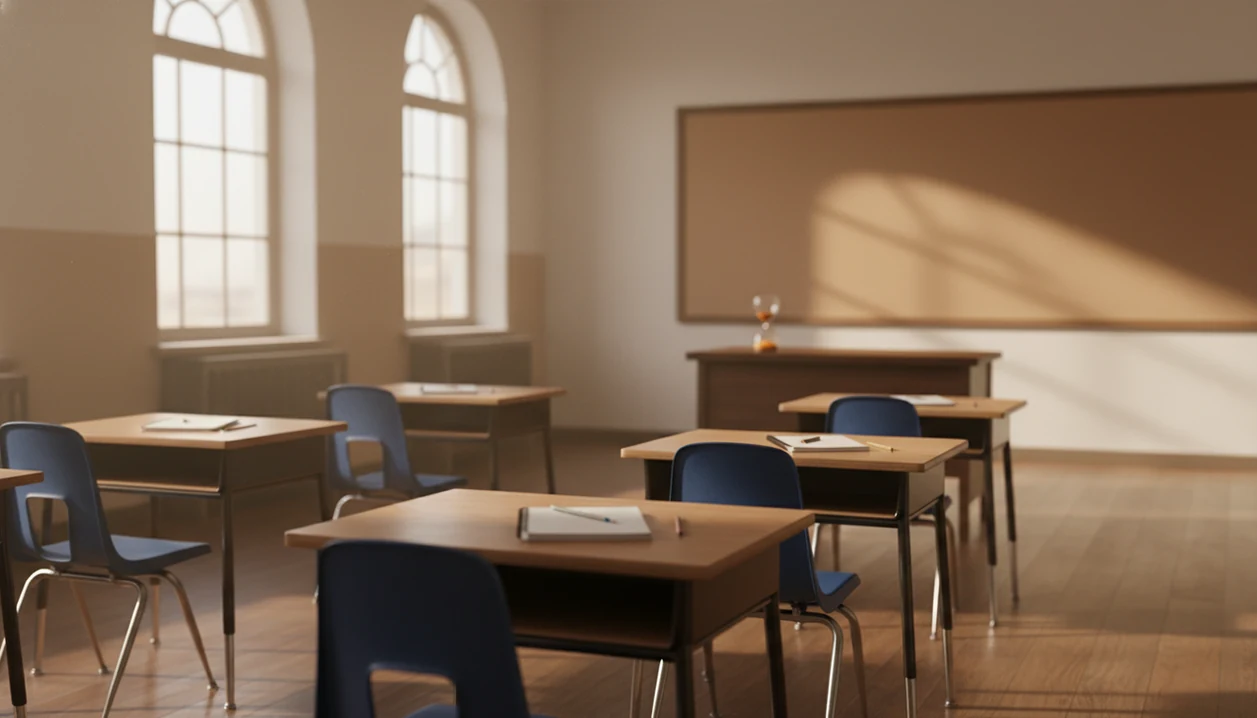


A mindful minute for students is a 60 to 180 second classroom pause focused on breathing, body sensations, sounds, or a simple guided prompt to reset attention before returning to learning. It is a brief, secular, skills-based exercise, not a counseling session or a full meditation lesson. The aim is to practice noticing distraction and returning attention to one chosen focus, rather than making every student feel calm.
Predictable moments work well: the start of class, after recess, before a test, or between subjects. Students should have choices, including keeping their eyes open, listening instead of following their breath, or gently stretching. Repeated practice may support attention, emotional regulation, and classroom readiness, but a short pause cannot replace teaching, safeguarding, or mental health support. For older students, social emotional learning for teens can place attention practice alongside communication, empathy, and emotional awareness.
Mindful Minute for Students Guide: Five Classroom Facts
- A mindful minute is a 1-3 minute reset, not a full meditation lesson or counseling activity.
- Teachers often use it at the start of class, between subjects, after lunch, after recess, or before tests.
- School mindfulness research links repeated practice with attention, mood, stress, executive function, and behavior support. A 2014 systematic review of school-based mindfulness programs found small-to-moderate improvements in cognitive performance, resilience, and stress outcomes, while noting variation across studies: source.
- Evidence is promising but mixed; results depend on teacher training, student choice, classroom fit, and consistency.
- The MYRIAD school mindfulness trial included 3,668 students and found limited or mixed effects across mental health and wellbeing outcomes, which is why classroom mindful minutes should be treated as support skills rather than treatment: source.
For students, the useful part is often simple. One quiet minute after a noisy hallway can mark the shift from movement to learning. The chair stops scraping. Pencils come out.
Short classroom resets work best when they feel ordinary, not special or dramatic.
School program findings do not prove a one-minute effect
Research on school mindfulness usually evaluates programs, not an isolated classroom minute. A 2023 review of school adjustment found small effects on overall school adjustment and academic performance, with small-to-moderate effects on attention. That distinction matters: attention practice may be a useful supplement, but the evidence does not establish a one-minute exercise as a stand-alone way to improve grades.
The reviews also describe substantial differences in program quality and outcomes. Schools can evaluate a routine using attendance, behavior, classroom climate, and well-being measures rather than assuming quiet students are benefiting. Staff training and referral pathways matter alongside the exercise itself. Average benefits across programs do not mean every student will respond well, or that a particular breathing script will produce the same results.
How Mindful Minute for Students Works in the Brain and Classroom
A mindful minute works by giving students one attention anchor, such as breath, sound, feet on the floor, or a short phrase. When the mind wanders, students notice it and come back. That is attention training in plain form.
The skill is not that students stay perfectly calm. The skill is noticing distraction or tension and returning to one chosen anchor without shame. Teachers can also help teens build self-worth by recognizing effort and treating distraction as normal rather than failure.
In the classroom, this supports nervous-system settling. Slower breathing and stillness can reduce the feeling of rushing, which may help students re-enter a lesson with more readiness. It does not erase stress. It gives the body a small cue that the moment has changed.
Repetition matters more than one perfect session. A daily 60-second reset after recess can become familiar enough that students know what to do without a long explanation.
For many classrooms, a predictable mindful minute is easier than asking students to “calm down” because it gives them a specific action to practice.
How to Use a Mindful Minute for Students in Class
Use a mindful minute at the same point in the day, and keep it short enough that students trust it will not drag. A calendar bell, the end of recess, or the first minute after backpacks settle can all work.
- Set a predictable time, such as the first minute of class or the minute before a quiz.
- Invite students to choose eyes open, eyes closed, looking down, listening, stretching, or breathing. For students with difficult experiences, mindfulness for students with trauma should emphasize choice, predictability, and permission to stop.
- Guide one simple anchor: “Notice your breath,” “Listen for three sounds,” or “Feel your feet.”
- Pause for 30-60 seconds without adding too many words.
- Close with a clear cue: “Take one quiet breath, then open your notebook.”
- Repeat the routine often, instead of changing the exercise every day.
Some classes need movement first. A small shoulder roll before sitting can help.
Mindful Minute for Students Scripts for Breathing, Listening, and Gratitude
These scripts are secular, classroom-safe, and easy to adapt for elementary or middle school students. None require closed eyes or personal sharing.
One-minute belly breathing script
“Sit in a way that feels steady. You can look down, look at one spot, or close your eyes if you want. Put one hand on your belly or leave both hands on the desk. Breathe in slowly and notice your belly move. Breathe out and let your shoulders soften. Try three more quiet breaths.”
One-minute sound safari script
“Keep your body still enough to listen. Notice one sound close to you. Now notice one sound farther away. Now notice the quietest sound you can hear. If your mind starts thinking about something else, gently come back to listening.”
One-minute gratitude script
“Think of one small thing that helped you today. It might be a person, a pencil, a snack, a game, or a moment outside. You do not have to say it aloud. Just notice it quietly, then take one calm breath.”
For younger children, pair these with parent and child breathing exercises at home.
Mindful Minute for Students Tips for Tests, Recess, and Transitions
Different classroom moments need different anchors. Breath focus can help some students, but it may feel uncomfortable for others. Listening, stretching, or noticing feet on the floor are good non-screen options.
| Classroom moment | Goal | Best-fit exercise |
|---|---|---|
| Before a test | Focus attention | Three slow breaths or finger counting |
| After conflict | Lower intensity | Feet on floor and quiet listening |
| After recess | Settle movement | Shoulder roll, stretch, then sound focus |
| Between subjects | Mark a shift | One-minute desk reset |
| End of day | Closure | Gratitude or kindness reflection |
Before tests, keep the prompt neutral. “Notice one breath” lands better than “Don’t be nervous.” After recess, movement-based anchors often fit better because bodies are still buzzing.
Families who want evening versions can use bedtime meditation for children as a slower home routine.
Mindful Minute for Students Boundaries for Tests, Recess, and Distress
A mindful minute is a classroom readiness tool. It should not become a punishment, a compliance test, or a way to make distress invisible. Inclusive classrooms can offer mindfulness for LGBTQ youth without asking students to disclose their identities or personal experiences.
| Best for | Not for |
|---|---|
| Transitions | Punishment |
| Mild stress | Forced compliance |
| Refocusing | Crisis response |
| Classroom routine | Serious untreated anxiety or trauma |
| Everyday calm skill-building | Replacing counseling or family support |
Students should not be required to close their eyes, sit completely still, or perform calmness for adults. Some will look down. Some will listen. Some may need a quiet drawing anchor instead.
If a student is crying often, panicking, withdrawing, or talking about safety concerns, the next step is not another mindful minute. It is support from the school counselor, caregiver, or a qualified professional. For home context, meditation for anxious kids can help families understand gentle support without making cure claims. Caregivers can explore mindfulness support for kids with trauma while seeking appropriate professional help for persistent distress.
Mindful Minute for Students at Home with MindTastik Support
Home practice can mirror the classroom without turning the evening into another assignment. A caregiver might say, “Let’s take three breaths before homework,” or play short audio before bed while the room gets quieter.
In this context, it fits as adult caregiver support, not school counseling, pediatric care, or a student treatment plan.
Parents can model calm by using short breathing, focus, or sleep audio themselves. A child notices when an adult dims the phone screen, sets the device down, and takes one minute before reacting. Tools like MindTastik may support that adult routine, while a family mindfulness routine keeps the shared practice simple.
Short audio for home practice, not classroom care
MindTastik’s breathing, focus, gratitude, and kids sessions can provide prompts for a short family pause before homework or during bedtime transitions. Caregivers can use the breathing exercises for their own reset without making a child participate. A teacher-led sound or feet-on-the-floor exercise is a better fit when audio would distract the class or breath focus feels uncomfortable. Students needing help with persistent distress need school or clinical support, not an app session.
What a classroom minute cannot address
Mindful minutes are useful, but they are limited. Teachers get better results when the practice is predictable, optional, and part of a wider classroom support plan.
- One-minute practices are not a cure for serious anxiety, depression, trauma, panic, or sleep disorders.
- Evidence is promising but mixed; large trials show small or inconsistent outcomes across different student groups.
- Rushed, irregular practice may do little because students never learn the routine.
- Some students dislike breath focus, stillness, silence, or closing their eyes.
- A mindful minute should not be used to avoid needed discipline, counseling, disability support, or family communication.
- Too much screen switching can distract from the skill, especially if the class spends more time choosing audio than practicing.
- Persistent distress, safety concerns, or major behavior changes call for school and professional support.
Clinicians typically recommend professional assessment when a child’s distress is persistent, impairing, or linked to safety concerns. Persistent sadness, withdrawal, severe anxiety, self-harm talk, or major behavior changes call for professional help; CDC child mental health guidance can be a starting point for caregivers and schools.
Mindful minute classroom questions
How long should a mindful minute last?
A classroom mindful minute usually lasts 60 to 180 seconds. It is a short attention reset, not a full meditation lesson. Keep the timing predictable and use one simple focus, such as sounds or feet on the floor, rather than filling the pause with several instructions.
What can a teacher say during a mindful minute?
Try a simple prompt: “Keep your eyes open or look down. Notice your feet on the floor. Listen for one nearby sound, then one farther away.” Leave a short pause, then give a clear return cue, such as opening a notebook. Students should be allowed to choose a quiet alternative.
When is the best time for a classroom mindful minute?
Useful times include the start of class, after recess, between subjects, and before a test. Choose a predictable point in the day so students know what to expect. After active play, a gentle stretch followed by listening may fit better than asking everyone to sit still immediately.
Do students have to close their eyes or focus on breathing?
No. Students can keep their eyes open, look at an object, listen to sounds, notice their feet, or stretch gently. Breath focus, silence, and stillness can be uncomfortable for some students. Participation should be optional, with a non-meditative alternative and no penalty for choosing it.
Does a mindful minute improve attention or grades?
School mindfulness reviews report attention benefits, but most evaluate broader programs rather than a single minute. A 2023 review found small effects on academic performance and small-to-moderate effects on attention. A mindful minute is best treated as supplementary attention practice, not a proven method for raising grades.
What if students laugh or talk during a mindful minute?
Perfect silence is not the goal. Keep the instructions brief, restate the available choices, and give a clear ending cue. Do not turn the pause into punishment or a test of obedience. If the format does not fit the class, try listening or gentle movement instead of insisting on stillness.
Is a mindful minute religious?
The classroom practice described here is secular: students attend to breathing, sounds, physical sensations, or a neutral prompt. Schools should explain its purpose and limits to families, respect religious and cultural concerns, and provide non-meditative alternatives. Calling an exercise secular does not remove the need for student choice.