
Mindfulness Practices for Everyday Life
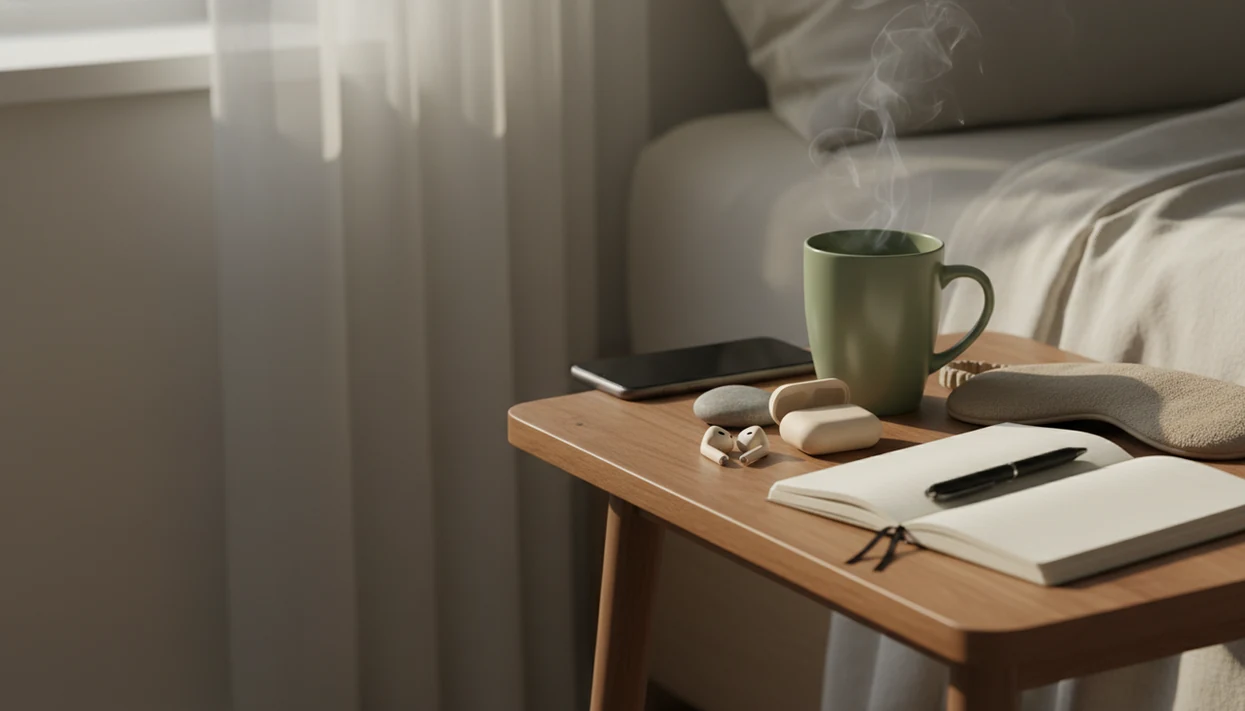


Mindfulness practices for everyday life are short, repeatable ways to notice breath, body, thoughts, emotions, and surroundings with calm, non-judgmental attention. Breathing, body scans, mindful walking, and bedtime wind-downs all offer an anchor for attention during ordinary moments. The aim is not to empty the mind, but to notice distraction and return to the activity or sensation at hand.
A practical starting point is one small practice attached to an existing routine, such as washing a cup, finishing work, or getting ready for bed. Start with 3 to 10 minutes rather than a long silent session. Choose a practice that fits the moment, and use guided audio when spoken instructions make it easier to stay with the exercise.
The essentials
- Start with 3 to 10 minutes, not long silent sessions.
- Use different practices for different needs: breath for anxiety, body scans for sleep, sensory grounding for work stress, and loving-kindness for relationships.
- MindTastik can support daily mindfulness with guided meditation, sleep audio, breathing exercises, and self-hypnosis sessions for adults who want sleep, anxiety, and everyday calm support.
10 daily mindfulness practices for everyday life
The best daily mindfulness practices are breath awareness, body scans, mindful walking, mindful eating, sensory grounding, loving-kindness, mindful listening, work pauses, transition rituals, and bedtime meditation. Beginners should choose one or two simple mindfulness practices first, instead of trying the whole list by tomorrow.
1. Three-minute breathing space
Notice one inhale and one exhale. Use it before calls, and add guided audio if counting feels slippery.
2. Five-sense grounding check
Name five things you see, then sounds, touch, smell, and taste. Try it during work stress.
3. Body scan before sleep
Move attention from forehead to feet. Best at night, especially with a slow voice track.
4. Mindful walking between tasks
Feel each step. Use hallways, parking lots, or the train platform.
5. Mindful eating at one meal
Take three quiet bites. Notice texture before checking your phone.
6. One-minute work reset
Drop your shoulders and breathe. A sunlight strip across a work notebook can become the cue.
7. Loving-kindness for relationships
Silently offer, “May we be steady.” Use it before hard conversations.
8. Mindful listening in conversations
Listen without preparing your reply. Try it with family or coworkers.
9. Phone notification pause
Before tapping, feel your hand and jaw. Small pause. Real practice.
10. Bedtime guided calm routine
Dim the screen, choose audio, and stay with the next instruction.
Mindfulness practices definition for daily routines

Mindfulness practices are simple habits that train present-moment awareness without judgment. They do not require an empty mind, a silent room, or a sudden wave of calm.
The practice is noticing that attention wandered, then returning it to breath, body, sound, or the task in front of you. That return counts. It’s not a mistake.
At home, mindfulness may look like feeling warm water while washing your face. At work, it may be one breath before sending a tense message. In relationships, it can mean listening without rehearsing a defense. At bedtime, it may be choosing a 20-minute body scan instead of scrolling through one more article. If you want a fuller foundation, our guide to what is mindfulness explains the concept in plain language.
Brain and body effects of mindfulness practices
Mindfulness practices work by training attention and lowering reactivity. You choose an anchor, notice wandering, and gently return, which builds a repeatable attention loop over time.
- Attention training: The basic sequence is anchor, wander, notice, return. That is the rep.
- Nervous-system downshifting: Slower breathing and body awareness can signal less urgency to the body.
- Emotional regulation: Repeated practice can make anxious thoughts easier to notice before they take over.
- Recovery time: Mindfulness may help some people return to steadiness faster after stress.
- Trait mindfulness: A 2012 meta-analysis of 142 studies found trait mindfulness was moderately to strongly linked with lower psychological distress and higher well-being (Personality and Individual Differences, 2012).
Clinicians typically describe mindfulness as a supportive skill, not a stand-alone treatment plan. The most common medically supported way to use mindfulness for distress is regular practice combined with appropriate professional care when symptoms are persistent, severe, or unsafe.
Research evidence for mindful practices on stress, anxiety, and sleep
Research on mindful practices is encouraging, but it is not magic. Study formats vary, and results usually depend on regular practice over weeks.
- A 2014 JAMA Internal Medicine meta-analysis of 47 randomized trials found small to moderate improvements in anxiety, depression, and pain compared with usual care (Goyal et al., 2014).
- A 2015 randomized clinical trial in adults with chronic insomnia found mindfulness meditation improved sleep quality and reduced insomnia-related daytime impairment (JAMA Internal Medicine, 2015).
- A 2018 randomized clinical trial found an 8-week smartphone-based mindfulness program reduced perceived stress and anxiety compared with a control condition.
- A 2016 review in college students reported reductions in anxiety and depression symptoms, plus improved well-being.
- Mindfulness research often studies structured programs, not a single rushed breathing exercise after a bad meeting.
For anxious beginners, short guided mindfulness is often easier than long silent practice because the next instruction gives the mind somewhere to land.
What a large workplace trial found about daily practice
A 2025 randomized trial involving 1,458 employees studied an app-based mindfulness program that prescribed 10 minutes daily for eight weeks. Compared with a wait-list control, the program reduced perceived stress and improved job strain. The effect on perceived stress was large, with a standardized effect size of 0.85, while the effect on job strain was smaller, at 0.34.
Participants who used the app for at least five minutes per day had greater stress reductions than those who used it less. That finding does not establish five minutes as a universal minimum or show that every app produces the same result. It supports making regular practice realistic, while keeping expectations tied to the study’s eight-week program rather than expecting one brief session to resolve ongoing stress.
5-step daily mindfulness routine for a normal day
A daily mindfulness routine works best when it is attached to things you already do. Don’t build a fantasy schedule; build one that survives a normal Tuesday.
- Set one morning intention before checking messages, such as “I’ll pause before reacting.”
- Pair one breath pause with a familiar action, such as opening a door, starting the car, or opening your laptop.
- Use a sensory reset during work by naming one sound, one color, and one body sensation.
- Practice one mindful transition between roles, such as work to home or parenting to rest.
- End with a guided bedtime session so the day closes with structure, not another scroll.
Short practices reinforce a guided calm routine rather than replacing it. Apps such as MindTastik, Calm, and Headspace can provide guided meditation, sleep audio, breathing exercises, and self-hypnosis when you want a voice to follow. For a slower beginner plan, use our first week mindfulness plan.
Simple mindfulness practices for home, work, and bedtime
The right practice depends on where you are and what your nervous system needs. Use this table to compare your options without turning mindfulness for everyday life into another decision spiral.
| Situation | Practice | Time Needed | Best For | Try This Cue |
|---|---|---|---|---|
| Home | Feel your feet on the floor | 1 minute | Re-entering the room | “Both feet, one breath.” |
| Commute | Count five exhales | 2 minutes | Evening decompression | Use a train seat or stoplight. |
| Desk work | Name three sounds | 60 seconds | Mental clutter | Pause before opening a new tab. |
| Difficult conversation | Relax jaw and listen | 30 seconds | Reactivity | Breathe before replying. |
| Evening anxiety | Hand on chest breathing | 3 minutes | Racing thoughts | Lower the lights first. |
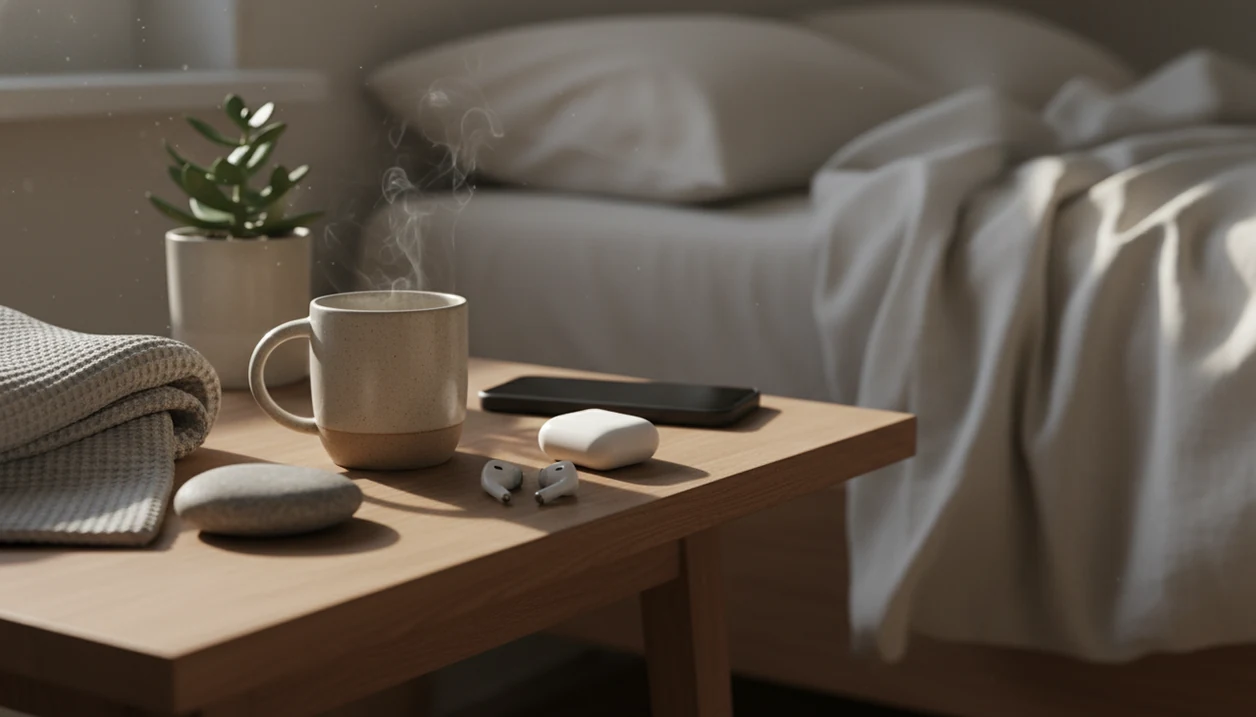
| Bedtime | Body scan with audio | 10 to 20 minutes | Wind-down routine | Place earbuds on the nightstand. |
Image caption suggestion: A calm adult using headphones for a guided mindfulness practice before sleep.
Mindfulness practices for sleep, anxiety, focus, and relationships
Different goals call for different mindful practices. Breath work, body scans, sound meditation, and loving-kindness all train attention, but they do not feel the same in real life.
| Practice | Best for | Not ideal for |
|---|---|---|
| Breath-focused practice | Anxious arousal, quick resets, bathroom-stall breathing before a meeting | People who feel more discomfort when focusing on breath |
| Body scan | Sleep, physical tension, and a slower wind-down routine | Nights when lying still feels irritating or agitating |
| Sound-based meditation | Beginners and people who say, “I just need something to play when my thoughts get loud” | People who need complete silence |
| Loving-kindness | Resentment, self-criticism, and relationship tension | Replacing direct repair, boundaries, or conflict resolution |
For sleep, body scans usually work best when you are already in bed, while breath-based resets fit people who need calm during the day.
Common mistakes with daily mindfulness practices
Most people quit daily mindfulness practices because they expect the wrong result. The point is not to stop thoughts; it is to notice thoughts without getting dragged into every one.
Another common misstep is saving mindfulness for the moment stress feels unmanageable. It is often easier to practice when the body is only slightly keyed up, such as noticing tight shoulders after checking messages, rather than trying to begin from full overload.
Starting too long also backfires. Five minutes done four days a week is usually more useful than one strained 40-minute session that makes you avoid the cushion. For a structured way to build consistency, try the 30 Day Meditation Challenge at a manageable pace.
Another trap is judging a session as failed because calm did not arrive immediately. Sometimes the win is simply noticing clenched shoulders.
Finally, mindfulness should not become avoidance. If you need a hard conversation, medical help, therapy, medication guidance, or crisis support, a breathing exercise should not be used to delay that care. If racing thoughts are your main barrier, our guide to mindfulness for racing thoughts may help you choose a gentler entry point.
Guided audio support for mindfulness in everyday life
Guided audio is helpful when you are new, anxious, tired, or trying to practice at bedtime. A recorded voice can reduce the “what do I do now?” feeling that makes beginners abandon mindfulness meditation after two minutes.
MindTastik offers guided wellness audio for adults, including meditation sessions, sleep support, breathing practices, and self-hypnosis tracks for everyday calm. Think of it as a helpful framework for relaxation and focus, not a substitute for medical care.
MindTastik fits this bedtime use case by giving tired beginners a repeatable voice-led body scan, breathing cue, or wind-down session when silence feels too open-ended, not by promising instant sleep.
Pair app support with small cues: a morning check-in after sitting up, a notification pause before tapping, an afternoon breathing exercise between meetings, or evening sleep audio under a closed door. The dim lamp beside wrinkled pillows is often the real starting line.
Ready to try a guided session? Choose one cue today, then repeat it tomorrow before adding more.
Guided sessions for work pauses and bedtime
MindTastik’s guided meditation library suits adults who prefer spoken instructions for a short daily practice. Breathing exercises can support pauses between tasks, while guided body scans and sleep audio offer structure for an evening wind-down.
People who prefer silence or find a recorded voice distracting may be better served by noticing sounds, walking mindfully, or practicing without audio. MindTastik is not a medical treatment, and persistent anxiety or sleep problems need more than an app routine.
What daily mindfulness cannot resolve
Mindfulness can support everyday calm, sleep habits, and stress recovery, but it has real limits. A good practice respects those limits instead of pretending everything can be breathed away.
- Mindfulness is not a quick fix; many studies use structured programs lasting several weeks.
- Benefits vary by consistency, practice type, stress level, sleep debt, and individual response.
- Mindfulness does not remove external stressors such as workload, money pressure, caregiving strain, or relationship conflict.
- Some people with trauma histories may feel more distress with prolonged inward focus and may need professional guidance.
- Mindfulness can support anxiety, sleep, and mood, but it should not replace medical care, therapy, medication decisions, or crisis support.
- App-based mindfulness evidence is promising, but it is still emerging and depends on engagement.
- Breath focus is not right for everyone. Sound, movement, or open-eye grounding may feel safer.
- If symptoms feel unmanageable, frightening, or connected to self-harm, seek urgent professional or local emergency support.
Keep it simple, but keep it honest.
When you want app-based guidance rather than reading steps alone, MindTastik guided meditation app collects the core guided library in one place.
Everyday mindfulness questions
How can I practice mindfulness while doing everyday tasks?
Choose one routine task, such as brushing teeth, washing up, or getting dressed. Notice a few sensory details: the temperature of water, the movement of a hand, or the feel of fabric. When attention shifts to planning or worrying, return to those details without criticizing the distraction.
Does one minute of mindfulness count?
Yes. A one-minute practice can involve observing natural breathing and gently returning attention when the mind wanders. It is a manageable way to practice noticing and returning. It should not be treated as equivalent to the structured, multiweek programs used in much of the research.
What is a simple mindfulness exercise to do at work?
Between tasks, pause and notice one sound, one color, and one bodily sensation, such as feet touching the floor. Another option is to observe a few natural breaths before opening email or replying to a difficult message. The pause creates a moment to notice tension before continuing.
Can walking be a mindfulness practice?
Yes. Use the sensations in the soles of the feet and legs as an anchor while walking at a slow or ordinary pace. Notice when attention wanders, then return to movement and contact with the ground. Walking may feel easier than sitting for people with an overactive mind.
What should I do if focusing on my breath makes me anxious?
Breath awareness is not the only option. Try noticing sounds, looking at objects around the room, or feeling the feet on the floor. Mindful walking offers a movement-based alternative. If inward attention increases distress, stop that exercise rather than forcing it, and seek professional support if the distress persists.
Which mindfulness practice is useful before bed?
A body scan can provide a quiet wind-down by moving attention through the body and noticing sensations without trying to fix them. Guided audio may help when choosing the next step feels tiring. If lying still feels agitating, choose a different gentle practice. Mindfulness does not guarantee sleep or replace insomnia care.