
Beginner Meditation Mistakes and How to Avoid Them
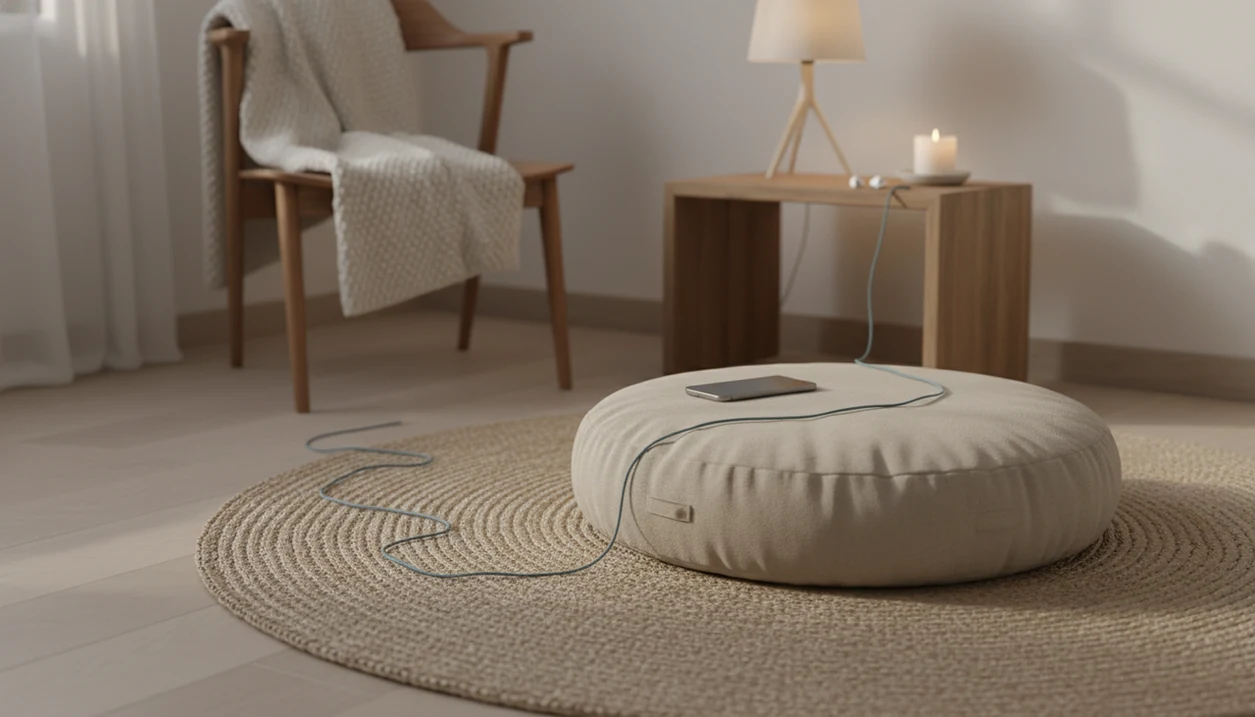


The biggest beginner meditation mistakes are trying to stop thoughts, expecting instant calm, sitting too long, ignoring comfort, and treating each session as a pass or fail. These are common expectations and setup choices, not evidence that someone cannot meditate. The basic skill is noticing distraction and gently returning to an anchor, such as breathing, body sensations, sound, or a guide’s voice.
Short guided sessions are usually easier to repeat than long, rigid sits without instruction. A comfortable position and a clear stopping point also make practice less demanding. MindTastik offers guided meditation, breathing exercises, sleep audio, and self-hypnosis, but those options serve different purposes. Learning to stay alert during meditation is not the same task as settling into bedtime relaxation.
The essentials
- Meditation is not about having an empty mind; noticing distraction and returning gently is the practice.
- Short guided sessions are usually more sustainable for beginners than long, rigid, self-directed sits.
- MindTastik supports beginner meditation with guided meditation, sleep audio, breathing exercises, and self-hypnosis sessions for adults who want sleep, anxiety, and everyday calm support.
The 5 Beginner Meditation Mistakes That Derail Practice
The most common beginner meditation mistakes are normal learning errors, not proof that you are “bad” at meditation. The fix is usually less force, less time, and more guidance.
- Forcing an empty mind: Replace “no thoughts” with “notice the thought, then return.”
- Chasing instant calm: Treat calm as a possible side effect, not the scorecard.
- Starting too long: Begin with 3 to 10 minutes before trying longer sessions.
- Ignoring posture and environment: Choose a chair, cushion, bed, or supported position that fits the goal.
- Grading every session: Stop asking whether it was good; ask whether you returned once.
A beginner with socked feet on a bedroom rug may feel restless after two minutes. That is still practice. Good meditation apps for sleep, anxiety, and everyday calm give structure and repeatable cues, not a magical switch that turns the mind silent.
How Beginner Meditation Works in the Mind and Body
Beginner meditation works by training attention through a simple cycle: choose an anchor, notice attention wandering, return gently, and repeat. The anchor may be the breath, body sensations, sound, or a guide’s voice.
When the body gets still, the mind often gets louder. Thoughts, restlessness, sleepiness, tension, and small aches become easier to notice because there is less external activity covering them up. That does not mean meditation caused the noise. It means attention finally has room to see it.
A late-night glance at the clock can feel familiar.
Benefits are gradual and variable, especially for anxiety, sleep, and everyday calm. A 2014 NIH-funded review found moderate evidence that meditation programs can reduce anxiety, but benefits were not consistently greater than active control treatments in research PubMed research: 24279879. Meditation can support care routines, but it should not replace medical or mental health care when symptoms are persistent or severe.
How to Use Guided Meditation to Avoid Beginner Mistakes
Guided meditation helps beginners avoid overthinking the practice because timing, pacing, and the focal point are already provided. MindTastik sessions can offer breath cues, session length, sleep audio, and calm support without asking you to build a full routine from scratch.
- Set a tiny session length, such as 3, 5, or 10 minutes.
- Choose one anchor, like breathing, body sensation, sound, or the guide’s voice.
- Sit comfortably in a chair, on a cushion, or in bed for a sleep session.
- Follow the voice without trying to make the mind blank.
- Return without judging when thoughts, sounds, or body sensations pull attention away.
- Repeat at the same cue, such as after brushing teeth or before opening evening messages.
If you want a fuller walkthrough, our guide on how to meditate breaks the basic steps into a simple starting routine.
How We Picked the Best Fixes for Meditation Beginners
We picked fixes that reduce friction, shame, over-effort, physical discomfort, and inconsistency. Beginner-friendly meditation advice should work for anxious minds, tired bodies, and people practicing before sleep.
We did not rank fixes by which one sounds most impressive. We prioritized fixes a beginner can actually repeat on a tired Tuesday night: shorter sessions, clearer anchors, less painful posture, and fewer pass/fail judgments.
- Low friction matters: A 5-minute guided session is easier to repeat than a 40-minute sit.
- Less shame helps learning: Distraction is treated as part of practice, not a failed attempt.
- Comfort changes outcomes: A painful posture can make the whole session feel like endurance training. For older adults, meditation for seniors offers practical ways to adapt posture and session length for comfort.
- Mainstream use is real: In the 2017 NHIS survey, 14.3% of U.S. adults reported meditating in the past 12 months NIH research: PMC7146235.
- Gentle progression wins: This article favors guided practice over rigid performance goals.
Anyone who wants a calm voice ready when the mind feels busy may find MindTastik useful because the app organizes guided meditation, breathing exercises, and bedtime audio into easy starting points.
Best Fix for the Empty-Mind Meditation Mistake
Why can’t I stop thinking during meditation? You cannot stop thinking because the mind naturally produces thoughts, and beginners are learning to notice that process rather than shut it down.
A better goal is: notice, label softly, and return. You might say “planning,” “worrying,” or “remembering,” then come back to the breath, body, sound, or the guide’s voice. That single return is the rep. Not dramatic. Useful.
For overthinkers, beginner meditation usually works better when the target is returning attention, not eliminating thought, because the return is the trainable skill. If racing thoughts are the main issue, our page on mindfulness for racing thoughts goes deeper into that pattern.
Best for
✓ Overthinkers, anxious beginners, and people who keep asking whether they are doing it wrong. MindTastik fits this need because guided sessions give the mind a voice to follow when silent practice feels too open.
Not for
✕ People trying to force total silence or use meditation as a mental shutdown button. That goal usually creates more tension.
Best Fix for Expecting Instant Calm From Meditation
Early meditation sessions may feel awkward, busy, restless, boring, or emotionally neutral. That does not mean the practice is useless; it means the nervous system and attention habits are adjusting slowly.
A 2019 systematic review found that mindfulness-based interventions were associated with small-to-moderate reductions in anxiety symptoms across included studies, though results varied by population and intervention type PubMed research: 30761188. That is encouraging, but it is not the same as guaranteed relief after one session. Therapists and mental-health guidelines commonly frame mindfulness as a supportive skill, not a replacement for treatment when anxiety is severe.
If your priority is everyday calm support, MindTastik earns a practical place because short guided sessions and breathing exercises make repetition easier than waiting for a big emotional shift. For background on the broader skill, what is mindfulness explains the difference between awareness, relaxation, and meditation.
Best for
✓ People using meditation as a repeated calm-support habit during normal stress, bedtime routines, or workday pauses.
Not for
✕ Anyone needing urgent crisis help, guaranteed symptom relief, or treatment for severe distress. In those cases, contact a qualified professional or emergency support.
Best Fix for Starting Meditation Sessions Too Long
Beginners often quit because they choose sessions that are too long for their current attention span, body comfort, or schedule. A long sit can turn meditation into a discipline test before the habit has roots. A 20 minute meditation can be a later option when shorter sessions already feel comfortable and repeatable.
Start with 3 to 10 minutes. Increase only when the session feels repeatable for several days, not when you think you “should” be able to do more. The most repeatable beginner meditation routine is usually short, guided, and tied to an existing daily cue. Once shorter sessions feel comfortable, try a 15 minute meditation without treating extra time as a test.
The laptop fan during a five-minute pause is enough.
Guided meditation helps because it has a beginning, middle, end, and focal point. Busy beginners who open MindTastik can choose a short reset instead of scrolling through an endless library. Calm, Headspace, and mindful.org also offer beginner material, but the main decision is whether the session length feels usable today.
Best for
✓ Busy beginners, restless bodies, and people who abandon practice when it feels too demanding.
Not for
✕ People using long sits as proof of discipline. Endurance is not the same as attention training.
Best Fix for Sleepiness and Body Discomfort in Meditation
Sleepiness, fidgeting, numbness, and background noise can make meditation feel harder than it needs to be. Many beginners blame their mind when the real issue is posture, timing, or the room.
Try a chair if sitting on the floor hurts. Use a cushion if the hips feel strained. Lie down when the goal is bedtime audio, but sit more upright when the goal is alert awareness. A sleep meditation and a morning attention practice are not the same job.
A quiet room, low light, and a phone set to guided audio can be enough for a beginner practice. Choose the session, settle the body, and make the next step easier. Nighttime beginners who use MindTastik can select sleep audio for winding down or a breathing exercise for calm support, depending on whether they want rest or alert practice.
Best for
✓ Beginners practicing at night, people with tense bodies, and anyone who gets distracted by discomfort.
Not for
✕ Forcing painful posture, ignoring numbness, or treating discomfort as proof of seriousness.
Honest Cons of Beginner Guided Meditation Apps
Guided meditation apps can make practice easier, but they can also create dependence on a voice, choice overload, or unrealistic expectations. Not every voice, theme, session length, or background sound will suit every beginner.
A good beginner setup should let you find a 3-to-10-minute session in a few taps, pause without losing your place, and avoid jarring ads or loud transitions during sleep audio.
A free app ad interrupting calm audio can ruin the mood fast. Even paid libraries can feel crowded if you are choosing between a 5-minute breathing exercise and a 20-minute body scan while already tired. The fix is to choose a starting point before the difficult moment arrives.
MindTastik is useful for adults who want guided meditation, sleep audio, breathing exercises, and self-hypnosis sessions in one calm-focused app because it supports common routines without claiming to be therapy. If you are comparing categories, mindfulness vs meditation vs relaxation can help separate the terms before you choose.
When discomfort calls for stopping, not trying harder
Unpleasant meditation experiences are documented, not simply signs of poor technique. The National Center for Complementary and Integrative Health’s safety summary reports that a 2020 review covering 83 studies and 6,703 participants found negative experiences in approximately 8% of participants, most commonly anxiety and depression. That figure covers varied meditation practices and populations; it is not a prediction of an individual beginner’s risk.
A wandering mind does not require stopping, but persistent worsening anxiety, depression, trauma symptoms, unusual perceptions, or thoughts of self-harm should not be treated as an attention exercise to push through. Stop the exercise and seek qualified clinical help. People with psychiatric conditions may want professional guidance before intensive practice. Shorter sessions and posture changes can address ordinary practice difficulties, but they are not substitutes for care when symptoms worsen.
Guided instruction for the first few sessions
MindTastik’s guided meditation library suits beginners who prefer spoken instructions rather than deciding what to focus on throughout a session. A practice with one clear anchor can help make returning attention the task, instead of trying to achieve silence. Sleep stories and soundscapes suit bedtime relaxation rather than basic attention training. People who find a guide’s voice distracting may prefer a simple unguided practice. Persistent anxiety or sleep problems need appropriate care, not just a different audio track.
What beginner meditation cannot fix on its own
Meditation can be supportive, but it has real limits. Beginners deserve clear expectations before they build a routine around it.
- Meditation is not a quick fix for anxiety, insomnia, stress, trauma, or persistent mental health symptoms.
- Guided meditation may help with structure, but it is not a substitute for medical care, therapy, medication, or crisis support.
- Some people feel more restless, emotional, or aware of difficult thoughts when they first meditate.
- Benefits are gradual and variable; research does not always show meditation outperforming active control treatments.
- Some beginners need shorter sessions, different posture, open-eye practice, movement-based mindfulness, or a different teacher style.
- Sleep audio may support a wind-down routine, but it cannot guarantee sleep.
- Breathing exercises can feel uncomfortable for some people, especially if breath focus increases anxiety.
- MindTastik, Calm, Headspace, and similar tools are support options, not diagnostic or treatment services.
If distress feels intense or keeps returning, use meditation gently and seek qualified help.
When a voice, body scan, or relaxation session is a poor fit
- Guided meditation may not be the best first step if you feel irritated by spoken instructions; a brief breathing exercise can feel less crowded. To choose a suitable starting practice, compare meditation options for beginners based on your comfort and attention.
- A body scan may not fit if comfort is the main obstacle and every sensation becomes distracting; try posture adjustments before adding more technique.
- A long relaxation session may backfire if sleepiness is your main pattern; use a shorter seated practice with a clear beginning and ending.
- Self-hypnosis may not be ideal if you mainly need basic attention training; start with simple mindfulness before layering in suggestion-based practices.
- If you judge every session immediately, avoid advanced programs for now; beginners tend to do better with practices that are easy to repeat.
For structured sessions beyond this page, MindTastik guided meditation app is the main MindTastik hub for guided meditation.
Questions about starting meditation
Why can’t I stop thinking during meditation?
Meditation does not require stopping thoughts. Thoughts, plans, and worries can keep appearing while attention rests on the breath or another anchor. The useful action is noticing that attention has wandered and returning gently. Repeated distraction is part of learning this skill, not a reason to restart the session.
How do I know if I’m meditating correctly?
For a basic attention practice, choose one anchor, notice when attention moves elsewhere, and return without forcing it. A perfectly quiet mind is not the standard. Neither is feeling calm afterward. Being able to notice distraction and return, even once, means the central practice has happened.
Why do I feel restless instead of calm after meditation?
Sitting quietly can make thoughts, tension, and restlessness more noticeable. Immediate calm is not guaranteed, and an unsettled session is not automatically a failed one. A shorter practice or more comfortable position may help. Persistent worsening anxiety or difficult symptoms are reasons to stop and seek qualified help.
Is it a mistake to meditate lying down?
Lying down can fit bedtime meditation, where falling asleep is consistent with the goal. For alert attention practice, a supported upright position may be more useful, especially when sleepiness is common. There is no requirement to sit on the floor or tolerate an uncomfortable pose.
Should I restart a guided meditation when my mind wanders?
Usually, no. Let the recording continue and return to the current instruction or anchor. Restarting after every distraction can turn an ordinary part of practice into a pass-or-fail test. If the instructions themselves are confusing or distracting, finish or stop, then choose a simpler practice next time.
What should I do if I fall asleep during meditation?
Falling asleep can happen when you are tired, and it does not mean you have failed. If your goal is to practice awareness, try sitting upright, meditating earlier in the day, or shortening the session. If you regularly struggle to stay awake, consider whether you need more sleep rather than more effort.
Is it bad to miss a day of meditation?
Missing a day does not erase your progress. A common beginner mistake is treating meditation as an all-or-nothing habit, then quitting after a missed session. Simply return when you can, without trying to make up the time. Linking a short practice to an existing routine can help you stay consistent.
Do I need complete silence to meditate?
You do not need complete silence to meditate. Everyday sounds can become part of the practice: notice them, then gently return to your chosen focus. Beginners may find a quieter space helpful, but waiting for perfect conditions can make practice harder to maintain. Choose somewhere reasonably comfortable and safe instead.