
How To Bring Mindfulness To Work Without Overhauling Your Day
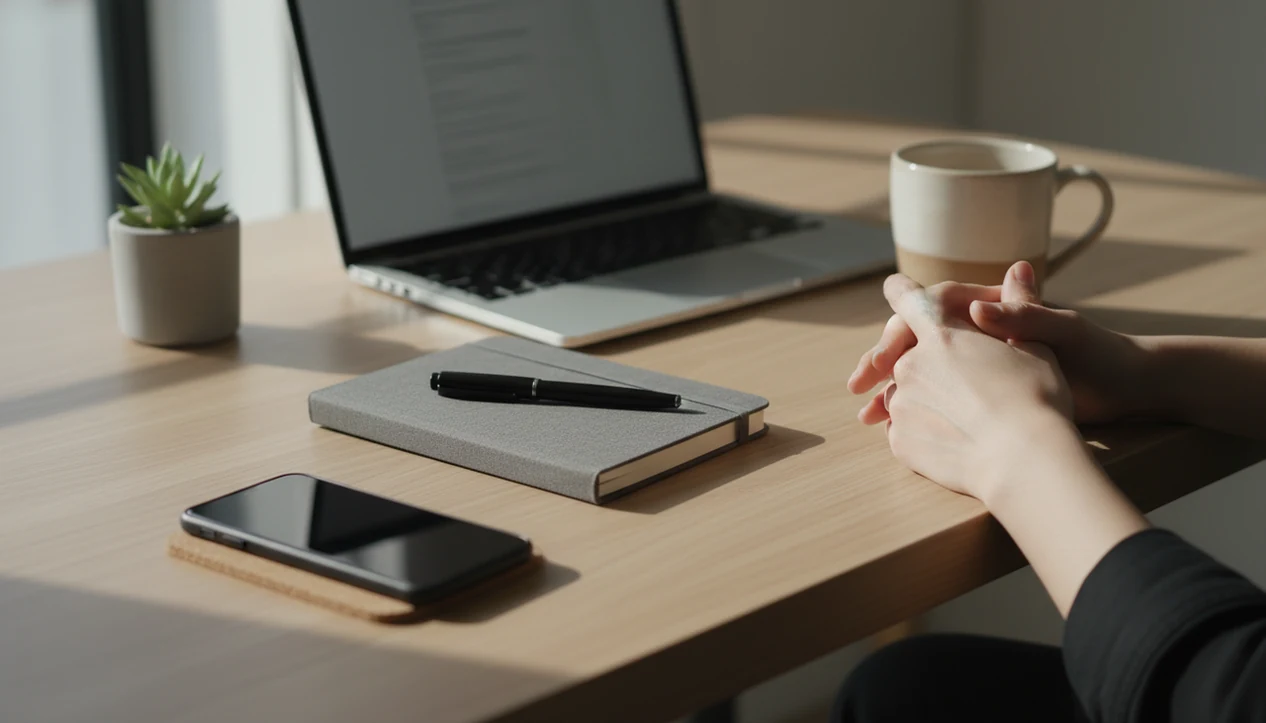


Bring mindfulness to work by attaching short pauses to familiar tasks: breathe before opening email, focus on one task at a time, and check for body tension after a stressful exchange. Mindfulness at work means paying attention to the present task, body, thoughts, and emotions with less judgment. The aim is to notice a reaction before acting on it, rather than run through the day on autopilot.
A silent room and a long meditation session are not required. A minute before a meeting or a brief pause after lunch can provide a repeatable starting point. These habits can support attention and stress recovery, but they should not become another performance target or a substitute for addressing an unreasonable workload.
The workday essentials
- Start with 60-second workday cues: before email, before meetings, after lunch, and before logging off.
- Use mindfulness to support focus, stress recovery, anxiety support, and sleep routines, not to ignore workload problems.
- MindTastik can fit as a gentle support tool for guided meditation, breathing exercises, sleep audio, and everyday calm sessions.
What Mindfulness At Work Means In A Practical Guide
Mindfulness at work is present-moment attention during ordinary work tasks, not a special spiritual performance. It means noticing what is happening while you open your laptop, answer email, walk to a meeting, or pause after a difficult message.
The practice is simple, but not always easy. You notice a thought, a tight jaw, a rush of irritation, or the urge to switch tabs. Then you return to the current priority without scolding yourself.
That return is the practice.
For a busy employee, mindfulness might mean taking one breath before replying, feeling both feet on the floor during a call, or naming “stress” silently before choosing the next step. It is less about becoming calm on command and more about interrupting autopilot before it runs the whole workday.
How To Bring Mindfulness To Work: Five Facts First
- Short habits usually beat long plans. A 60-second breathing cue before email is easier to repeat than a 45-minute session you keep skipping.
- Workplace mindfulness has evidence behind it. In one randomized workplace trial, employees reported a 32% reduction in perceived stress after eight weeks (source: PubMed research: 24107124).
- Benefits are real but usually modest. A workplace mindfulness meta-analysis found small to moderate improvements in stress, anxiety, distress, and well-being rather than dramatic overnight change (source: PubMed research: 30714864).
- Consistency is the lever. Reminders, calendar cues, and a simple routine matter more than finding the “right” meditation style.
- Mindfulness supports care; it does not replace it. Sleep hygiene, workload changes, therapy, medical care, and manager support may still be needed.
One practical test: if the practice cannot survive a packed Tuesday, make it smaller. A single breath before opening Slack still counts.
A one-minute pause is a starting habit, not a proven program
The evidence for workplace mindfulness does not mean that a single minute before email produces the same results as a structured course. In a randomized trial of 60 employees, a six-week program improved attentional focus and reduced work-life conflict more than a half-day seminar. Both groups reported comparable improvements in perceived productivity. The distinction matters: feeling more productive is not the same as demonstrating better work performance.
A 2026 review covering 132 randomized trials reported improvements in stress, anxiety, wellbeing, and sleep, with most effects sustained for up to three months. It found no statistically significant pooled effects on blood pressure, cortisol, heart-rate variability, or inflammatory markers. Differences between studies and risk of bias limited certainty. Small workday pauses are a practical way to begin, but they should not be presented as a guaranteed health or productivity intervention.
How Workplace Mindfulness Works During Stress And Focus
Workplace mindfulness works through an attention loop: notice distraction, label what is happening, and return to the chosen task. The loop trains metacognition, which means noticing your own attention instead of being pulled around by every alert, worry, or unfinished tab.
Breathing and grounding can also interrupt autopilot stress reactions. A slow exhale before a presentation gives the body a different signal than rushing straight into the next demand. During an elevator ride, notice raised shoulders and let them relax before the next task.
Small signal. Useful signal.
Body awareness helps you catch tension, anxiety, and fatigue earlier. You may notice clenched hands, shallow breathing, or that flat afternoon heaviness before it becomes a full crash. Repeated micro-practice builds the skill over time, but it does not cure burnout or clinical anxiety. For people under heavy leadership pressure, meditation for managers may need to sit beside clearer boundaries and workload conversations.
How To Use Mindfulness At Work In Six Small Steps
Use this as a workday script, not a personality makeover. If one step feels awkward, keep the cue and shorten the practice.
- Set one cue you already repeat daily, such as opening your laptop, joining your first call, or sitting down after lunch.
- Breathe before email by taking three slow breaths before scanning the inbox or replying to the first message.
- Single-task one work block for 15 to 25 minutes, with notifications paused if your role allows it.
- Ground before meetings by feeling your feet, relaxing your jaw, and naming the meeting’s one main purpose.
- Reset after lunch with a 60-second body scan before restarting work, especially if the morning felt scattered.
- Close the day intentionally by writing the next first task, then taking one breath before shutting the laptop. Reflecting on finding purpose at work can also help you connect daily tasks with what matters beyond finishing the inbox.
A guided app like MindTastik can help with reminders and short sessions when your mind is too busy to self-guide.
Best Mindfulness Workday Routines For Different Job Moments
Email overload: Before opening the inbox, breathe for 30 seconds and decide the first category: reply, schedule, delete, or defer. This keeps email from becoming a slot machine.
Meeting anxiety: Try one minute of slow breathing before a presentation or difficult call. Keep both feet down and make the first sentence simple.
Deep work: Set a 25-minute one-task timer, then pause for three breaths before choosing the next block. For founders juggling urgent decisions, meditation for founders often works better when tied to calendar transitions.
Conflict recovery: After a tense message, stand up if possible and scan the body for heat, pressure, or tightness. Wait one minute before responding. After pausing, practicing compassion at work can help you respond to a colleague with care rather than irritation.
End-of-day decompression: Use a two-minute desk reset, then save a sleep timer or bedtime audio for later. Guided tools such as Calm and Headspace can support breathing, focus, and sleep wind-downs where useful.
Mindfulness At Work Examples For Sleep, Anxiety, And Focus
How does mindfulness at work connect to sleep, anxiety, and focus? Poor sleep can make work stress feel sharper, and work stress can follow you into bed as tomorrow’s meeting loops at midnight.
For anxiety support, try slow breathing before a meeting or presentation. Breathe in for four, breathe out for six, and repeat for one minute. For focus, set a timer for one task, then pause between work blocks to look away from the screen, relax the jaw, and decide what to do next.
For sleep, create an end-of-day transition before leaving the desk. Write tomorrow’s first task, close open tabs, dim the phone screen, and take one slow breath before switching roles. MindTastik provides guided meditation, breathing exercises, sleep audio, and self-hypnosis support for everyday calm routines.
Best For And Not For Workplace Mindfulness Practice
Workplace mindfulness is best for small moments of attention, stress recovery, and calmer transitions. It is not a fix for unsafe, unfair, or chronically overloaded work conditions.
| Best for | Not for |
|---|---|
| Busy beginners who need 1 to 5 minute practices | Replacing therapy, medication, or professional mental health care |
| People with email stress or notification overload | Fixing toxic workloads by individual effort alone |
| People building focus during deep work blocks | Treating severe sleep disorders without clinical guidance |
| People wanting calmer transitions between tasks | Forcing employees to tolerate unreasonable conditions |
| Adults using guided meditation support | Solving staffing, pay, or management problems |
Benefits are usually small to moderate, not instant or dramatic. For people comparing work styles, meditation for high performers may be useful when ambition and recovery keep colliding. To explore what makes a role satisfying, consider how to find fulfilling work alongside your mindfulness practice.
Common Mistakes In A How To Bring Mindfulness To Work Guide
The first mistake is making mindfulness too large. Most workers do not need 30 to 60 minutes of silence during the day. They need one realistic cue they can repeat when the laptop fan is humming during a five-minute pause.
Another mistake is treating mindfulness like positive thinking. It is not about forcing cheerful thoughts or suppressing anger, anxiety, or frustration. It is about noticing those states clearly enough to choose the next response.
One workshop rarely changes a habit. A single meditation may feel good, but lasting workplace mindfulness usually needs repetition, reminders, and a practice that fits the job. Track consistency, not mood perfection.
Also, do not use mindfulness to explain away real problems. If workload, staffing, interruptions, or unclear expectations are driving stress, mindfulness can support steadier communication. It should not become a polite way to avoid structural fixes. When employees face ongoing strain, understanding empathy versus compassion at work can help managers pair care with practical action.
Choosing Training That Fits a Meeting Heavy Workweek
For office and hybrid employees, a workplace mindfulness course has to compete with client calls, project deadlines, and calendars other people can fill. Before enrolling, check whether sessions fall within paid working hours, whether attendance requires manager approval, and what happens when a deadline forces you to miss a session. A course that regularly displaces lunch or extends your evening creates another scheduling demand.
A 2024 review focused on private sector white collar employees reported that one included comparison found reduced stress and improved psychological well-being with both three week and six week mindfulness programs. That makes program length worth discussing with the provider, rather than assuming the longest option is automatically the best fit. Ask about the full weekly commitment, including practice outside scheduled sessions.
If work thoughts follow you into bed, ask whether the course addresses evening practice without requiring more screen time. A review of employee MBSR programs found moderate evidence for improved sleep quality. Treat that as a possible benefit of structured participation, not a guarantee that enrollment will stop deadline related wakefulness.
Guided pauses before email and between meetings
MindTastik’s breathing exercises suit a pause before opening email or joining a difficult call. Its guided meditations and focus sessions are other options for a calendar gap or the start of a focused work block. Pick a session that fits the available break rather than interrupting a task to finish it.
Adults who prefer silence can use the same cues without an app. Persistent anxiety or sleep problems need more than workday audio, and excessive workload calls for changes at work. MindTastik is not a medical treatment.
What mindfulness cannot fix at work
Mindfulness is useful, but it has clear limits. Treat it as a supportive practice, not a cure-all.
- Mindfulness is not a replacement for professional treatment for severe anxiety, depression, trauma, panic symptoms, or sleep disorders.
- Research benefits are generally small to moderate. It is not a productivity miracle.
- App-based practice requires regular use, reminders, and habit design. Downloading an app is not the same as practicing.
- Some people initially notice more discomfort, tension, or stress because they are paying closer attention.
- Workplace mindfulness can backfire if leaders use it to shift responsibility away from toxic workloads or understaffing.
- Mindfulness cannot fix unclear priorities, unreasonable hours, harassment, or unsafe work conditions.
- Guided meditation apps can support breathing, sleep audio, and calm routines, but they do not provide medical care.
Clinicians typically recommend professional support when anxiety, depression, trauma symptoms, or sleep problems interfere with daily functioning.
Early progress: catching tension before replying
Myth: mindfulness at work should feel obvious by the end of the first session. Reality: after a week, the change may be smaller and more useful, such as noticing tension before replying to an email or taking a desk pause before reopening a closed laptop. A practical sign of progress is not feeling calm all day; it is catching one stressful moment a little earlier than usual.
Mindfulness during the workday: common questions
How do I start mindfulness at work without adding another task?
Choose one event that already happens each day, such as opening the inbox or joining the first meeting. Pause for three slow breaths before continuing. Keep that single cue rather than adding several new routines at once. The aim is a repeatable pause, not a longer to-do list.
Can I practice mindfulness at my desk with my eyes open?
Yes. A desk practice can mean feeling both feet on the floor, noticing tension in the hands or jaw, and returning attention to the current task. It does not require closing the eyes or playing audio. Before replying to a difficult message, one quiet breath is a practical starting point.
What can I do before a stressful meeting?
Try one minute of comfortable, slow breathing before joining. Feel both feet on the floor, relax the jaw, and identify the meeting’s main purpose. Prepare a simple opening sentence if speaking is the concern. This can support a calmer transition, but it does not resolve the source of the conflict or anxiety.
Does mindfulness improve productivity at work?
Mindfulness may help with attention and distraction recovery, but productivity claims need caution. A workplace trial found greater attentional improvements after a six-week program than after a half-day seminar, while perceived productivity improved comparably in both groups. The evidence does not establish that mindfulness reliably improves objective work performance.
Can mindfulness help me stop thinking about work at bedtime?
An end-of-day pause can mark the transition away from work: write down tomorrow’s first task, close open tabs, and take a slow breath before leaving the desk. Workplace mindfulness research reports some sleep benefits, but this routine is not a treatment for a sleep disorder or a solution to recurring late-night work demands.
What if mindfulness makes me more aware of work stress?
Paying closer attention can initially make tension or discomfort more noticeable. Shorten the practice rather than treating it as something to endure. Mindfulness does not require suppressing frustration or accepting unreasonable conditions. Persistent anxiety, panic symptoms, or other significant distress should not be managed through workday pauses alone.