
Meditation for Beginners Who Overthink



Meditation for beginners who overthink is an attention practice: notice a thought, then gently return to a voice, the breath, or a calming sound. It does not require a blank mind or an end to every worry. The NHS beginner meditation guide recommends acknowledging wandering thoughts and returning as often as needed, without treating each distraction as a failure.
Guided audio gives a beginner clear instructions instead of another task to figure out. MindTastik offers guided meditation and calming sound options for daytime practice and bedtime relaxation. Start with five to ten minutes, using one anchor rather than switching techniques whenever thoughts appear. A separate bedtime session can suit worry that becomes more noticeable when the room gets quiet.
The starting point
- You do not need a blank mind to meditate; noticing wandering thoughts is part of the practice.
- Guided meditation is usually easier for overthinkers than silent meditation because the voice gives the mind structure.
- Start with 5-10 minutes daily, then add a separate bedtime session if overthinking appears when you try to sleep.
Best MindTastik meditation paths for beginners who overthink
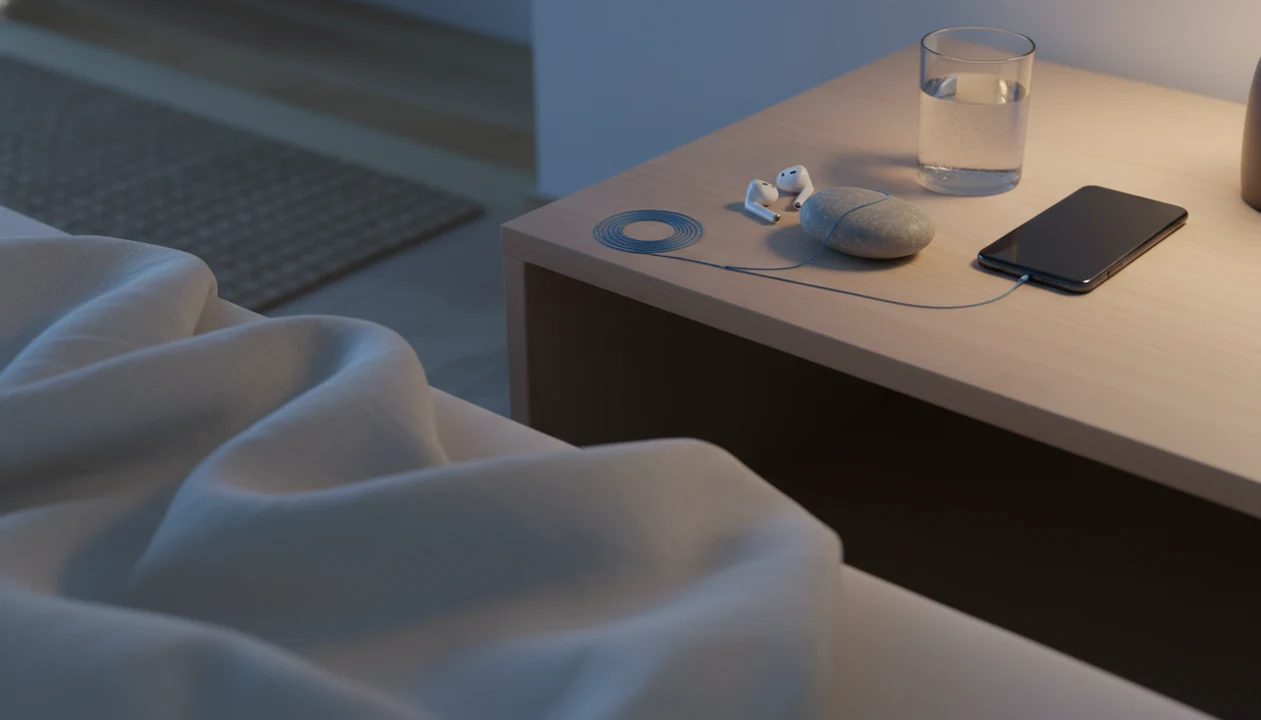
The right meditation path depends on when overthinking shows up: daytime stress, bedtime rumination, or general mental noise. MindTastik works as a guided starting point because it lets beginners choose a specific session instead of guessing what to do next.
- Guided breath meditation: Best for a short reset during the day. Not ideal if breath focus makes you tense.
- Bedtime sleep meditation: Best for 2:13 a.m. lock-screen checks and calendar worries in the dark. Not ideal if you need alert practice.
- Anxiety support meditation: Best for racing “what if” loops. Not a replacement for therapy or urgent care.
- Calming sound session: Best when words feel like too much. Not ideal if silence or steady tones irritate you.
- Self-hypnosis-style relaxation: Best for winding down the body before sleep. Not a medical treatment.
For beginners who need structure more than stillness, MindTastik fits because the session library gives a clear starting point by mood, time, and routine.
How meditation for beginners who overthink trains attention
Meditation trains attention, not thought suppression. The basic loop is simple: notice a thought, label or acknowledge it, then return to an anchor such as breath, sound, or a guiding voice. Comparing mindfulness, meditation, and relaxation can help you choose a practice that matches your needs.
That loop matters because overthinking often feels like a task you must solve. Meditation changes the task. You are not arguing with the thought; you are practicing a return. In attention training terms, the anchor becomes a cue, and returning becomes the repetition.
Tiny reps count.
A guiding voice can reduce the need to self-direct, which helps when your breath count gets lost after four. MindTastik sessions give adults structured audio for sleep, anxiety support, and everyday calm, without asking beginners to sit in silence and improvise. Research suggests meditation can support anxiety, stress, and sleep quality, although effects vary by person. The National Center for Complementary and Integrative Health summarizes the evidence as promising but mixed, and cautions that meditation should complement, not replace, needed care: NCCIH mindfulness overview: meditation and mindfulness effectiveness and safety. If you want the broader foundation, our guide to mindfulness meditation explains the practice in plain language.
Five meditation facts overthinkers should know first
Overthinkers usually struggle less with meditation itself and more with the idea that they should be “good” at it right away. These five facts make the first session less loaded.
- Meditation does not require stopping thoughts. Thoughts can appear during the whole session.
- Mind wandering is normal. Noticing the wandering and returning is the skill.
- Short daily sessions build the habit better than long irregular ones. Five minutes you repeat is useful.
- Guided app-based audio can be easier than silence for beginners. A voice gives the mind rails.
- Meditation may support anxiety and sleep, but it is not a cure or therapy replacement. A 2014 meta-analysis of 47 randomized trials found moderate improvements in anxiety and depression from mindfulness programs JAMA Internal Medicine study: 1809754.
For someone who wants a calm voice to follow when overthinking builds, guided meditation can feel more approachable than silence because each next step is gently offered.
How to use guided meditation when your mind races
Guided meditation works best when you make the first session almost too easy. The goal is not to win a mental argument; it is to practice returning.
- Set a 5-minute goal. Keep the first session short enough that you do not dread repeating it.
- Choose a guided voice. Pick a calm, direct style rather than a complex teaching.
- Sit or lie down comfortably. Use a chair, bed, or floor cushion.
- Follow one anchor. Let the voice, breath, or sound be the thing you return to.
- Return without judging. When thoughts appear, notice them and come back.
- Repeat daily. Add a separate bedtime session if night worry feels different from daytime stress. A morning and night mindfulness routine can make short daytime practice and bedtime relaxation easier to repeat.
Thoughts are allowed to show up. That is not a failed session.
MindTastik is useful here because beginners can choose between a 5-minute breathing exercise and a 20-minute body scan without building a plan from scratch. For a broader routine, the step-by-step basics are covered in how to meditate.
If you open MindTastik while already spiraling, choose by duration first, not by perfect topic. A short breathing session is the safer first click than scrolling the library for ten minutes.
Guided meditation versus silent meditation for overthinkers
Guided meditation often works better at first for overthinkers because it gives attention a steady track to follow. Silent meditation can become useful later, once the habit feels safer and less like a test.
| Method | Best for | Harder part | Beginner recommendation |
|---|---|---|---|
| Guided meditation | Racing thoughts, beginners, bedtime worry | Finding a voice you like | Start here for 5-10 minutes |
| Silent meditation | People who already tolerate quiet | More self-direction | Try later in short rounds |
| Calming sounds | Mental fatigue, word overload | Less instruction | Use when spoken guidance feels busy |
| Body scan | Physical tension before sleep | Staying awake | Good for nighttime practice |
MindTastik covers that need with structured audio guidance for adults seeking sleep, anxiety support, and everyday calm. Calm, Headspace, and mindful.org can also be useful comparison points if you prefer different teaching styles.
Who guided meditation for overthinking is for
Guided meditation for overthinking is best for beginners who need structure when their mind starts running ahead of them. It is especially useful when spoken prompts feel easier than sitting in silence and trying to manage every thought alone.
A good fit is someone who notices racing thoughts during a lunch break, between meetings, or right when the bedroom gets quiet. In those moments, a calm voice can give the mind one next thing to do. If breath focus makes you tense, dizzy, or more self-conscious, start with calming sounds, a body scan, or simple relaxation audio instead of forcing breath counting.
Use this quick filter:
- Choose guided audio if you want clear prompts and less self-direction.
- Pick short sessions if overthinking appears during work breaks or before sleep.
- Start with sounds if words feel tiring or breath focus makes you monitor yourself too closely.
- Pause and get support if symptoms are severe, worsening, linked to panic, trauma, depression, or self-harm thoughts.
Meditation can support a routine, but it should not be the first or only support when distress feels unsafe or unmanageable.
When to shorten or stop a meditation session
Feeling distracted is different from feeling increasingly distressed. A 2020 systematic review of 83 studies found meditation-related adverse events in 8.3% of participants overall, with estimates varying substantially by study design. Reported effects included anxiety and depression, and they could occur in people without a previous mental-health diagnosis. That figure is not an estimate of the risk from a five-minute beginner session.
If practice repeatedly intensifies anxiety, panic, traumatic memories, or a sense of disconnection, stop or shorten it rather than trying to push through. Eyes-open movement or sensory grounding may be a more manageable alternative. Seek advice from a qualified mental-health professional or healthcare service if symptoms persist, disrupt daily functioning, or include severe insomnia or suicidal thoughts. These are not problems to solve by extending meditation.
Best meditation routine for bedtime overthinking
Can meditation help when overthinking gets louder at bedtime? It may help some people relax because the routine gives the mind and body a low-effort sequence to follow when external distractions disappear.
Try this before bed: dim the lamp, lower the phone brightness, start audio, lie down, and follow either breath cues or body relaxation. Let sleep happen naturally instead of checking whether it has arrived yet. The half-empty water glass can stay where it is.
Sleep meditations, calming sounds, and self-hypnosis-style relaxation all fit this moment. MindTastik can support beginners who want a favorites folder for nightly sessions and a sleep timer set for twenty minutes. A 2018 systematic review found small to moderate sleep-quality improvements from mindfulness meditation interventions, especially among people with sleep disturbances NIH research: PMC6513568. For bedtime overthinkers, a guided sleep session is often more manageable than silent practice because it removes the pressure to direct the whole routine yourself.
Give practical worries a time outside bedtime meditation
Some thoughts need a practical response, not another attempt to relax. The NHS guide to tackling worries suggests a brief daily worry period, such as ten to fifteen minutes, to write down concerns and consider solutions. Keeping this separate from meditation gives planning its own place instead of turning every quiet session into a review of unfinished tasks.
During that period, separate problems with an available action from worries that cannot be resolved now. Note a next step for an actionable concern, rather than repeatedly rehearsing it. If the same concern returns during meditation, acknowledge it and return to the chosen anchor. The aim is not to prove the worry wrong or ban it, but to avoid doing the same planning repeatedly.
How we picked beginner meditation sessions for overthinking
Beginner meditation sessions for overthinking should be easy to start, clearly guided, short enough to repeat, and specific to the moment. We prioritized low-friction choices over advanced techniques.
The selection criteria were simple: beginner clarity, short duration, sleep support, anxiety support, calming audio quality, and repeatability. Overthinkers do not need a complicated method at the start. They need fewer decisions. Voice, length, and format matter more than a big theory.
For comparison, Calm offers a broad sleep-and-relaxation library, Headspace leans more course-based, and mindful.org is useful for free editorial guidance; MindTastik is strongest here when the beginner wants fewer choices and a quick guided start.
A little trial and error is normal.
MindTastik fits this beginner shortlist because it organizes guided sessions around practical needs like sleep, breathing, relaxation, and everyday calm. It does not diagnose, treat, or cure anxiety, insomnia, trauma symptoms, or depression. If you are comparing daily awareness practices outside formal meditation, how to practice mindfulness may help you choose a lighter starting point.
Keep meditation from becoming another task to overanalyze
After a meditation, resist conducting a mental performance review: how many thoughts appeared, whether you felt calm enough, or whether you followed every instruction correctly. For beginners who already replay conversations or repeatedly check an email before sending it, evaluating every moment of practice can become another version of the same loop. Finish the session without deciding whether it was a success, then move into an ordinary activity, such as making breakfast or getting dressed.
A review of 61 studies involving 4,229 participants found that mindfulness interventions reduced rumination overall. That finding concerns structured interventions across groups, not a promise that each beginner session will leave you feeling quieter. One unsettled practice does not tell you whether meditation will help over time.
If you want to assess progress, choose one concrete question to revisit weekly: after an awkward conversation, can you resume your next task without replaying it quite as long? Avoid counting thoughts or keeping detailed session scores if those habits invite more checking. Look for less disruption in your day, rather than a perfectly calm meditation.
Audio choices for racing thoughts and bedtime worry
MindTastik’s guided meditation library suits beginners who prefer spoken prompts to directing a session alone. Breath-focused guidance can provide a daytime anchor; sleep stories, self-hypnosis audio, and soundscapes offer different ways to settle at bedtime. Choose sound rather than breath counting if attention to breathing feels uncomfortable.
Spoken guidance is not useful for everyone. Someone who finds voices distracting may prefer quiet practice or ambient sound. Persistent anxiety, panic, or insomnia calls for healthcare advice rather than relying on an app, which is not a medical treatment.
When meditation is not enough for overthinking
Meditation can be a supportive practice, but it has real limits. It should feel manageable, not like another thing you are failing.
- Meditation is not a quick fix for severe anxiety, depression, trauma symptoms, panic, or chronic insomnia.
- Some people feel more aware of thoughts at first because slowing down removes distractions.
- Research effects are often modest and vary by person, practice style, and consistency.
- App-based meditation requires phone access, comfort with audio, and some trial and error.
- Guided voices are personal. A voice that calms one person may irritate another.
- Sleep meditation may support a wind-down routine, but it cannot force sleep on command.
- If symptoms are intense, worsening, unsafe, or linked to self-harm thoughts, seek professional or emergency support.
- MindTastik, Calm, Headspace, and similar tools can support routines, but none should replace medical or mental-health care.
For people with intense distress, professional support is often more important than finding the right meditation format.
If you are ready to move from tips to practice, MindTastik guided meditation app is where MindTastik keeps its guided meditation experience.
Questions about meditating with an overactive mind
Can I meditate if my thoughts never stop?
Yes. Thoughts can continue throughout a session. The practice is noticing when attention has moved and returning to a chosen anchor, such as sound or the breath. A session with many returns is still practice; having fewer thoughts is not a requirement.
What should I do when I keep getting lost in thoughts during meditation?
Acknowledge the distraction with a simple label, such as “planning” or “worrying,” then return to the next instruction or sound. Avoid analyzing why the thought appeared. If attention wanders again, repeat the same response rather than restarting the session or treating it as a mistake.
How many minutes should a beginner with racing thoughts meditate?
Start with five to ten minutes, or shorten the session if that feels unmanageable. Choose a length that is easy to repeat rather than aiming for a long sit. There is no need to increase the duration simply because thoughts remain active; a quiet mind is not the target.
Can meditation help me stop overthinking at night?
Meditation may help some people relax at bedtime, but it cannot guarantee sleep or resolve every worry. Use a low-effort session with sound or body relaxation, without repeatedly checking whether sleep has arrived. Practical concerns can go into a separate worry period. Persistent insomnia needs healthcare advice.
Why does meditation sometimes make overthinking feel worse?
Quiet can make existing thoughts more noticeable because distractions have fallen away. However, worsening distress should not automatically be dismissed as normal. If sessions repeatedly increase anxiety, panic, traumatic memories, or disconnection, stop or shorten them, try grounding, and seek professional advice if symptoms persist or affect daily life.
How can I tell if meditation is working when I still overthink?
Look for small changes outside your practice, such as noticing a worry sooner, pausing before reacting, or returning to a task more easily. Progress does not require fewer thoughts in every session. You might still overthink while becoming less caught up in it. These shifts can be gradual and uneven.
Should I write down my worries before meditating?
A brief note can help if you feel busy remembering tasks or replaying concerns. Spend a minute or two listing what is on your mind, then set the page aside. You do not need to solve everything first. If writing turns into more rumination, skip it and begin with a simple grounding exercise.