
Mindfulness For Firefighters: A Practical Shift-Friendly Guide
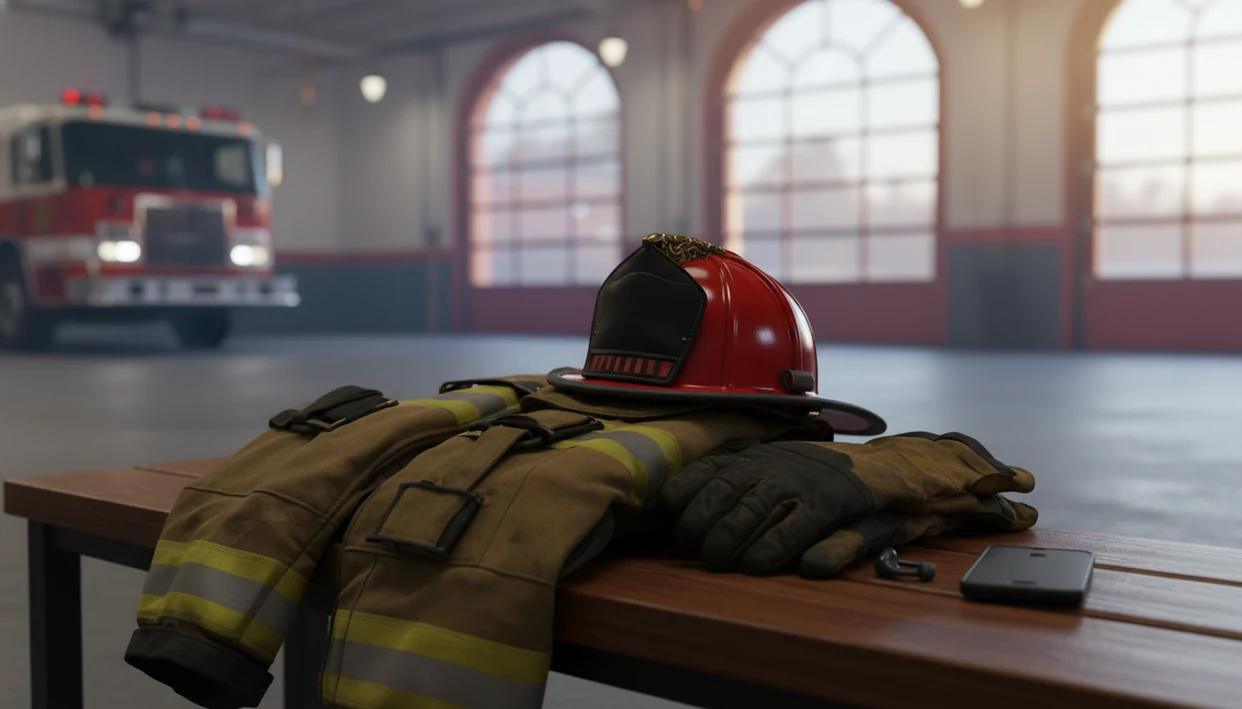


Mindfulness for firefighters is the practice of noticing breath, muscle tension, thoughts, and emotions during station life and recovery after calls. A practical routine uses brief breathing resets, body scans, post-call decompression, and guided sleep audio rather than long sessions that depend on an uninterrupted schedule. The aim is to support attention and stress regulation, not to suppress a normal reaction to a difficult incident.
Short practices can fit before shift, during safe downtime, after a call, or before sleep. Guided audio gives beginners a clear sequence to follow when sitting in silence feels unhelpful. These practices support recovery but do not replace therapy, medical care, peer support, or crisis intervention. Operational duties always take priority.
The essentials
- Firefighters can use mindfulness in 3-10 minute practices before calls, after calls, during downtime, and before sleep.
- Research in firefighters links app-based mindfulness with lower anxiety, burnout, negative mood, and cortisol after a short 10-day program.
- Mindfulness supports stress regulation and sleep, but it is not a replacement for therapy, medical care, peer support, or crisis intervention.
Mindfulness for Firefighters: 5 Facts Before the First Shift
- Mindfulness means present-moment awareness under real pressure. For firefighters, that can mean noticing breath, muscle tension, thoughts, and emotion during calls, station stress, and home recovery.
- Firefighters carry higher mental health risk than many civilians. In one 2022 study of 7,000 U.S. firefighters, 20% screened positive for probable PTSD, 22.2% for depression, and 36.7% for anxiety PMC research article: PMC8761637.
- A 10-day app-based mindfulness program showed measurable changes. The same firefighter study reported lower anxiety symptoms, burnout, negative mood, waking cortisol, and daily cortisol output after brief guided practice.
- Mindfulness is response control, not reduced readiness. A firefighter still hears the radio, reads the room, and moves fast. The practice is about fewer automatic reactions.
- Short guided sessions fit the job better than long silent sits. A 3-minute reset after apparatus cleanup is more realistic than a 40-minute cushion session. Keep it usable.
Firefighter Stress, Sleep Loss, and Hypervigilance Risks
Why does mindfulness matter for firefighters? Because the job stacks stress in layers: alarms, interrupted sleep, trauma exposure, crew conflict, public pressure, and the quiet spillover into family life after shift.
In a large 2022 firefighter sample, 20% screened positive for probable PTSD, 22.2% for depression, and 36.7% for anxiety source. A 2015 study of U.S. career firefighters reported that 37% met criteria for a sleep disorder, with higher odds of depression, anxiety, and PTSD symptoms among those with sleep disorders PMC research article: PMC4507723.
Hypervigilance can feel useful at first. Then it follows you past the station door. Back at the desk with the laptop closed, your mind may keep replaying the call, the tone-out, and the report still waiting for attention.
Mindfulness is a support tool, not a diagnosis or cure. Firefighters under pressure may also relate to other high-stress work guides, including meditation for high performers.
Sleep protection matters beyond a bedtime routine
A 2019 observational study of firefighters’ sleep and burnout found that sleep disturbances and mental-health problems were associated with higher burnout risk. Sleep obtained during overnight work statistically accounted for part of that relationship. This makes sleep protection an occupational recovery priority, not simply a matter of choosing a relaxation exercise before bed.
Because the study was observational, it does not establish that a particular sleep routine prevents burnout, or that meditation changes the relationship. For this guide, the distinction is practical: sleep audio is a wind-down option, while interrupted rest and poor sleeping conditions remain separate problems. A mindfulness routine should not become a reason to overlook those conditions or delay assessment of persistent sleep trouble.
Mindfulness for Firefighters: Brain and Body Mechanisms
Mindfulness for firefighters works by training attention, breath awareness, body sensing, and nonjudgmental noticing so the nervous system can shift out of chronic threat mode more easily.
The mechanism is simple, but not soft. Attention training teaches you to return to one chosen anchor, often the breath or body. Body scanning helps you notice clenched shoulders, a locked jaw, or a tight chest before those signals turn into irritability. Nonjudgmental noticing means naming what is happening without immediately fighting it.
After a difficult call, the body may still act as if the event is ongoing. Slow breathing and guided attention can help downshift stress arousal. Repeated practice may strengthen emotional regulation and decision control, especially during the gap between impulse and action.
The firefighter app-based mindfulness intervention also found cortisol reductions. That is promising, but it does not mean mindfulness prevents PTSD or guarantees performance on scene.
5-Step Mindfulness Routine for a Firefighter Shift
A firefighter mindfulness routine should be short enough to survive a broken schedule. Think minutes, not an hour-long ritual.
- Set a pre-shift focus cue for 60 seconds before lineup or equipment check. Feel your feet, breathe normally, and name one priority for the shift. For broader station-life support, try mindfulness to feel empowered at work as a way to focus on choices within your control.
- Use a 3-minute breathing reset after a call, once you are safe, cleaned up, and no longer operating on scene.
- Try a 5-minute body scan during quiet downtime. Notice the forehead, jaw, shoulders, hands, stomach, and legs without trying to fix everything.
- Play 10 minutes of guided sleep audio before rest when the bunk room is quiet enough. Dim the screen first.
- Track one line after practice: “before,” “after,” and “what helped.” Keep it boring.
App-guided sessions reduce friction for beginners because there is no need to invent the practice. You choose between a 5-minute breathing exercise and a 20-minute body scan, then start where the shift allows.
Firehouse Moment Guide: Breathing, Grounding, and Sleep Audio
Use the practice that matches the moment. Firehouse mindfulness works best when it is tactical, brief, and plain.
| Firehouse moment | Practice | Time | Why it fits |
|---|---|---|---|
| Before shift | Breath focus | 60-90 seconds | Sets attention before the day gets loud. |
| After alarm | Grounding | 30-60 seconds | Helps orient to what is actually happening now. |
| After difficult call | Guided reset | 3-5 minutes | Gives the body a transition after high arousal. |
| Before sleep | Body scan or sleep audio | 5-10 minutes | Supports downshifting before bunk rest or home sleep. |
| Off-duty transition | Short guided meditation | 3-10 minutes | Creates a boundary before walking into family life. |
A firefighter does not need a spiritual frame for this. It can be as practical as checking air, gear, and scene size-up.
For other pressure-heavy roles, meditation for managers uses a similar “pause before reaction” structure. Before a tense discussion with a colleague, try mindfulness for difficult conversations to pause and respond more deliberately.
Firefighter Fit Checklist: Best For and Not For
Best for shift stress. Firefighters who feel keyed up after calls may benefit from brief breathing, grounding, or guided reset practices.
Best for sleep trouble. Breathwork, body scans, and bedtime audio can help create a wind-down routine after a demanding shift, especially when the body is tired but the nervous system has not fully stood down.
Best for irritability and reset needs. A short pause can help before snapping at a crewmate, partner, or kid after a rough tour.
Best for beginners. Guided practice is easier than sitting in silence and wondering whether you are doing it wrong.
Not for acute crisis. Suicidal thoughts, severe PTSD symptoms, panic, dissociation, or substance dependence need professional care, peer support, EAP, or emergency services. Forcing mindfulness into crew culture can backfire, especially if it feels like another mandatory box to check.
Tools like MindTastik can offer low-barrier support, but they should stay optional. If colleagues are interested, starting a mindfulness group at work can make shared practice voluntary and easy to schedule.
When Firefighters Should Seek Professional Support
Firefighters should seek professional support when stress stops feeling like normal recovery and starts affecting safety, sleep, relationships, substance use, or the will to keep going. Mindfulness can support care, but it cannot diagnose PTSD, treat substance dependence, or replace therapy, medical treatment, crisis response, or emergency help.
- Act immediately if suicidal thoughts, plans, severe panic, dissociation, or feeling detached from reality show up. Contact emergency services, a crisis line, or a trusted person who can stay with you.
- Use department resources when available, including EAP, vetted peer support, chaplaincy, or behavioral health teams that understand fire service culture.
- Contact a licensed clinician if nightmares repeat, avoidance grows, anger keeps firing fast, or the call follows you into family life.
- Tell someone early rather than waiting for the “big enough” breaking point. Early support is not weakness; it is maintenance before the system fails. When asking for support feels uncomfortable, self-compassion before difficult conversations can help you approach the discussion with less self-criticism.
- Keep mindfulness in its lane. Use breathing, grounding, or sleep audio as a bridge to care, not as proof that you should handle severe symptoms alone.
MindTastik Mindfulness for Firefighters Routines
A guided mindfulness app can provide a short breathing practice before shift, a decompression session after a difficult call, or sleep audio before rest.
For firefighters, the useful move is to build routines around predictable pressure points. Try a 3-minute breathing session before shift, a 5-minute reset after a hard call, and 10 minutes of sleep audio before rest. Self-hypnosis for relaxation may fit off-duty recovery, as long as it is used as supportive practice, not treatment.
App-based delivery also matches the format used in firefighter mindfulness research. That matters because the routine can travel with the shift, the bunk room, and the drive home. That format may also fit people comparing calm tools with resources like meditation for entrepreneurs, where stress is different but consistency still matters.
Firefighter Image Caption and 60-Second Practice Script
Image caption idea: A firefighter sitting in a quiet station space using guided breathing after a call, illustrating mindfulness for firefighters as a short reset practice.
60-second firefighter mindfulness script: Sit or stand where you are safe and off scene. Feel both feet on the floor. Let your shoulders drop one inch. Soften your jaw. Notice the breath coming in, then breathe out slowly. Name what is here: tired body, alert mind, noise in the station, weight of the gear, one more breath. Let the next exhale be longer than the inhale. Look around and name three ordinary things you can see.
Not while operating.
Do not use this script during active emergency work, driving, patient care, fireground tasks, or any moment requiring full operational attention. Use it after the scene, during safe downtime, or before sleep.
Handling Crew Friction in Shared Firehouse Spaces
Shared meals, bunk rooms, equipment checks, and station chores mean a disagreement can follow firefighters through much of a shift, with little privacy before the next alarm. Friction over overtime assignments or criticism after a call can become another demand on an already tired crew. A systematic review of firefighter occupational stress identified interpersonal conflict and perceived organizational unfairness among stressors associated with burnout, poor sleep quality, and mental health problems. That makes everyday crew relationships relevant to recovery, not just morale.
Use mindful attention to separate what happened from what you are assuming before raising a concern. “My assignment changed without explanation” is an observation. “Nobody respects me” is an interpretation that may need checking. Once operational duties allow, choose a private conversation rather than reopening the dispute at the dinner table or beside resting colleagues. Ask about the specific decision, describe its effect on your work, and identify what clarification you need. For a recurring concern, keep factual notes and use the department’s established reporting process.
Guided audio for post-call resets and sleep
MindTastik’s breathing exercises, body scans, and sleep stories suit short recovery periods after duties are complete. Its guided meditation library offers spoken instructions for firefighters who prefer a defined practice to silent meditation. Session length should fit the available break, not compete with station responsibilities. Firefighters who prefer peer conversation or physical activity may find those routines a better fit. Persistent sleep problems, severe distress, or trauma symptoms call for professional support rather than an app alone.
What mindfulness cannot fix in the fire service
Mindfulness for firefighters has real promise, but the evidence is still developing. Firefighter-specific studies are often small, short-term, and focused on early outcomes rather than long follow-up.
Key limitations:
- Mindfulness does not replace therapy, medical care, peer support, EAP services, or crisis intervention.
- It does not fix understaffing, mandatory overtime, poor sleep conditions, weak leadership, or unsafe organizational culture.
- Some firefighters may prefer physical training, faith practices, peer conversation, outdoor time, or family routines.
- Benefits usually require consistent practice over weeks, not one heroic session after a bad call.
- Severe PTSD symptoms, substance use, suicidal ideation, panic, or dissociation require professional or emergency support.
- Meditation apps can support sleep and anxiety management, but they cannot handle acute mental health crises alone.
- A quiet practice may feel uncomfortable at first, especially after trauma exposure.
Clinicians typically recommend evidence-based mental health care for PTSD, severe anxiety, depression, substance use, and suicidal thoughts. Mindfulness can sit beside that care, not replace it.
Build the reset habit before a difficult call
Mistake: saving mindfulness for the hardest call
Start with low-pressure moments, such as a quiet desk pause, a meeting reset, or the first calendar gap after station duties. Repetition in ordinary moments tends to make the practice easier to remember when stress is higher.
Mistake: choosing a session that is too long
Use a shorter track until the routine feels automatic. A five-minute breathing exercise repeated across several shifts is often more realistic than a 30-minute session that never fits the day.
Mistake: expecting one reset to erase the shift
Treat mindfulness as a transition cue, not a guarantee of feeling calm. After one week, the win may simply be noticing tension sooner and having a familiar next step.
Firefighter mindfulness questions
When can firefighters practice mindfulness on shift?
Suitable times include before lineup, during quiet downtime, and after a call once operational duties and cleanup are complete. A brief practice should fit the available break and stop when duties resume. Meditation is not a task to perform while driving, operating equipment, or responding to an emergency.
What is a simple mindfulness exercise after a difficult call?
Once safely off scene and finished with immediate duties, feel both feet on the floor, notice the breath, and release tension in the jaw and shoulders. Then name three ordinary things in view. This offers a transition into the present moment, not a requirement to feel calm or discuss the incident.
How long should a firefighter mindfulness session last?
The guide uses about one minute before shift, three minutes for a post-call breathing reset, and five to ten minutes for a body scan or sleep audio. These are practical scheduling options, not proven minimum doses. A shorter session that fits station duties is preferable to forcing a longer one.
Can mindfulness help firefighters sleep after a shift?
A body scan, breathing practice, or guided sleep track can be part of a wind-down routine when the body is tired but still alert. It does not resolve interrupted sleep, poor bunk-room conditions, or a sleep disorder. Persistent sleep trouble deserves medical assessment rather than repeated attempts to relax through it.
Does mindfulness treat PTSD in firefighters?
Mindfulness is not a substitute for PTSD assessment or treatment. It may support a recovery routine alongside professional care, but severe trauma symptoms, dissociation, or distress affecting safety require more than a self-guided exercise. Department behavioral-health resources, vetted peer support, and qualified clinicians are appropriate sources of help.
Should firefighters meditate during an emergency?
No. This guide’s meditation routines are for safe pauses and recovery, not active emergency operations. Driving, equipment use, and on-scene responsibilities require operational attention. Even a short guided track should wait until it does not interfere with the call, crew communication, or readiness to respond.
What if a firefighter still feels distressed after a mindfulness reset?
One reset is not expected to erase a difficult shift. Ongoing distress that affects sleep, relationships, safety, or substance use is a reason to seek professional support. Suicidal thoughts, severe panic, or feeling detached from reality require immediate help through emergency services, a crisis line, or a trusted person.