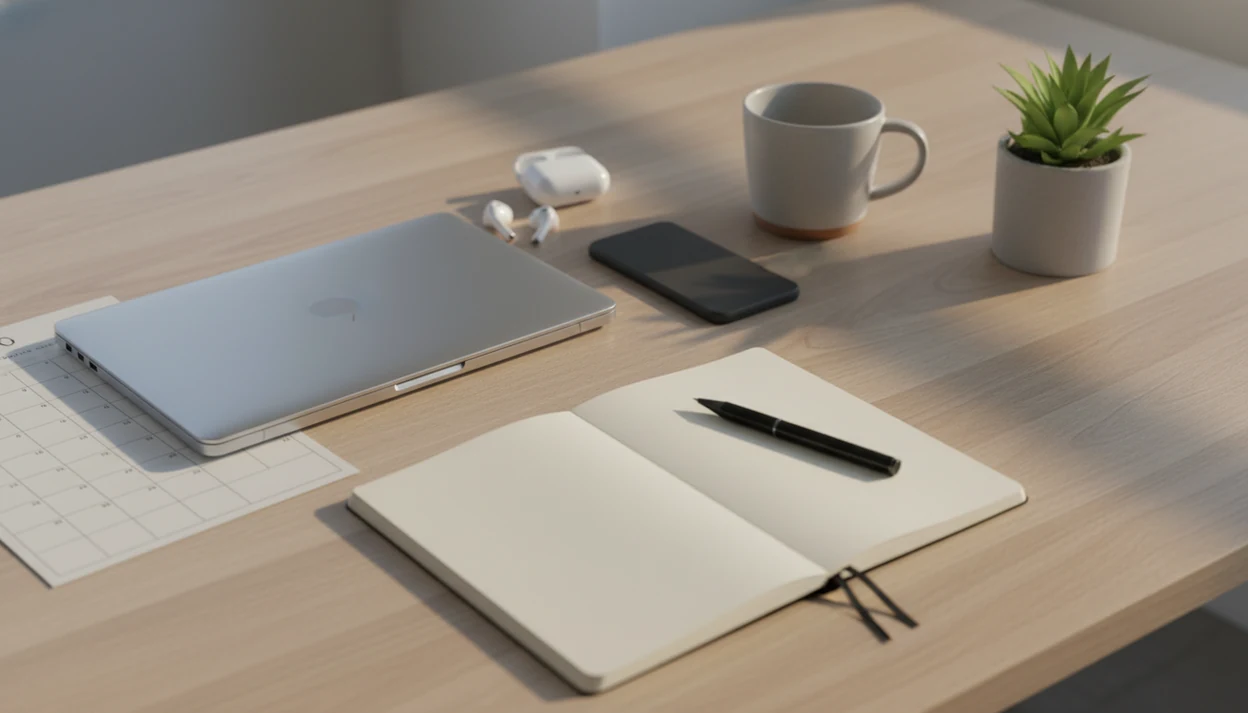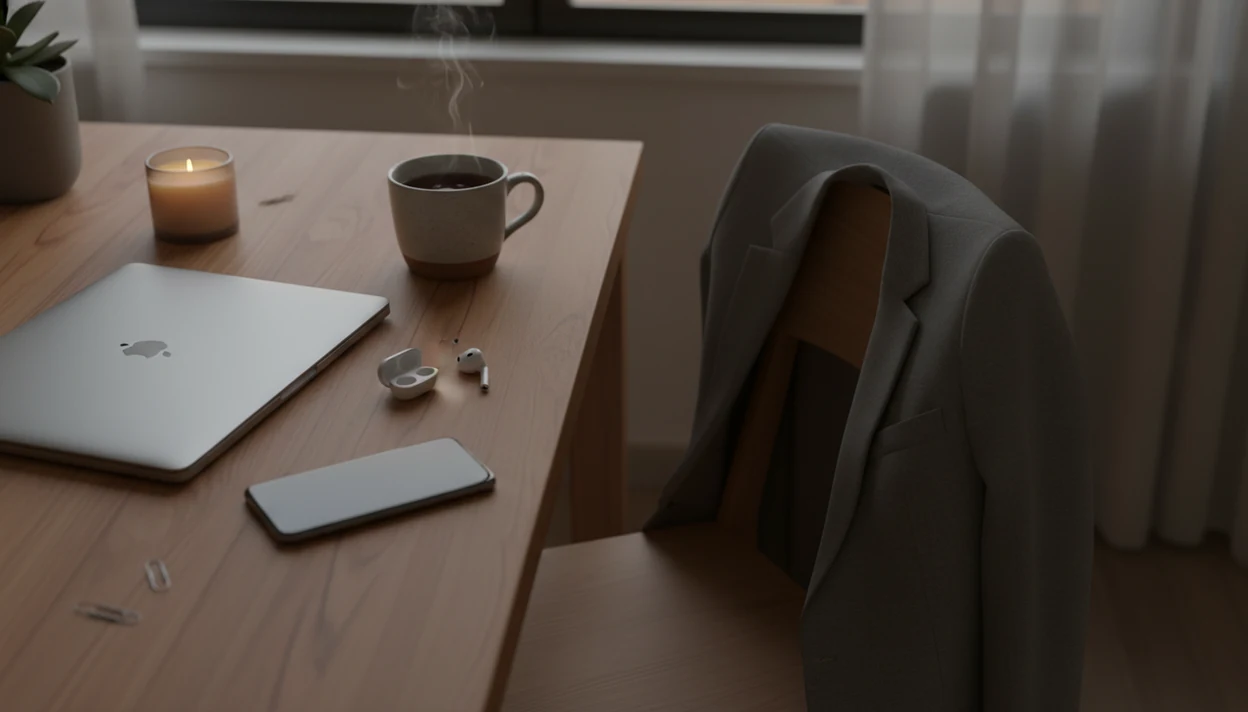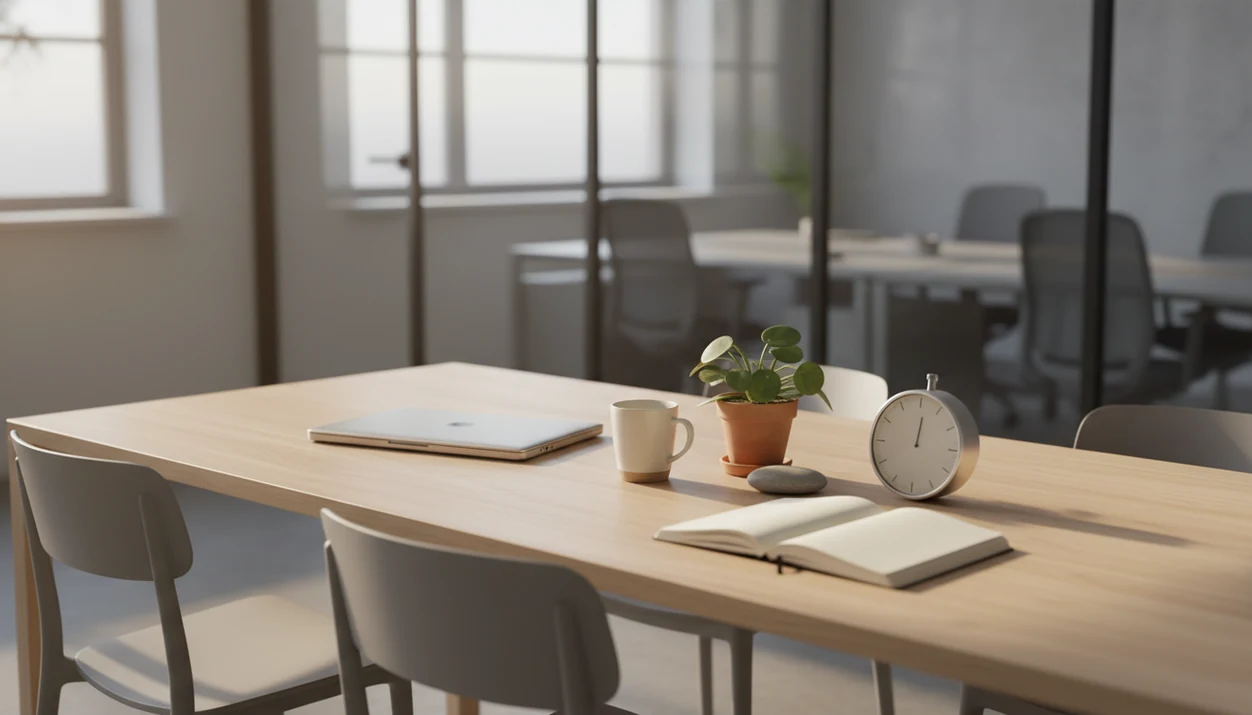
A meditation app for CEOs is a mobile tool offering short, on-demand guided meditations, breathing exercises, and sleep audio for high-pressure schedules and decision fatigue. Its practical role is to make a pause available between demanding tasks, after a difficult conversation, or before bed. A brief session can fit a crowded calendar without requiring a class or a long appointment.
The useful distinction is not an executive label. It is how quickly the app provides audio suited to the moment: breathing before a board update, guided attention after conflict, or a quieter transition from work to sleep. Meditation can support a leadership routine, but it cannot replace adequate rest, executive coaching, clinical care, or changes to an unsustainable workload.
CEO Stress Patterns That Make a Dedicated Meditation App Useful
CEOs often need meditation support for decision fatigue, burnout risk, sleep disruption, and rapid context-switching. A generic relaxation track may help, but it rarely matches the pressure of a board meeting, a tense investor update, or a red-eye flight before a hiring decision. If exhaustion persists beyond a difficult week, burnout relief techniques offer practical ways to respond alongside workload changes.
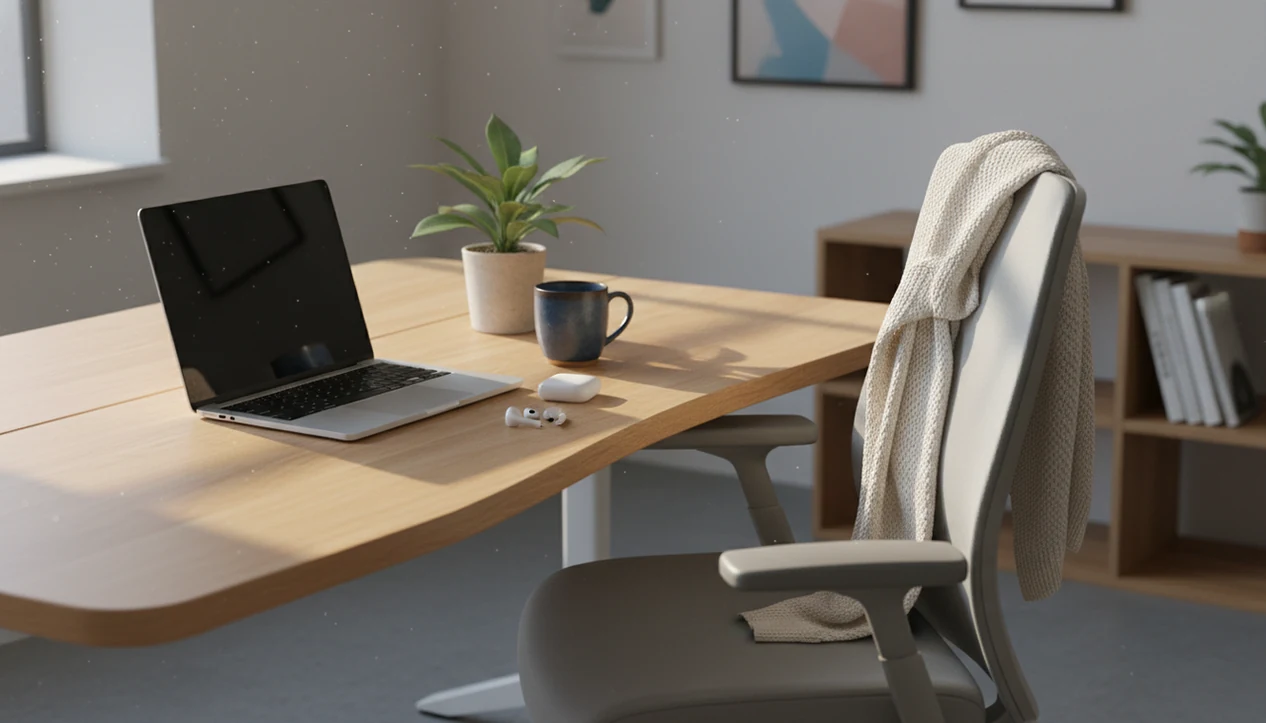
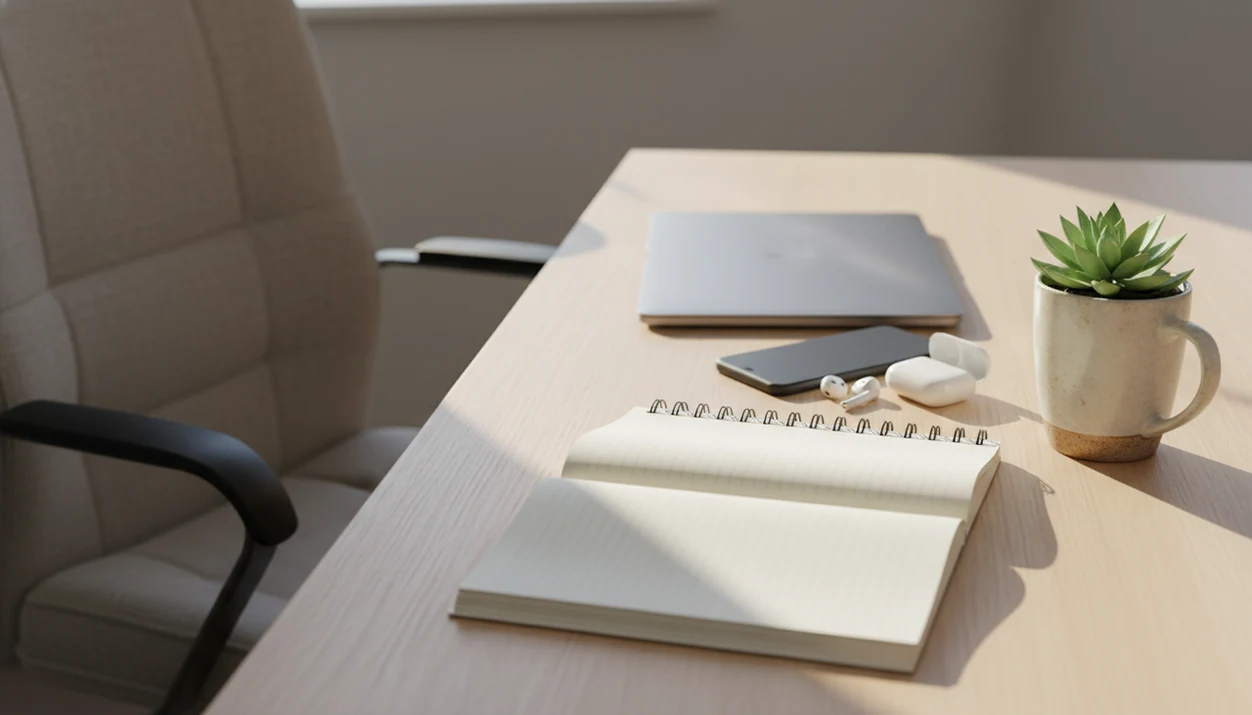
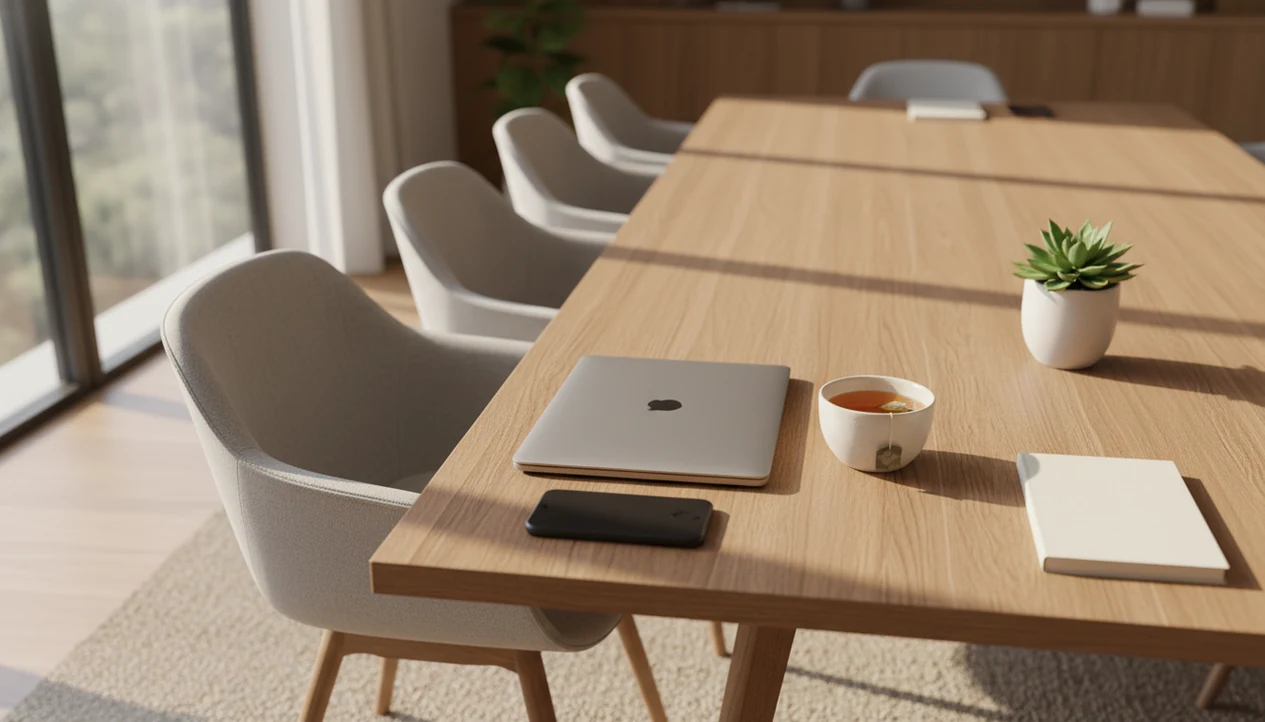
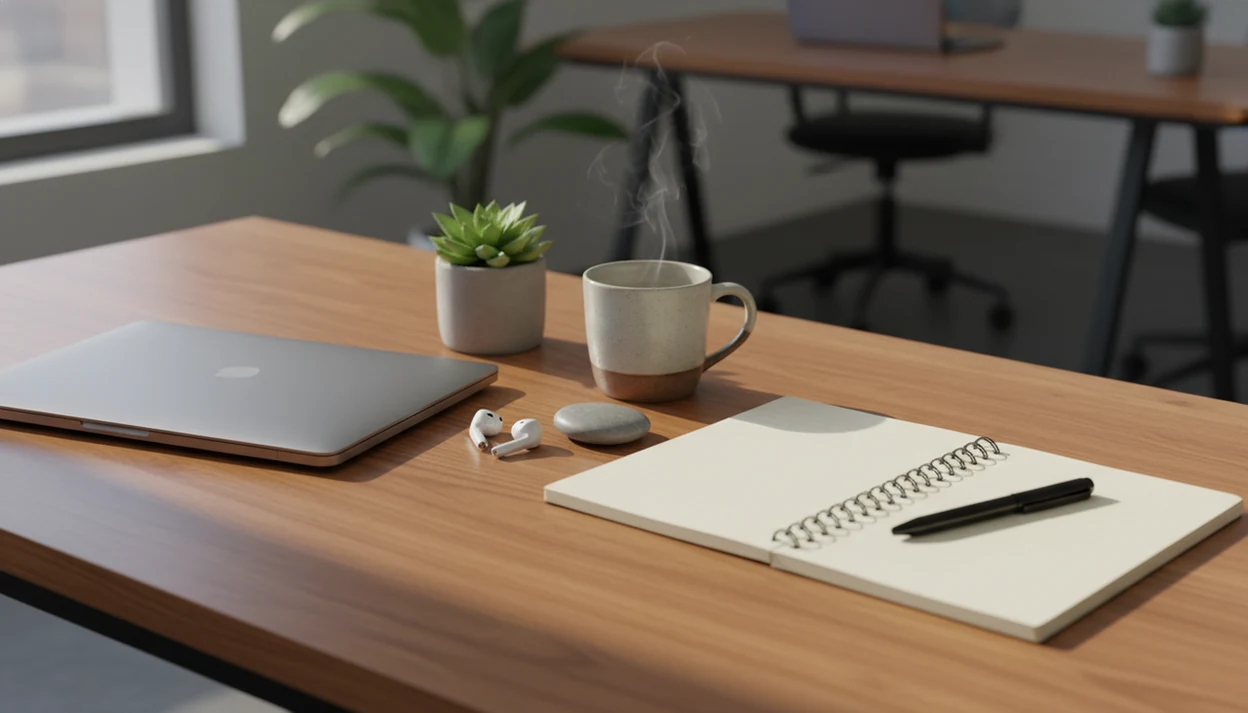
The pattern is specific. One hour asks for strategy, the next for conflict repair, then a public answer with no time to settle. Most leaders don't want a visible calendar block labeled “stress support.” They want private audio in earbuds, maybe in a conference room chair between meetings.
According to a 2019 workplace mindfulness review, mindfulness-based programs reduced perceived stress and improved well-being across occupational groups, including managers. For leaders who carry pressure quietly, a discreet CEO meditation app can make practice easier to repeat than public classes or long sessions. Related routines for team pressure are covered in meditation for managers.
CEO Meditation App Fit: Best-For and Not-For Use Cases
A CEO meditation app fits leaders who need brief, private, repeatable support during high-pressure workdays. It is not a substitute for clinical care, therapy, coaching, or fixing a workplace that is running people into the ground. Leaders comparing resilience across demanding roles can also consider resilience for teachers, with school-specific pressures kept in mind.
| Use case | Best for | Not ideal for |
|---|---|---|
| Between-meeting resets | ✅ 3-5 minute breathing or guided sessions | ❌ 60-minute retreat-style practice |
| High-stakes preparation | ✅ Calm before presentations, earnings calls, or board updates | ❌ Replacing executive coaching |
| Travel pressure | ✅ Decompression after flights and hotel check-ins | ❌ Treating medical sleep disorders |
| Private leadership support | ✅ Leaders who prefer audio over group sessions | ❌ Religious meditation traditions requiring a teacher |
| Sleep wind-down | ✅ Bedtime audio after decision-heavy days | ❌ Severe anxiety or depression treatment |
The pocket check is real.
For founders moving between fundraising, product risk, and hiring stress, meditation for founders may map better to the early-stage rhythm.
How a CEO Meditation App Works
A CEO meditation app works by turning stress into a short guided sequence: notice the body, slow the breath, and redirect attention before the next decision takes over. The point is not to erase pressure; it is to interrupt stress reactivity long enough for clearer choice.
Prompts give the mind a simple object to follow, breath pacing slows the physical alarm loop, and attention cues bring awareness back when thoughts jump to the next risk. In plain language, the app creates a small pause between trigger and response. Session length matters because CEOs rarely have open-ended time: 3 minutes can fit after a difficult call, 5-10 minutes can prepare for a board update, and longer sleep audio belongs at the end of the day when the goal is downshifting.
- Choose a transition point, such as pre-meeting, post-conflict, travel arrival, or bedtime.
- Enter a simple goal, stress level, and available time so the app can shape the session.
- Follow breath and attention cues until the body settles enough to re-engage.
- Repeat the same cue over days, so practice becomes a habit loop that supports sleep wind-down and attentional control.
Personalization can infer patterns from inputs and timing, but it cannot diagnose mental health conditions or know the full business context behind the stress.
AI-Personalized Executive Meditation: Inputs, Timing, and Session Logic
AI-personalized executive meditation works by matching the session type, length, and tone to a leader’s current context. The usual inputs are stress level, available time, goal, and timing, such as pre-presentation calm, post-crisis debrief, or jet-lag sleep reset.
The mechanism is simple: brief mindfulness prompts can interrupt stress reactivity, support attentional control, and create a repeatable habit loop. In plain language, the app helps the brain stop rehearsing the next threat for a few minutes.
A useful leadership meditation app should adjust without asking for a complicated setup. Tools like MindTastik can generate guided meditations, breathing exercises, and sleep audio on demand for anxiety, focus, calm, and sleep. The difference shows up when a CEO chooses between a 5-minute breathing exercise and a 20-minute body scan after the day has already gone sideways. Good meditation apps deliver guided practice, sleep support, and everyday calm, not a guarantee that pressure disappears.
5-Step Executive Meditation Routine
For CEOs, the easiest executive meditation routine is often a few short sessions placed at predictable transition points. The goal is not to “become good at meditation.” It is to lower friction until practice fits the day.
- Set a 3-minute morning intention session before the first meeting, before messages take over.
- Choose a 3-5 minute micro-meditation between high-stakes calls, especially after conflict or fast decisions.
- Log your stress or energy level so AI can adapt future sessions to the pattern of your day.
- Queue a focused breathing exercise before presentations, earnings calls, or investor conversations.
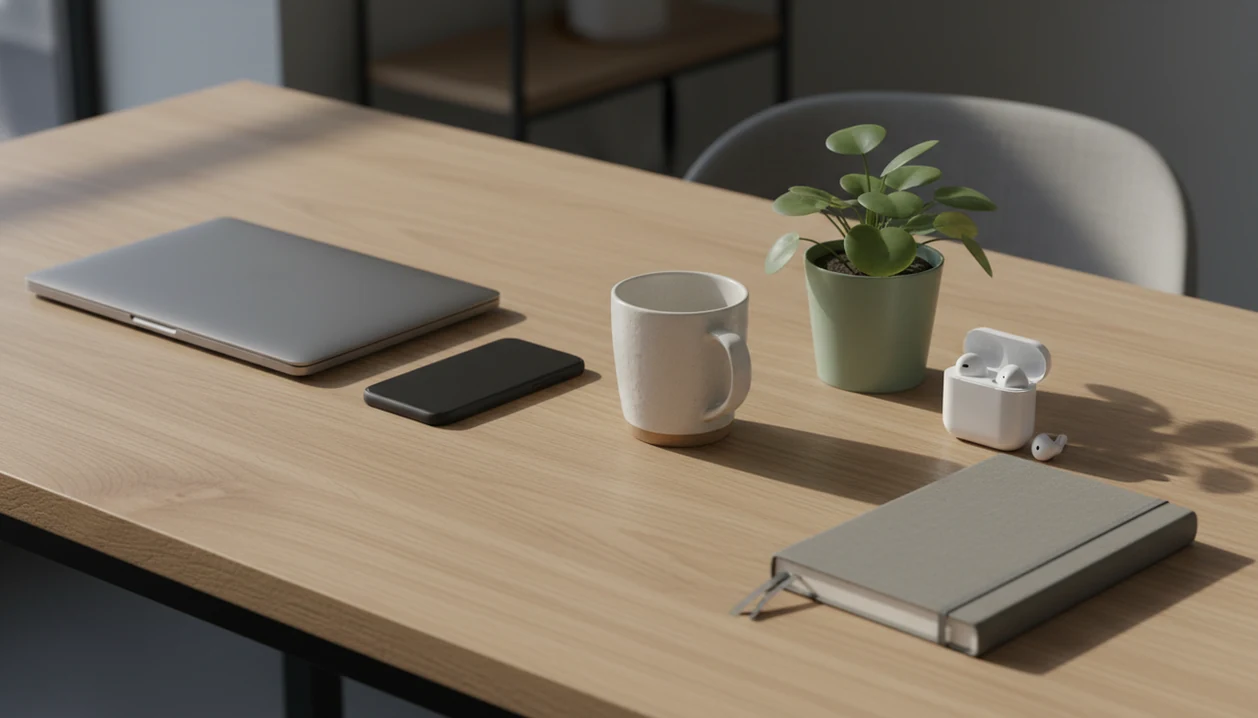
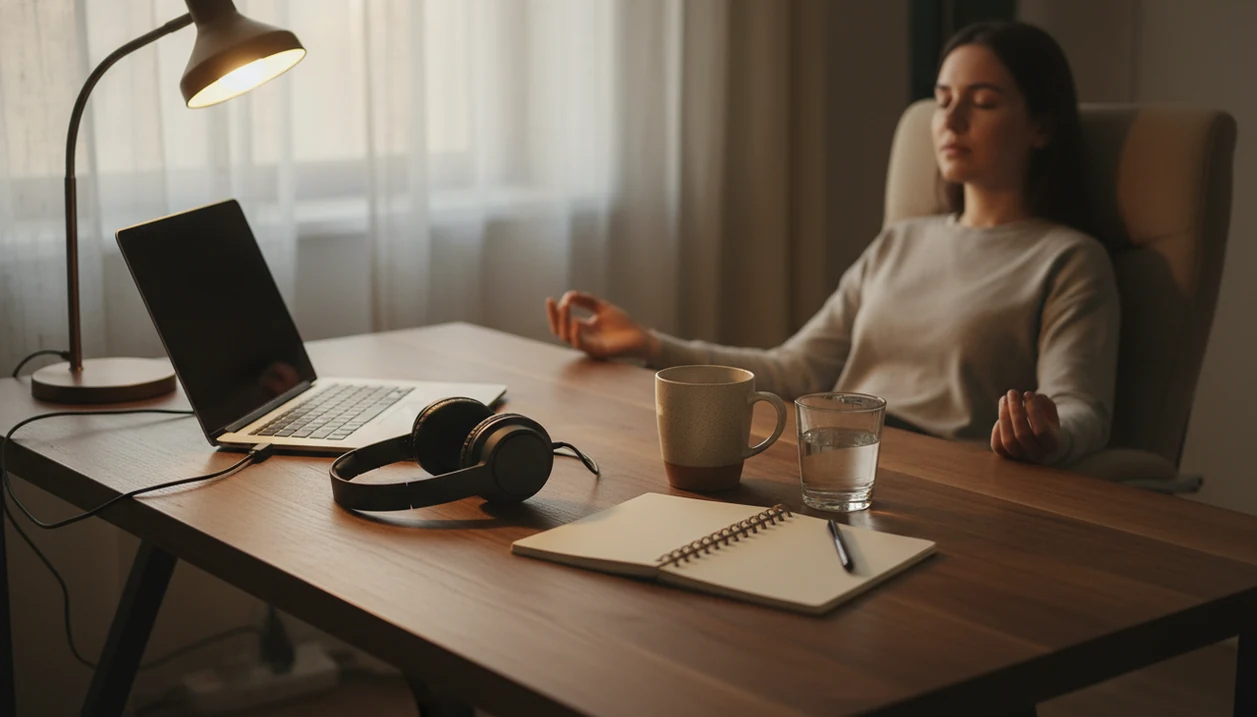
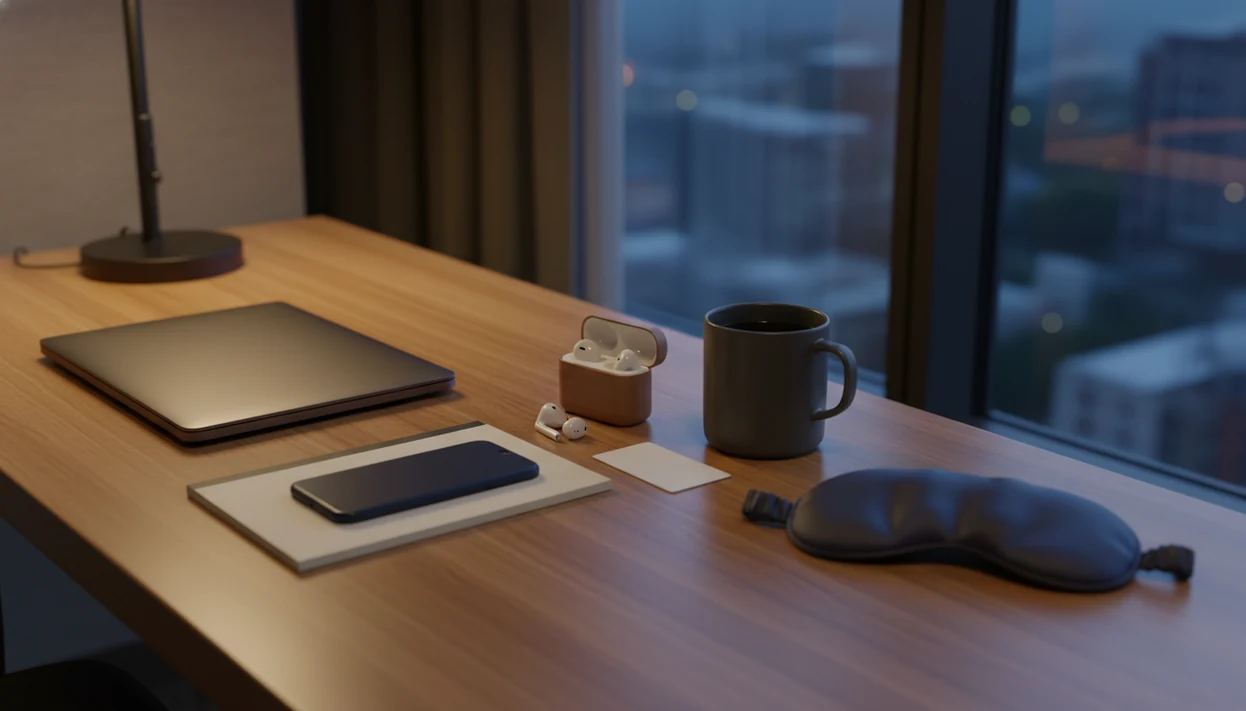
- Start a sleep wind-down session 20 minutes before bed, with the phone screen dimmed and earbuds nearby.
For CEOs, short app-based meditation is often easier than long sitting practice because it attaches to existing transitions in the workday. A fuller schedule-based version is outlined in our executive meditation routine.
5 CEO-Focused Features in a Leadership Meditation App
A leadership meditation app should reduce setup time, protect privacy, and support both daytime pressure and nighttime recovery. These five features matter more than a huge content library.
- Ultra-short sessions: 3-10 minute guided sessions fit between meetings, calls, and travel transfers.
- Sleep wind-down audio: Sleep stories and calm audio help with jet lag, pre-decision rest, and the 2:13 a.m. lock-screen check.
- AI personalization: The app adjusts to stress context without forcing manual playlist hunting.
- Private design: No public classes, social feeds, leaderboards, or shared progress pressure.
- Breathing exercises: Short breath-led resets help when the body is already keyed up.
Try this before bed.
Meditation usually works best when it becomes a repeated cue-based practice, while one-off listening fits people who only need occasional decompression. Leaders comparing performance pressure more broadly may also find meditation for high performers relevant.
CEO Meditation App Comparison: MindTastik vs Generic Apps
A CEO meditation app differs from a generic app when it adapts to executive context, privacy needs, and short decision-heavy windows. Larger apps may offer broader libraries, but they often require more browsing before the right session appears.
| Feature | MindTastik | Generic meditation apps |
|---|---|---|
| Session length flexibility | AI-generated short and longer sessions | Often fixed library lengths |
| AI personalization | Adapts to stress, focus, anxiety, calm, and sleep goals | Usually playlist or category based |
| Sleep-specific content | Wind-down and bedtime audio for travel-heavy schedules | Varies by app |
| Privacy | Built for discreet individual use | May include social or community features |
| Executive-context sessions | Can match board pressure, presentations, and post-crisis resets | Often more general relaxation language |
Calm, Headspace, and mindful.org can be useful for broad meditation education. MindTastik is more focused on context-aware audio for leaders who want fewer choices and faster starts.
Evidence on Meditation Apps, Workplace Mindfulness, and Executive Stress
Evidence supports meditation apps and workplace mindfulness as stress and sleep supports, but the effects are usually modest and depend on consistent use. Clinicians typically recommend professional care for severe anxiety, depression, trauma symptoms, or ongoing sleep disorders rather than relying on meditation alone.
- A 2021 randomized controlled trial found that 8 weeks of app-based mindfulness improved sleep quality and reduced fatigue, daytime sleepiness, and pre-sleep arousal in adults with sleep disturbance: NIH research: PMC7790277.
- A 2014 meta-analysis of 47 trials found moderate evidence for reduced anxiety, depression, and pain from mindfulness meditation programs: JAMA Internal Medicine study: 1809754.
- A 2019 workplace mindfulness review found reduced perceived stress and improved well-being across occupational groups: NIH research: PMC6433409.
- A 2017 worksite randomized trial reported reduced perceived stress and sleep difficulties after mindfulness training.
- The most common evidence-supported way to gain benefits is consistent practice over several weeks, combined with realistic sleep and workload habits.
Leadership research does not prove a CEO app improves decisions
Leadership-specific research provides a more relevant comparison than general stress studies alone. A 2023 meta-analysis covering 54 independent samples and 9,414 leaders found that leader mindfulness was associated with well-being, leadership relationships, job performance, and followers' well-being and performance. It also found strong evidence that mindfulness interventions improve leader well-being. Associations with performance, however, do not establish that a particular app causes better business decisions. For a different workplace perspective, mindfulness for teachers explores how attention practices can support classroom leadership.
The format of an intervention matters, too. A study of 60 leaders across multiple industries compared mindfulness-based leadership training with presentation-skills training. The mindfulness program included a two-day workshop and three months of individual coaching, and produced greater improvements in several leadership measures. That is substantially more support than a short audio session. These findings support mindfulness as a leadership practice, not a promise that app use alone produces the same results.
Define Overnight Escalation Rules for CEO Sleep Protection
Before an earnings announcement, acquisition deadline, or operational crisis, agree with your chief of staff or senior team on what genuinely requires waking the CEO. Separate incidents needing your authority from updates that can wait for the morning briefing. Name the person responsible for initial triage, specify one urgent contact channel, and keep that channel audible while silencing routine notifications. This preserves access for consequential decisions without making every message an invitation to resume work.
Sleep deserves attention beyond how many hours appear available in your calendar. In a survey of healthcare administrative leaders that included 279 CEOs, greater sleep-related impairment was independently associated with burnout. The finding does not establish causation or describe every industry. If you use a meditation app while remaining available overnight, choose audio that leaves your agreed alert audible. After an interruption, record the next action and its owner before returning to rest, rather than repeatedly reopening the entire decision. An unresolved handoff calls for clearer responsibility, not a longer meditation session.
MindTastik sessions for meeting breaks and bedtime
MindTastik offers guided meditations, focus sessions, breathing exercises, sleep stories, and soundscapes. Its breathing exercises are a practical starting point for a pause before an investor call or between difficult conversations. Guided meditation suits a more structured attention break, while sleep audio offers a separate option for ending the workday.
These options suit leaders who prefer individual audio practice. Those seeking feedback on leadership behavior should choose coaching; persistent anxiety or sleep problems call for professional assessment. MindTastik is not a medical treatment.
What meditation cannot fix in a CEO's workload
A CEO meditation app is a support tool, not a cure-all for leadership stress. It can make calm practice more available, but it cannot remove the causes of chronic overload.
- It cannot replace clinical care for severe anxiety, depression, substance misuse, trauma symptoms, or medical sleep disorders.
- Benefits are usually modest and depend on consistent multi-week use, not one impressive session before a board meeting.
- Not all meditation content is evidence-based or designed for executive contexts.
- It will not fix toxic culture, unsustainable workloads, poor delegation, or chronic travel demands.
- Adherence is a real barrier; some executives find guided audio distracting, repetitive, or hard to maintain.
- Sleep audio can support a wind-down routine, but it cannot compensate for constant late-night work.
- A private app may help with stigma, but it should not become a way to avoid asking for real support.
If the pressure comes from company-building volatility, meditation for startup stress support may be the more specific starting point.
Avoid turning a meeting reset into another performance target
- Starting with a long session can make meditation feel like another performance metric; begin with a short breathing exercise between commitments.
- Waiting until stress peaks often makes the session feel harder; a planned reset before the investor call may be easier to repeat.
- Using the same track for sleep, focus, and conflict recovery can blur the goal; choose the session based on the next decision you need to make.
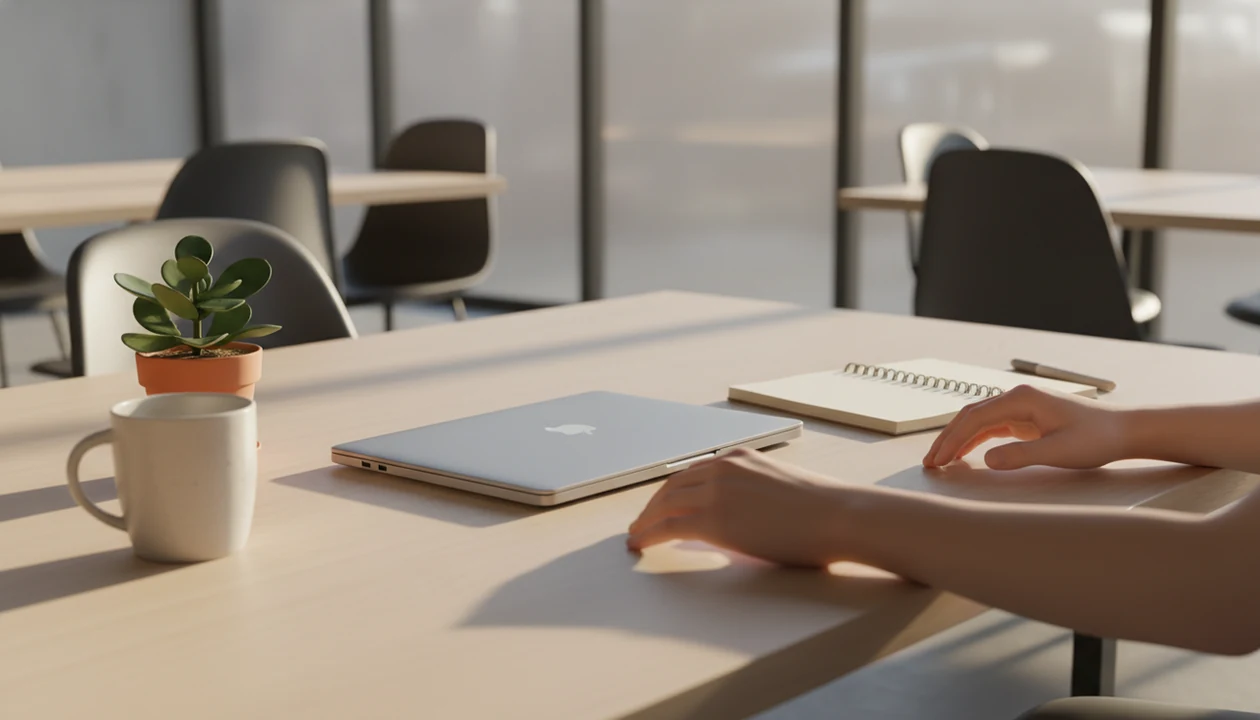
- Keeping the laptop open invites task-switching; a closed laptop is a simple boundary that tells the brain this is a reset, not another work tab.
- Judging the session by whether thoughts disappear misses the point; a useful CEO practice may simply create enough space to respond less automatically. When self-doubt adds to leadership pressure, learning how to overcome impostor syndrome can complement a regular meditation practice.
CEO meditation questions
How long should a CEO meditate each day?
Five minutes once daily on most days is a reasonable starting point in Harvard Medical School guidance. Practice can gradually increase to 10 to 20 minutes. Linking the session to an existing cue, such as morning coffee or lunch, makes the routine less dependent on finding an unexpected calendar gap.
What kind of meditation fits before a board meeting?
A short breathing exercise or guided attention session fits the preparation window before a board meeting. The aim is a pause before responding, not the removal of every anxious thought. Keep the session separate from reviewing slides or messages, and leave enough time for the meeting's practical preparation.
Is there evidence that meditation improves leadership?
A 2023 meta-analysis linked leader mindfulness with well-being, leadership relationships, job performance, and follower outcomes. It also supported benefits of mindfulness interventions for leader well-being. That evidence does not establish that a specific CEO meditation app improves decisions, financial results, or leadership behavior after a few brief sessions.
Can meditation replace executive coaching?
No. Meditation provides practice in attention and responding less automatically; executive coaching addresses leadership behavior, goals, and feedback. A leader can use both for different purposes. Neither an app nor coaching replaces clinical care when severe anxiety, depression, trauma symptoms, or persistent sleep problems need professional assessment.
Can a meditation app help with sleep during business travel?
Sleep audio can serve as a wind-down routine after late work or a flight, but it should not be presented as a treatment for jet lag or a medical sleep disorder. Its role is to support the transition away from work. It cannot make up for insufficient time available to sleep.
What if work thoughts keep interrupting meditation?
An empty mind is not the goal of the routines described here. When attention moves to an email, a hiring decision, or the next meeting, return to the breath or the audio prompt. Judge the session by completing the pause, rather than by whether all work thoughts disappear.
Does a CEO need a specialized meditation app?
Not necessarily. A general meditation app may be sufficient if its session lengths and content fit the schedule. Useful selection criteria include easy access to short guided sessions, breathing exercises, and separate sleep audio. An executive label matters less than finding an appropriate session without a lengthy search.