
Mindfulness At The Office: A Practical Guide For Calmer Workdays
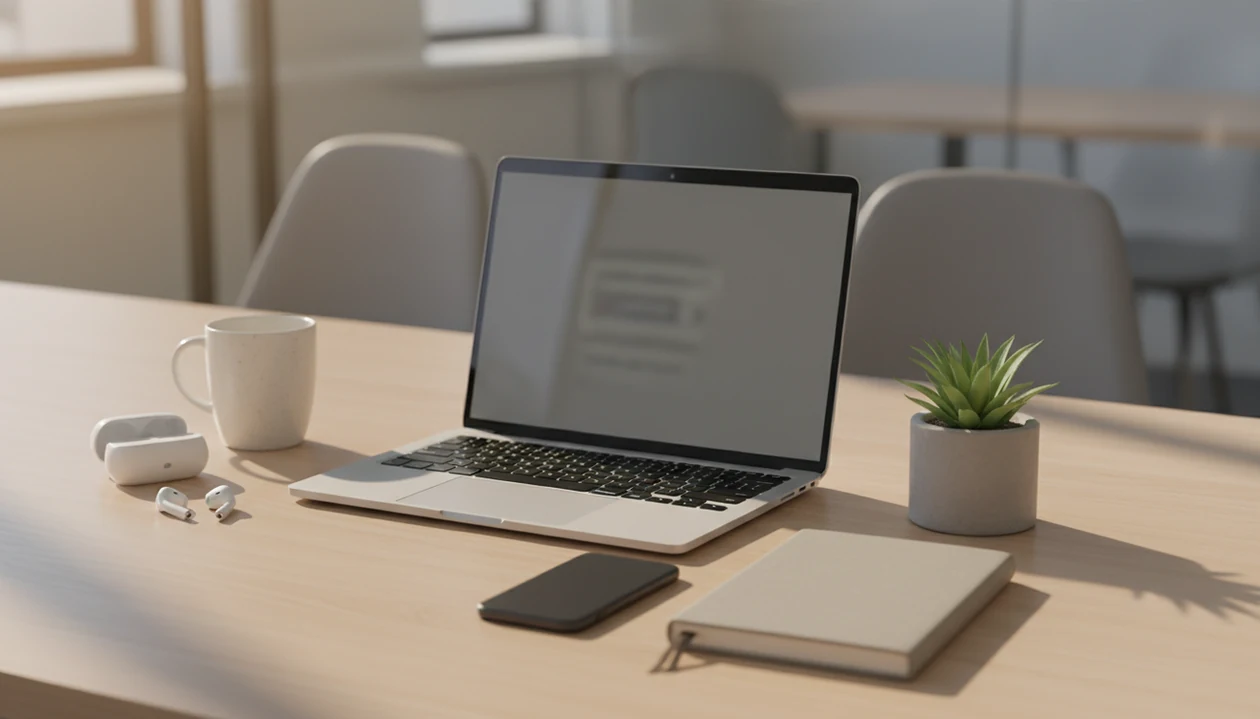


Mindfulness at the office means training attention to stay with the present task, meeting, or conversation rather than getting pulled into stress, email overload, or constant multitasking. Short practices, often 3 to 10 minutes, can include breathing breaks, body scans, mindful listening, and guided meditation. The aim is to notice distraction or tension and return to the task at hand.
Office mindfulness is not about staying calm all day. It is about noticing stress sooner and leaving room for a more deliberate response. Brief daily routines are easier to fit into work than long occasional sessions. Guided audio can provide structure for breathing, focus, and anxiety support, while sleep audio offers a separate option for winding down after work.
The essentials
- Office mindfulness is not about being calm all day; it is about noticing stress sooner and responding with more choice.
- Short daily practices, especially 3- to 10-minute routines, are more realistic for work than long occasional sessions.
- A guided meditation app can support office mindfulness with breathing exercises, focus resets, anxiety support, and sleep audio that helps the workday start from a steadier baseline.
Mindfulness At The Office Meaning In Plain Language
Mindfulness at the office is present-moment attention during ordinary work tasks, practiced with awareness rather than judgment. It means noticing thoughts, emotions, body tension, and impulses before they run the whole day.
In plain language, you are training the pause. You might take three breaths before opening email, listen fully during a status meeting, or notice jaw tension before sending a sharp reply. It is practical, not spiritual performance. It also is not forced positivity. Recognizing how ego affects mindful leadership can help you respond to workplace tension without becoming defensive.
Some days still feel messy.
A useful office practice fits inside real work. One person may pause before Slack. Another may soften their shoulders before a budget call. For people in leadership roles, the same skill can support steadier communication, which is why related routines often overlap with meditation for managers. The benefits of mindful leadership include more thoughtful communication and a clearer response to everyday workplace pressure.
Five Mindfulness At The Office Facts Employees Should Know
These five facts summarize what employees should know before starting mindfulness at work: the practice is short, trainable, and most useful when repeated over weeks. It supports stress awareness and attention, but it does not erase hard work conditions.
- Regular workplace mindfulness is linked with lower perceived stress, improved attention, and better emotional regulation in employees.
- A 2017 randomized trial of office workers found that a 6-week mindfulness program led to a 28% reduction in perceived stress and improved job satisfaction compared with controls NIH research: PMC5435774.
- A workplace mindfulness meta-analysis found small to moderate improvements in stress, anxiety, and well-being across intervention studies. NIH research: PMC5353526
- A randomized trial found that 10 minutes of guided mindfulness daily for 8 weeks improved sustained attention and reduced mind-wandering in information workers journals reference: article.
- Consistency over weeks matters more than occasional long sessions, especially when calendars are packed.
For busy employees, a daily 5-minute practice is often easier than a weekly 30-minute session because it attaches to work cues already happening.
How Mindfulness At The Office Works In The Brain And Workday
Mindfulness at the office works by training attention, interrupting automatic stress reactions, and making body signals easier to notice. The basic loop is simple: notice distraction, return to an anchor, and repeat.
The anchor may be breath, sound, posture, or the next sentence in a document. Over time, this builds attentional control, which means the mind gets more practice coming back after it wanders. In daily work, that can look like pausing before a tense email instead of answering from urgency.
The conference room chair between meetings can become a cue.
Body awareness matters too. Shallow breathing, jaw tension, tight shoulders, and fatigue often show up before a full stress spiral. Guided audio and reminders reduce friction because the next step is already chosen. Apps such as MindTastik, Calm, and Headspace can make those cues easier to repeat, but they do not cure burnout, anxiety disorders, insomnia, or toxic workplaces.
How To Use Mindfulness At The Office In Six Small Steps
Use mindfulness at the office by pairing short practices with work moments that already happen every day. The goal is not to add another big task; it is to make one small pause repeatable.
- Choose one daily cue, such as opening your laptop, starting email, ending lunch, or shutting down for the day.
- Breathe for one to three minutes before reacting to the first stressful task or message.
- Scan your body from shoulders to jaw, chest, stomach, and hands, then relax one area by ten percent.
- Single-task one work block by closing extra tabs and choosing one clear priority.
- Reset before meetings with one slow exhale and a quiet intention to listen.
- Close the day with a guided practice or sleep-support session if work stress follows you into the evening.
The most common medically supported way to build a workplace mindfulness habit is brief repeated practice combined with realistic cues and stress support.
Mindfulness At The Office Tips For Common Work Triggers
Mindfulness at the office works best when the technique matches the trigger. Email overload, meetings, conflict, and fatigue each need a slightly different reset.
Email And Chat Overload
Pause before opening the inbox. Notice the pull to answer everything now, then choose the first message on purpose. Urgency is a body feeling, not always an instruction. People in startup roles may need this even more, which is why meditation for startup stress support often focuses on inbox pressure and rapid context switching.
Meetings And Presentations
Between calls, take one minute to exhale slowly and feel your feet. Before a presentation, ground attention in your breath, the floor, and the next sentence only. Not the whole deck. Just the next sentence.
Conflict And Afternoon Fatigue
Before replying during conflict, silently name the emotion: anger, worry, embarrassment, pressure. In the afternoon slump, try mindful walking, stretching, or a brief body scan instead of forcing productivity through a foggy brain. Emotional intelligence leadership skills can help managers recognize emotions and respond constructively during difficult conversations.
Best For And Not For: Mindfulness At The Office Use Cases
Mindfulness at the office is useful for calmer transitions, steadier focus, less rumination, and more intentional communication. It is not a substitute for therapy, medical care, HR action, workload redesign, or sleep disorder treatment.
| Use case | Fit | Practical note |
|---|---|---|
| Employees with meeting-heavy days | ✅ Best for | Use one-minute transitions between calls. |
| Beginners who want guidance | ✅ Best for | Short guided routines are easier than silent practice. |
| Remote workers and knowledge workers | ✅ Best for | Pair practice with laptop, lunch, and shutdown cues. |
| Managers and healthcare staff | ✅ Useful for | Supports pausing before reactive communication. |
| Toxic workload or discrimination | ❌ Not enough | This needs workplace action, not only self-regulation. |
| Seated meditation feels distressing | ❌ Not ideal | Try walking, stretching, eyes-open practice, or professional support. |
For remote employees, movement-based pauses can be easier than desk meditation because the home office often blurs work and recovery; related routines appear in meditation for remote workers.
Workplace programs need time, not just an introductory seminar
A brief introduction and a sustained program should not be treated as equivalent. In a randomized trial of 60 employees at a marketing firm, a six-week mindfulness program improved attentional focus and reduced work-life conflict more than a half-day seminar. Both groups reported comparable improvements in perceived productivity. That distinction matters: feeling more productive does not establish that objective work performance improved.
For employers, a practical response is to provide protected practice time, accessible follow-up sessions, and manager support rather than adding meditation to an already full workload. Evaluation should continue beyond the final session. A trial involving 238 employees at two UK companies found that some app-based benefits remained detectable at 16 weeks, but this does not establish lasting benefits for every workplace program. Bringing mindfulness into company leadership starts with giving managers practical ways to model and support regular practice.
App Support For Mindfulness At The Office Routines
A workplace mindfulness tool should make practice easier to start, easier to repeat, and easy to stop when work resumes. MindTastik can support that pattern with guided meditation, breathing exercises, self-hypnosis sessions, anxiety support, sleep audio, and everyday calm routines, but the app should stay secondary to the workplace habit itself.
Reminders can pair with workplace cues: first email, lunch, a meeting block, or the shutdown ritual. A person might choose a 5-minute breathing exercise before a difficult call, then use sleep audio after a stressful workday. Good meditation app support for sleep, anxiety, and everyday calm delivers guided starting points, not a promise that an app can fix workload, trauma, or health conditions.
The late-night glance at tomorrow’s agenda matters too. If work concerns keep circling after hours, a simple wind-down routine may help the next morning feel less strained. MindTastik can offer wellness support, but it is not a substitute for professional care.
Mindfulness At The Office Script For A Three-Minute Reset
How do you do a three-minute mindfulness reset at work? Use this desk-friendly script silently, or record it in your own voice for a short guided session.
Sit in a way that lets your feet touch the floor. Let your hands rest where they are. Lower your gaze, or keep your eyes open if that feels better.
Take one slow inhale. Let the exhale be a little longer.
Notice your shoulders, jaw, chest, stomach, and hands. You do not need to change everything. Just notice what is already here.
When thoughts show up, name them lightly: planning, worrying, replaying, rushing. Then return to one breath.
Now choose the next task. One email. One sentence. One conversation.
Image caption guidance: Office worker wearing headphones during a brief mindful reset at a desk, illustrating mindfulness at the office without leaving the workday.
For founders under pressure, this same script can be shortened before investor calls; the broader pattern is covered in meditation for founders.
Common Mindfulness At The Office Mistakes
The most common office mindfulness mistake is trying to feel calm instead of noticing what is present. Calm may come, but awareness is the actual practice.
Another mistake is waiting for a quiet day. That day may not arrive. Practice before the inbox gets dramatic, not only after your body is already flooded. Many people also multitask during guided sessions, with the audio playing while they scan email. That usually turns the practice into background noise.
Headphones adjusted for the third time. Mind wandering in the first minute. Normal.
One session will not reverse chronic stress, poor sleep, or months of overload. The sleep-work loop matters: poor sleep can worsen focus and anxiety the next day, then work stress makes bedtime harder again. Meditation usually works best when daytime resets and evening wind-down routines support each other.
Closing Open Office Tasks Before They Follow You Home
Before logging out, give unfinished desk work a clear place to wait. In your task list, note the next action for the spreadsheet, the person whose approval you need, and the first priority for tomorrow. Separate work you can resume from work blocked by someone else. This creates a practical handoff to your next workday without requiring you to finish every email before leaving.
Then notice what remains in your attention: rehearsing a reply to your manager, mentally revising a presentation, or feeling tension after hours at the keyboard. Name the concern without trying to solve it again. If a useful action emerges, record it once rather than reopening your inbox. For office roles with evening coverage, use the agreed escalation channel to distinguish urgent messages from routine notifications.
A review of 23 workplace mindfulness trials found improvements in stress and smaller improvements in sleep. Those findings concern mindfulness programs, not this closing routine specifically. Treat the routine as a way to mark the transition out of desk work, rather than a promise of better sleep.
Short guided sessions between meetings
MindTastik's guided breathing exercises suit a brief pause before a difficult call or after a meeting. Its focus sessions are another option before returning to a single work task. Audio provides structure, but the useful habit is setting aside a few minutes without checking messages.
A silent desk pause may suit people who prefer no audio or cannot use headphones. Persistent anxiety, serious sleep problems, or harmful working conditions call for support beyond an app. MindTastik is not a medical treatment.
What office mindfulness cannot fix
Mindfulness at the office has real value, but it has clear limits. It should never be used to make employees responsible for problems that require structural or clinical support.
- Mindfulness does not fix toxic culture, unrealistic workloads, discrimination, harassment, or poor management.
- Evidence is stronger for perceived stress, attention, anxiety symptoms, and well-being than for hard business outcomes like revenue or promotion rates.
- Some people feel more anxious, restless, or uncomfortable during seated or silent practices.
- Benefits usually require regular practice over weeks, not sporadic use during crisis moments.
- Mindfulness should not be framed as a cure for burnout, clinical anxiety, insomnia, trauma, or panic.
- Employees may need HR support, workload changes, medical care, therapy, or crisis resources depending on the situation.
- If practice brings up intense memories or distress, stop and choose a supported option.
Clinicians typically recommend professional evaluation when anxiety, insomnia, depression, trauma symptoms, or burnout interfere with daily functioning. Workplace mindfulness can sit beside that care, but it should not replace it.
Office mindfulness questions
How can I practice mindfulness at my desk?
Rest both feet on the floor and notice the contact with the chair. Take a few comfortable breaths, then check for tension in the jaw, shoulders, and hands. Choose one next task. Eyes can stay open, and no special posture, equipment, or audio is necessary.
How long should a mindfulness break at work last?
A 3- to 10-minute practice is a practical starting point, while a one-minute pause can fit between calls. Attach it to a regular cue, such as finishing lunch or opening the laptop. These are scheduling options, not proven minimum doses. Broader benefits generally require repeated practice over weeks.
Does mindfulness improve concentration at work?
Mindfulness trains the act of noticing distraction and returning attention to an anchor or task. Workplace research has found improvements in attentional focus, including stronger results from sustained training than from a brief seminar. It does not remove interruptions or prove that employees will produce more or better work.
What is a quick mindfulness exercise before a meeting?
Feel both feet on the floor, release some shoulder tension, and take one comfortable breath with a slightly longer exhale. Set a simple intention, such as listening to the speaker before preparing a reply. This is a transition cue, not a guarantee that a difficult meeting will feel calm.
Can mindfulness help with email overload?
A pause before opening the inbox can make the urge to answer everything easier to notice. Select one message or task deliberately instead of switching repeatedly. Mindfulness may help with the reaction to overload, but excessive message volume still needs practical changes to priorities, response expectations, or workload.
What if meditation makes me anxious at work?
Some people feel more restless or uncomfortable during seated or silent practice. Stop rather than forcing the session. Keeping the eyes open, noticing sounds, or feeling the feet on the floor may be more comfortable than focusing on breathing. Persistent or worsening anxiety warrants professional support rather than more meditation.
Can an employer use mindfulness instead of addressing workplace stress?
Mindfulness should not replace action on unrealistic workloads, harassment, discrimination, or poor management. A useful program gives employees time and support to practice without making them responsible for structural problems. Changes in stress or satisfaction scores should also not be treated as proof of improved business performance.