
Teaching Mindfulness in High School: A Practical Guide for Calm, Focus, and Stress
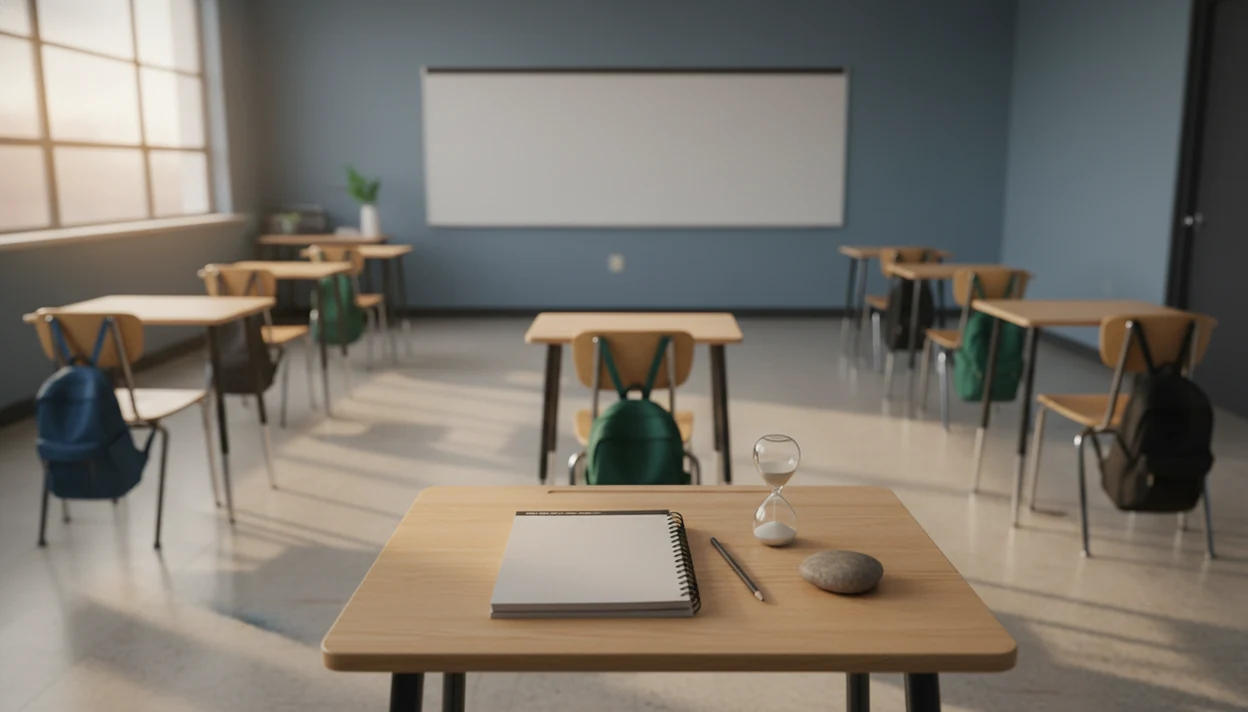


Teaching mindfulness in high school means guiding teens through brief attention and awareness practices that help them notice thoughts, emotions, and body sensations with less judgment. Breathing, mindful listening, grounding, journaling, and short guided meditations can connect this skill to concrete concerns: test stress, concentration, sleep, sports, and peer conflict. Start with one to three minutes, with longer practices of up to ten minutes only when appropriate.
Keep classroom routines secular, predictable, and voluntary. Students should have choices about posture, eye position, and what they focus on, including a quiet alternative to meditation. A practice before a test, after a transition, or during advisory can support readiness for the next task. It does not replace school counseling, mental health care, or accommodations.
Classroom essentials
- Use short 1-10 minute mindfulness practices before class, tests, transitions, or advisory periods.
- Keep the approach secular, trauma-informed, optional in posture and eye position, and connected to teen goals like sleep, anxiety, focus, and relationships.
- Mindfulness can support student well-being, but it should complement school counseling, accommodations, and mental health services when students need more help.
Teaching Mindfulness in High School: Five Evidence-Based Facts
- School-based mindfulness is a secular skills practice that helps students train attention, notice stress signals, and pause before reacting.
- A 2022 systematic review of 77 school-based mindfulness trials found small but significant improvements in mindfulness, executive functioning, attention, depression, anxiety/stress, and social behavior source.
- In that same review, 43 of 77 studies, or 56%, targeted mental health outcomes such as anxiety, depression, and stress.
- The benefits are useful, but modest. A one-off breathing break after a loud hallway transition rarely changes much by itself.
- Mindfulness should complement school counseling, accommodations, family support, and clinical care when students need more help.
For high school students, short repeated mindfulness practice is often easier than long meditation because it fits real classroom time. Think first bell, pre-test silence, or two minutes after lunch when the room is still buzzing.
Before You Start Teaching Mindfulness in High School
Before you start teaching mindfulness in high school, check the guardrails first. A calm routine works better when students, families, and staff understand that it is a brief secular classroom skill, not therapy or a belief practice.
- Confirm school policy before introducing any practice, especially rules about wellness language, parent communication, consent, privacy, audio tools, and student data.
- Decide how participation will work. Some schools prefer opt-in, some use opt-out, and some make the activity quietly alternative-friendly so a student can doodle, read a neutral card, or sit calmly without being singled out.
- Prepare anchors that do not require breath focus. Sound, sight, a fixed object, drawing, gentle stretching, or noticing feet on the floor can be easier for students who dislike internal body attention.
- Know your referral path. Involve counselors, nurses, case managers, family support staff, or administrators when a student shows panic, shuts down, discloses harm, or cannot return to class.
- Set the timer before you begin. One to three minutes is usually enough at first, especially with a new class.
High School Mindfulness Mechanisms in the Brain and Classroom
High school mindfulness works by training attention and emotional regulation through repeated, low-pressure practice. Students notice distraction, return to an anchor, and learn that a thought does not require an immediate reaction.
The anchor can be breath, sound, body sensation, or movement. In plain language, this builds a small pause between “I’m stressed” and “I snap back.” That pause matters during transitions, pre-test settling, advisory periods, and difficult peer moments.
A teacher does not need to sound like a therapist. A simple script can say, “Notice one breath, then bring your attention back to the room.” Structured guided audio can help non-expert teachers stay consistent and avoid overexplaining. Tools like MindTastik offer guided meditation, sleep audio, breathing exercises, and self-hypnosis for adults seeking sleep, anxiety, and calm support, but they should not be framed as teen therapy.
The room gets quieter in layers.
Five-Step High School Mindfulness Routine for Teachers
Use this routine when you want a repeatable classroom structure, not a special event. Keep it brief enough that students do not feel trapped in it.
1. Set a predictable mindfulness window
- Choose the first five minutes of class, advisory, homeroom, or the moment before assessments.
2. Explain the skill in secular language
- Say the goal is attention, stress reset, focus, and noticing, not belief or performance.
3. Offer student choice and alternatives
- Let students choose eyes open or closed, seated or standing, breathing or grounding.
4. Guide one short practice
- Start with one to three minutes, then build toward five to ten minutes when the group is ready.
5. Reflect and repeat weekly
- Ask for a thumb signal, one journal line, or an exit ticket about what felt manageable.
A student peeking at the timer is not failing. That is useful information for pacing.
Mindfulness Tips for Six Real High School Student Problems
Match the practice to the student problem instead of using the same script every time. Teens engage more when the reason is obvious.
| Student problem | Practice to try | Best timing |
|---|---|---|
| Test anxiety | Box breathing | Two minutes before the test starts |
| Sleep trouble | Short body scan | At home during a wind-down routine |
| Sports or performance pressure | One-minute breathing | Before warmups or auditions |
| Conflict with friends | 5-4-3-2-1 grounding | After lunch, before re-entering class |
| Social media overwhelm | Mindful listening | After phone-heavy breaks |
| Poor concentration | Breath counting | Start of class or study hall |
Apps can provide consistent guided sessions for sleep, anxiety, and focus when school policy allows or when used at home. MindTastik can be useful for parents, teachers, or older users looking for guided calm support. Families comparing teen-specific options may also want a broader guide to meditation for teens sleep and stress.
Five Beginner Mindfulness Activities for High School Classrooms
Beginner activities should feel ordinary, brief, and easy to repeat. UC Berkeley’s Greater Good Science Center has curated over 25 classroom-ready mindfulness practices for middle and high school students source.
One-minute breathing
Use this at the start of class. Students count breaths silently while keeping their feet on the floor.
Five-senses grounding
Use this after conflict or overstimulation. Students name what they see, hear, feel, smell, and taste. Beyond settling after conflict, mindfulness to reduce bullying connects awareness practices with kinder interactions and thoughtful responses.
Mindful listening
Use this during transitions. A bell, tone, or room sound becomes the attention anchor.
Body scan reset
Use this before sleep conversations or after long sitting. Keep it light, from shoulders to feet.
Mindful journaling
Use this after practice. One sentence is enough, especially for reluctant writers.
For younger siblings at home, a meditation for kids app may need simpler language and shorter audio.
Trauma-Informed Mindfulness Safety Rules for High School Students
Can mindfulness feel unsafe for some students? Yes, especially when adults force stillness, eye closure, silence, or internal body focus without choice.
Never require students to close their eyes. Offer posture options, participation choices, focus points, and movement-based alternatives. A student can look down, doodle quietly, keep both feet grounded, or notice objects in the room instead of tracking breath or heartbeat. For younger children, learning how to teach empathy to preschoolers can complement these respectful, choice-based practices.
Avoid long silence, intense body scans, or emotionally loaded prompts with beginners. “Notice your body” may sound simple, but for some students it is too much. Grounding through sight, sound, or touch can be safer.
Refer a student to a school counselor if mindfulness leads to panic, shutdown, repeated distress, disclosure of harm, or inability to return to class. Safety is good pedagogy, not fear-based avoidance. The same principle applies at home with calm down meditation for kids: choice comes first.
10-Minute High School Mindfulness Lesson Plan and Weekly Schedule
Start with one weekly practice or one daily micro-practice. A predictable rhythm works better than a long lesson that disappears after exam week.
A 10-minute mindfulness lesson structure
- Settle for one minute with feet on the floor and phones away.
- Explain the focus for one minute, using words like attention, reset, and stress.
- Guide five minutes of breathing, listening, or grounding.
- Reflect for two minutes with a journal line or exit ticket.
- Transition for one minute into the next academic task.
A weekly classroom schedule
Use advisory, homeroom, health class, or the minutes before high-stress academic moments. In an Edutopia high school example, daily 1-10 minute practices were associated with student-reported gains in stress, confidence, relationships, communication, health, and focus. source.
Prepared scripts or guided audio reduce planning burden. For home routines, bedtime meditation for children can support a calmer evening structure. Families with very young children can explore short meditation for toddlers for simpler, age-appropriate practices at home.
Check usefulness without grading students on calmness
Before introducing a routine, choose a modest goal: a more settled transition, fewer interruptions, or better readiness to begin work. Track relevant classroom patterns rather than treating silence as proof of success. A 2023 review of school adjustment outcomes found small effects on overall school adjustment and academic performance, with larger effects on attention and mindfulness. Those averages do not establish that a particular classroom routine improves grades.
Evaluation should also record discomfort and requests for alternatives, not just apparent benefits. Students can give brief feedback about which attention anchors feel manageable without disclosing personal experiences. Increased anxiety, intrusive memories, or upsetting bodily sensations are reasons to stop or adapt the practice and use the school’s support pathways. The review of school mindfulness outcome evidence supports potential benefits, but does not justify assuming that every student will benefit or tolerate the same instructions.
Best Uses and Misuses for High School Mindfulness
Mindfulness fits best as a classroom readiness and self-awareness tool. It becomes a misuse when adults treat it as a cure, a behavior-control tactic, or a substitute for support.
| Best for | Not for |
|---|---|
| Class transitions | Replacing therapy |
| Test preparation | Disciplining students |
| Advisory check-ins | Forcing compliance |
| Sleep and stress conversations | Treating clinical anxiety or depression alone |
| Attention resets | Solving school climate issues by itself |
| Emotional self-awareness | Avoiding accommodations or counseling referrals |
The American Psychiatric Association has noted that mindfulness can help people manage stress and anxiety, build resilience, reduce depression, and support student mental, emotional, and behavioral health. source. Clinicians typically recommend extra support when distress is persistent, severe, or impairing daily life.
MindTastik supports sleep, anxiety, and everyday calm for adults. School use of any app should follow policy, consent rules, and age-appropriate guidance. For mothers balancing family demands, meditation for moms offers practices focused on their own need for calm.
Guided practice between school and bedtime
MindTastik’s guided meditations, focus sessions, and breathing exercises can provide an optional practice before homework or a test. Sleep stories and soundscapes offer a different option for a home wind-down routine. Teachers should review any audio before using it with students and retain a non-audio alternative. Teens who find breath focus uncomfortable should choose an external attention practice instead. Persistent anxiety, sleep difficulties, or distress call for appropriate support, not an app alone.
Small average benefits, uneven results, and student discomfort
Mindfulness is useful, but it has clear limits in high school settings.
- Research effects are generally small, not life-changing on their own.
- Programs vary widely in teacher training, quality, duration, follow-up, and student buy-in.
- Mindfulness may feel uncomfortable or triggering for some students, especially with forced silence or body focus.
- It should not replace school counseling, therapy, crisis support, IEP/504 accommodations, or medical care.
- Teachers need support and consistency. One-off practices rarely shift classroom habits.
- Evidence for long-term academic outcomes is less certain than evidence for short-term well-being outcomes.
- Digital tools and apps must be age-appropriate, privacy-aware, and aligned with school policy.
- Some students will dislike it. Let that be data, not a power struggle.
For families building calm habits outside school, a family mindfulness routine can make practice feel less like homework and more like shared structure.
High school mindfulness questions
How do teachers introduce mindfulness to high school students?
Explain it as a brief attention skill, not a requirement to feel calm or stop thinking. Begin with one to three minutes of listening, grounding, or breathing. Connect the practice to a specific classroom moment, such as settling before a test, and explain the participation choices before starting.
How long should a high school mindfulness session last?
Start with one to three minutes. A brief, predictable practice is easier to fit into class than an occasional long session. Five to ten minutes may suit a planned lesson once students understand the choices and purpose. Longer practice should not become compulsory simply because some students enjoy it.
Can classroom mindfulness improve grades or test performance?
School mindfulness research reports small average effects on academic performance and more promising effects on attention. That does not guarantee higher grades or better results on a particular test. Treat mindfulness as a supplementary readiness skill, alongside teaching, study support, accommodations, and help for students experiencing significant anxiety.
Should students have to close their eyes or focus on breathing?
No. Students can keep their eyes open and attend to sounds, objects in the room, or contact between their feet and the floor. Breath focus and internal body awareness can be uncomfortable for some students. Offer an alternative from the start rather than requiring a student to explain why they need one.
What should a teacher do if mindfulness makes a student anxious?
Stop the practice for that student and offer an eyes-open, external focus or a quiet alternative. Do not frame distress as failure or ask for personal details in front of classmates. Follow school support and referral procedures when distress persists, and reconsider the instructions before repeating the activity.
Is mindfulness religious, and can students opt out?
Classroom mindfulness can be taught as a secular attention skill without spiritual claims or belief instruction. Schools should communicate its purpose and limits to families and follow their consent policies. Students should have a non-meditative alternative without penalty, with respect for religious, cultural, and personal objections.
Can mindfulness be used to discipline students or stop bullying?
Mindfulness should not be punishment or a forced compliance exercise. It may support self-regulation and awareness, but it does not replace safeguarding, behavioral support, or school-wide bullying prevention. A breathing break after conflict is not a sufficient response when a student needs protection or a harmful situation remains unresolved.