
Gratitude Meditation For Kids: A Practical Parent Guide
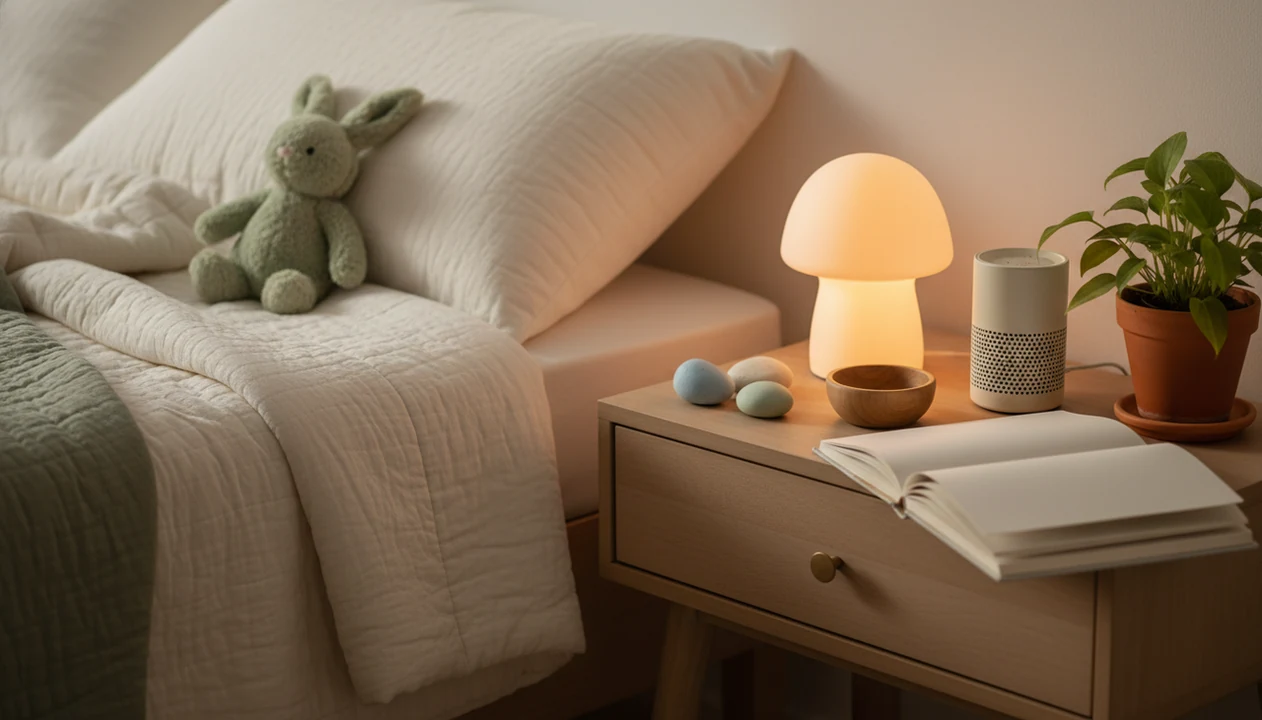


Gratitude meditation for kids is a short, guided practice that combines slow breathing, body relaxation, and noticing one or two safe, kind parts of the day. A child might remember someone who helped, a comfortable place, or a small moment they enjoyed. The prompts work best when they name familiar things rather than ask children to explain gratitude in abstract terms.
A gentle 5 to 10 minute routine can fit bedtime, the pause after school, or preparation for a stressful moment. Spoken guidance keeps the task simple: breathe, settle, and recall something comforting. Gratitude should not become a demand to feel happy. Children can appreciate a warm blanket and still feel sad or angry, and this practice does not replace emotional validation, therapy, or medical care.
The parent essentials
- Keep gratitude meditation short, guided, and concrete: 3 thankful things, one cozy memory, or one person who helped today.
- Research on gratitude and mindfulness in young people links consistent practice with better life satisfaction, lower negative emotions, reduced stress, improved attention, and more prosocial behavior.
- Guided audio can support bedtime, anxiety, and everyday calm routines, but gratitude meditation should not replace emotional validation, therapy, or medical care when a child is struggling.
Gratitude Meditation For Kids: Quick Parent Answer
Gratitude meditation for kids is a guided calm practice where a child notices the breath, relaxes the body, and names something they appreciate. Most families do best with 5-10 minutes, especially when the practice is spoken aloud or played as gentle audio.
A parent might say, “Feel your back on the bed. Take one slow breath. Think of one person who helped you today.” That is enough. Kids usually need clear prompts, not long silence.
This practice can support everyday calm, bedtime wind-down, and mild worries, but it should not erase sadness, anger, fear, or disappointment. A child can feel thankful for a warm blanket and still be upset about a hard school day.
Both can be true.
A guided-audio routine can support sleep, anxiety, and everyday calm when parents want a short session instead of making up words at night.
How Gratitude Meditation For Kids Works In The Brain And Body
Gratitude meditation for kids works by pairing breath awareness, body relaxation, attention shifting, and memory recall. In plain terms, the child slows down, notices the body, and gently turns attention toward something safe, familiar, or kind.
Breathing gives the body a simple rhythm to follow. Body settling helps children notice tight shoulders, wiggly legs, or a busy chest. Thankful reflection then uses memory recall, which means bringing back a real moment, like a teacher helping with a math page or a dog curling up beside them.
For children, concrete prompts usually work better than silent adult-style meditation. “Name one cozy thing in your room” is easier than “clear your mind.” A half-empty water glass by the bed may become the gratitude cue: “My body had what it needed tonight.”
The evidence is promising, but specific research on this exact combined phrase is limited. Studies more often examine gratitude exercises, school mindfulness programs, or relaxation routines, then parents adapt those ideas into one child-friendly practice.
5 Gratitude Meditation For Kids Facts Parents Should Know
- Fact 1: Gratitude meditation for kids combines mindfulness with intentionally noticing what feels good, safe, helpful, or kind.
- Fact 2: Sessions should usually be 5-10 minutes for younger children and up to 15 minutes for older kids or early adolescents.
- Fact 3: In a randomized study of 221 early adolescents ages 11-13, a 3-week gratitude intervention was linked with higher life satisfaction and optimism, plus lower negative affect. Source: Froh, Sefick, and Emmons, 2008: source.
- Fact 4: Mindfulness programs for children have shown improvements in stress, anxiety, attention, emotional problems, and prosocial behavior in school-based research. Source: Zenner, Herrnleben-Kurz, and Walach, 2014: source.
- Fact 5: Consistency matters more than a beautiful script, and gratitude should never be forced.
A useful parent rule is simple: for younger kids, a guided three-things practice is often easier than silent meditation because the child knows exactly what to do next. If your child needs more movement first, parent and child breathing exercises can make the transition softer.
Small counts.
What mindfulness studies tell parents, and what they do not
The research behind this practice needs a careful distinction: studies of school mindfulness programs are not studies of a short bedtime gratitude script. A 2014 systematic review and meta-analysis found a moderate overall effect across school programs, with benefits for resilience and stress. Effects on emotional problems were smaller and not statistically significant. Those findings support cautious expectations, not a promise that a thankful thought will resolve a child’s distress.
A 2021 review of meditation techniques in mindfulness programs found reasonably supportive evidence for children’s cognitive and social-emotional skills, but not for improved academic skills. For families, the practical distinction is between offering a skill-building routine and expecting a treatment or better grades. A child’s willingness to participate and ability to follow the prompts are more useful guides for a home routine than claims about school performance.
How To Use Gratitude Meditation For Kids At Bedtime Or After School
Use gratitude meditation for kids as a predictable, low-pressure routine. The goal is not a perfect calm child; it is one repeatable way to pause, breathe, and feel supported.
- Set a predictable time such as bedtime, after-school snack, a car-ride pause, or a pre-test reset.
- Choose audio-only guidance or a parent-read script, especially if screens make your child more alert.
- Start with slow breathing and body settling: “Feel your feet, soften your shoulders, let your belly move.” A snow globe mindfulness exercise gives children a visual way to watch movement settle before beginning thankful reflection.
- Ask for three concrete thankful things or one safe happy memory from the day.
- Close with one validating sentence: “You can be thankful and still have big feelings.” Pair this reassurance with teaching kids emotional intelligence so children can name feelings without being asked to change them.
At bedtime, dim the phone before starting audio and put it face down. Earbuds on a nightstand, one side slightly tangled around a charging cable, are fine if the sound stays gentle.
MindTastik may help families keep the routine audio-only, but a parent’s calm voice works too.
4 Gratitude Meditation For Kids Scripts By Goal
Goal-matched scripts are often easier than generic gratitude prompts because children know what kind of thankful thought to look for. “What helped your body feel safe?” lands better than “What are you grateful for?” after a long day.
Bedtime gratitude script
“Take a slow breath. Feel your bed holding you. Think of your blanket, your pillow, your body resting, your safe home, or one kind moment from today.” This pairs well with bedtime meditation for children when sleep needs a steady routine.
Anxiety reset gratitude script
“Name one helper, one brave thing you already did, one breath you can take, and one thing within reach.” This keeps gratitude close to the present moment, not far away.
Focus gratitude script
“Think of one thing you are learning, one effort you made, one person who can help, and one next step.” It works before homework or a test.
Family script: “Remember one shared meal, pet moment, sibling laugh, or person who helped today.”
Best Use Cases And Cautions For Gratitude Meditation For Kids
Gratitude meditation for kids fits best as a supportive routine for calm, connection, and transitions. It is not a treatment plan for significant anxiety, depression, trauma, insomnia, or behavioral concerns.
| Situation | Best use | Avoid use | Parent action |
|---|---|---|---|
| Bedtime wind-down | Short audio or parent-read script | Expecting instant sleep | Keep lights low and use the same closing line |
| Mild worries | Naming helpers and safe things | Telling a child to “just be grateful” | Validate worry first, then breathe |
| Family connection | Shared thankful moment | Turning it into a lesson | Let each person pass |
| Classroom transition | 2-minute breathing and gratitude cue | Long silent sitting | Use concrete prompts |
| Beginner meditation | Simple guided practice | Adult-style stillness | Keep it short and repeatable |
MindTastik is best positioned as supportive audio for routines, not treatment.
Gratitude Meditation For Kids Habit Tips That Stick
“How do I make gratitude meditation for kids a habit?” Stack it onto something your child already does, then keep the prompt short enough that nobody dreads it.
Try it after brushing teeth, before bedtime stories, during a quiet car ride, or with an after-school snack. A guided session queued before takeoff can also help travel feel more predictable, if the child already knows the routine.
Use reminders, short audio, calm background sounds, and repeatable scripts. Younger children may need prompts like “one person, one place, one thing.” Older kids may prefer privacy, humor, or a notebook where nobody corrects their answers. For a broader home rhythm, a family mindfulness routine can make gratitude feel shared instead of assigned.
For neurodivergent children, allow rocking, drawing, fidgets, or eyes open. Some children cannot name gratitude on command. Try, “What felt less bad today?” before asking for thanks.
If using an app before sleep, choose audio-only boundaries and lock the screen.
5 Common Gratitude Meditation For Kids Mistakes
The most common mistakes happen when adults make gratitude too long, too serious, or too corrective. A child who feels managed will often shut down.
- Using gratitude to dismiss feelings. “But you have so much to be thankful for” can make sadness or anger feel unwelcome.
- Asking children to sit silently too long. Most kids need guided words, breath cues, or gentle movement.
- Expecting instant sleep or anxiety fixes. Gratitude may support settling, but it does not flip a switch.
- Turning gratitude into moral performance. The practice should not become a test of kindness or maturity. For children attached to possessions, mindfulness for letting go can help them practice releasing things without pressure.
- Using bright screens right before bed. Choose audio-only mode, dim the device, and place it away from the child’s face.
For children with repeated worry spikes, gratitude can sit beside meditation for anxious kids, but it should not be the only support if anxiety is intense.
When To Seek Professional Help For A Child
Seek professional help when your child’s sleep, anxiety, mood, trauma reactions, or avoidance keeps interfering with daily life. Gratitude meditation can support a steady routine, but it does not diagnose, treat, or replace care from a qualified professional.
A calm check-in is enough to start. You do not need to wait until everything feels severe.
- Notice patterns such as persistent insomnia, panic episodes, school refusal, strong avoidance, nightmares, flashbacks, ongoing irritability, withdrawal, or mood changes that do not pass.
- Write down examples with dates, triggers, sleep changes, appetite changes, and what seems to help or worsen things.
- Contact a pediatrician for a first medical check, especially when sleep, appetite, headaches, stomachaches, or energy have changed.
- Ask for mental health support from a child therapist, school counselor, or another licensed professional if worry, sadness, trauma symptoms, or behavior concerns continue.
- Get urgent help immediately if your child talks about self-harm, wanting to die, harming someone else, or you feel they are not safe right now.
You are not overreacting by asking. Getting support early can make the home routine feel lighter for everyone.
Guided gratitude without a screen-led bedtime
MindTastik’s library includes gratitude sessions and kids sessions, making its guided meditation library an option for families who prefer spoken prompts to long silence. A parent can choose guidance that fits the child’s attention and use audio rather than keeping a bright screen in view. Children who dislike recorded voices may prefer a parent-read script. For persistent sleep problems, significant anxiety, or trauma reactions, professional support matters more than choosing an app.
What gratitude practice cannot promise for children
Gratitude meditation for kids has real promise, but parents should keep the limits clear.
- Evidence specifically on the phrase “gratitude meditation for kids” is limited. Much of what we know comes from gratitude exercises and broader mindfulness programs.
- It is not a substitute for professional support for significant anxiety, depression, trauma, insomnia, or behavioral concerns.
- Some children dislike reflective practices and may resist if parents push too hard.
- Benefits are usually gradual, modest, and dependent on consistency.
- App-based practice may involve devices near bedtime, so audio-only mode and screen boundaries matter.
- A child who cannot name something thankful should receive validation, not correction.
- Benefits may fade if the routine stops.
- Children who associate quiet reflection with pressure may need drawing, movement, or story-based calm first.
Clinicians typically recommend professional assessment when a child’s sleep, anxiety, mood, behavior, or trauma symptoms interfere with daily life. A guided practice can support the day, but it should not carry more weight than it can hold.
Parents’ questions about kids’ gratitude meditation
How do I explain gratitude meditation to a child?
Try a concrete explanation: “We will take a slow breath, let our bodies rest, and remember something kind or comforting.” Offer an example, such as someone helping with homework or a favorite blanket. The child does not need to understand an abstract definition of gratitude or produce an impressive answer.
What age can children start gratitude meditation?
Keep the practice matched to the child’s ability to follow simple prompts rather than treating a birthday as the starting point. Younger children may need one familiar example and spoken guidance. Research includes mindfulness programs for preschoolers, but that does not establish a minimum age or prove that a particular gratitude script works.
How long should a gratitude meditation for kids last?
A gentle 5 to 10 minutes is a practical starting routine, not a requirement to sit still for the full time. If the child loses interest, use one slow breath and one thankful thought, then finish. Older children who enjoy reflection may prefer a longer session, but duration is not a measure of success.
Can gratitude meditation help a child fall asleep?
It can be part of a bedtime wind-down, with quiet spoken prompts, body settling, and a familiar closing line. It should not come with a promise of immediate sleep. Choose audio or a parent-read script if a screen makes the child more alert. Persistent sleep difficulties need assessment rather than a longer meditation.
What if my child says there is nothing to be grateful for?
Accept the answer without arguing or listing what the child should appreciate. Name the feeling first, then offer a smaller prompt: “Was anything comfortable today?” A blanket or a helpful person may be easier to recall than a happy event. Passing is allowed, and breathing without thankful reflection is still an option.
Can gratitude meditation reduce anxiety in children?
It may offer a supportive pause for mild worries by pairing breathing with reminders of helpers or familiar comforts. Broader mindfulness research suggests possible benefits for anxiety, but evidence for this specific practice is limited. Frequent panic, strong avoidance, or anxiety that disrupts daily life calls for professional support.
Should children do gratitude meditation every day?
A predictable routine can make the prompts familiar, but daily participation should not become a rule enforced through guilt. Try attaching it to bedtime stories or an after-school pause, and let the child pass. If the routine repeatedly causes resistance, shorten it, change the prompt, or choose another quiet activity.