
Shielding Kids From Boredom: A Practical Parent Guide
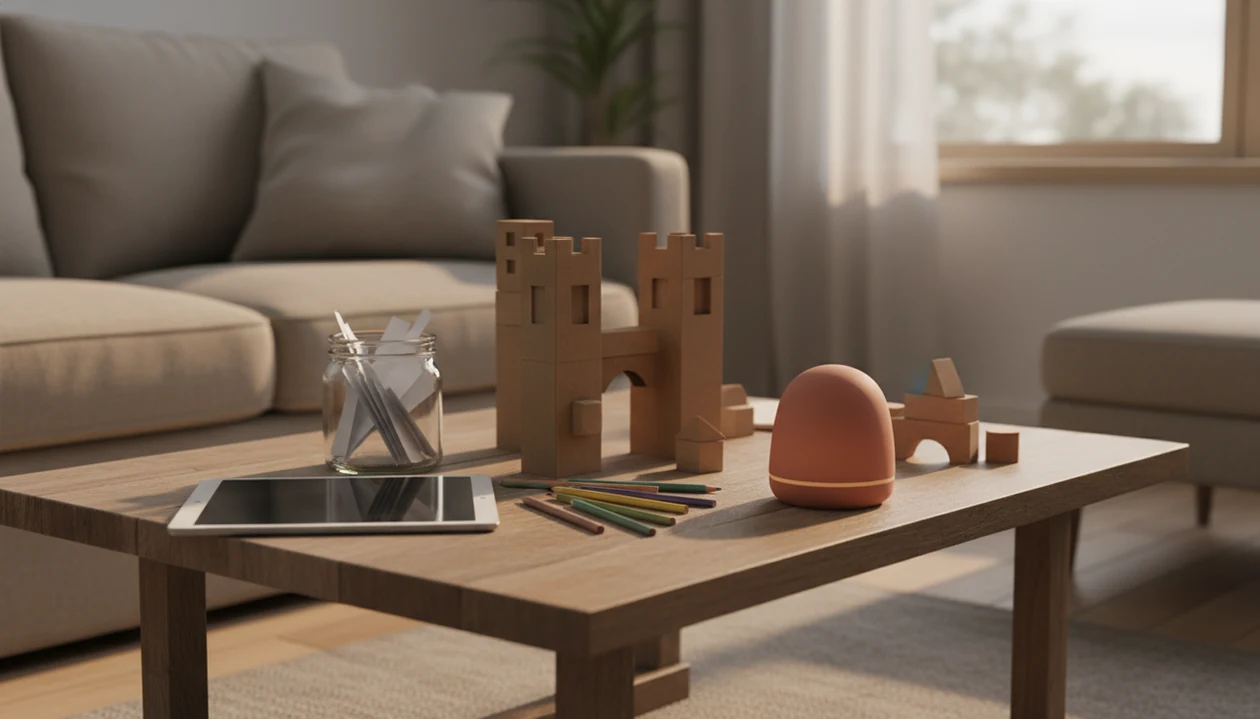


Shielding kids from boredom means repeatedly filling unstructured downtime with screens, activities, entertainment, or adult direction before children have a chance to choose what to do. That quick fix can become a habit. A more useful response is to acknowledge “I’m bored,” check for needs such as hunger or connection, and offer a small starting point rather than a full schedule.
Some boredom gives children room to practice imagination, frustration tolerance, and self-directed play. The goal is not to ignore them: it is to combine warmth and supervision with simple choices and predictable routines. Short calming practices can support that pause. MindTastik offers guided meditation, sleep audio, and breathing exercises for family quiet time, but it is not a substitute for professional care.
The parent takeaway
- Some boredom is healthy because it gives kids practice with imagination, frustration tolerance, and self-directed play.
- The goal is not to ignore children, but to coach them with simple choices, predictable routines, and calm-down tools.
- MindTastik can support family quiet time with guided meditation, sleep audio, breathing exercises, and self-hypnosis sessions, but it is not a substitute for professional care.
Shielding Kids From Boredom: The Parent Trap
Shielding kids from boredom means treating every “I’m bored” as a problem adults must solve right away. It can look like handing over a tablet, starting a show, buying another toy, offering snacks, or adding one more activity to an already full week.
Boredom is not a parenting failure. It is often a normal pause between stimulation, connection, and self-directed play. The hard part is that the complaint can sound urgent, especially in a checkout line, during dinner prep, or when siblings start poking each other on the couch.
This guide supports responsive parenting, not neglect. Children still need attention, safety, warmth, and help. The shift is smaller: pause before fixing, check what the child truly needs, then offer enough structure for them to begin.
Not every quiet minute needs rescuing.
5 Shielding Kids From Boredom Facts Parents Should Know
- Boredom can build useful skills. Unstructured time gives children room to invent games, solve small problems, and practice self-directed play without an adult script.
- Instant entertainment can shrink patience. When every bored moment gets a fast screen, snack, or new toy, some children get less practice tolerating frustration.
- Screens are common in daily life. A national survey reported that 42% of children ages 8 to 12 and 67% of teens used screen media for more than four hours daily. Source the survey inline: Common Sense Media, The Common Sense Census: Media Use by Tweens and Teens, 2021 (source).
- Mindfulness evidence is promising, but modest. A school-based mindfulness meta-analysis involving more than 6,000 children found small to moderate improvements in attention, behavior, and stress.
- “I’m bored” may mean something else. Tiredness, worry, loneliness, overstimulation, hunger, or a need for connection can all wear the same label.
For many families, boredom coaching works better than entertainment replacement because it teaches children what to do with the feeling, not just how to escape it.
How Shielding Kids From Boredom Works
Shielding kids from boredom works through a simple cue-reward loop: the child complains, the adult rescues, and quick stimulation arrives. The pattern feels helpful in the moment, but it can teach the brain to expect fast relief whenever downtime appears.
Novelty is powerful because new shows, games, snacks, and activities give a quick attention boost. Over time, that can make slower play feel less rewarding, not because blocks or drawing are useless, but because they ask the child to tolerate a quieter start. Coaching changes the loop without ignoring the child. A parent can validate the feeling, check for real needs, and offer limited choices: “You’re bored. Do you want drawing or blocks while I cook?” That warmth plus a boundary builds boredom tolerance, which means the child slowly learns, “I can feel this and still choose something.” If the complaint is really hunger, fatigue, anxiety, loneliness, or overstimulation, the answer is not boredom practice; it is food, rest, connection, calming, or extra support.
Shielding Kids From Boredom Loops in Daily Family Life
Shielding kids from boredom often becomes a cue-reward loop. The cue is “I’m bored.” The reward is quick stimulation. Over time, the child learns that boredom is intolerable and that an adult should remove it.
Novelty seeking is part of normal childhood. New sounds, games, shows, and social feedback grab attention quickly. But constant novelty can make slower activities feel flat, especially near bedtime when the body needs lower light, fewer choices, and less noise.
The loop shows up in small places. A child wanders into the kitchen, sighs loudly, and asks for a show before even looking at the crayons. A parent is tired and says yes. Understandable. Also repeatable. Small practices of mindfulness for busy parents can fit between everyday tasks, without adding another demanding routine.
Adult coaching interrupts the pattern without shame. You can help a child pause, name the feeling, check their body, and choose a next step. Apps for sleep anxiety and everyday calm can offer guided sessions, wind-down audio, and breathing support, not a replacement for parenting, play, or clinical care.
5 Steps to Stop Shielding Kids From Boredom Gently
Use this shielding kids from boredom guide when the complaint is ordinary boredom, not distress or unsafe behavior.
- Pause before fixing it. Take one breath before offering entertainment, because the pause teaches that boredom is survivable. Practicing meditation for parents can help you pause and respond calmly when boredom complaints feel demanding.
- Name the feeling and check needs. Say, “You feel bored,” then ask about hunger, tiredness, worry, overstimulation, or wanting time with you.
- Offer two or three simple choices. Try blocks, drawing, reading, backyard time, or a small job instead of opening an endless menu of options. For reading time, mindfulness books for kids can offer simple stories about attention, feelings, and slowing down.
- Set a short independent-play timer. Start with five to ten minutes, then return briefly so the child knows you have not disappeared.
- Reset with a quiet routine. Use breathing, drawing, reading, or audio relaxation when boredom is tangled with crankiness.
A parent-led family mindfulness routine can make the last step easier, especially after school or before bed.
Small starts count. For example: ‘I’ll start the timer, you choose blocks or drawing, and I’ll check back when the oven beeps.’ That one sentence gives warmth, a boundary, and a clear next move.
Shielding Kids From Boredom Tips by Age Group
Boredom coaching works best when the choices match the child’s age and independence. A preschooler needs visible choices. A teen often needs space, respect, and a reason to come back offline.
| Age group | Helpful boredom supports | Parent role |
|---|---|---|
| Ages 3-5 | Sensory play, pretend play, simple cleanup jobs, picture choice cards | Offer two choices and stay nearby |
| Ages 6-9 | Boredom jar, building projects, reading nook, outdoor tasks | Set a timer and praise starting, not finishing |
| Ages 10-12 | Hobby blocks, chores with autonomy, journaling, screen agreements | Let them help design the plan |
| Teens | Offline decompression, music, walking, creative projects, respectful independence | Set boundaries without hovering |
For toddlers and preschoolers, a very short practice may help them shift gears. A parent can pair movement or stuffed-animal breathing with short meditation for toddlers when quiet play feels impossible.
Best-Fit Families for a Shielding Kids From Boredom Guide
This approach fits everyday boredom, mild restlessness, transition times, bedtime wind-down, and screen-limit conflicts. It is not designed for acute distress, severe anxiety, depression signs, unsafe behavior, or persistent sleep problems.
| Best for | Not ideal for |
|---|---|
| ✓ “I’m bored” after school | ✕ Panic, shutdowns, or unsafe behavior |
| ✓ Waiting rooms, car rides, and meal prep | ✕ Persistent sadness or loss of interest |
| ✓ Mild screen-limit pushback | ✕ Severe anxiety or school refusal |
| ✓ Bedtime wind-down resistance | ✕ Ongoing insomnia or night terrors |
| ✓ Building independent play | ✕ Needs linked to trauma without support |
Children with ADHD, autism, sensory differences, or trauma histories may need adapted choices, shorter timers, body breaks, or specialist guidance. Clinicians typically recommend extra assessment when symptoms are persistent, intense, unsafe, or impairing school, sleep, or relationships. Alongside adapted support for children, mindfulness for parents of autistic children can offer caregivers space to manage their own stress.
Mindfulness Support for Less Shielding Kids From Boredom
Mindfulness does not erase boredom. It teaches children to notice a feeling, breathe through the first uncomfortable wave, and settle enough to choose what comes next.
Research on children’s mindfulness is encouraging, but not dramatic. A child-and-adolescent mindfulness meta-analysis reported small positive effects across 76 randomized trials and 6,121 participants, with stronger evidence for structured programs than casual app use (source).
At home, keep it short. A child choosing between a 5-minute breathing exercise and a 20-minute body scan may need the five-minute option almost every time. Tools like MindTastik, Calm, Headspace, and mindful.org can support sleep audio, breathing exercises, guided meditation, and adult self-hypnosis sessions, with parent-led adaptation for family calm. For anxious children, pair this with steady routines and consider meditation for anxious kids as a gentle starting point.
Mindfulness research does not prove a cure for boredom
The research supports a narrower claim than “meditation stops boredom.” A 2021 systematic review of meditation techniques in children’s mindfulness programs found reasonably supportive evidence for cognitive and social-emotional skills, but not academic skills. These studies examined mindfulness programs, not the specific parenting habit of immediately entertaining a bored child. They cannot establish that a particular app or breathing break builds independent play.
Findings about managing emotions also need care. A 2023 review of group mindfulness interventions for children found mixed results for emotion regulation, although some studies reported improvements. At home, noticing a feeling and pausing before reacting can be offered as skills to practice. A child remaining restless afterward does not mean the child has failed, and calm should not be a condition for receiving attention or help.
Screen Boundaries for Shielding Kids From Boredom
Screens are useful. They can help during travel, sick days, long waits, and exhausted afternoons. The problem begins when screens become the automatic answer to every bored moment.
A national screen media survey found that 42% of children ages 8 to 12 and 67% of teens used screen media for more than four hours per day. That does not mean every family needs the same limit. It does suggest many children get little practice with slow, offline downtime.
Try screen-free anchor times instead of rigid rules that collapse by Wednesday. Meals, the first 30 minutes after school, bedtime wind-down, and short car rides are good places to start when possible. Replace instant screens with a boredom menu, audio story, drawing supplies, movement, or a quiet corner. For evenings, bedtime meditation for children can be one calmer option.
Shielding Kids From Boredom Image Caption
Suggested image caption: A parent sits beside a child near a simple boredom choice list and calm corner, using shielding kids from boredom tips that offer quiet time, simple choices, and self-directed play without ignoring the child.
The scene should feel warm and ordinary. Think paper choices on the wall, a few books, crayons, a soft chair, and a parent close enough to help but not directing every move. The message is not “leave kids alone.” It is “give them a starting point, then let them practice.” Stock the quiet corner with mindfulness books for children to give young readers another gentle starting point.
A small list can do a lot.
A short breathing break before choosing an activity
MindTastik’s kids sessions and guided breathing exercises can fit a brief pause after school, during a screen break, or before bedtime. The purpose is to settle enough to choose an activity, not to replace play with another stream of entertainment. Parents can also use a session to pause before responding to repeated complaints. A child who dislikes guided audio may prefer drawing, movement, or quiet company. Persistent distress calls for professional support, not a longer meditation session.
When boredom coaching is not enough
Boredom coaching is useful, but it has limits. It should not be treated as a cure for emotional, developmental, sleep, or safety concerns.
- Meditation apps alone do not have strong evidence for large, lasting changes in children.
- Most stronger evidence comes from school-based or structured mindfulness programs, not consumer apps.
- Boredom tolerance works best with sleep hygiene, screen boundaries, routines, play, and responsive parenting.
- Children with ADHD, autism, sensory sensitivities, or trauma histories may need adapted approaches.
- Quiet, body-focused exercises may feel uncomfortable for some children, especially if stillness increases worry.
- Persistent anxiety, depression signs, sleep disorders, school refusal, or unsafe behavior need professional guidance.
- MindTastik can support a calm routine, but it is not a substitute for professional evaluation or treatment.
If a child’s boredom sounds more like hopelessness, fear, or withdrawal, treat that as information. The next step may be a pediatrician, therapist, school counselor, or developmental specialist.
Questions about kids and boredom
Is boredom good for children?
Ordinary boredom can leave room for imagination, problem-solving, and self-directed play. It does not need to be created deliberately or prolonged when a child is distressed. The useful distinction is between allowing a quiet gap and withholding attention: children still need connection, supervision, and help getting started.
Why does my child say “I’m bored” when there are plenty of toys?
The complaint may mean more than a lack of things to do. A child might be tired, hungry, worried, overstimulated, or asking for company. Sometimes choosing and starting are the difficult parts. Check those needs first, then offer two familiar activities rather than another toy or a long list.
What should I say when my child keeps saying “I’m bored”?
Try: “You feel bored. Do you need something, or would you like help choosing?” After checking basic needs, offer two concrete options, such as drawing or building. A short independent-play period with a promised check-in can provide practice without making the child feel that asking for help is wrong.
How can I help a bored 7-year-old play independently?
Give a visible starting point: blocks on a clear floor, paper and crayons, or a book in a comfortable spot. Offer two choices and try a five- to ten-minute play period before checking back. Notice the effort to start rather than requiring a finished project or uninterrupted concentration.
Should I stop giving my child screens when they are bored?
Screens can be useful during travel, illness, long waits, or difficult afternoons. The aim is to avoid making them the automatic response to every complaint. Choose a manageable screen-free time, offer offline options, and keep the routine predictable. A screen limit should not replace checking for tiredness, worry, or a need for company.
Can meditation help a child tolerate boredom?
A brief breathing or noticing exercise may help a child pause before choosing what to do next. It will not necessarily remove boredom. Research findings vary, and stronger evidence comes from structured mindfulness programs rather than casual app use. Keep the practice optional and short, with play or movement as alternatives.
When should I worry about a child who is always bored?
Look beyond the word “bored” when it comes with persistent sadness, loss of interest, severe anxiety, school refusal, unsafe behavior, or ongoing sleep problems. Those patterns need more than activity suggestions. Seek professional guidance rather than treating them as a failure to tolerate downtime or something meditation alone should fix.