
Best AI Meditation Companion App for Calm, Sleep, and Anxiety Support
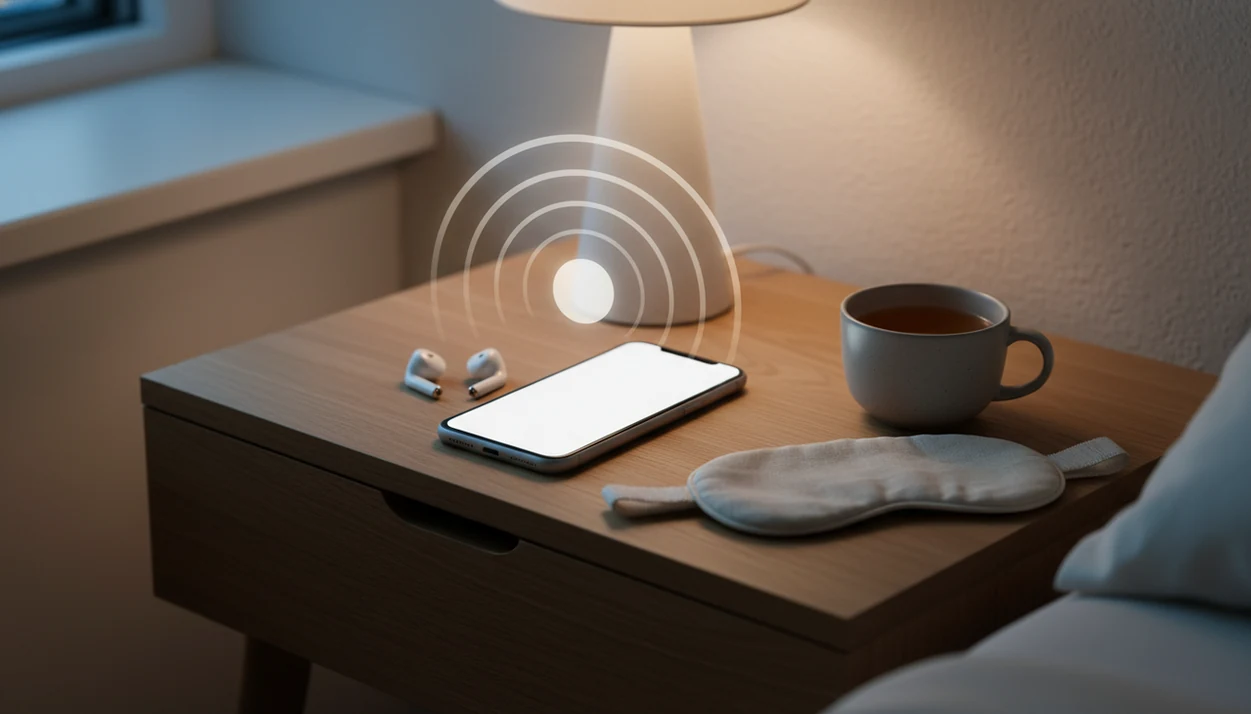


The best AI meditation companion app combines useful personalization with predictable guided audio and clear limits on medical advice. It can suggest meditations, sleep audio, breathing prompts, or check-ins based on mood, timing, and user input. For calm and sleep support, the priority is a manageable practice, not an increasingly elaborate conversation. Evidence-informed techniques and stable, pre-vetted sessions matter more than novelty.
MindTastik supports adults with guided meditations, sleep tracks, breathing practices, and self-hypnosis sessions for sleep, anxiety support, and everyday calm. An AI layer can help select or adapt a session, but it should not promise diagnosis, treatment, therapy replacement, or crisis care. This guide separates useful selection features from claims that the available research does not establish.
What matters before subscribing
- AI meditation companions can personalize meditations, sleep audio, breathing prompts, and check-ins based on mood, timing, or user input.
- The safest buyer criterion is not novelty; it is whether the app combines personalization with structured, evidence-informed, predictable audio.
- AI guided meditation should not claim to diagnose, treat, replace therapy, or provide crisis care.
AI Meditation App Quick Comparison for Calm Support
The best AI meditation app for sleep and calm should feel predictable at night, not surprising or emotionally intense. Use the table below to compare app models before subscribing.
| App type | Best for | Risk level | What to check before subscribing |
|---|---|---|---|
| Structured meditation library | Repeatable sleep, breathing, and body scan routines | Low | Session quality, categories, downloads, sleep voices |
| AI meditation companion | Mood-based recommendations and gentle personalization | Medium | Guardrails, privacy, crisis language, human support limits |
| AI script generator | Custom scripts for experimentation | Higher | Whether content is reviewed, saved, or emotionally safe |
| Hybrid app model | Stable audio with smart selection or light adjustment | Lower to medium | Whether AI maps to pre-vetted techniques, not endless chat |
For context, Calm and Headspace are better-known structured meditation libraries, Insight Timer is broader and community-heavy, and newer AI companion tools tend to lean harder on prompt-based personalization.
A hybrid model is usually safer for bedtime because it keeps the core session steady. MindTastik’s strength is a stable calm base: guided meditation, sleep audio, breathing exercises, and self-hypnosis sessions. The AI layer should help you choose, not keep you scrolling under blankets through too many options.
Familiar guidance often helps more than novelty in the middle of a restless night.
How an AI Meditation Companion Works Behind the Scenes
An AI meditation companion uses your inputs, such as mood, goal, session length, sleep problem, or stress trigger, to match you with a meditation response or audio session. In safer systems, those inputs map to a constrained set of techniques rather than unlimited chatbot output.
There are three common models. AI-generated scripts create new meditation text from your prompt. AI-curated recommendations pick from existing audio based on what you describe. AI-adjusted sessions may change length, voice, background sound, pacing, breathing pattern, or category. The technical layer often uses intent classification, which means the app guesses what kind of support you are asking for. A breathing techniques cheat sheet can help you compare common patterns before selecting a guided session.
The safer design is simple in the best way. If someone opens the app wanting a steady voice because worry feels hard to manage, it should point them toward breathwork, a body scan, or sleep audio. It should not invite heavy analysis during rest time. For daytime stress, a simple emotion wheel can also help name the feeling before choosing a session.
Five Criteria for the Best AI Meditation App
Use these five criteria before choosing an AI wellness app meditation product. Novel features matter less than whether the app stays calm, clear, and bounded when you are tired or anxious.
- Safety boundaries: The app should avoid diagnosis, crisis counseling, medication advice, or guaranteed clinical outcomes.
- Evidence-informed methods: Strong apps use mindfulness, breathwork, body scans, acceptance-based prompts, or CBT-style reflection carefully and without diagnosis.
- Predictable sleep content: More personalization is not always better for anxiety or insomnia because too much variation can feel stimulating.
- Transparent personalization: You should know whether AI is generating a script, adjusting settings, or recommending existing audio.
- Easy fallback to non-AI audio: A reliable app lets you play familiar tracks when you do not want to interact.
Also check privacy, data retention, crisis language, and whether human support is available when needed. For people comparing price and access, free meditation apps for sleep can be a useful baseline before paying for AI features.
Check what happens to mood logs and voice recordings
Personalization can involve information about mood, sleep difficulties, stressful events, or spoken prompts. Before entering sensitive details, check which data the app collects and whether it shares them with advertisers, analytics providers, or other third parties. A privacy policy alone is not reassurance: an analysis of 40 popular mental-health apps found that policy availability varied, and the presence of a policy did not guarantee strong privacy.
A useful subscription check is to look for explicit wording about mood logs, journal entries, voice recordings, identifiers, and usage data. If the explanation is unclear, a session request can stay general, such as a short body scan, without including a detailed personal history. An independent review of 192 mindfulness apps also identified shortcomings in privacy protection and security, so a high store rating should not substitute for checking data practices.
AI Guided Meditation Evidence and App-Based Mindfulness Research
The strongest evidence supports mindfulness practice and app-based guided meditation more than AI-generated meditation specifically. That distinction matters when a product sounds more clinical than it really is.
A 2019 large U.S. survey found that mindfulness and meditation app users reported lower anxiety and depressive symptoms, with app use linked to about a 7 to 9 percent reduction in psychological distress scores (jmir reference). A 2014 JAMA Internal Medicine meta-analysis reported moderate anxiety symptom reductions for mindfulness-based interventions, with an effect size around g = 0.63 (JAMA Internal Medicine study: 1809754). A 2021 randomized clinical trial found that 8 weeks of mindfulness meditation smartphone app use significantly reduced stress, depressive symptoms, and anxiety versus a waitlist group (nature reference: s41746 021 00480 3).
These findings support structured mindfulness and guided practice. They do not prove that every AI-generated script is effective or safe. Clinicians typically recommend meditation as a supportive practice, not as a replacement for therapy, medication, crisis care, or diagnosis. The most common medically supported way to use meditation for stress is as a repeatable self-regulation practice combined with appropriate human care when symptoms are severe.
What the research can actually support
The 2014 review needs a precise reading: across 47 randomized trials involving 3,515 participants, mindfulness meditation had moderate evidence for improving anxiety, with effect sizes of 0.38 at eight weeks and 0.22 at three-to-six-month follow-up. Those are the anxiety estimates reported in the JAMA Internal Medicine review, rather than the 0.63 figure above. Evidence for sleep improvement was low or insufficient, and meditation was not shown to outperform active treatments.
App research also raises a practical question: will people continue using the program? A 2023 review of 28 app-based mindfulness trials found a median study attrition rate of 23.4%, with interventions lasting 7 to 56 days. Nineteen studies reported a positive effect on at least one well-being outcome. These findings concern mindfulness apps, not proof that AI-generated scripts improve results or retention compared with conventional guided audio.
How We Evaluate AI Meditation Apps
We evaluate AI meditation apps by asking whether they are safe, useful, and calm enough for real sleep and stress routines. The recommendation lens is editorial, not a clinical diagnosis, treatment plan, or substitute for licensed care.
- Check safety first: Review medical claims, crisis language, privacy wording, and whether the app clearly says what it cannot do. Any tool that implies it can treat anxiety, insomnia, trauma, or depression without qualified care loses trust.
- Review the content base: Give more weight to pre-vetted guided audio, breathwork, body scans, and sleep sessions than to unlimited AI-generated scripts. Custom scripts can be helpful, but they should feel bounded, gentle, and easy to exit.
- Test sleep usefulness: Look for predictable pacing, quiet voices, short paths to playback, and familiar favorites that do not require late-night decision-making.
- Compare evidence claims: Use mindfulness research, app-based meditation studies, randomized trials where available, clinical guidance on supportive use, and clear disclosures about the limits of AI-specific evidence.
The goal is simple: help buyers choose a steady meditation companion, not reward the app that says the most.
Best For and Not For: AI Wellness App Meditation Boundaries
AI wellness app meditation works best when it helps adults choose a manageable practice, not when it pretends to be a clinician.
Best for
✅ Adults who want a sleep wind-down routine before bed. ✅ People building everyday calm habits in five to ten minutes. ✅ Users who want short breathing sessions before a meeting or presentation. ✅ Beginners who need help choosing between a 5-minute breathing exercise and a 20-minute body scan. ✅ People who like gentle reflection without open-ended therapy-style conversation.
Not for
✕ Crisis care, diagnosis, medication decisions, or replacing a therapist or psychiatrist. ✕ Severe symptoms, trauma processing without human support, or safety concerns. ✕ Highly sensitive users who feel unsettled by spontaneous scripts. Familiar nighttime tracks may work better.
For workday routines, mindfulness practices at work may be more useful than a late-night AI chat.
How to Use an AI Meditation App Safely at Night
Use an AI meditation app at night as a selector, not as an endless conversation partner. Bedtime is usually the wrong time to analyze every thought.
- Set a short goal: Choose one aim, such as settling your breathing or stopping the scroll. If you prefer visual pacing to conversation, use a calm breathing timer for a short practice.
- Choose a familiar category: Pick sleep audio, body scan, breathwork, or a calming story. If you are considering 4-7-8 breathing, review the steps and safety notes before trying its breath holds.
- Limit late-night chatting: Avoid open-ended emotional analysis in bed if it keeps you awake.
- Save reliable tracks: Keep two or three sessions ready for repeat nights.
- Review how you feel: Notice whether the session left you calmer, alert, sad, or restless. For a brief daytime reset, try quick calming techniques and notice which options feel comfortable enough to repeat.
- Reset boundaries: If AI suggestions feel too intense, switch to non-AI guided audio.
Use AI to select or gently adjust a structured session rather than generate endless new content at bedtime. Dimming the phone screen before starting audio sounds small, but it changes the tone of the whole routine.
MindTastik as a Stable AI Meditation Companion Base
Does an AI meditation companion need a stable audio library underneath it? Yes, especially for sleep and anxiety support, because the user needs something dependable when attention is already strained.
MindTastik supports adults with guided meditations, sleep tracks, breathing practices, and self-hypnosis sessions for sleep, anxiety support, and everyday calm. Its role is structured wellness support, not medical treatment: guided sessions, bedtime audio, brief breathing practices, and habit-focused self-hypnosis.
AI can be useful as a smart layer for selection, timing, reminders, or session matching. It should not replace pre-vetted audio or make claims about treating anxiety disorders, insomnia, depression, trauma, or any medical condition. If you are comparing a meditation app for sleep with newer AI tools, start with the reliability of the audio library.
The audio has to hold up when you are tired.
MindTastik for a repeatable audio routine
MindTastik suits adults who want guided meditations, sleep stories, breathing exercises, or self-hypnosis audio alongside personalized AI-generated sessions. Its guided meditation library offers an alternative when a familiar practice is preferable to newly generated content.
The useful distinction is between choosing a wellness session and seeking clinical help. MindTastik is not a medical treatment. People who need assessment, treatment planning, or support for severe or persistent symptoms should choose qualified care rather than rely on an app's personalization.
Where AI meditation support stops
AI meditation tools can be useful, but their limits should be visible before you pay or rely on them. The calmest interface can still produce the wrong kind of help.
- There is limited peer-reviewed research on AI-generated meditation scripts specifically.
- AI meditation companions may give emotionally misattuned, confusing, or inappropriate responses.
- AI wellness tools are not licensed clinicians and should not be used for crisis care, diagnosis, or treatment decisions.
- Open-ended AI chats may increase rumination for some users, especially late at night.
- People with severe symptoms, trauma histories, or safety concerns should seek qualified human support.
- App-based mindfulness evidence does not prove every AI meditation product is effective.
- Highly personalized bedtime content can become too interesting, which is not always helpful for sleep.
- Privacy policies matter because mood, stress, and sleep notes can be sensitive personal data.
For anxious bedtime users, familiar guided audio is often easier than new AI-generated content because the nervous system is not asked to evaluate surprises.
Start with one short practice, not every AI feature
- Mistake: starting with the longest session available; fix: choose a short practice you can repeat without negotiation.
- Mistake: judging the app by one restless session; fix: compare how it feels across several ordinary days.
- Mistake: expecting AI to remove all discomfort; fix: use it to make the next step simpler.
- Mistake: mixing too many techniques at once; fix: keep one breathing or guided meditation track as your baseline.
- Mistake: using bedtime as the only test; fix: try one daytime calm session when you are less exhausted.
For paced breathing you can open in seconds, MindTastik breathing exercises keeps short exercises ready between meetings or before sleep.
AI meditation companion questions
What should I look for in an AI meditation companion app?
Look for clear medical limits, understandable personalization, privacy information, and a reliable audio library. For bedtime use, familiar sessions may be more useful than constant variation. An app should explain whether it selects existing recordings, generates new scripts, or changes session settings. More features do not establish better results.
Is AI-generated meditation better than recorded guided meditation?
The available research does not establish that AI-generated meditation improves outcomes, safety, sleep, or retention more than a well-designed non-AI program. Recorded guided meditation has a stronger evidence base as part of conventional mindfulness apps. Personalization may help with selection, but that convenience is not proof of greater therapeutic benefit.
Can an AI meditation app help with anxiety?
Mindfulness apps may help reduce anxiety symptoms in the short term, but that evidence does not prove a specific benefit from AI personalization. An app can support a breathing or meditation routine for everyday stress. Persistent, severe, or functionally impairing anxiety calls for assessment by a qualified clinician.
How should I use an AI meditation companion before bed?
Choose one goal and a familiar category, such as a body scan or sleep audio, then start the session rather than extending the chat. Save a few reliable tracks for repeat use. If prompts lead to more analysis, alertness, or distress, switch to predictable audio or stop the session.
Are mood check-ins and meditation prompts private?
Privacy depends on the app's data practices, not simply whether it has a privacy policy. Check how it handles mood logs, journal entries, voice recordings, identifiers, and usage data, including sharing with third parties. When the explanation is unclear, avoid entering sensitive personal details and keep session requests general.
Can an AI meditation companion replace a therapist?
No. A meditation companion is not a licensed clinician and should not provide diagnosis, medication decisions, treatment planning, or crisis care. Its role is limited wellness support. Symptoms linked to trauma, major disruption of daily life, self-harm, or suicide risk require qualified support rather than app-based conversation.
What should I do if an AI meditation makes me more anxious?
Stop the session rather than continuing because it was recommended. Avoid further open-ended conversation if it increases rumination, and return to a familiar, less demanding practice only if that feels manageable. If distress persists, becomes severe, or affects daily functioning, seek qualified care instead of repeatedly adjusting the app.