
ChatGPT Meditation Prompts for Sleep, Calm, and Safer Scripts
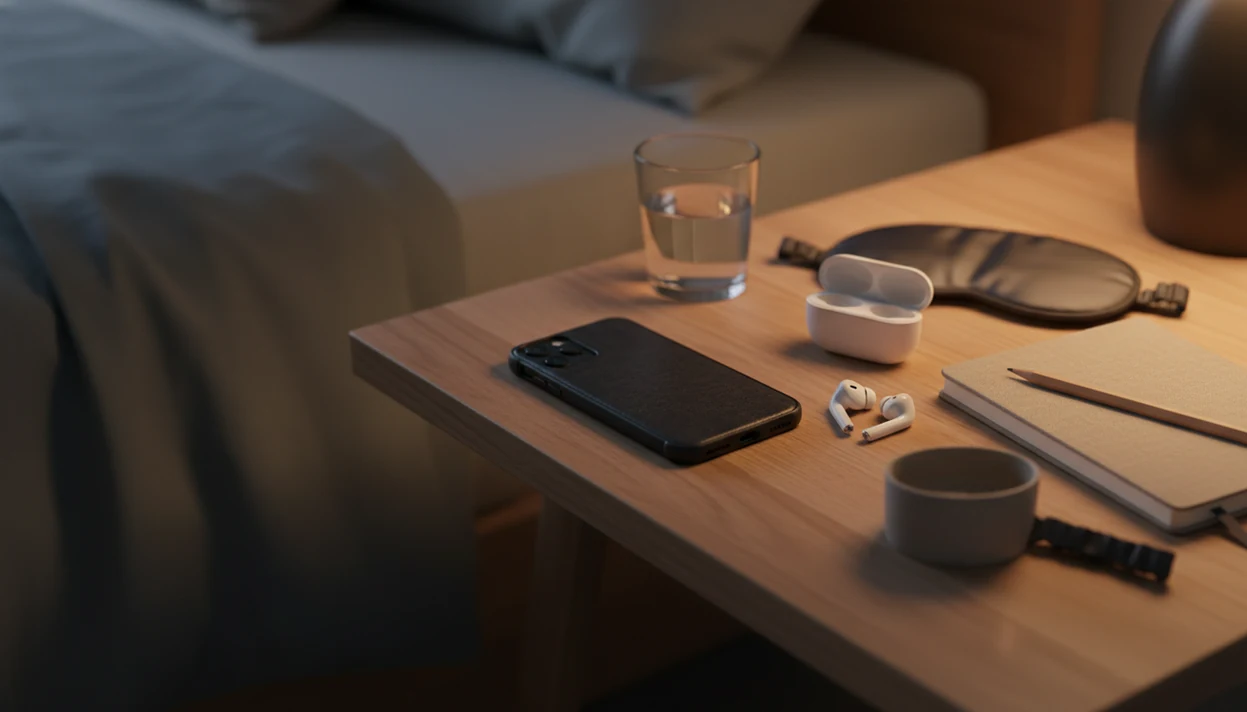


Meditation prompts are written instructions for creating a guided meditation, sleep script, breathing practice, or journaling reflection. A useful prompt names the goal, length, tone, pacing, and safety boundaries rather than simply asking for something calming. For bedtime, that might mean a short body scan, plain language, gentle breath cues, and an ending that asks nothing more of the listener. Exclude trauma processing, diagnoses, medical claims, and promises of sleep.
The resulting script still needs review before it becomes a practice. Remove language that feels intense, confusing, or emotionally demanding, and prepare any recording before bedtime. Structured guided audio may be easier when reading and revising keep the mind busy. The aim is a simple relaxation routine, not a perfect script or a substitute for mental health care.
The essentials
- Use specific AI meditation prompts that include purpose, length, tone, pacing, and what to avoid.
- For sleep, prompts should reduce decisions: slow pacing, simple breath cues, body scans, and no intense emotional processing. If nicotine cravings complicate bedtime, compare quit smoking apps for cessation support rather than treating a meditation script as treatment.
- MindTastik is a guided-audio app for meditation, sleep, breathing exercises, and self-hypnosis when you want help with sleep, anxiety, or daily calm.
Best ChatGPT Prompts for Meditation Scripts
The best ChatGPT prompts for meditation scripts tell the AI exactly what to write, how slow it should feel, and what topics to avoid. Use these for text you can read silently, record in your own voice, or adapt into guided audio.
Sleep Body Scan Prompt
“Act as a gentle meditation scriptwriter. Write a 10-minute sleep body scan for an adult who is overthinking at bedtime. Use a warm, plain voice, slow pacing, short sentences, and a structure of settling, breath awareness, body scan, neutral imagery, and soft ending. Avoid trauma processing, medical claims, emotional digging, and any promise of sleep.”
Anxious Overthinking Prompt
“Write a 7-minute guided meditation for anxious overthinking. Use grounding, simple breath cues, and reassurance without diagnosis. Avoid panic exposure, trauma work, or claims that anxiety will disappear.”
Five-Minute Breathing Prompt
“Create a 5-minute breathing practice with counted exhales, desk-friendly posture, and a calm closing transition. Keep it simple.”
Also try: “Write a 6-minute morning calm script with light intention-setting,” or “Create an 8-minute self-compassion reflection that stays gentle and non-clinical.” For naming emotions before journaling, an emotion wheel can help keep the prompt specific.
ChatGPT Meditation Prompt Mechanics
ChatGPT meditation prompts work by giving the model a pattern to follow, not by letting it sense your mood in real time. The AI predicts and organizes text from your instructions, so the prompt has to carry the context.
A useful prompt usually includes a persona, goal, duration, pacing, sensory detail, breath cues, and closing transition. For example, “gentle sleep guide” produces a different script than “direct focus coach.” The difference shows up fast when you compare a 5-minute breathing exercise with a 20-minute body scan in the same app library.
Review the output before using it. AI can produce generic lines, odd metaphors, or language that feels too intense for bedtime. For sleep or anxiety support, the most useful script is usually the one that feels easy to follow, not the one with the most elaborate wording.
5 Bedtime Steps for AI Meditation Prompts
Use AI meditation prompts at night by making the setup simple before you settle in. The aim is a calm track you can follow, not a late-night round of rewriting.
- Set the goal: Choose one bedtime problem, such as racing thoughts, body tension, or trouble settling. For broader planning alongside bedtime routines, these 50 ChatGPT goal prompts offer ideas you can adapt and review.
- Choose the length: Pick 5, 10, or 15 minutes before you generate the script.
- Add safety boundaries: Ask for no trauma processing, diagnosis, medical claims, or guaranteed sleep.
- Review the script: Remove phrases that feel heavy, dramatic, or emotionally pushy.
- Play or record it: Use the reviewed version before bed so you are not rewriting prompts under the covers.
That final choice matters. A bright display in a dark room can turn “one quick prompt” into a long stretch of adjusting the wording.
ChatGPT Sleep Meditation Prompt Template
What is a good ChatGPT sleep meditation prompt? A good ChatGPT sleep meditation prompt names the listener, bedtime problem, length, voice, pacing, technique, imagery, and exclusions.
Copy and fill this in:
“Act as a calm sleep meditation scriptwriter for [audience] who struggles with [bedtime problem]. Write a [length] guided sleep meditation in a [voice] tone with [pacing] pacing. Use [technique], such as gentle body scan, slow breathing counts, or noticing contact with the bed. Include [imagery], such as neutral night sky, warm blanket, quiet room, or soft rain. End with a simple closing that does not require effort. Exclude trauma processing, diagnosis, intense emotional reflection, medical claims, and promises that the listener will fall asleep.” If night-sky imagery sparks curiosity, these glass meteorite facts and myths explain the stones without attaching special calming powers to them.
For overthinking, choose neutral imagery over deep personal questions. Feet searching for a cool sheet is already enough sensation to work with.
Keep sensitive details out of meditation prompts
A meditation prompt can describe the practice without including a private history. “An adult with racing thoughts at bedtime” gives enough context for a simple relaxation script; names, workplace details, medical records, and accounts of traumatic events are unnecessary. The same restraint applies to journal entries or voice recordings uploaded to a service. Personal wording does not require personally identifying information.
Privacy deserves a separate check from script quality. An analysis of 40 mobile mental-health apps found that having a privacy policy did not itself guarantee strong privacy protection. Before sharing sensitive material, check how a service handles journal entries, recordings, identifiers, and usage data, including sharing with advertisers or analytics providers. That study concerns mental-health apps, not every service used to draft a meditation.
Meditation Prompts ChatGPT Can Generate by Goal
Meditation prompts ChatGPT can generate vary by goal, and the right format depends on how much effort you want to spend reviewing the script. Guided digital and audio practices have evidence for sleep and anxiety support, but ChatGPT-specific meditations are not clinically validated.
| Goal | Best prompt type | Output format | When guided audio may be easier |
|---|---|---|---|
| Sleep | Body scan or breath-count script | 10-minute bedtime script | When you are too tired to edit |
| Anxiety support | Grounding and paced breathing | Short reset | When panic is rising |
| Everyday calm | Morning or work break meditation | 5-minute script | Before a meeting or commute |
| Journaling | Reflection questions | Written prompts | When emotions need naming first |
| Beginner meditation | Step-by-step guidance | Simple practice script | When you want less setup |
| Self-compassion | Gentle reflection | Read-aloud script | When wording feels forced |
Mindfulness and meditation programs show small-to-moderate anxiety benefits in meta-analytic research, but that evidence applies to structured programs, not every AI draft. A JAMA Internal Medicine systematic review of meditation programs found moderate evidence for improvements in anxiety, depression, and pain, but evidence for sleep benefits was low or insufficient. For workday routines, mindfulness practices at work may be easier than writing a fresh prompt before each break.
Evidence Behind Meditation, Sleep, and AI-Generated Scripts
The evidence is strongest for structured mindfulness programs, not for one-off ChatGPT meditation scripts. AI can help draft calming language, but it should be treated as unvalidated text that needs human review.
Research on mindfulness programs generally points to modest benefits for anxiety, especially when practices are organized, repeated, and taught with clear boundaries. Digital mindfulness and guided audio may also help some people build a routine, but that evidence does not automatically transfer to a fresh script generated from a prompt at midnight. For sleep, clinical and government guidance usually emphasizes consistent sleep habits, appropriate care for insomnia, and avoiding claims that any single relaxation tool will work for everyone.
Before using a prompt-generated script:
- Check that it avoids diagnosis, trauma work, medical claims, and guaranteed results.
- Remove any phrase that feels intense, shaming, controlling, or emotionally loaded.
- Keep bedtime wording simple: breath, body contact, neutral imagery, soft ending.
- Stop if the script increases anxiety, panic, numbness, or rumination.
- Seek professional support when insomnia or anxiety is persistent, severe, or disruptive.
Meditation can support calm, but the evidence does not support guaranteed sleep or anxiety relief.
Safety Notes for AI Meditation Prompts
AI meditation prompts can support light relaxation, but they are not therapy, diagnosis, crisis care, or a replacement for professional support. Clinicians typically recommend appropriate mental health care when anxiety, insomnia, panic, trauma symptoms, or distress interfere with daily functioning. The National Institute of Mental Health advises seeking professional help when anxiety symptoms are persistent, hard to control, or interfere with daily life: nimh reference: anxiety disorders. For questions about genetics and well-being, this overview of MTHFR variants and mental health provides context, not a personal diagnosis.
- AI prompts should not ask a model to process trauma, recover memories, diagnose anxiety, or guarantee sleep.
- Stop using a script if it increases panic, distress, numbness, intrusive thoughts, or a sense of disconnection.
- Avoid prompts that use hypnosis language to “take control” of the mind or body.
- Choose a structured app track when you are tired, emotionally flooded, or likely to overedit the output.
- Keep bedtime scripts plain: breath cue, body scan, neutral image, soft ending.
When to Use Professional Support Instead of AI Meditation Prompts
Use professional support instead of AI meditation prompts when symptoms feel unsafe, severe, escalating, or hard to manage alone. AI can draft calming words, but it cannot diagnose, treat, monitor risk, or replace a licensed clinician.
Guided relaxation is reasonable for mild stress, ordinary bedtime restlessness, or a short reset when you can stop easily and feel more settled afterward. Support is needed when a script worsens panic, triggers dissociation or numbness, brings up intrusive memories, or when insomnia becomes severe enough that work, driving, caregiving, or daily functioning is affected. Public health bodies such as NIMH and SAMHSA consistently point people toward qualified care, crisis lines, or emergency services when distress is persistent, dangerous, or overwhelming.
- Pause the meditation if your body feels more alarmed, unreal, frozen, or out of control.
- Ground with simple orientation: open your eyes, feel your feet, name the room, and reduce stimulation. For an outdoor grounding break, a rock identifier app can help name stones you notice on a nature walk.
- Contact a clinician, therapist, primary care provider, or local crisis line if symptoms persist or keep returning.
- Use emergency services now if there is immediate danger, suicidal intent, violence risk, or inability to stay safe.
Best-Fit Users and Risk Cases for ChatGPT Meditation Prompts
ChatGPT meditation prompts fit people who enjoy shaping their own scripts and can review the output calmly. They are less helpful when the act of prompting becomes another loop of checking, fixing, and starting over.
| Best for | Not ideal for |
|---|---|
| Curious beginners who want to test short scripts | Urgent mental health situations |
| Journaling users who like written reflection | Severe insomnia that needs professional care |
| People who want personalized wording | Trauma processing or memory work |
| People who enjoy editing their own practices | Panic escalation or dissociation |
| Users making scripts for reading or recording | People stuck perfecting prompts |
For adults who want sleep, anxiety, and everyday calm support without writing prompts at night, pre-made guided audio can be easier. Apps such as MindTastik, Calm, and Headspace give you a starting point when the phone screen feels like one decision too many. If price is part of the choice, compare free meditation apps for sleep before committing.
When finished audio is easier than editing a sleep script
MindTastik's guided meditations, sleep stories, and breathing exercises suit evenings when choosing a finished session is simpler than writing and reviewing a script. Its sleep stories offer a narrative option for people who prefer listening to following breath counts. People who want precise control over wording may prefer a reviewed script of their own. Persistent insomnia, escalating panic, or trauma-related distress call for professional support, not an app session.
A generated meditation script is not a validated treatment
AI-generated meditation scripts can be useful, but the limits matter. Treat them as draft text, not clinical guidance. If a prompt produces worsening panic, dissociation, intrusive memories, or urges to harm yourself or someone else, stop using it and contact appropriate professional or crisis support. In the U.S., the 988 Lifeline is available for mental health crisis support: 988lifeline reference.
- There is no clinical trial evidence specifically validating ChatGPT-generated meditations for insomnia or anxiety.
- Evidence for digital mindfulness and guided audio is related, but it is not identical to evidence for informal AI scripts.
- AI cannot sense your emotional state, trauma history, panic triggers, or whether a phrase is unsafe for you.
- Output can become generic, repetitive, overly poetic, or strangely intense.
- Overediting prompts at night can increase rumination instead of reducing it.
- Privacy matters; avoid entering sensitive health history, trauma details, or identifying information into a prompt.
- AI scripts can delay professional help if someone uses them instead of seeking support for severe symptoms.
- Some people find silence, reading, or pre-made audio easier than custom text.
For beginners, short and boring often works better than elaborate. Best Meditation App for Sleep comparisons can help if you want guided audio without building every session yourself.
If your nervous system needs something faster than a full sit, try MindTastik breathing exercises for guided breath pacing.
Meditation prompt questions
What should a sleep meditation prompt include?
Include the bedtime problem, intended length, tone, pacing, technique, and ending. For example, request a short body scan for racing thoughts, with plain language and gentle cues. State what to exclude: trauma processing, diagnoses, medical claims, and promises of sleep. Review the finished script before using it.
How can I make a meditation script less distracting?
Ask for short sentences, concrete physical cues, and one technique rather than several competing exercises. Remove elaborate metaphors, repeated reassurance, and questions that require an answer. For bedtime, noticing contact with the bed may be simpler than imagining a detailed scene. Keep only language that is easy to follow.
Does a ten-minute meditation script actually last ten minutes?
A requested duration is a target, not a guarantee. Speaking speed and pauses affect the recording length, so review the script aloud before relying on it. Mark pauses clearly and check the finished recording. Avoid adding more instructions just to fill time, especially when the goal is a quiet bedtime practice.
Can generated meditation scripts treat anxiety or insomnia?
They should be treated as relaxation drafts, not validated treatments. Research on structured mindfulness programs and meditation apps does not establish that a newly generated script treats anxiety or insomnia. Persistent, severe, or functionally impairing symptoms need professional assessment. A calming script should not delay care or replace an existing treatment plan.
Should I record a meditation script before bed?
Recording a reviewed script can remove the need to read from a screen during the practice. Prepare it before bedtime rather than turning recording and editing into another nighttime task. Check that the wording, pauses, and ending feel manageable. Finished guided audio is another option when preparing a recording creates extra work.
What should I do if a meditation script makes me feel worse?
Stop the script rather than trying to complete it. Increased panic, dissociation, numbness, or intrusive memories are reasons to discontinue the practice and seek appropriate support. Do not use another prompt to process those reactions. If there are urges to harm yourself or someone else, contact professional or crisis support immediately.
Is a body scan better than a sleep story?
The better fit depends on what is comfortable to follow. A body scan gives attention a concrete focus, such as the jaw, shoulders, or contact with the bed. A sleep story offers a narrative instead of body monitoring. Neither guarantees sleep, and a practice that increases distress should be stopped.