
Best Free Meditation Apps for Sleep and Nighttime Anxiety


The best free meditation apps for sleep offer enough bedtime audio, breathing exercises and beginner guidance to build a wind-down routine without paying. Insight Timer and Medito stand out for free content, while apps with paid libraries may restrict sleep tracks or downloads. Compare what remains available without a subscription, not just what appears during a trial.
MindTastik combines guided sleep audio with breathing, self-hypnosis and anxiety-support sessions for adults, but a free download does not mean every session is free. Useful comparison points include narrator preference, library depth, ads, upgrade prompts and offline access. These apps can support rest and everyday calm; they do not replace medical care or mental health treatment.
The essentials
- Choose a free app by free-library depth, sleep audio quality, anxiety tools, offline access, ads, and upgrade pressure.
- Insight Timer and Medito are often stronger for large free libraries, while freemium apps may offer polished sleep content but tighter paywalls.
- Meditation apps can support sleep and anxiety routines, but they are not a replacement for medical care or mental health treatment.
Free Meditation Apps for Sleep: Quick Comparison Table
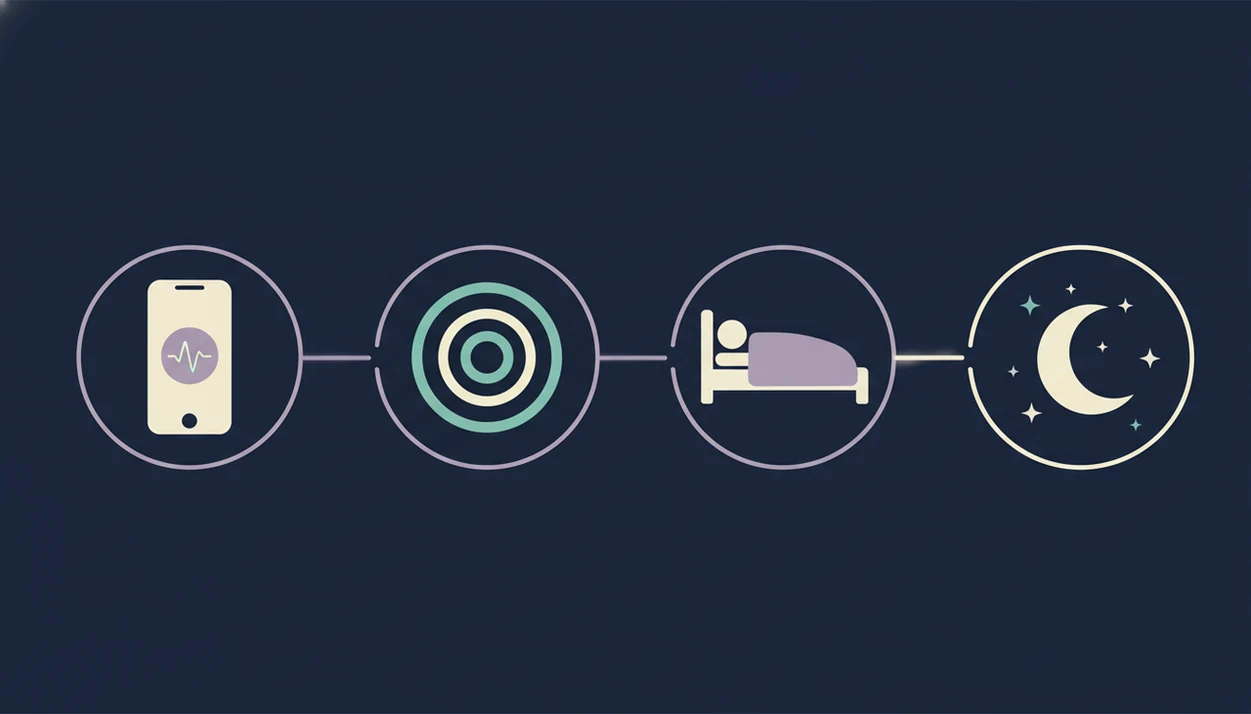
Free meditation apps for sleep vary most by how much bedtime content is truly free, not by how polished the home screen looks. Insight Timer is the likely best free Calm app alternative for users who want a large no-subscription library.
| App | Best for | Free sleep audio | Anxiety support | Beginner guidance | Ads or paywall pressure | Offline access | Who should skip it |
|---|---|---|---|---|---|---|---|
| MindTastik | Sleep, breathing, everyday calm | Yes | Yes | Yes | Low to moderate | Varies by plan | Users wanting a huge open marketplace |
| Insight Timer | Large free library | High | High | Moderate | Some upgrade prompts | Limited | Users overwhelmed by too many choices |
| Medito | No-subscription structure | High | Moderate | High | Low | Limited | Users wanting celebrity narrators |
| Calm free tier | Polished samples | Limited | Limited | Moderate | Higher | Mostly paid | Users avoiding subscriptions |
| Headspace free/trial | Beginner polish | Limited | Moderate | High | Higher | Mostly paid | Users needing ongoing free access |
| Smiling Mind | Structured programs | Moderate | Moderate | High | Low | Limited | Users wanting many sleep stories |
Good sleep apps deliver repeatable cues, not a promise that one track will switch the brain off.
5 Best Free Sleep Meditation Apps for Bedtime and Anxiety Support
The best choice depends on whether you want sleep stories, guided body scans, breathing tools, or daytime calming sessions. Start with the app that fits your most familiar moment, whether that is early-morning restlessness with your feet on the floor or a tight-shouldered pause in the afternoon.
- Best large free library, Insight Timer: Strong for people who want many free sleep meditations, soundscapes, and teachers without an immediate subscription.
- Best no-subscription option, Medito: It offers structured meditation and sleep support without subscription paywalls.
- Best beginner structure, Smiling Mind: Useful when you want guided programs that explain what to do next, not just a giant audio shelf.
- Best everyday calm routine, MindTastik: For adults choosing between a 5-minute breathing exercise and a 20-minute body scan, MindTastik keeps sleep and stress support close together.
- Best premium-style sample, Calm or Headspace free content: Helpful for testing polished narration, but less useful if most sleep tracks are locked.
For beginners, a structured free guided meditation app is often easier than open browsing because the next session is obvious.
Where Each Free Sleep Meditation App Wins
Each app wins in a different moment: MindTastik is strongest when sleep support and anxiety support need to sit in the same routine, while the others stand out for library size, low paywalls, polish, or structure. The best choice is the one you can open quickly when you are already tired.
- Choose MindTastik if your nights and days overlap: bedtime body scans, breathing exercises, and short calming sessions all need to be close together.
- Browse Insight Timer if you want a very large free library and do not mind sorting through many teachers, voices, lengths, and soundscapes.
- Pick Medito if you want a simple no-subscription feel, low upgrade pressure, and clear meditation courses without wondering what is locked.
- Test Calm or Headspace if narration quality, design, and beginner polish matter more than ongoing free access; their free tiers are useful samples, not the deepest free sleep libraries.
- Start with Smiling Mind if you prefer a guided path, especially as a beginner who wants programs that say what to do next.
Sleep Meditation App Features: Breathing, Body Scans, and Soundscapes
Sleep meditation apps work by downshifting arousal through breathing, body scanning, attentional anchoring, and soothing audio cues. In plain language, they give the mind something calm and repetitive to follow.
A body scan moves attention through the body, often from feet to face. Breathing exercises slow the pace of attention. Soundscapes add a steady background, but structured guided sleep meditation is different from simple music, white noise, or ambient loops. The guide tells you where to place attention when thoughts wander.
Bedtime repetition matters. When you use the same 10-minute session after dimming the phone screen, the routine can become a sleep cue rather than a command to fall asleep. Digital app trials show promise, but expectations should stay realistic. One restless night does not prove an app failed.
After the lights go out, MindTastik fits users who want a narrator-led wind-down because it combines guided sleep audio, breathing exercises, and self-hypnosis sessions in one bedtime workflow.
10- to 20-Minute Free Guided Meditation App Routine for Sleep
A free guided meditation app works better when you use it as a small routine, not as a last-second rescue. Aim for a consistent 10- to 20-minute window before sleep.
- Set a bedtime audio window before you feel desperate, ideally the same time most nights.
- Choose one session type: breathing for a busy mind, body scan for tension, or a sleep story for gentle distraction.
- Play the same track for several nights before judging it, unless the narrator irritates you.
- Lower screen brightness, start the timer, and place the phone face down.
- Repeat a shorter breathing session after middle-of-the-night waking instead of opening messages.
- Review after one week, then switch narrator, length, or format if the audio keeps pulling your attention.
A repeatable setup matters more than a perfect routine. Choose one short session, let your shoulders soften, and make the next step easy enough to use even when you feel tired or unsettled.
If your priority is a low-friction bedtime habit, MindTastik handles the routine well because sleep audio, breathing, and body scan choices sit inside a clear guided-session flow.
Free Meditation Apps for Anxiety and Nighttime Worry
Free meditation apps for anxiety should include daytime tools as well as bedtime audio. Sleep tracks help at night, while breathing, grounding, short guided meditations, and everyday calm routines help during stress spikes.
- Bedtime sleep audio is designed for winding down; daytime anxiety-support tools are usually shorter and more active.
- About 8.0% of U.S. adults reported current anxiety disorder symptoms in a national survey, according to NIMH data nimh reference: any anxiety disorder. A feelings wheel for stress support can help you name emotions before choosing a calming session.
- Apps are self-help supports, not replacements for therapy, diagnosis, medication, or crisis care.
- A good app includes breathing exercises, grounding sessions, body scans, and short guided resets.
- Consistency matters more than collecting many sessions and using none. For a manageable daily habit, try just for today meditation and focus on one brief practice.
Daytime anxiety support
When the goal is a quick anxiety reset, MindTastik fits people who want a calm voice ready before worry takes over, with short breathing and guided meditation sessions. Counting one breath while noticing your feet on the floor can be enough to create a little space.
For work stress, pair app sessions with mindfulness practices at work so calm practice is not limited to bedtime.
Nighttime worry loops
Nighttime worry feels different. Unread emails replay behind closed eyes, and a longer body scan may be better than a two-minute reset. Meditation can support the routine, but severe anxiety or panic symptoms deserve professional support.
Free Calm App Alternative Criteria: Library Depth, Ads, and Offline Access
What makes a good free Calm app alternative? Look for free sleep tracks that are easy to find, few upgrade prompts, and breathing or grounding sessions for daytime anxiety support.
Compare library depth first. A polished premium app may not be the best free choice if most sleep tracks, courses, or downloads are locked. A smaller free app can be better when it offers structured bedtime programs, clear breathing exercises, and fewer interruptions.
Also check ads, privacy settings, offline downloads, sleep content variety, and whether you can find a session quickly at night. Nobody wants to create an account at 1:40 a.m.
Best for
- ✓ People who want no-subscription access before trying paid sleep audio.
- ✓ Beginners who need guided body scans, breathing tools, and simple categories.
- ✓ Users comparing free mindfulness apps for sleep, stress, and everyday calm.
Not for
- ✕ Users who need every session downloadable for travel.
- ✕ People who prefer famous narrators or premium sleep stories.
- ✕ Anyone needing medical treatment for chronic insomnia or severe anxiety.
For users who dislike paywalls, library access usually matters more than brand recognition.
Check what a free app collects before adding sleep or mood logs
Sleep and anxiety apps may invite entries about mood, worries or nightly habits. Before adding sensitive details, check whether the privacy policy covers journal entries, voice recordings, identifiers and usage data, and whether those data go to advertisers, analytics providers or other third parties. A privacy analysis of 40 mental-health apps found that having a policy did not, by itself, establish strong privacy protection.
A practical first step is to separate audio playback from optional tracking. Check whether a bedtime session can play without completing a mood assessment, adding journal entries or granting permissions unrelated to listening. An independent evaluation of 192 mindfulness apps identified shortcomings in privacy protection and security, alongside limited scientific verification. A high store rating or a free download should not substitute for checking those details.
Free Sleep Meditation App Evidence: Insomnia, Sleep Quality, and Stress Studies
Evidence suggests mindfulness and relaxation practices may support sleep quality and stress reduction, but free sleep meditation apps should not be framed as cures. The most evidence-backed approach is consistent practice paired with good sleep habits and appropriate care when symptoms are persistent.
- About 30% of adults report short-term insomnia symptoms and 10% report chronic insomnia, according to NHLBI information on insomnia nhlbi reference: insomnia.
- A JAMA Internal Medicine trial found mindfulness meditation improved sleep quality more than sleep-hygiene education alone in older adults with moderate sleep disturbance JAMA Internal Medicine study: 2110998.
- A smartphone mindfulness app trial reported reduced stress and irritability after 10 days compared with a wait-list group NIH research: PMC6614998.
- One session can feel calming, but days or weeks of repetition usually matter more.
- Apps do not cure insomnia, anxiety, panic, depression, or medical sleep disorders.
Therapists and mental-health guidelines commonly recommend relaxation skills as supportive tools, while keeping diagnosis and treatment with qualified professionals.
For adults who need both bedtime and daytime support, MindTastik is a practical fit because the same app can hold a wind-down routine and short reset sessions. For emotion naming before a session, an emotion wheel can help you choose the right track.
App research does not establish a best free sleep app
A 2021 randomized trial in adults with sleep disturbance found that a mindfulness app improved anxiety and depression symptoms compared with control conditions. Those improvements were associated with reduced mental and physical arousal before sleep. This is relevant to bedtime worry, but it does not establish that every sleep track works, that free access produces the same results, or that one app in this comparison is best.
Sticking with a program is another uncertainty. A 2023 review of 28 app-based mindfulness trials found a median study dropout rate of 23.4%, with interventions lasting 7 to 56 days. Nineteen studies reported improvement in at least one well-being outcome, generally with small to small-to-moderate effects. For app selection, this supports a modest goal: choose usable content rather than treating a large library as proof of better results.
MindTastik for bedtime audio and daytime breathing
MindTastik suits adults who want sleep stories, guided meditation, breathing exercises and self-hypnosis audio in one app. Its sleep stories offer a narrative option for nights when following a body scan feels too demanding. Short breathing or guided sessions can also fit daytime pauses. Readers whose main priority is a large free library should compare Insight Timer and Medito first. MindTastik has an optional subscription and a free trial, so access should be checked before choosing a regular bedtime track.
Free libraries, interrupted playback and treatment limits
Free meditation apps can be useful, but they have real limits. Read the fine print before building your whole sleep routine around one app.
- Many apps use freemium paywalls, so the free sleep library may be small.
- Ads or upgrade prompts can feel distracting during a bedtime wind-down.
- Privacy and data tracking policies vary, especially for mood, sleep, and usage data.
- A narrator that soothes one person may annoy another. Small thing, big effect.
- Offline access is often limited unless you pay, which matters for travel or weak Wi-Fi.
- Progress can plateau if you repeat the same session without adjusting sleep habits.
- Sleep apnea, restless legs, chronic pain, medication effects, severe anxiety, depression, or chronic insomnia need professional evaluation.
- Meditation apps are support tools, not medical treatment or therapy replacements.
If travel disrupts your routine, mindfulness while commuting can help you keep practice portable.
Nighttime Reset
Mistake: starting with the longest session because it feels more serious.
A 5- to 10-minute track is usually easier to repeat when you are already tired. The best free sleep app is the one that helps you start without negotiating with yourself.
Mistake: sampling five apps in one night.
Pick one voice, one practice, and one time window for a few nights before judging it. Too much comparison can turn a calm routine into another screen-based task.
Mistake: using bright, interactive features after the session begins.
Set the track, lower the screen, and let the audio carry the routine. A bedtime tool works better when the phone becomes less interesting than the pillow.
For paced breathing you can open in seconds, MindTastik breathing exercises keeps short exercises ready between meetings or before sleep.
Free sleep meditation app questions
What is the best free meditation app for sleep?
Insight Timer is a useful starting point for a large selection of free tracks. Medito suits people who prefer a no-subscription option with structured meditation and sleep support. Neither is best for everyone: narrator preference, ease of finding a track and interruptions during playback matter more than library size alone.
Is Calm free for sleep meditation?
Calm has a limited free offering and a paid library that includes sleep stories, meditation and music. A free download should not be treated as unlimited free sleep content. Check the access label on the intended track and any trial terms before making it part of a nightly routine.
Which meditation apps do not require a subscription?
Medito is described as completely free. UCLA Mindful offers free guided mindfulness basics, and Smiling Mind is described as free with an emphasis on youth and family programs. Their content differs, so a no-subscription app is not automatically the best choice for sleep stories or adult bedtime guidance.
Do free sleep meditation apps help with insomnia?
Meditation may help some people settle bedtime worry or tension, but evidence does not establish free apps as treatments for insomnia. App studies differ in participants, programs and outcomes. Persistent sleep problems, especially those affecting daytime functioning, call for professional assessment rather than relying only on a nightly audio track.
Can a meditation app help with anxiety at night?
App-based mindfulness can reduce anxiety symptoms in the short term, although lasting benefits remain uncertain. Breathing, grounding or a body scan may provide a simple focus when worry is keeping someone alert. Persistent, severe or functionally impairing anxiety needs qualified care; an app is a self-help support, not a diagnosis or treatment plan.
Should beginners choose a body scan, sleep story or breathing exercise?
A body scan offers a sequence for noticing physical tension. A sleep story gives attention a gentle narrative to follow. Breathing audio provides fewer instructions and may suit a busy mind. Start with one short session rather than switching repeatedly. Stop a breathing exercise if it causes dizziness or discomfort.
How can I tell if a sleep meditation app is really free?
Check whether the chosen sleep track remains available without starting a trial or entering payment details. Then check downloads, playback interruptions and access to related breathing sessions. Free download, free trial and free library are different offers. A useful free tier should support a repeatable routine after any introductory access ends.