
Grounding Exercises for Work Stress Support
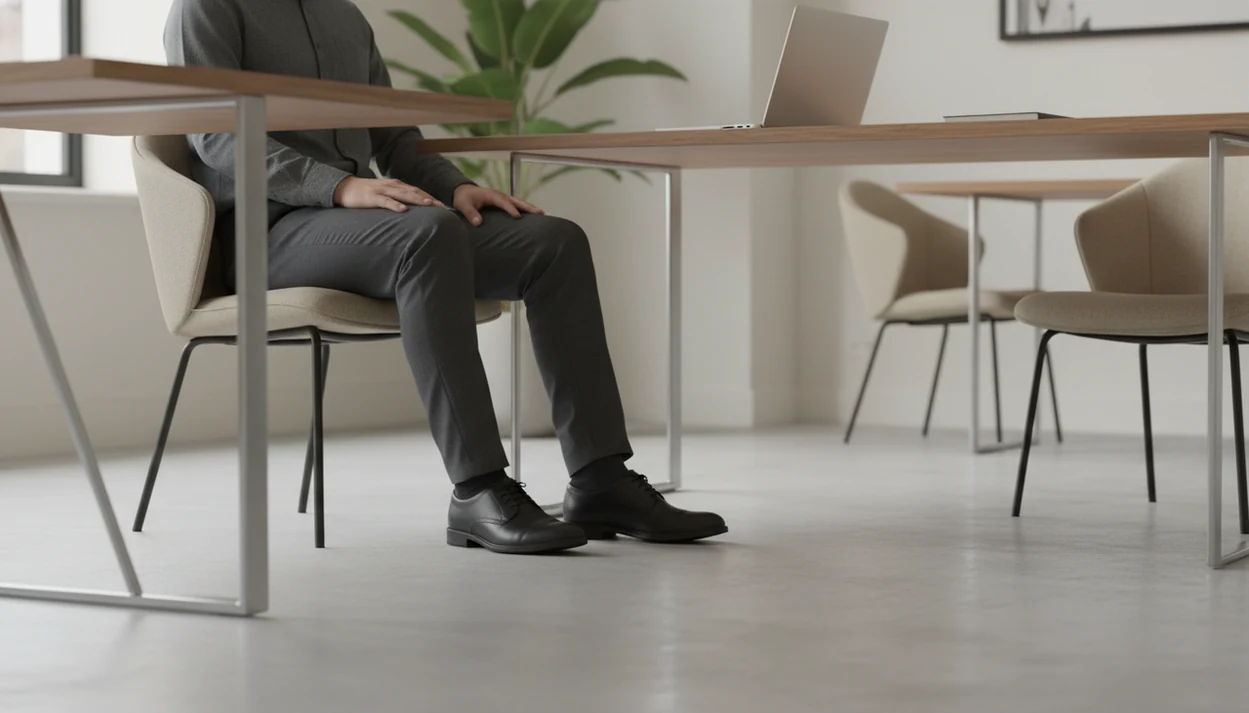


Grounding exercises for work stress are short practices that bring attention back to the breath, body, senses, or surroundings when work thoughts become consuming. Useful options include noticing objects in a meeting room, feeling the floor beneath both feet, slowing the breath, or releasing tense muscles. The aim is a manageable pause before the next task, not forced positive thinking about a difficult situation.
These exercises can be discreet enough for a desk, video call, or break after conflict. MindTastik offers guided breathing, meditation, body scans, and calming audio for everyday support. Grounding remains self-care, not workplace therapy or crisis support. It may help with momentary calm and focus, but it cannot resolve unsafe workloads, toxic management, severe anxiety, or persistent sleep problems by itself.
Workday essentials
- Useful workplace grounding exercises are short, discreet, and easy to repeat during ordinary work moments.
- Use senses, breath, muscle release, or attention-shifting techniques depending on whether you are at a desk, in a meeting, or recovering from conflict.
- Grounding can support momentary calm and focus, but it does not fix unsafe workloads, toxic management, severe anxiety, or sleep problems by itself.
5 Best Grounding Exercises for Work Stress at a Glance
Effective grounding exercises for work stress fit real work moments: meetings, inbox overload, desk tension, and post-conflict recovery. The CDC reports that 26% of U.S. workers name work as their main stress source, and 55% reported “a lot of stress” the previous day, so simple repeatable tools matter CDC guidance.
| Exercise | Best work situation | How discreet? | Time needed | Not for |
|---|---|---|---|---|
| 5-4-3-2-1 senses reset | Meeting anxiety or spiraling thoughts | High | 60-120 sec | Sensory overload |
| Feet-on-floor anchor | Desk stress or video calls | Very high | 30-90 sec | Body tracking discomfort |
| Slow breathing | Inbox overload or urgent requests | High | 60-90 sec | Dizziness or breath anxiety |
| Desk object focus | Open offices or scattered attention | Very high | 30-60 sec | Visual distraction |
| Progressive muscle release | After conflict or tense feedback | Medium | 1-3 min | Pain or injury |
MindTastik is optional guided support for breathing, body scans, sleep audio, and everyday calm when you want a voice to follow. An AI personalized meditation routine can suggest practices based on your preferences when you want more structured daily support.
Nervous System Mechanics Behind Grounding Exercises for Work Stress
Grounding is attention-shifting from worry loops to present-moment sensory, breath, or body cues. It uses neutral facts and physical sensations, not forced positive thinking or pretending the deadline is fine.
At work, stress often narrows attention. You reread the same message, tense your jaw, then check the clock again. Grounding gives the nervous system a simpler target: the chair under you, the length of an exhale, the color of a notebook. Small, concrete cues can reduce arousal enough to answer the next email with more steadiness.
Slow breathing and body awareness support downshifting by changing respiratory rhythm and interrupting threat-focused attention. A 2017 paced breathing study found roughly 20-30% decreases in state anxiety scores after sessions NIH research: PMC5709795. One minute of breathing gives attention a concrete task, which can be easier than trying to “calm down” on command.
Workplace mindfulness research is not proof of a one-minute reset
A 2019 review of 23 randomized controlled trials found benefits from workplace mindfulness training for stress, anxiety, psychological distress, well-being, and sleep. That supports mindfulness as a workplace stress-management option. It does not establish that every grounding technique on this page has been studied separately, or that a single minute of practice produces the same benefits as a training program.
The duration matters when interpreting app research. In a trial involving 238 employees at two UK companies, participants used 10-20-minute guided meditations and reported improvements compared with a wait-list group. A 30-90-second desk reset is a practical adaptation, not the protocol studied in that trial. Use it as a brief coping tool rather than expecting the results reported for repeated, longer sessions. For a brief desk reset, try a meditation break at work that fits between tasks without promising lasting relief.
5-Step Workday Routine for Grounding Exercises
Use grounding exercises by matching the technique to the work moment, then practicing for 30-90 seconds before stress peaks. You do not need a long break, an empty room, or a meditation cushion.
- Notice the cue: tight shoulders, fast clicking, rereading one email, or holding your breath before speaking.
- Choose the setting: meeting, desk, commute, inbox overload, or post-conflict reset.
- Set a tiny time limit, usually 30-90 seconds, so the exercise feels doable.
- Practice one method: slow breathing, feet on floor, senses scan, object focus, or muscle release.
- Repeat later in the day, especially before the next predictable stress point.
Before a presentation, an inhale timed with a crosswalk signal can be enough to start. If body-focused practices feel uncomfortable, stop and switch to an external cue, like naming three neutral objects on your desk. For broader routines, how to practice mindfulness at work gives a slower starting point.
Selection Criteria for Workplace Grounding Techniques
Good workplace grounding techniques are discreet, low-cost, fast, beginner-friendly, and easy to repeat. This is not a ranking of therapy methods, and it is not a replacement for professional care.
- Discreet: A useful work technique should be possible while typing, listening, waiting to speak, or sitting in a shared room.
- Low-cost: The method should not require props, paid classes, privacy, or a special chair.
- Fast: A realistic reset should work in under two minutes, because the calendar rarely opens up politely.
- Beginner-friendly: The instructions should be simple enough to remember during pressure. Five senses. Two feet. Longer exhale.
- Repeatable: The most useful categories are sensory grounding, breath regulation, body-based release, and attention redirection.
Work stress support usually depends more on repeatability than intensity. A short reset you actually use before calls beats a long routine you keep postponing. Related mindfulness practices at work can help you build that repetition.
Best 5-4-3-2-1 Grounding Exercise for Meeting Anxiety
The 5-4-3-2-1 method is a sensory grounding exercise that silently names five things you see, four things you feel, three sounds, two smells, and one taste or slow breath. It works well before meetings because it gives the mind a clear sequence.
You can do it without moving much. Notice five objects on the conference table, four contact points in your body, three background sounds, two neutral smells, and one slow exhale. Knees still under a cafe table, the same sequence can work before joining a call from a noisy lobby.
Best for
✓ Pre-meeting jitters ✓ Presentation nerves ✓ Spiraling thoughts ✓ Waiting to be called on during a meeting.
On days a meeting starts with your heart already racing, MindTastik fits as a pre-work support because a short guided breathing session gives you a timed sequence before the calendar pressure begins.
Not for
✗ Sensory scanning that feels overwhelming ✗ Rooms where noticing sound increases irritation ✗ Moments when you need direct support from another person rather than a solo grounding exercise.
Best Feet-on-Floor Grounding Exercise for Desk Stress
Feet-on-floor grounding is one of the most discreet desk stress exercises because it uses contact, pressure, temperature, and chair support. Press both feet into the floor, soften your shoulders, and notice where the chair holds your weight.
This can happen while typing, listening on a video call, or waiting to speak. No one needs to know. Sock edges, shoe pressure, the floor under one heel, these are plain facts your brain can track instead of chasing the next worry.
Best for
✓ Open offices ✓ Video calls ✓ Inbox overload ✓ Body tension at a desk ✓ Moments when you need to look engaged while listening.
After a tense message, when your cursor sits blinking in the reply box, MindTastik can help later with a body scan because it gives body awareness a slower, guided format outside the work rush.
Not for
✗ People who find body sensation tracking uncomfortable ✗ Pain flare-ups or injury areas ✗ Moments when internal awareness increases distress rather than easing it.
If body tracking does not feel manageable, use desk object focus instead.
Best Slow Breathing Grounding Exercise for Inbox Overload
Slow breathing is a practical grounding exercise for inbox overload because it gives your attention a rhythm instead of another task. Try inhaling for 4, exhaling for 6, and repeating for 60-90 seconds.
Longer exhales feel calming for many people, and they do not require a private space. You can dim your screen slightly, keep your hands on the keyboard, and let the next exhale be the only assignment for a moment. The inbox can wait sixty seconds.
Best for
✓ Inbox overload ✓ Task switching ✓ Urgent requests ✓ Pre-call resets ✓ The moment before you send a sharp reply to a work message.
A 2017 paced breathing study reported roughly 20-30% decreases in state anxiety scores after breathing sessions source. For workers who feel flooded by messages, slow breathing is often easier than full meditation because the count gives attention a specific job.
Not for
✗ Dizziness ✗ Breath restriction ✗ Panic linked to breath control ✗ Any practice that makes symptoms feel worse instead of easing them.
Best Progressive Muscle Release for Post-Conflict Work Stress
Progressive muscle release is a body-based grounding exercise that uses brief tension and release to discharge stress after conflict. At work, keep it subtle: press your hands together, lift and lower your shoulders, tense your legs under the desk, or relax your jaw.
Try three to five seconds of tension, then release. Repeat once or twice. The goal is not a workout; it is a clear contrast between “held” and “released.” After a difficult email, that contrast can keep the body from carrying the conversation into the next task.
Best for
✓ Difficult emails ✓ Tense conversations ✓ Performance feedback ✓ Conflict-heavy meetings ✓ The walk back to your desk after a difficult conversation.
A systematic review of relaxation techniques found progressive muscle relaxation can reduce stress and anxiety symptoms across several settings NIH research: PMC8482353. MindTastik can support this after hours with guided body scan sessions, because following prompts may feel easier than remembering each muscle group alone. An after-work decompression routine can help you transition from workplace tension to a quieter evening at home.
Not for
✗ Injury ✗ Pain ✗ Muscle tension that increases distress ✗ Situations where visible movement could create problems at work.
Label a work worry, then return to one concrete task
Thought labeling offers an option when counting senses or tracking body sensations feels distracting. Before a presentation or difficult conversation, silently name the thought process with a simple word such as “planning” or “worry.” Then notice one visible object, take several unforced breaths if comfortable, and return attention to the next sentence to say or the person speaking.
The label describes what attention is doing; it is not a judgment about the thought or a demand to stop it. Pooled workplace mindfulness trials support reductions in anxiety and distress, but support for this particular pre-event sequence is indirect. It is a coping strategy, not evidence that performance anxiety will disappear or that a difficult workplace conversation will become easy.
MindTastik Support for Everyday Calm and Work Stress Grounding
Can MindTastik help with work stress grounding? MindTastik can provide guided breathing, meditation, body scan, sleep audio, and self-hypnosis sessions for everyday calm support, but it is not workplace therapy or a clinical monitoring tool.
A realistic routine might include a three-minute breathing practice before work, a brief grounding pause ahead of a presentation, and calming audio after a demanding day. Evening rest can feel less abrupt when the body has already practiced slowing down, even though no app can guarantee sleep. For some people, daytime stress support may make it easier to settle later, especially with softer light, feet on the floor for a final breath, and the phone set aside.
In a randomized controlled workplace mindfulness study, an 8-week mindfulness program reduced perceived stress compared with controls PubMed research: 24107199. Supportive practices deliver repeatable cues, not instant fixes. The Best Meditation App for Sleep angle matters most when work stress follows you into bedtime.
Honest Drawbacks of Grounding Exercises for Work Stress
Grounding exercises may provide only temporary relief during high-pressure or chronically stressful jobs. They can help you answer one email, steady your breathing, or get through a meeting, but they cannot make an unsafe workload reasonable.
Practice also matters. If the first attempt happens at peak stress, the technique may feel flat or annoying. That does not mean you failed. It may mean the exercise needs repetition during easier moments first.
Some body-focused exercises can feel uncomfortable or triggering. In that case, use external-object grounding, sound naming, or a written cue instead. The emotion wheel can also help when the stress is hard to name.
Apps can guide practice, however they cannot monitor risk, investigate harassment, adjust staffing, or provide urgent care. Calm, Headspace, mindful.org resources, and MindTastik may all be useful supports, but good workplace calm tools deliver practice cues, not protection from harmful conditions.
When to Seek Professional or Workplace Support
Seek more support when work stress is persistent, escalating, or starting to interfere with sleep, concentration, relationships, appetite, or basic daily functioning. Grounding can steady the next few minutes, but it is not therapy, crisis care, or a workplace intervention.
Pay attention to panic symptoms, trauma reactions, repeated dread before work, or nights spent waking at 3 a.m. replaying emails. Also take unsafe workload, harassment, discrimination, threats, or retaliation seriously; those are not problems to breathe through alone.
- Name what is happening in plain language: workload, conflict, panic, sleep disruption, trauma symptoms, or safety concerns.
- Document patterns when appropriate, including dates, requests, incidents, and effects on your work or health.
- Contact a manager, HR, union representative, or trusted workplace channel if the problem involves staffing, harassment, workload, or safety.
- Use an EAP, therapist, primary care clinician, or mental health professional when symptoms are sticking around or getting worse.
- Seek emergency or crisis support right away if you might hurt yourself, someone else, or cannot stay safe.
Guided breathing for a pause between tasks
MindTastik’s guided breathing exercises suit work breaks when following a voice feels easier than remembering a sequence. A breathing session before a meeting or guided meditation after work can provide a clear focus without adding another task to plan.
An app is less useful when opening a phone would interrupt the meeting, or when breath control increases distress. An eyes-open object focus may fit better then. Persistent anxiety, panic, or unsafe working conditions call for professional or workplace support, not a longer audio session.
What grounding cannot change about work stress
Grounding exercises are supportive tools, not full solutions for work stress. Keep these boundaries clear before relying on any technique or app.
- Grounding can ease moment-to-moment stress, but it will not fix toxic management, chronic overwork, unsafe conditions, or job insecurity.
- Individual responses vary; some people notice only mild, brief, or inconsistent benefits.
- Severe anxiety, trauma symptoms, depression, panic, or crisis risk need professional mental health care.
- Body-focused grounding can feel uncomfortable for some trauma survivors, so sensory or external-object grounding may be preferable.
- MindTastik is a wellness and everyday calm support app, not workplace therapy, medical treatment, crisis care, or an employee monitoring tool.
- If work stress is persistent, escalating, or affecting sleep and daily functioning, consider human support, organizational action, or professional care.
- That sleep-support label should never be read as a promise to treat insomnia or work-related burnout.
For stress that starts before arrival or continues after leaving, mindfulness while commuting may help you separate work from the rest of the day.
If your nervous system needs something faster than a full sit, try MindTastik breathing exercises for guided breath pacing.
Work stress grounding questions
What grounding exercise can I do during a work meeting?
Keep both feet on the floor and notice the pressure beneath each foot and the support of the chair. This requires little movement and can be done while listening. If body awareness feels uncomfortable, silently name a few visible objects instead, without losing track of the conversation.
How do I use the 5-4-3-2-1 technique at my desk?
Silently name five things visible nearby, four things felt through contact, three sounds, two smells, and one taste or slow breath. Desk objects, shoe pressure, and background sounds can provide the cues. If the full sequence feels overwhelming, switch to one neutral object rather than forcing every step.
How long should a grounding break at work last?
A practical starting point is 30-90 seconds, using one method rather than several. That makes the pause easier to fit between ordinary tasks. Workplace research on guided meditation has used longer sessions, including 10-20 minutes, so a brief desk exercise should not be treated as equivalent to a full training program.
What can I do before replying to a stressful email?
Pause with both feet supported, soften the shoulders, and take a few comfortable, unforced breaths. If counting helps, try inhaling for four and exhaling for six without straining. Then return to the reply. Grounding can create a pause, but it does not settle the disagreement or replace a practical response.
What if grounding or slow breathing makes anxiety worse?
Stop the exercise rather than pushing through dizziness, breath restriction, panic, or increasing distress. Switch to an external cue, such as naming visible objects, if that feels more comfortable. Repeated panic or trauma symptoms need professional support; grounding is not a requirement and is not a substitute for care.
Can grounding help after an argument with a coworker?
A brief muscle-release exercise may help with tension after conflict. Gently tense an uninjured muscle group for three to five seconds, then release, or simply soften the jaw and shoulders. Avoid painful areas. The pause can support the next task, but ongoing conflict may still require documentation or workplace support.
Can grounding fix burnout or chronic work stress?
Grounding may offer temporary relief, but it cannot change chronic overwork, harassment, unsafe conditions, or job insecurity. If stress repeatedly disrupts sleep, concentration, relationships, or daily functioning, seek professional and workplace support. Treat a grounding pause as one coping tool, not as a solution to the conditions causing the stress.
Is it safe to do grounding on the commute?
Do not start a meditation or breathing exercise while driving, cycling in traffic, operating equipment, or responsible for immediate safety. As a passenger, use eyes-open cues such as the seat beneath the body or visible objects. Stop breathing exercises if they cause dizziness, tingling, panic, or worsening symptoms.