
Calming Routine for Overstimulation: A Gentle Audio and Breathing Reset
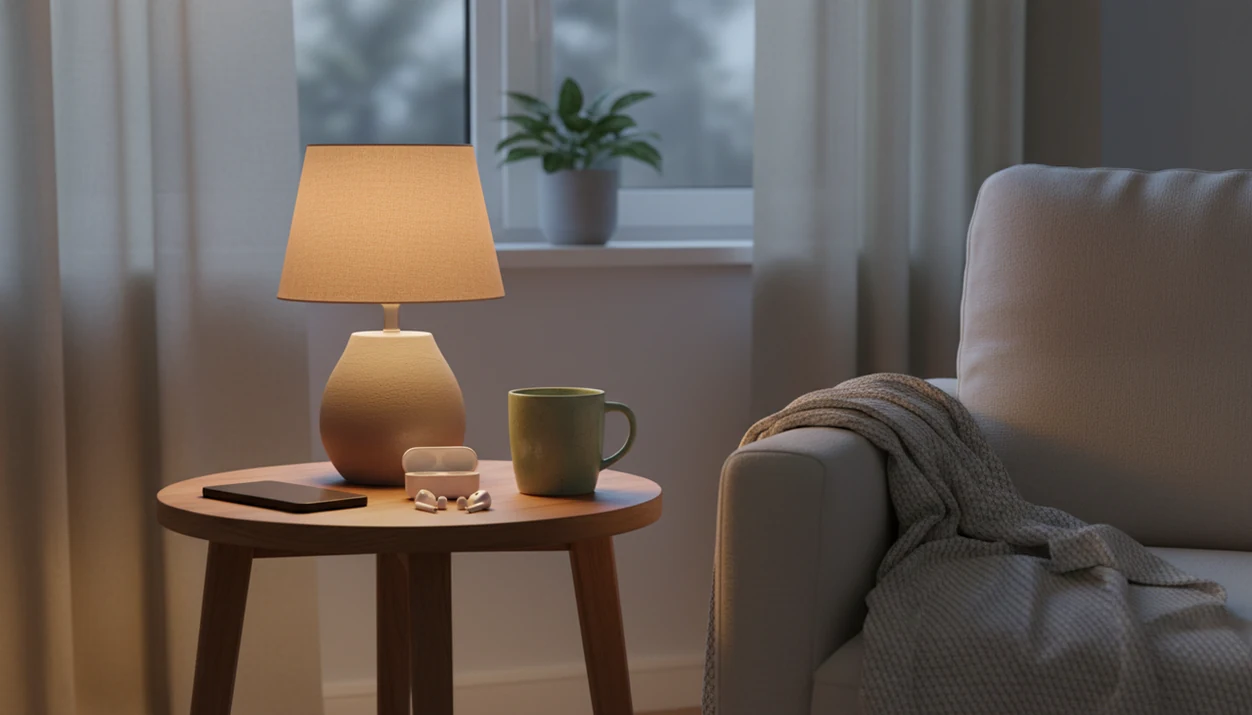


A calming routine for overstimulation is a short, repeatable sequence that reduces sensory input, slows breathing, and adds predictable soothing cues if they help. The first step is usually less stimulation, not more effort: move to a quieter space, dim the light, or soften nearby sound. Then try comfortable breathing and, if welcome, a short guided meditation or nature sound.
A practical reset can take 2 to 10 minutes, without requiring complete calm by the end. It should be simple enough to follow when irritability, fatigue, or difficulty thinking makes decisions harder. MindTastik offers guided meditation, breathing exercises, soundscapes, and sleep audio for the audio portion. Silence is also a valid choice when another voice or sound feels like too much. For another brief reset, try these ways to feel better when you have fifteen minutes or less.
The essentials
- Use a three-part reset: reduce input, slow the breath, then add gentle audio.
- The best routine is short enough to use when you feel fried, irritable, or unable to think clearly.
- MindTastik can support the audio and breathing portions with guided meditation, sleep audio, breathing exercises, and self-hypnosis sessions for everyday calm.
Best calming routine for overstimulation in 5 quiet steps
A reliable calming routine for overstimulation is a short sequence: pause, reduce input, breathe slowly, press play, and transition back gently. When you feel overloaded, 2-5 minutes is enough to begin.
Try this minute-by-minute reset:
- Minute 0: Pause. Stop adding new input if you can.
- Minute 1: Reduce one thing. Lower brightness, mute a device, step into a hallway, or sit in a parked car.
- Minute 2: Breathe in for 4, breathe out for 6.
- Minutes 3-5: Press play on quiet audio, a breathing track, or a short guided session.
- Afterward: Move slowly before rejoining the room, work call, or family noise.
Knees still under a cafe table, nobody needs to know you're resetting.
At home, turn one lamp off. In the car, sit before starting the engine. During a break, use earbuds and face away from foot traffic. For pauses between places, mindfulness for commuting and travel offers ways to bring gentle attention to the transition.
Top sensory overload calm routine tools to try first
Four tools support a sensory overload calm routine: quiet guided audio, slow breathing, noise reduction, and a low-light transition. Each helps a different part of overload, but none needs to be dramatic.
Best for guided quiet audio: MindTastik
Adults looking for a predictable audio cue can use MindTastik for guided meditation, sleep audio, breathing exercises, and self-hypnosis. It fits when your brain wants a voice or sound to follow, not another decision.
Best for fast body settling: slow breathing
Slow breathing is best for body tension, tight shoulders, and that “too much input” feeling. It is not ideal if counting makes you more tense; in that case, just lengthen the exhale.
Best for noisy spaces: sound buffering
Earbuds, earplugs, white noise, or soft music can reduce sharp sound changes. Noise-canceling headphones at a desk can help, though they may feel too isolating for some people.
Best for evening overload: low-light transition
Dim light helps the brain stop taking in as much visual input. Good calming tools lower stimulation, support everyday calm, and avoid cure claims, not force instant relaxation.
Before You Start a Calming Routine for Overstimulation
Before you start, make the routine feel safe and predictable. The best reset begins with less input, low volume, and an easy way to stop if your body says no.
- Choose the lowest-input spot available. Move toward a quieter room, hallway, bathroom, parked car, or edge of the space before you press play or start counting breaths.
- Set audio gently. Keep the volume low enough that a voice, chime, or nature sound will not jump out at you. If you are using earbuds, start lower than you think you need.
- Skip breath holds if they backfire. If panic, dizziness, chest tightness, or air hunger shows up, let the breath be natural and focus on a longer, softer exhale instead.
- Keep an exit option open. In public or crowded places, sit near an aisle, door, wall, or clear path so your body does not feel trapped.
- Ask for help if distress feels unsafe. Text, call, or approach a trusted person, staff member, clinician, or emergency support if the moment feels unmanageable.
How a calming routine for overstimulation works in the nervous system
Sensory overstimulation happens when sound, light, touch, motion, or mental input exceeds what the brain can comfortably process. A routine works by reducing input, regulating the body, and adding predictable soothing input.
Input reduction means fewer signals competing for attention. Body regulation means using slower breathing, stillness, or gentle pressure to cue a calmer state. Predictable soothing input means quiet audio, soft rhythm, or a familiar guided session that doesn't surprise the brain.
The lived signs are often ordinary but uncomfortable: irritability, anxiety, shutdown, or feeling unable to think clearly. Unread emails replaying behind closed eyes can feel like noise, even in a quiet room.
Sound matters, too. Research has linked noise above 55 decibels with annoyance and cardiovascular risk, which helps explain why loud environments can stress the body. Therapists and mental-health guidelines commonly recommend grounding and breathing skills as supportive practices, alongside care when symptoms persist.
How to use a sensory overload calm routine when you feel fried
Does a sensory overload calm routine need to be exact? No. The goal is to lower the load enough for your body to get a foothold.
- Move to lower input. Step into a quieter room, bathroom, hallway, parked car, or the edge of the room.
- Dim or block light. Lower your screen brightness, close your eyes, put on a cap, or face a plain wall.
- Set a timer. Choose 2, 5, or 10 minutes so you don't keep checking the clock.
- Breathe slowly. Try inhale 4, exhale 6, and skip breath holds if they feel activating.
- Play quiet audio. Use nature sounds, soft ambient music, or a short app track if silence feels too exposed.
No perfect setup required.
If you cannot leave, reduce just one input. Turn away from motion, loosen tight clothing, or trace one finger along a jacket zipper while the audio starts.
How we picked calming tools for overstimulated adults
We picked calming tools for overstimulated adults by favoring options that work when thinking is hard. Body-first strategies often come before journaling or talking because overload can make language feel slow, sharp, or impossible.
- Low effort: A useful reset should take one or two choices, not a planning session.
- Quiet: The tool should reduce sound pressure or add gentle sound, not demand attention.
- Repeatable: A routine works better when it feels familiar at 2:13 a.m. or after a loud commute.
- Portable: Adults need tools for offices, cars, bedrooms, and busy homes.
- Nonverbal: Breathing and audio can help before words return.
A 2008 randomized trial on slow deep breathing found reduced heart rate and systolic blood pressure in coronary care patients (PubMed research: 18556299). A 2013 systematic review and meta-analysis found that music interventions reduced anxiety and heart rate in medical patients (PubMed research: 23990456). These findings support the physiology behind calming audio and breathing, not a promise that they treat overstimulation.
MindTastik guided audio for an overstimulated adult calming routine
MindTastik offers guided sessions for meditation, sleep support, breathing practice, and self-hypnosis for adults looking for gentle help with rest, anxiety support, and everyday calm. For overstimulation, that kind of audio structure can make a calming routine feel easier to follow.
| Need | Useful option | Best for | Not ideal for |
|---|---|---|---|
| Too much noise | Quiet guided meditation | Having a voice to follow | People who need silence |
| Tight, wired body | Breathing exercise | A 1-3 minute reset | Anyone activated by counting |
| Late-night overload | Sleep audio | A wind-down routine | Urgent distress |
| Repeating thoughts | Self-hypnosis session | Familiar calming cues | Replacing therapy |
On days screens, socializing, parenting, or work leave you buzzing, MindTastik fits the audio part of the reset because it gives you named session types instead of a blank search bar.
Many people reach for the same simple kind of help: a calm track to start when the mind feels crowded and settling down feels hard. For comparing app options beyond this routine, our guide to free meditation apps for sleep may help.
Best breathing pattern to calm down from overstimulation
A useful breathing pattern to calm down from overstimulation is usually the one you can repeat without strain. For many beginners, inhale for 4 and exhale for 6 for 1-3 minutes.
| Breathing pattern | How it works | Best for | Watch out for |
|---|---|---|---|
| Box breathing | Inhale, hold, exhale, hold | People who like structure | Holds may feel activating |
| Slow belly breathing | Gentle breath into the belly | Tension and shallow breathing | Can feel awkward at first |
| Extended exhale | Shorter inhale, longer exhale | Fast, low-effort calming | Counting may distract some users |
Breath holds are optional. Really.
The 2008 slow deep breathing trial supports the idea that slow breathing can influence relaxation-response physiology, including heart rate and systolic blood pressure. It does not prove a cure for sensory overload. If your priority is a safe-feeling first step, MindTastik pairs well with extended-exhale practice because breathing exercises can guide the pace without making you watch a timer. If you want context for breathing practices, learn about activating your vagus nerve without expecting an instant fix.
What breathing research does, and does not, show about sensory overload
A 2024 systematic review of brief breathing interventions included 19 studies. Twelve reported significant improvements in anxiety, and nine reported significant improvements in stress. No adverse events were reported, although the authors noted that large randomized trials remain limited. These findings support breathing as a possible short-term calming tool, but they do not establish that a particular breathing count treats sensory overload.
A separate review of brief single-session interventions found consistent benefits for progressive muscle relaxation and deep-relaxation training in reducing state anxiety. Brief deep breathing also showed potential, with less developed evidence. The useful expectation is a reduction in immediate distress, not complete resolution. A routine combining lower sensory input, breathing, and audio is a practical sequence, not a directly tested treatment protocol.
Low-stimulation transitions after work, screens, parenting, or social events
What helps after work, screens, parenting, or social events when your brain is still processing too much input? A low-stimulation transition gives your nervous system a bridge instead of asking it to drop from wired to relaxed at once. Once the input feels manageable, an end of day reflection routine can help you review the day without rushing.
A car-to-home reset might mean sitting for three minutes before opening the door. An after-kids bedtime reset may be dimming the phone screen and choosing between a 5-minute breathing exercise and a 20-minute body scan. A post-meeting reset can be slower walking, water, and no new messages for five minutes. For more workday ideas, mindfulness practices at work can make breaks easier to plan.
What should you do when overstimulated in public? Reduce one input, such as sound, light, motion, or conversation. What should you do when overstimulated with kids? Choose the smallest safe pause, then use quiet audio, softer lighting, slower movement, and fewer decisions.
When the trigger moment is screen-to-sleep overload, MindTastik covers the transition with sleep audio and guided sessions that replace scrolling with a repeatable wind-down workflow.
Common Mistakes When Trying to Calm Down From Overstimulation
The most common mistake is trying to solve overstimulation by adding more input. When your system is overloaded, the first win is usually a small drop in intensity, not instant calm.
- Remove one layer before adding another. Close extra tabs, stop searching for tips, and choose one track or one breathing pattern instead of comparing options.
- Choose predictable sound if silence feels unsafe. Total quiet can feel exposed for some people. A soft fan, rain sound, or low guided voice may be easier than forcing silence.
- Skip breath holds when they rev you up. If holding your breath brings dizziness, pressure, or panic, use natural breathing with a longer exhale.
- Aim for “less intense,” not “fully calm.” Going from an 8 to a 6 still counts. That small shift can make the next choice easier. For more small steps that may ease immediate discomfort, explore how to instantly feel better while keeping expectations gentle.
- Return slowly. Before opening messages, bright screens, or conversation again, give yourself a buffer: water, dim light, slower movement, or one more quiet minute.
If the first reset does not work, it does not mean you failed. It may mean your body needs fewer demands and a gentler re-entry.
Signs you may need a sensory overload calm routine
You may need a sensory overload calm routine if ordinary input starts feeling louder, brighter, sharper, or harder to sort. This can happen to stressed, sleep-deprived, anxious, or busy adults without meaning anything is “wrong” with them.
- Irritability: Small sounds or questions feel bigger than they should.
- Sound sensitivity: Normal noise suddenly feels invasive.
- Wanting to hide: You look for a bathroom, bedroom, stairwell, or parked car.
- Racing thoughts: Your mind keeps switching tabs.
- Tension or fatigue: Jaw, neck, shoulders, or eyes feel clenched.
- Shutdown: You feel blank, slow, or unable to answer.
The CDC has reported that 11.3% of U.S. adults experience regular worry, nervousness, or anxiety. Another CDC survey found that 25% of adults often or always lacked needed social and emotional support. Self-regulation tools help, but support from people matters too. If naming feelings helps later, an emotion wheel can give language after the body settles.
When a breathing track helps, and when silence fits better
MindTastik’s guided breathing exercises suit adults who prefer a spoken cue to keeping count themselves. A familiar guided meditation or soundscape is another option when predictable sound feels easier than silence. Keep the volume low and stop if the audio adds irritation.
Adults who find voices distracting, counting stressful, or headphones uncomfortable should start without an app. Less light, less noise, and natural breathing may be a better fit. These sessions support everyday calming, not medical treatment.
What a short overstimulation reset cannot address
A calming routine can support everyday calm, but it is not a replacement for medical care, mental health care, emergency support, or guidance from a qualified professional.
- Some audio may feel irritating, especially voices, loops, or sudden volume changes.
- Headphones can help in noisy rooms, but they may feel isolating or unsafe in public.
- Breath holds may feel activating, so box breathing is not right for everyone.
- Body scans can make some people more aware of discomfort or tension.
- Chaotic environments may only allow partial input reduction, and that still counts.
- Persistent panic, trauma symptoms, depression, or unsafe thoughts deserve professional support.
- Routines require personalization. You may need trial and error with timing, sound, light, and posture.
- MindTastik supports meditation, sleep, anxiety support, and everyday calm, but it does not diagnose or treat conditions.
Calm.com, Headspace, and Mindful.org also offer useful education or audio. Compare your options by what you will actually use when overloaded, not by the longest feature list.
When silence or a quiet walk is better than guided audio
- If sound feels irritating, start with silence, dimmer light, and a steady breath before adding any guided voice.
- If your body feels restless rather than frozen, a slow walk in a quiet hallway may fit better than sitting still.
- If you are close to tears or shutdown, choose the shortest possible session; a two-minute reset can be easier to trust than a full routine.
- If decisions feel impossible, use one preselected track instead of browsing multiple options while overstimulated.
- If the environment is still loud, the first tool is not meditation; it is reducing input enough that your body has a chance to settle.
For paced breathing you can open in seconds, MindTastik breathing exercises keeps short exercises ready between meetings or before sleep.
Overstimulation reset questions
How can I calm overstimulation quickly?
Start by removing one source of input: mute a device, lower screen brightness, or step away from conversation. Then breathe comfortably without holds. Add quiet audio only if it helps. A brief reset may make the situation more manageable without bringing complete calm immediately.
What does sensory overstimulation feel like in adults?
Ordinary noise, light, touch, or conversation may feel harder to tolerate or sort through. Signs can include irritability, tense shoulders or jaw, racing thoughts, fatigue, and feeling blank or unable to answer. These signs are not a diagnosis, but they can prompt a lower-input break.
What can I do when I am overstimulated but cannot leave?
Reduce what is within reach: stop new notifications, face a plain wall, lower brightness, or pause conversation if possible. Keep breathing natural rather than forcing a pattern. Partial input reduction is still useful; the routine does not require a silent room or a complete break from responsibilities.
What breathing pattern should I use for sensory overload?
A gentle inhale for four counts and exhale for six is one option, provided it feels comfortable. Breath holds are not required. If counting increases tension, return to natural breathing. Research supports possible anxiety and stress benefits from breathing exercises, not one proven pattern for sensory overload.
Is silence or calming music better for overstimulation?
Neither is the right choice for everyone. Silence fits when any added sound feels irritating. A soft fan, rain sound, or familiar guided voice may suit someone who finds silence uncomfortable. Keep sound predictable and low, and stop a track if its voice, loops, or volume changes add strain.
How long should an overstimulation reset last?
Start with two to five minutes rather than committing to a long session while overwhelmed. A longer wind-down may fit later, especially before sleep. There is no fixed recovery time established here. Look for a manageable reduction in input or tension, then return to activity gradually.
What if breathing exercises make me dizzy or more anxious?
Stop the counted exercise and let breathing return to its natural pace. Avoid breath holds and forced deep breaths. Focus instead on reducing noise or light. A calming routine should not require pushing through dizziness, chest tightness, or air hunger; persistent or concerning symptoms warrant professional assessment.
When should I get help for repeated sensory overload?
Seek professional support when episodes are persistent, worsening, or interfering with work, sleep, relationships, or daily functioning. Short calming exercises are not a substitute for assessment or treatment. If distress creates an immediate risk of harm to anyone, contact local emergency services or a crisis service.