
Mindfulness for Teens Anxiety: A Practical Guide for Calmer Days
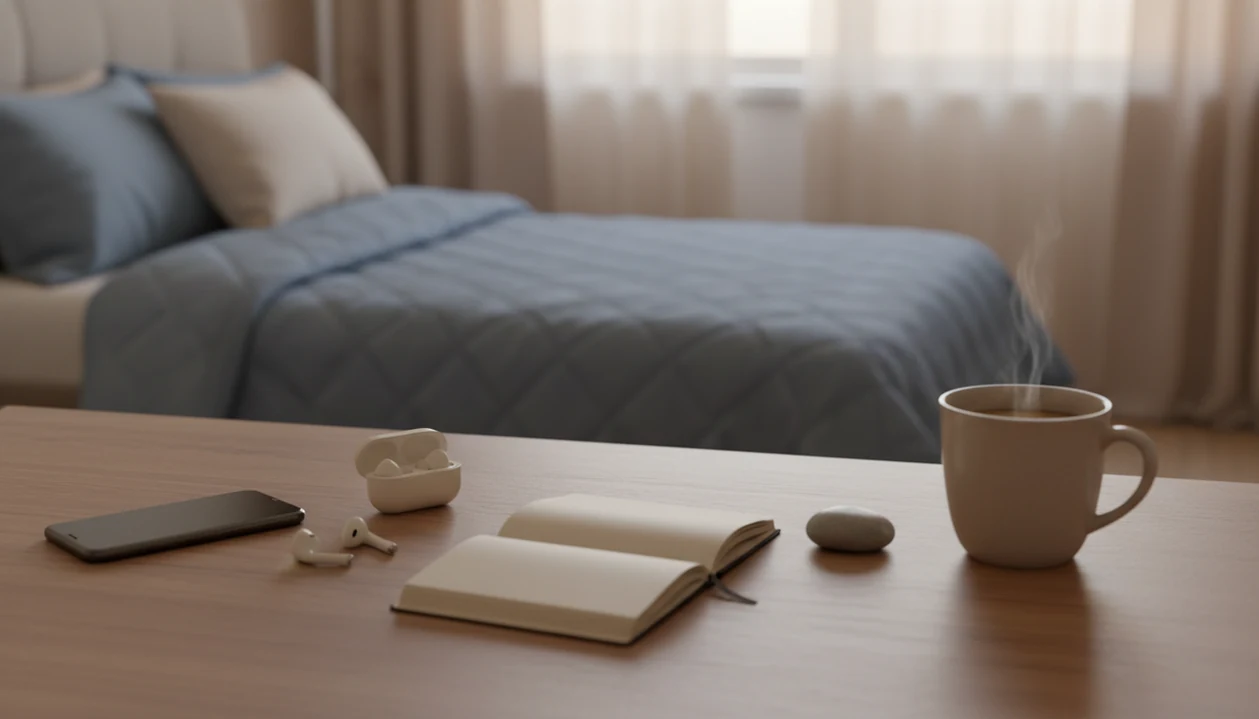


Mindfulness for teen anxiety is the practice of paying attention to the present moment on purpose and without judgment, so worries become easier to notice and respond to rather than follow automatically. A teen might notice their feet on the floor, listen to nearby sounds, or name a thought as “test worry.” The aim is not to empty the mind or force calm.
Short breathing, grounding, body-scan, and guided meditation practices can support emotional regulation, sleep, and focus. Start with about five minutes a day, preferably before stress peaks, rather than saving practice only for panic. Mindfulness is one coping tool, not a cure or a replacement for therapy, medication, school support, or crisis care.
The essentials
- Start with 5 minutes a day; consistency matters more than long sessions.
- Use teen-friendly tools such as breathing, five-senses grounding, body scans, and short guided audio before school, tests, or sleep.
- Mindfulness works best as one support tool, not as a replacement for therapy, medication, crisis care, or school support.
Mindfulness for Teens Anxiety: The Short Answer for Families
Mindfulness for teens anxiety means learning to notice what is happening right now instead of chasing every worry the mind produces. For a teen, that might mean feeling their feet on the floor, hearing the room, or naming “test worry” without arguing with it.
The goal is not instant calm. Benefits usually build over weeks, especially when practice happens before stress peaks. A teen who tries mindfulness only during a full panic moment may feel frustrated if it does not work right away.
Use it before tests, at bedtime, after arguments, or when unread emails and school messages replay behind closed eyes. Keep the first practice short. One quiet minute is still practice.
Severe anxiety, self-harm thoughts, trauma symptoms, or major changes in eating, sleeping, school, or relationships need adult help and professional support.
If there is immediate danger, self-harm risk, or a teen says they cannot stay safe, contact local emergency services or the 988 Suicide & Crisis Lifeline in the U.S. (source).
Mindfulness for Teens Anxiety: Brain and Body Mechanisms
Mindfulness for teen anxiety works by training attention, body awareness, and emotion regulation so anxious signals become easier to notice before they take over.
Anxiety often runs in loops. The teen’s mind scans for danger, asks “what if,” replays mistakes, and predicts rejection before anything has happened. Mindfulness interrupts that loop by giving attention a clear anchor, such as breath, sounds, feet, hands, or a body sensation.
That return is the training. Not the calm part.
Each time a teen notices wandering and comes back, they practice attentional control. Slower breathing and body scanning can also support nervous-system downshifting, which is a plain way of saying the body may move out of high-alert mode. Clinicians typically recommend mindfulness as a coping skill, not as a substitute for evaluation, therapy, medication, or crisis care when those are needed.
Mindfulness does not erase anxiety. It helps teens relate to anxious thoughts as signals, not commands.
Five Mindfulness for Teens Anxiety Facts Parents Should Know
- Mindfulness is a learnable attention skill, not zoning out, blanking the mind, or pretending stress is fine.
- Research in adolescents links regular mindfulness practice with reduced anxiety, stress, and depression symptoms, plus possible gains in sleep, attention, and emotion regulation. A systematic review of mindfulness-based interventions for children and adolescents found small but significant improvements in anxiety, depression, stress, and mindfulness outcomes, while noting variation in study quality (Dunning et al., 2019: source).
- Small tools can fit real teen life: one hand on the backpack strap before class, five-senses grounding in a hallway, or a body scan before sleep.
- Frequency and duration matter. A meta-analysis of school-based mindfulness programs for ages 5 to 18 found small to moderate improvements, with stronger effects when programs happened more often and lasted longer. Source: Zenner et al.'s meta-analysis of school-based mindfulness programs for children and adolescents, Frontiers in Psychology: source. Families interested in school-based approaches can explore meditation instead of detention as another way schools introduce mindfulness.
- Mindfulness is an add-on support, not a standalone cure. For younger siblings or mixed-age households, meditation for anxious kids may need simpler language and more parent participation.
For many teens, a daily 3-minute reset is easier to repeat than one long weekend session because it fits between school, homework, and sleep.
Self-kindness after a mistake: what the research supports
Self-kindness can complement an attention practice when anxiety includes harsh self-criticism after a test, argument, or awkward conversation. A 2022 systematic review of kindness- and compassion-based meditation in young people found improvements in 47% of the wellbeing outcome measures examined. That figure describes measures, not the percentage of teens helped. Reported effects were small to medium, and study quality and outcomes varied. Teens dealing with harsh self-criticism can also practice self-compassion for teen stress alongside gentle mindfulness exercises.
A practical version is to notice the criticism, describe the event without a global judgment, and choose a balanced response: “That answer was wrong. I can ask for help with that topic.” This is different from insisting that everything is fine or demanding positive thoughts. The review examined kindness- and compassion-based meditation, so it does not establish that this brief exercise treats an anxiety disorder. It is an optional supportive skill, not another assignment to perform correctly.
How to Use Mindfulness for Teens Anxiety in 5 Daily Steps
Use mindfulness for teens anxiety by choosing one small daily window, one anchor, and one simple way to return when the mind wanders. Do not force relaxation. Forced calm usually backfires.
- Choose one practice window: Pick morning, after school, before homework, or bedtime, and keep it the same for one week.
- Select one anchor: Use breath, feet, sounds, hands, or a guided audio session.
- Practice for 3 to 10 minutes: Let the body settle if it can, but do not make calm the assignment.
- Name the worry briefly: Try labels like “test worry,” “friend worry,” “future worry,” or “body alarm.”
- Return and track: Come back to the anchor gently, then note what helped after seven days.
A teen may choose between a 5-minute breathing exercise and a 20-minute body scan in an app library. Tools like MindTastik can support guided meditation, sleep audio, breathing exercises, and everyday calm routines for adults and families building a steady practice.
Best Mindfulness for Teens Anxiety Exercises by Situation
The most useful mindfulness exercise depends on the anxiety moment. A test, a panic spike, and a lonely bedtime spiral need different starting points.
Before Tests
Before a test, take 4 slow breaths and press both feet into the floor. Count the exhale longer than the inhale if that feels comfortable. Feet planted under a desk can become a quiet anchor without anyone noticing.
At Bedtime
At night, try a body scan or guided sleep audio. Dimming the phone screen before starting helps the routine feel less like scrolling. Families who want a softer evening structure can build from bedtime meditation for children and adapt it for older teens.
During Panic Buildup
During early panic signals, use five-senses grounding: name 5 things you see, 4 you feel, 3 you hear, 2 you smell, and 1 you taste. After social stress, name the feeling and walk without checking messages for five minutes. During homework overwhelm, pause for one minute before restarting.
Mindfulness for Teens Anxiety Tips for Parents and Caregivers
How can parents support mindfulness for teens anxiety without making it another thing to fail at? Start by dropping “just calm down.” Teens usually hear that as criticism, not help. Learning what an angry teen is saying can help parents respond with curiosity before suggesting a calming practice.
Offer choices instead. Some teens like app audio. Others prefer breathing, movement, music, journaling, sensory grounding, or a short walk around the block. Practice alongside them when it feels welcome, rather than standing over them like a coach with a stopwatch. Parents considering shielding kids from boredom can also reflect on whether constant entertainment leaves enough space for quiet practice.
Connect the practice to goals they care about: better sleep, steadier focus, sports nerves, friendships, fewer spirals after an argument. A family mindfulness routine can help when everyone agrees to keep it low-pressure.
If anxiety affects school attendance, grades, eating, sleep, friendships, or basic daily functioning, involve a pediatrician, therapist, school counselor, or another qualified professional.
Best-Fit and Not-Fit Uses for Mindfulness for Teens Anxiety
Mindfulness for teens anxiety fits best as a practical coping skill for mild to moderate worry, school stress, bedtime rumination, emotional reactivity, and focus resets. It is not enough when symptoms are severe or safety is at risk.
| Use case | Fit | Why it matters |
|---|---|---|
| Mild school worry | ✅ Best fit | Short breathing or grounding can be used before class, tests, or presentations. |
| Bedtime rumination | ✅ Best fit | Body scans and sleep audio give the mind a track to follow. |
| Therapy support | ✅ Helpful add-on | Skills can reinforce work with a therapist, parent support, routines, or school accommodations. |
| Severe panic or major impairment | ❌ Not enough alone | Professional assessment and a wider care plan are needed. |
| Self-harm thoughts, trauma symptoms, or substance use | ❌ Needs urgent support | A trusted adult and qualified professional should be involved quickly. |
| Forced sitting practice | ❌ Often poor fit | Some teens feel trapped, restless, or more distressed. |
Movement-based or sensory mindfulness may fit restless teens better than seated meditation. For younger children, parent and child breathing exercises often work better than independent practice.
When to Seek Professional Help for Teen Anxiety
Seek professional help when anxiety starts changing a teen’s daily life, not only when things feel like an emergency. Mindfulness can help a teen get through the next few minutes, but it should be a bridge to care when symptoms are persistent, intense, or unsafe.
Watch for school refusal, repeated nurse visits, falling grades, major sleep loss, eating changes, isolation from friends or family, panic that limits normal activities, or constant reassurance-seeking that takes over the day.
- Start with routine support: Contact a pediatrician, therapist, or school counselor when anxiety is interfering with school, sleep, eating, friendships, or family life.
- Share specific examples: Describe what has changed, how long it has been happening, and what the teen says helps or makes it worse.
- Use mindfulness gently: Keep breathing, grounding, or body-scan practices available as coping tools, not as proof the teen should be able to handle it alone.
- Act urgently for safety: If a teen talks about self-harm, suicide, being unable to stay safe, or danger to others, seek crisis help now.
In the U.S., call or text 988 for the Suicide & Crisis Lifeline. Elsewhere, use local emergency numbers, crisis lines, or the nearest emergency department.
MindTastik App Support for Mindfulness for Teens Anxiety
Guided audio can lower the barrier to starting because the teen or parent does not have to invent the practice from scratch. A calm voice, a short timer, and a clear instruction can be enough on a messy evening.
In a family setting, it may support adult-led calm routines, bedtime wind-downs, beginner meditation, and short breathing practice.
Before using any meditation app with a teen, check the age rating, privacy policy, content fit, and whether app use reduces pressure or turns into reassurance-checking.
Some families also compare teen routines with meditation for teens sleep and stress when choosing age-appropriate language and session length. MindTastik can be one option, but the safer question is always: does this help the teen practice without pressure?
Guided audio for school worry and bedtime
MindTastik’s guided meditation library, breathing exercises, and sleep stories offer options for a brief practice before homework or a quieter bedtime routine. Families should check the age rating, privacy policy, and language of a session before choosing it with a teen.
Teens who dislike spoken instructions may prefer feet-on-floor grounding or a short walk without audio. Persistent anxiety that disrupts school, sleep, or friendships needs professional support, not simply more app sessions. MindTastik is not a medical treatment.
When mindfulness is not enough for teen anxiety
Mindfulness is useful for many teens, but it has real limits. Families should treat it as one support tool, not the whole plan.
- Mindfulness is not a substitute for professional evaluation, therapy, medication, school support, or emergency care.
- Severe anxiety, self-harm thoughts, substance use, trauma symptoms, or major impairment require immediate adult and professional help.
- Some teens initially feel more aware of distressing thoughts, body sensations, or memories.
- Research shows modest benefits on average, not guaranteed results for every teen.
- One-off sessions or sporadic app use may have little effect.
- Evidence for specific commercial apps is still emerging, even when the underlying techniques are evidence-informed.
- Some teens prefer movement, music, art, sports, journaling, or sensory grounding over seated meditation.
- A teen who says “this makes me feel worse” should be believed, not pushed harder.
At 2:13 a.m., checking the lock screen and realizing sleep still has not come can feel lonely. That is a support moment, not a discipline problem.
Teen anxiety and mindfulness questions
Does mindfulness actually help teenagers with anxiety?
Mindfulness may help teens notice worry earlier and respond with less automatic reacting. Research reviews report small, variable benefits, not reliable relief for everyone. It fits best as a coping skill alongside supportive routines and, when needed, professional care. It should not replace treatment for an established anxiety disorder.
How many minutes should a teen meditate for anxiety?
About five minutes is a reasonable starting point, with three to ten minutes as a practical range. Choose one regular time, such as after school or before bed. The task is noticing and returning to an anchor, not staying perfectly focused. A shorter, manageable practice is preferable to a long session that feels punishing.
What mindfulness exercise can a teen do before a test?
Press both feet into the floor and take four slow, comfortable breaths. A slightly longer exhale is an option if it feels comfortable. Briefly name the thought as “test worry,” then return attention to the feet or the room. This offers a quiet focus reset, not a guarantee that anxiety disappears.
Can mindfulness stop a teenager’s panic attack?
Mindfulness cannot be counted on to stop a panic attack. A familiar grounding practice may help a teen get through the next few minutes, but trying an unfamiliar meditation during intense panic can be frustrating. Repeated panic that limits school, friendships, or normal activities calls for professional assessment.
What if focusing on breathing makes a teen more anxious?
Breath does not have to be the anchor. Try noticing feet against the floor, hands resting on a desk, or sounds in the room instead. Some teens become more aware of uncomfortable sensations during meditation. Stop or change the practice if distress increases, and discuss persistent difficulties with a trusted adult or clinician.
How can parents encourage mindfulness without pressuring a teen?
Offer a choice of breathing, grounding, movement, or audio rather than insisting on meditation. Connect the option to something the teen cares about, such as sleep or test nerves. Practise alongside them only when welcome. Avoid “just calm down” and do not grade the session by how relaxed the teen looks afterward.
When should teen anxiety get professional help instead of more mindfulness?
Contact a health professional when symptoms last weeks or months and interfere with life at home, school, or with friends. School refusal, withdrawal, major sleep or eating changes, and limiting panic warrant attention. Self-harm or suicidal thoughts need immediate adult and professional help. For imminent danger, contact emergency services; in the United States, call or text 988 for crisis support.