
How To Be A Resilient Parent Without Trying To Be Perfect
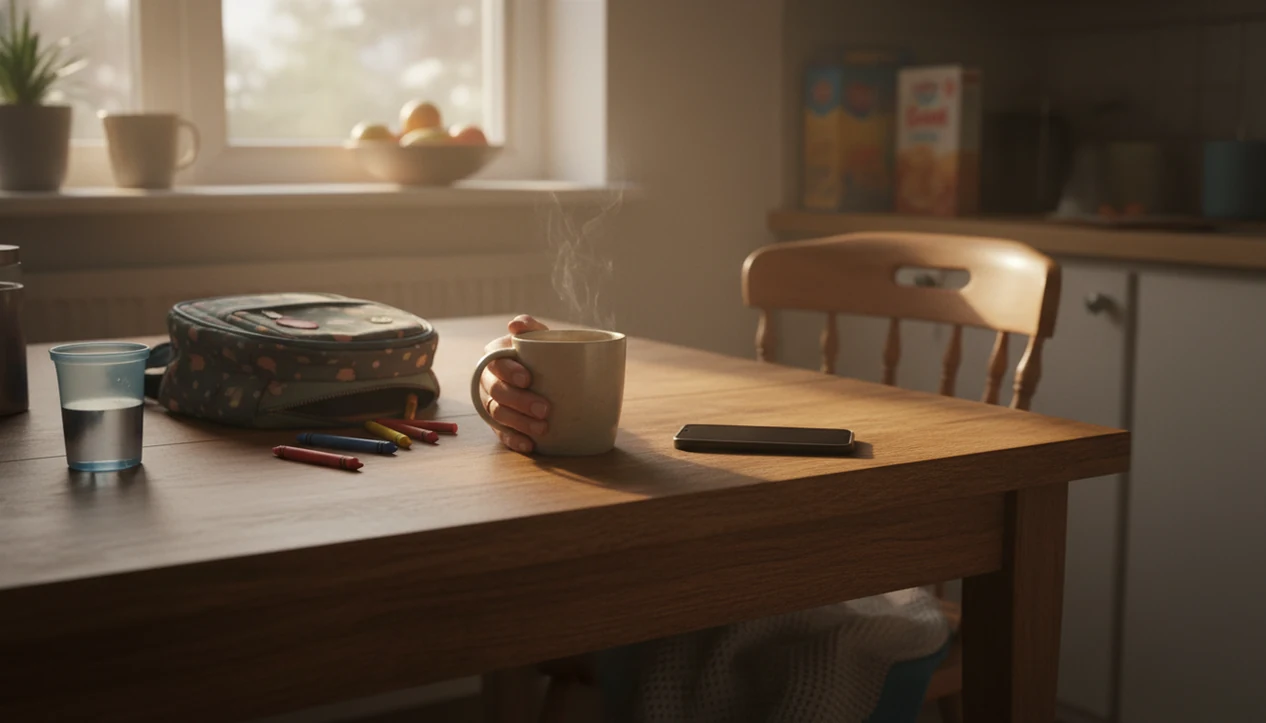


Being a resilient parent means recovering from parenting stress, managing emotions, and returning to a steady response after difficult moments. It does not mean staying calm all day. A resilient caregiver can pause, repair after an argument, ask for help, and model healthy coping for a child. The practical starting point is small: stop, breathe, name the feeling, and choose a response rather than adding to the conflict.
Sleep, support, realistic expectations, and short mindfulness routines can make that pause easier to repeat on hard days. Guided meditation, sleep audio, breathing exercises, and self-hypnosis sessions can support those routines. They cannot remove every tantrum or replace professional mental health care. Resilience includes recognizing when rest, childcare help, or qualified treatment matters more than another calming exercise.
What matters most
- Resilient parenting starts with nervous system regulation: pause, breathe, name the feeling, and respond instead of reacting.
- Sleep, support, realistic expectations, and short daily mindfulness practices are practical resilience tools, not luxuries.
- Guided meditation, sleep audio, breathing exercises, and self-hypnosis sessions can support parent resilience, but they are not replacements for professional mental health care.
Resilient Parent Definition For Stressed Caregivers
What is how to be a resilient parent? It means learning how to recover, repair, and adapt under parenting stress, not learning how to stay calm every minute.
A resilient parent still gets irritated when the backpack is missing at 7:42 a.m. They may still feel anxious before a school meeting. The difference is what happens next. They pause, lower the volume, name what went wrong, and choose the next steady action.
Children learn resilience partly by watching adults handle pressure. A parent who says, “I was frustrated, and I’m going to try that again,” teaches more than a long lecture about patience. During a calm moment, gratitude meditation for kids can give your family a simple way to notice everyday kindness.
Per the CDC, about 9.8% of U.S. children, or 7.6 million, have ever been diagnosed with anxiety source. That makes everyday coping modeling matter. Not dramatic. Repeated.
5 Evidence-Based Facts About Resilient Parenting
- Supportive relationships protect resilience. Parents cope better when they are not trying to absorb every hard moment alone.
- Emotional regulation teaches by example. A child notices when a parent takes one breath before answering, especially during conflict.
- Sleep, mindfulness, movement, and realistic expectations are core habits. They reduce the load before the next meltdown starts.
- Small controllable steps lower overwhelm. For worried parents, choosing the next email, snack, or bedtime boundary is often easier than solving the whole week.
- Digital meditation tools can help micro-routines stick. A 5-minute breathing session attached to school pickup is easier to repeat than a vague plan to “be calmer.”
A 2022 national survey found that 66% of parents reported burnout, and higher burnout was linked with harsher parenting and more child mental health difficulties source. That is not a blame statistic. It is a signal to reduce load early.
What research actually shows about mindful parenting
Research supports cautious expectations, not a promise of calmer family life. A 2021 review of 20 randomized trials involving 1,003 parents found moderate improvements in general stress, internalizing psychological symptoms, and wellbeing. Improvements in parenting stress and parenting behavior were smaller. That distinction matters: feeling less distressed is useful, but it is not the same outcome as changing a recurring conflict with a child.
Findings also differ across reviews. A separate 2021 review of 11 studies involving 1,340 parents found no significant overall effect on parenting stress or overall parenting mindfulness. Evidence for relationships, positive parenting, and child behavior was limited or inconsistent. These studies examined mindfulness-based programs, not proof that a particular app or a two-minute breathing reset produces the same results. Short routines are best presented as practical support, with their limits stated clearly.
Before You Start: What Resilient Parenting Can And Cannot Do
Resilient parenting can help you recover faster and repair more honestly. It cannot make you endlessly calm, erase exhaustion, or turn a hard family season into a quiet one overnight.
Before trying any reset, check the basics. A two-minute pause is useful when everyone is physically safe, the conflict is everyday stress, and you need one steadier response. It is not enough for danger, ongoing panic, severe depression, trauma symptoms, or a home situation where someone may be harmed.
- Check safety first. Make sure the child, you, and anyone nearby are physically safe before focusing on breathing or calm words.
- Protect the lowest need. Notice whether sleep, food, pain, or sensory overload is driving the moment more than attitude.
- Ask for support early. Text the other adult, call the friend, schedule the appointment, or trade off before resentment becomes the routine.
- Choose one cue. Attach one small habit to something predictable, like closing the car door after pickup or turning off the bedroom light.
- Repeat before adding. Let that cue become familiar before stacking on journaling, longer meditation, or a whole new evening plan.
Nervous System Skills Behind Resilient Parenting
Resilient parenting works through the nervous system: stress activates a threat response, narrows attention, and makes fast reactions feel automatic. The trainable skill is the pause between trigger and response.
When a child screams, your body may prepare for danger even if the “danger” is a sock seam or a refused toothbrush. Heart rate rises. Your voice wants to sharpen. A short breath practice gives the brain one extra beat to choose.
That beat matters.
Mindfulness, breathing, and sleep support regulation by lowering baseline reactivity over time. Clinicians typically recommend professional support when stress is severe, persistent, or tied to trauma, while using self-guided practices as supportive tools for daily coping.
Parent-focused mindfulness interventions have shown small-to-moderate improvements in parenting stress and parent mental health in research. The most useful frame is simple: meditation may support regulation, but it does not cure anxiety, trauma, or burnout.
5-Minute Resilient Parent Reset For Tantrums And Conflict
Use this reset when the room is loud, your patience is thin, and you need one safe next move. It fits tantrums, sibling fights, bedtime resistance, and school-run stress.
- Stop your body first. Plant both feet, loosen your jaw, and avoid adding more words for three seconds.
- Take one slower breath. Inhale through the nose if you can, then make the exhale longer than the inhale.
- Observe the trigger. Name it silently: “I’m angry,” “They’re overwhelmed,” or “We’re late.”
- Pick one response. Choose safety, connection, or the next task, not all three at once.
- Repair if needed. Say, “I got too loud. I’m going to try again.”
For parent and child practice outside the hot moment, parent and child breathing exercises can make the steps more familiar. A short breathing or grounding session can also support the reset when it is safe, practical, and not distracting to use your phone.
Sleep, Anxiety, And Focus Habits For Resilient Parents
Tired parents are usually more reactive because sleep loss shrinks the space between feeling and responding. Resilience often starts the night before, with a routine that makes tomorrow’s patience more likely.
Morning focus reset
Try a 5-minute morning focus reset before messages, school forms, or work tabs take over. Sit in the car after drop-off, or stand near the kitchen counter, and choose one intention: “Today I will pause before I correct.”
Bedtime sleep wind-down
A 5-to-10 minute body scan can help parents shift out of planning mode. Earbuds on a nightstand, one side slightly tangled around a charging cable, still count as a routine.
Guided meditation, sleep audio, breathing exercises, and self-hypnosis sessions can help parents create a repeatable wind-down cue. Digital sleep support can be meaningful; randomized evidence for digital CBT-I has found improvements in insomnia outcomes and sleep efficiency source. Consistency beats long sessions.
Best-Fit And Not-Fit Situations For Resilient Parenting Support
Resilient parenting support is most useful for everyday stress patterns, not urgent safety or mental health crises. Use self-guided tools for repeatable calm routines, and bring in qualified help when risk is higher.
| Best for | Not for |
|---|---|
| Everyday parenting stress after long workdays | Crisis situations or thoughts of self-harm |
| Bedtime overwhelm and repeated evening conflict | Severe depression that affects daily functioning |
| School worries, homework battles, and transition stress | Trauma flashbacks or panic that feels unmanageable |
| Mild anxious spirals about schedules or behavior | Unsafe homes, coercive relationships, or violence |
| Building calm routines with short guided practice | Urgent child safety concerns |
Meditation apps for sleep anxiety and everyday calm are best used for repeatable guided practice and wind-down structure. They do not provide diagnosis, emergency support, trauma treatment, or guaranteed emotional control.
When To Seek Professional Help For Parenting Stress
Seek professional help when parenting stress feels unsafe, persistent, or bigger than a short reset can hold. Getting support is not a failure of resilience; it is often the most resilient next step.
Urgent signs include thoughts of self-harm, fear that you may hurt someone, violence in the home, unsafe living conditions, or a child who may not be protected. Persistent depression, trauma flashbacks, panic that feels unmanageable, severe burnout, or overwhelm that keeps interfering with sleep, work, caregiving, or basic daily functioning also deserve qualified care.
- Call emergency services immediately if anyone is in immediate danger, there is violence, or you might harm yourself or someone else.
- Contact a crisis line if you are having self-harm thoughts, feel out of control, or need live support right now.
- Reach out to a pediatrician when your child’s safety, anxiety, sleep, aggression, withdrawal, or behavior feels concerning.
- Schedule a therapist or mental health appointment when depression, panic, trauma symptoms, or burnout keeps returning.
- Use apps and breathing exercises as support, not crisis care. They can steady a hard evening, but they cannot replace urgent help.
4 Common Mistakes In Resilient Parenting Tips
Mistake 1: Thinking resilient parents never feel angry. Resilient parents still feel anger, anxiety, and depletion. They practice returning to steadiness sooner.
Mistake 2: Handling everything alone. Support is not weakness. Texting a friend after a brutal pickup, calling a therapist, or asking a partner to take bedtime can be resilience.
Mistake 3: Pretending to be positive. Children do not need a smiling performance. They benefit from honest coping: “I’m stressed, so I’m taking a breath before I answer.”
Mistake 4: Downloading an app without a routine. A meditation app helps more when tied to a repeatable cue, like after lunch, before pickup, or while the bath runs.
Repair is the quiet skill underneath all of this. Apologize, name what happened, and say what you will try next. If the whole family needs a shared rhythm, a family mindfulness routine can make calm practice feel less like one parent’s private project.
Parental Resilience Examples For School, Bedtime, And Repair
- School tantrum: Your child refuses shoes, and the clock is rude. You pause, breathe once, and choose: “Shoes in the car. We’re moving now.” Practicing mindfulness for kids before school during calmer mornings can help children become familiar with pausing before stressful transitions.
- Bedtime resistance: Your child pops up for the fourth time. Instead of escalating, you dim the phone screen, start calm audio, and repeat the same short phrase. A simple kids bedtime breathing routine can offer a shared calming cue before you repeat the bedtime boundary.
- After yelling: You return and say, “I yelled. That was scary. You are not in trouble for my yelling. Next time I’m stepping away sooner.”
- Anxious school issue: Your child worries no one will sit with them. You do not promise everything will be fine. You ask, “Who is one person you can look for first?”
For children who need their own calming language, calm down meditation for kids can support the same pause-breathe-choice pattern. For stressed parents, a concrete next step is often better than reassurance because it gives the brain something doable.
Short audio for the pause before pickup or bedtime
MindTastik’s breathing exercises suit a brief parent reset before pickup or after a difficult exchange. Guided meditations and sleep stories offer other options for an evening wind-down, while kids sessions can sit alongside a family routine. These are supports for everyday stress, not treatment. Parents who find listening unhelpful may prefer movement or practical childcare support; persistent depression, unmanageable panic, trauma symptoms, or safety concerns call for qualified care.
What parenting resets and meditation cannot fix
Resilient parenting advice can help, but it has clear limits. Use these caveats seriously.
- Meditation apps can support resilience, but they do not replace professional care for severe anxiety, depression, trauma, or crisis.
- Some parents do not benefit from classic seated meditation. Movement, breathwork, therapy, or practical childcare support may fit better.
- Resilience does not eliminate tantrums, regressions, school stress, sibling conflict, or hard family seasons.
- Digital tools only help when used consistently as part of a real routine.
- Evidence for app-based interventions is growing, but results vary across individual commercial apps.
- Parents in unsafe relationships or high-risk situations need immediate qualified support, not only self-care tips.
- A child with intense anxiety, sleep disruption, aggression, or withdrawal may need pediatric or mental health guidance.
Tools like MindTastik, Calm, Headspace, and resources from mindful.org can support practice, but support is not the same as emergency care.
Resilient parenting questions
What does it mean to be a resilient parent?
A resilient parent can recover, repair, and adapt after stressful moments. Anger and exhaustion still happen. The useful difference is the next response: lowering the voice, acknowledging a mistake, asking for support, or choosing one manageable task. Resilience is a repeatable way of coping, not a requirement to stay calm.
How can I build resilience when parenting feels overwhelming?
Start with one repeated pressure point, such as pickup or bedtime, rather than trying to change the whole day. Attach a short pause to that moment and decide on one next action. Protect sleep where possible and identify someone who can offer practical help. Persistent overwhelm that disrupts daily functioning deserves professional support.
How do I stay calm during my child's tantrum?
Check physical safety first. Plant both feet, loosen the jaw, and take one slower breath before speaking. Silently name the feeling, then choose a single response focused on safety, connection, or the next task. The goal is a steadier response, not forcing either parent or child to feel calm immediately.
How do I repair after yelling at my child?
Return with a clear acknowledgment: “I yelled. That was scary. You are not in trouble for my yelling.” Then name a concrete change, such as stepping away sooner when it is safe. Repair means taking responsibility for the adult response, not expecting the child to make the parent feel better.
Does mindfulness reduce parenting stress?
Some reviews find improvements in parenting stress, while others find no significant overall effect. Benefits for child behavior and parent-child relationships are less consistent. Mindfulness may be a useful addition to parenting support, but evidence from structured programs does not establish that a brief app session will produce the same benefits.
Can I build parenting resilience without seated meditation?
Yes. Seated meditation is only one option. Movement, a brief breathing pause, realistic expectations, therapy, and practical childcare support may fit better. A useful routine addresses the actual pressure point. If exhaustion or lack of help is the main problem, adding another daily exercise may not be the most useful step.
When is parenting stress a reason to seek professional help?
Seek qualified help when stress is persistent, feels unmanageable, or interferes with sleep, work, caregiving, or basic daily functioning. Severe depression, trauma flashbacks, and unmanageable panic need more than a reset. Thoughts of self-harm, fear of hurting someone, or violence require urgent support. Contact emergency services if anyone is in immediate danger.